In 2025, Ethereum Layer 2 networks have unlocked the full potential of on-chain gaming, letting developers craft mini-games where every move, score, and asset lives transparently on the blockchain. Frameworks like MUD and Dojo stand out as game-changers, simplifying the shift from off-chain hacks to true decentralization. Whether you're targeting EVM chains with MUD or Starknet's zero-knowledge prowess with Dojo, building fully on-chain mini-games has never been more accessible for Ethereum L2 developers.
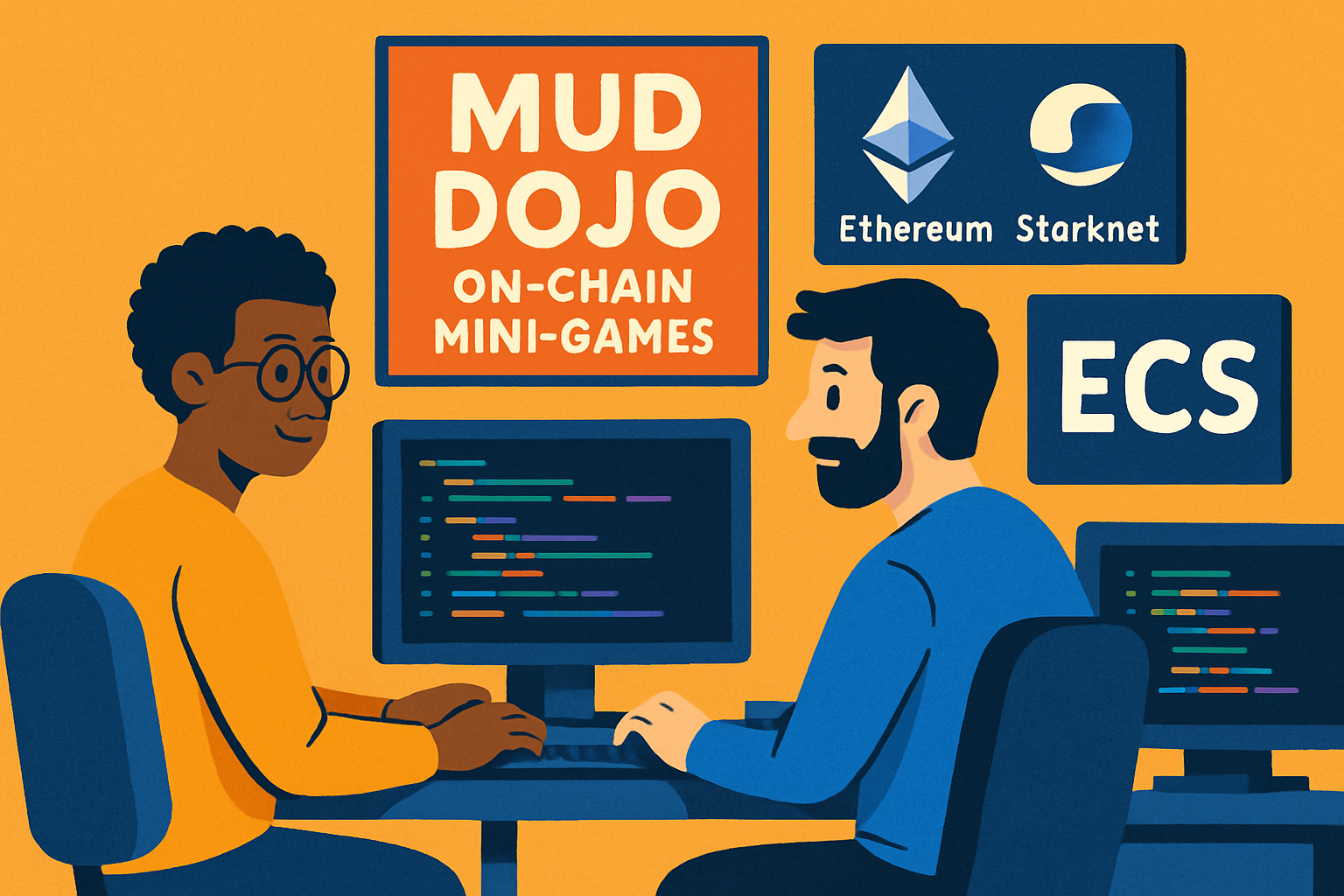
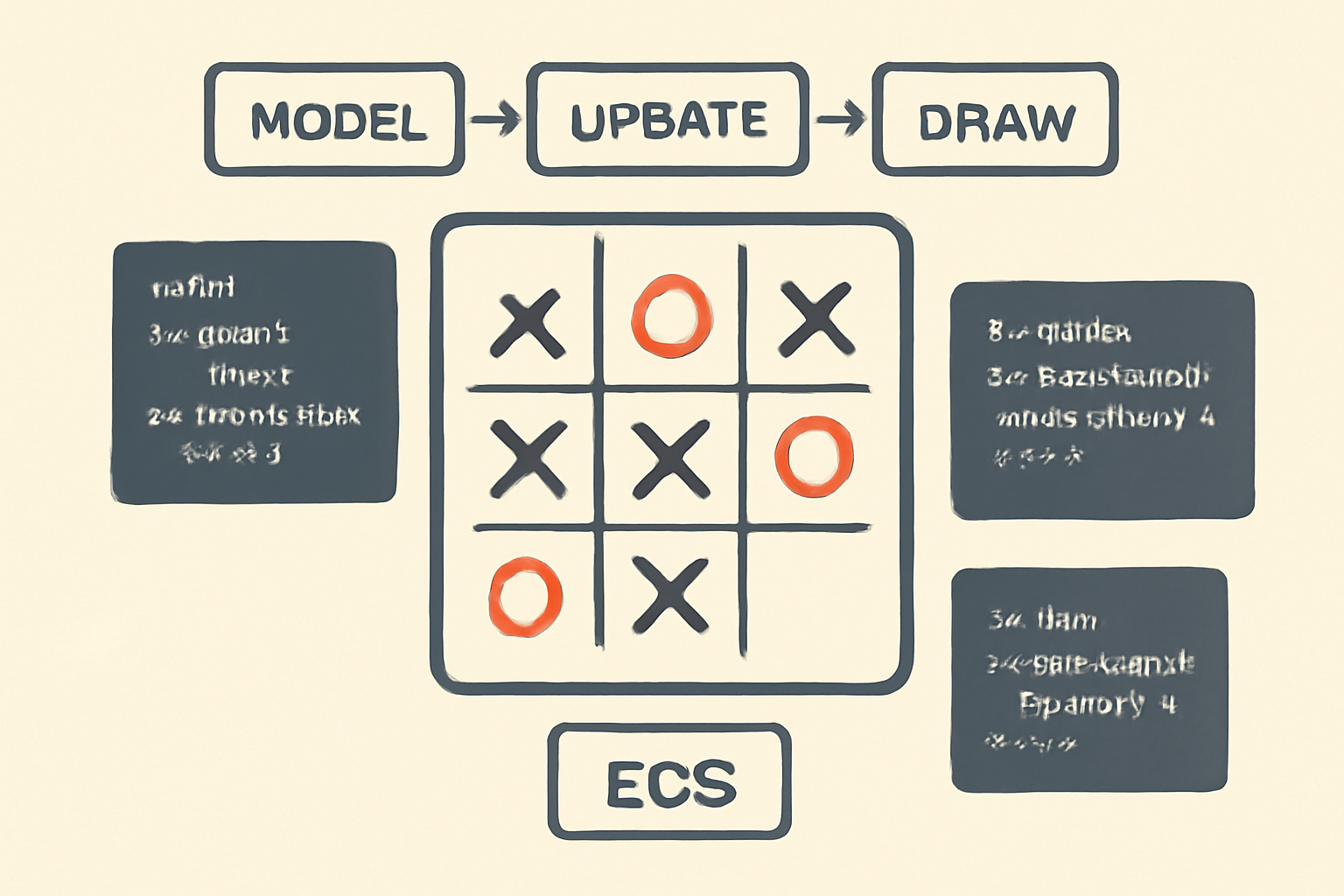
These tools leverage the Entity Component System (ECS) architecture, a pattern borrowed from traditional game engines but supercharged for blockchain. It breaks games into modular pieces: entities as game objects, components as data, and systems as logic. This setup ensures scalability and reusability, crucial for multiplayer battles or puzzle challenges that sync perfectly across players.
MUD: Your Go-To for EVM-Compatible On-Chain Mini-Games
MUD shines on Ethereum L2s like Base or Optimism, offering a battle-tested stack for mud framework ethereum l2 games. At its core is the Store, an on-chain database that handles game state with atomic updates, preventing cheating while keeping costs low. The World acts as your game's front door, managing access, upgrades, and module integration seamlessly.
Development feels snappy thanks to Foundry-based tools, letting you prototype a turn-based strategy mini-game in hours. Client-side, MUD mirrors chain state efficiently, and MODE lets you query everything with SQL via Postgres. I've seen it power hits like OPCraft and Kamigotchi, proving it's ready for prime time.
Opinion: MUD's modularity edges it ahead for solo devs building quick prototypes, as systems can be hot-swapped without redeploys.
Dojo: Starknet's Provable Engine for High-Performance Mini-Games
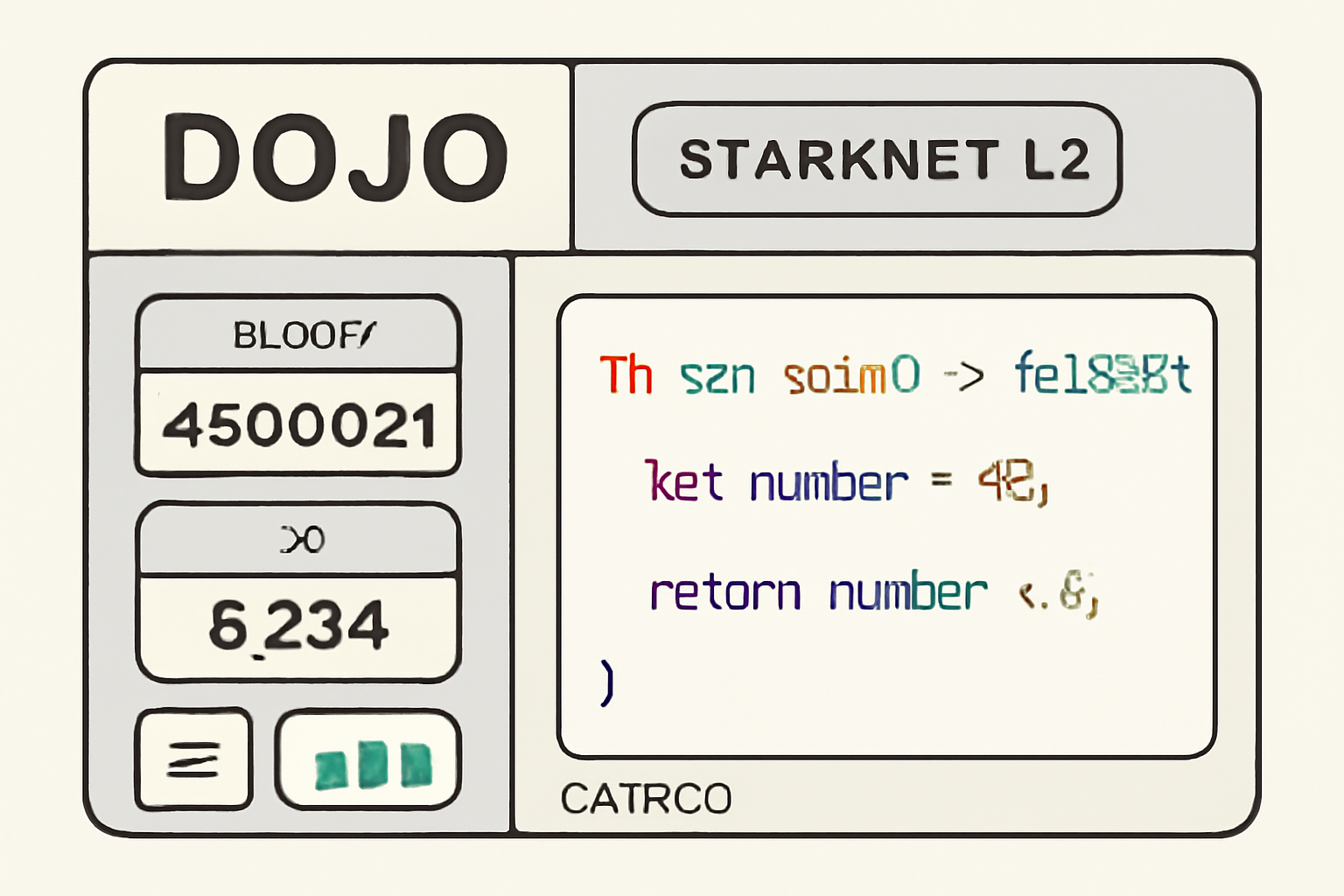
Shift to Starknet, and Dojo takes over with Cairo's ZK magic, enabling dojo starknet game development 2025 that scales to real-time action. Crafted by Realm, Cartridge, and Briq, it includes Katana, a blazing sequencer for low-latency transactions; Sozo for effortless contract upgrades; Torii for real-time data syncing; and Origami with pre-built patterns.
Games like Roll Your Own and Influence showcase Dojo's chops for complex worlds. Starknet's STARK proofs verify computations off-chain but settle on Ethereum securely, perfect for competitive mud dojo mini games where fairness matters.
What sets Dojo apart? Its provable execution fulfills on-chain gaming's promises of true ownership and interoperability, without the gas wars of L1.
Kickstarting Your First MUD Mini-Game Project
Ready to dive in? For MUD, start by installing Node. js and Foundry. Run npx create-mud@latest my-mini-game to scaffold everything. This generates a monorepo with contracts, app, and docs folders. Inside contracts/src/world, you'll define your ECS blueprint.
- Edit
core. cairoor Solidity equivalents to add components like PlayerPosition or Score. - Use systems for logic, e. g. , a MoveSystem that updates positions atomically.
- Deploy to your L2 testnet via
mud deploy.
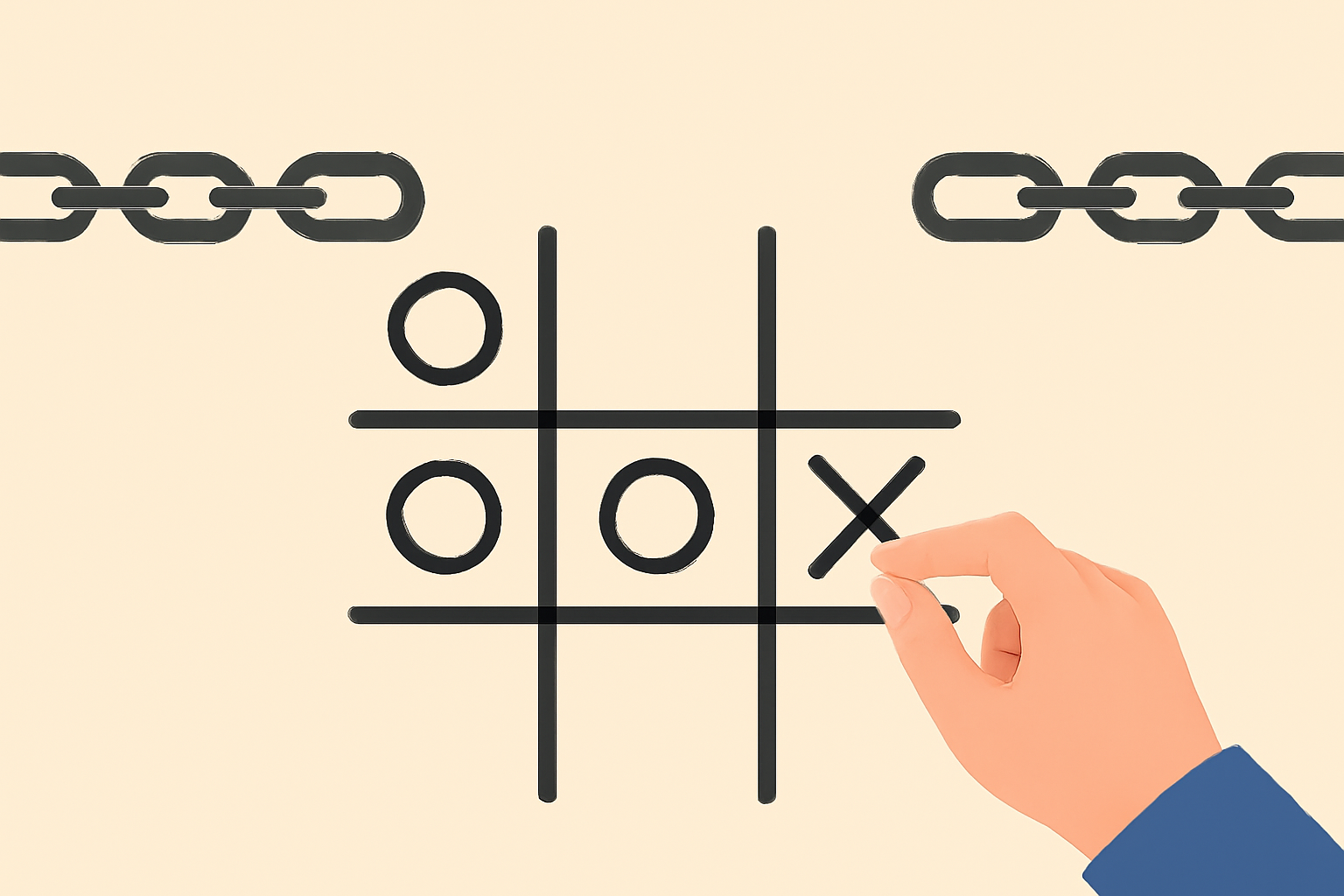
This flow embodies the fully on-chain mini-games tutorial ethos: iterate fast, deploy often. For a simple tic-tac-toe variant, entities represent boards, components hold turns, and systems enforce wins.
Pro tip: Integrate with wagmi or viem for frontend hooks that sync state effortlessly. As you build, notice how MUD's indexers cut query times, vital for responsive UIs in on-chain indie game dev guide projects.
Extend this with advanced MUD-DoJo hybrid tips.tic-tac-toe or a room escape puzzle, where players unlock doors by solving on-chain riddles. These mechanics highlight MUD's strength in handling discrete, verifiable turns without front-running risks.
Hands-On with Dojo: Crafting a Real-Time Mini-Game on Starknet
Switching to Dojo feels like upgrading to a turbocharged engine. Install via Cargo, Rust's package manager, then use sozo init my-dojo-game to bootstrap. This sets up your world configuration, models for components, and systems in Cairo. Starknet's testnet lets you deploy for free, ideal for testing dojo starknet game development 2025.
Picture a chase mini-game: entities as runners, components tracking speed and position, systems applying physics and collisions. Katana sequences moves at sub-second speeds, Torii indexes for instant frontend updates. Origami's templates speed up boilerplate, letting you focus on fun logic like power-ups that mutate on-chain.
Initializing the Dojo Project and Player Movement System
To begin building our on-chain mini-game, we first set up a Dojo project using Sozo. This creates the foundational structure. We'll then implement a simple Player model and a movement system in Cairo—perfect for handling player positions fully on-chain. Follow these steps carefully.
```bash
# Step 1: Initialize the Dojo project
sozo init mini-game --world starknet::mainnet
cd mini-game
```

Next, let's add a basic **Player** model and a **player movement** system. Create or edit the following files:

```cairo
// src/models.cairo (add this model)
#[derive(Model, Copy, Drop)]
struct Player {
    #[key]
    player_id: u64,
    x: u32,
    y: u32,
}
```

```cairo
// src/systems/player_move.cairo
#[system]
mod player_move {
    use core::box::BoxTrait;
    use core::array::ArrayTrait;
    use core::traits::Into;

    use mini_game::models::player::Player;

    fn exec(
        ctx: Context,
        player_id: u64,
        delta_x: i32,
        delta_y: i32,
    ) {
        let player = get!(ctx.world, player_id.into(), (Player));
        set!(
            ctx.world,
            (Player {
                player_id,
                x: (player.x as i32 + delta_x).into(),
                y: (player.y as i32 + delta_y).into(),
            })
        );
    }
}
```

```bash
# Step 2: Build the project
sozo build

# Step 3: Deploy the world to Starknet
sozo world deploy --rpc-url https://starknet-mainnet.public.blastapi.io \
                  --account my_account
```
Great job! Your Dojo world is now deployed with player movement capabilities. Test it by spawning a player entity and calling the `player_move` system. In the next section, we'll integrate this into our MUD architecture for the mini-game logic.
Dojo's ZK proofs mean every outcome is cryptographically fair, a boon for competitive leaderboards in mud dojo mini games. I've prototyped evasion games where AI opponents run deterministically on-chain, blending single-player depth with multiplayer bragging rights.
Step-by-Step: Your First Hybrid MUD-Dojo Mini-Game
Cross-Chain Tic-Tac-Toe: Bridge MUD on Base & Dojo on Starknet

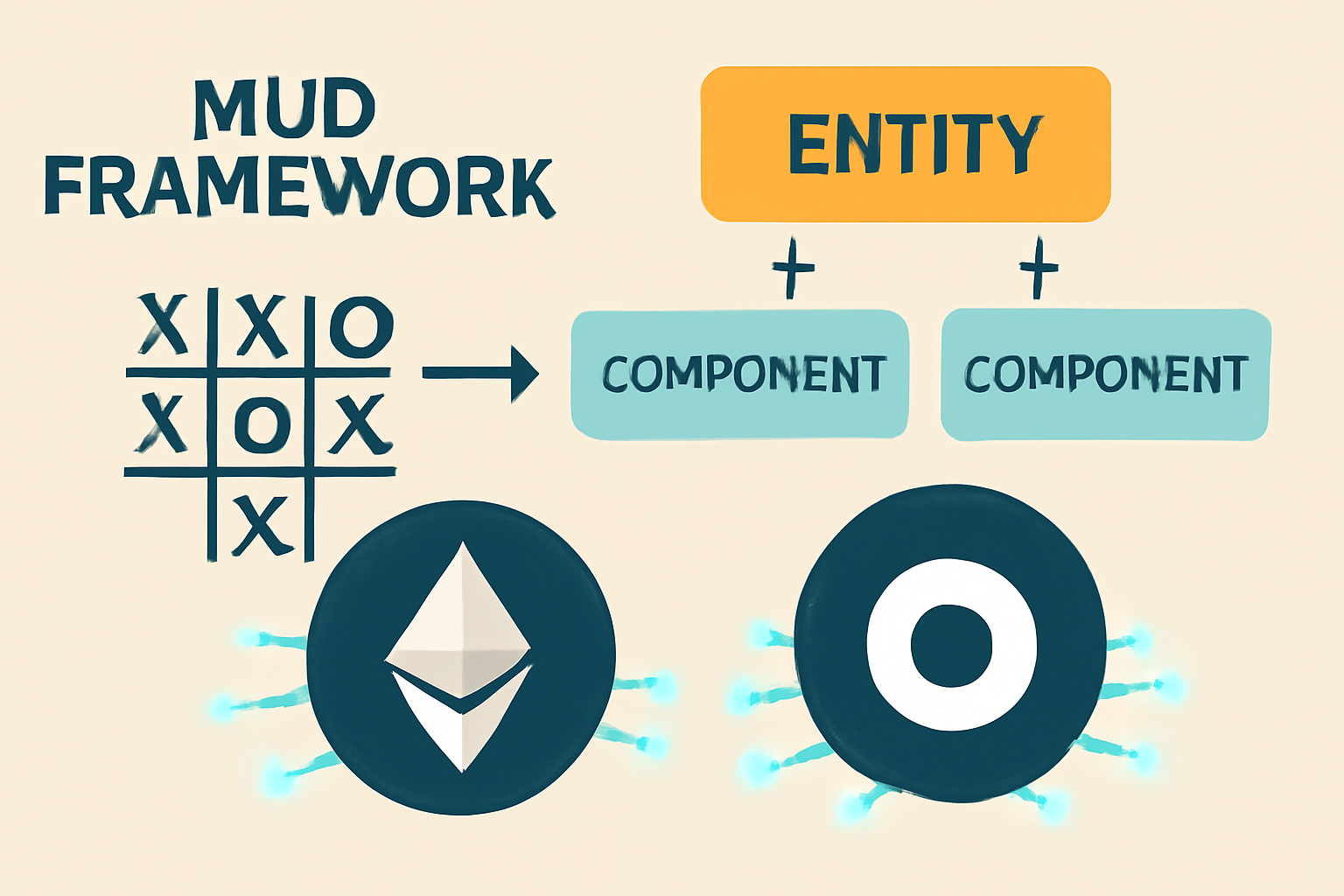
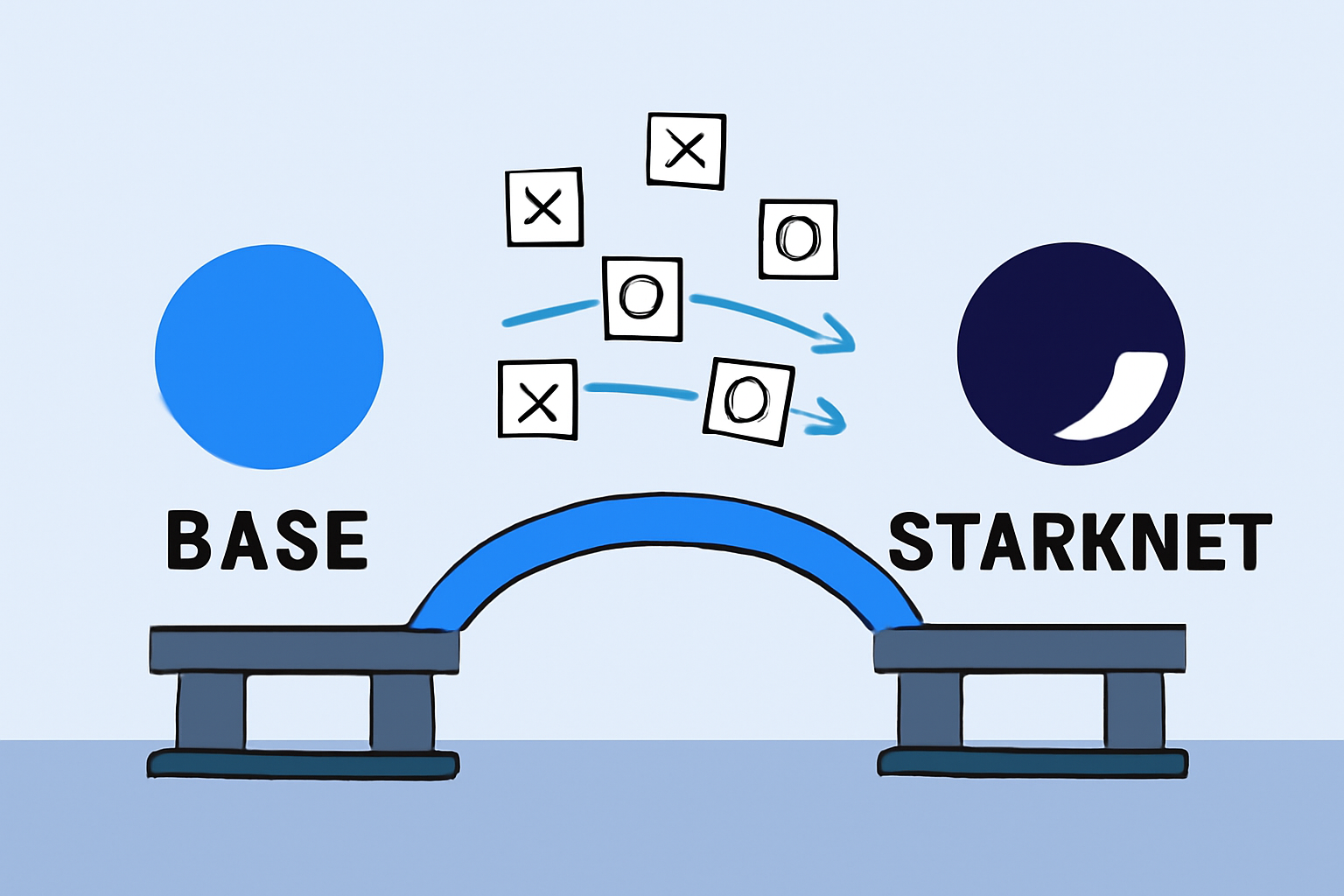
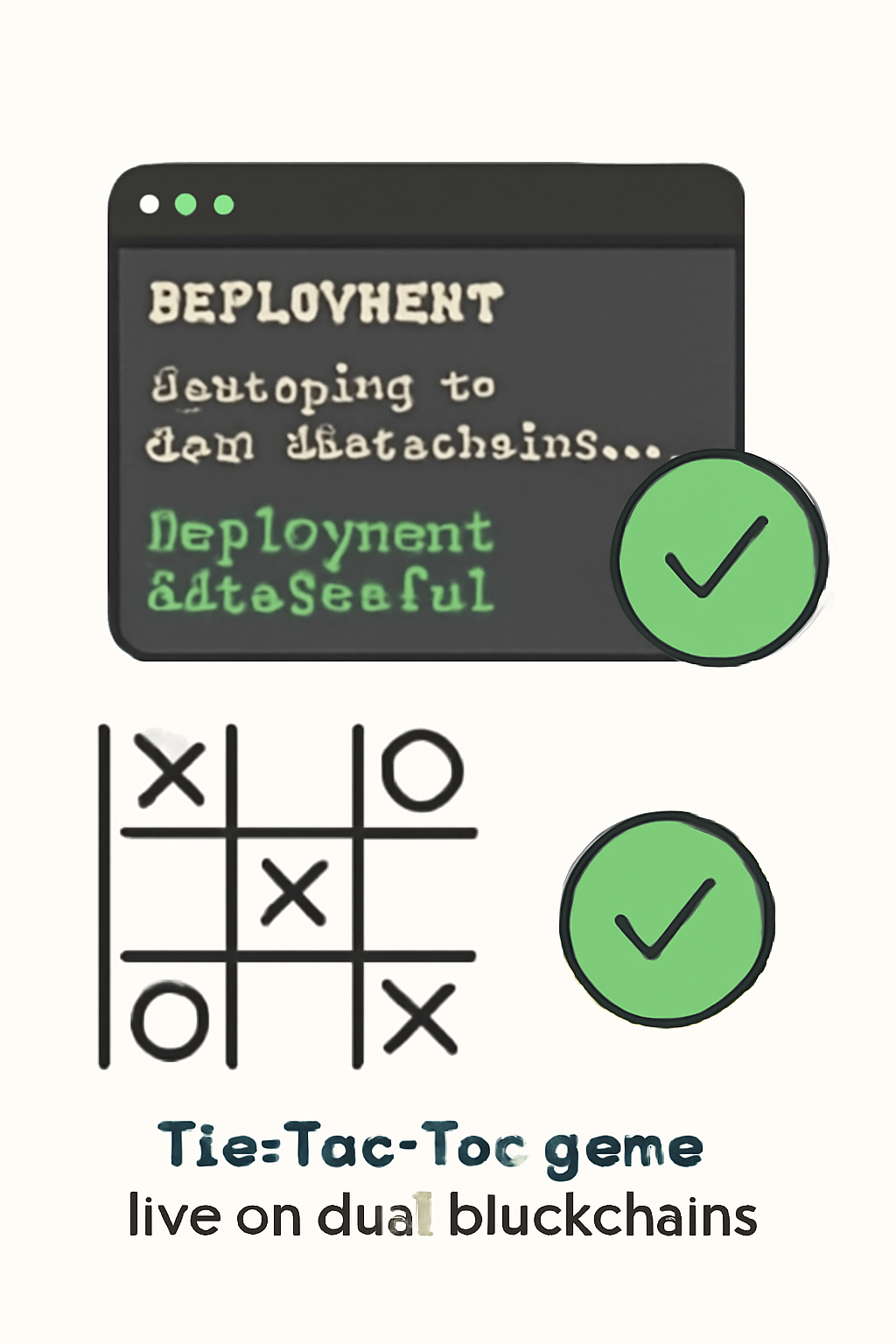
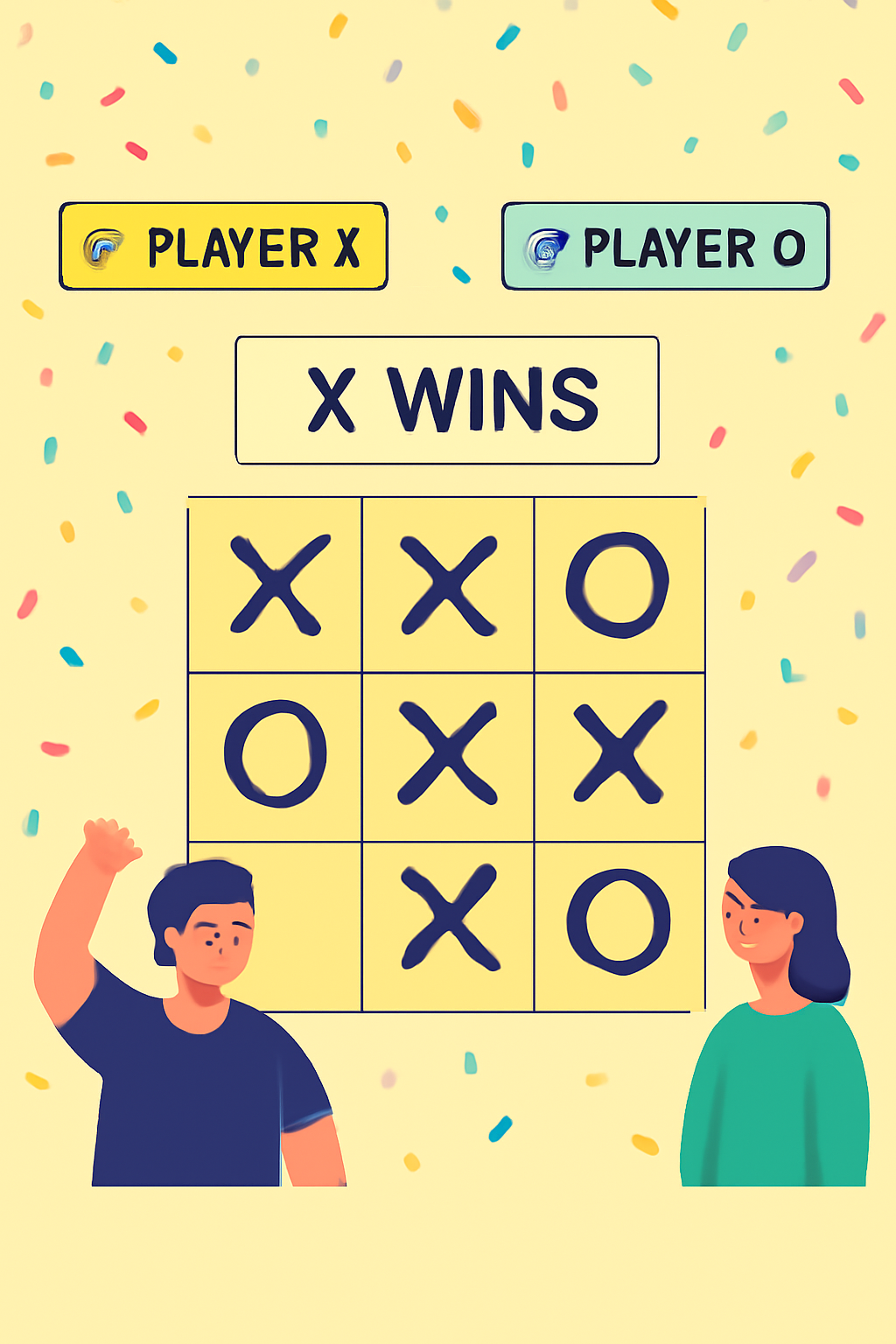
Hybrids unlock wild possibilities, like MUD handling EVM turns while Dojo crunches Starknet computations. Start with shared mechanics: define identical components across frameworks. Use oracles or bridges for state relay. Deploy MUD world to Base, Dojo executor to Starknet, then frontend with The Graph or SubQuery for unified queries.
This approach suits fully on-chain mini-games tutorial projects aiming for broad reach. Challenges? Latency on bridges, but tools like Chainlink CCIP mitigate that. Reward: composable games where a win on one chain unlocks assets on another.
Deployment Checklist for Production-Ready Mini-Games
Audits catch reentrancy or overflow bugs early; gas profiling ensures L2 fees stay under $0.01 per turn. Test multiplayer forks to simulate peak loads. For UIs, React with wagmi for MUD or Dojo. js for seamless wallet connects.
MUD edges Dojo in Solidity familiarity, but Dojo wins on throughput for action titles. Pick based on your chain: EVM for broad tooling, Starknet for ZK scale. Both crush centralized servers in ownership, players truly own scores, skins, everything.
As Ethereum L2s mature in 2025, expect MUD and Dojo to converge further, perhaps via shared ECS standards. Dive into this MUD vs. Dojo breakdown for deeper benchmarks. Your mini-game could be the next viral hit; prototype today, iterate tomorrow. The blockchain waits for no one.
Explore turn-based hybrids next.


No comments yet. Be the first to share your thoughts!