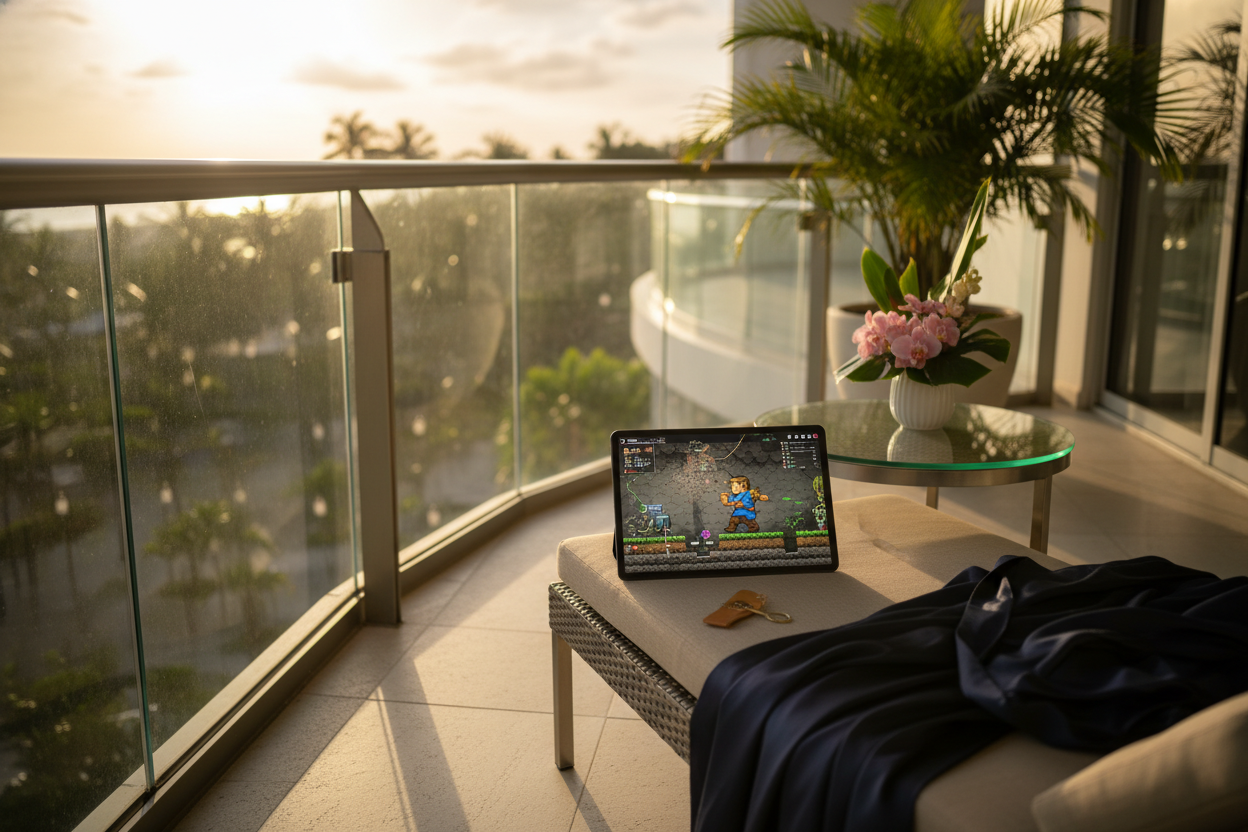
In the evolving landscape of fully on-chain games, few mechanics capture the thrill of risk and reward like dig and dash adventures. Replicating the addictive 'Caves' mode from Wolf Game using the MUD framework opens doors to creating transparent, player-owned worlds where every gem unearthed and trap evaded lives eternally on the blockchain. This guide dives into building such games, leveraging MUD's robust tools for seamless state sync and autonomous logic.
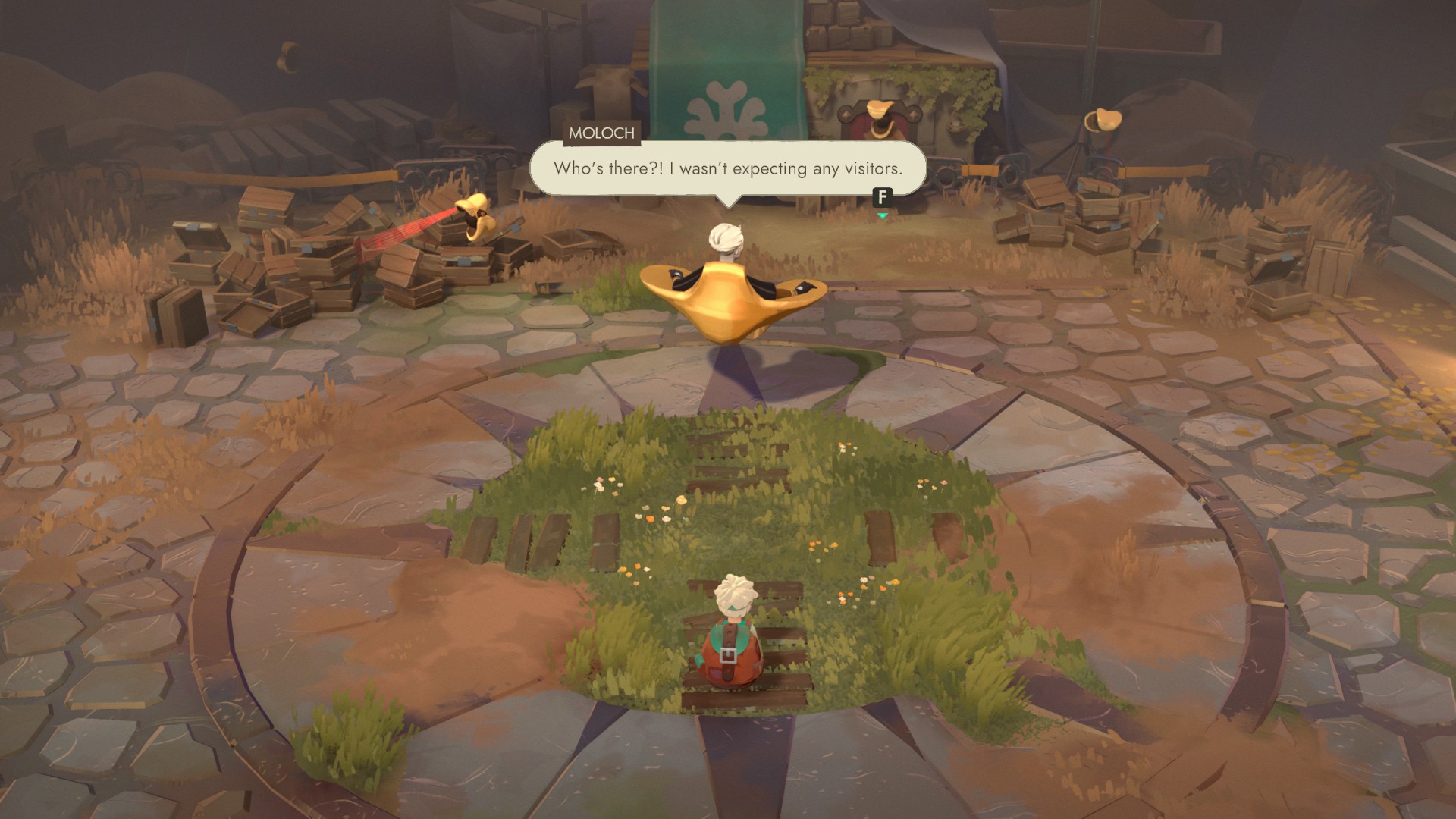
Caves challenges players to delve into procedurally generated mazes, balancing energy expenditure against bountiful hauls of Gems and WOOL. One wrong turn spells depletion or doom from lurking hazards, turning each run into a high-stakes gamble. What elevates this to on-chain brilliance? Immutability ensures no server-side shenanigans, fostering true competition in on-chain digging games with MUD.
Unpacking Caves' Core Loop for On-Chain Fidelity
The genius of Caves lies in its tight resource economy. Players start with finite energy, spent on movements and actions like digging walls or using items such as lanterns to reveal paths. Successful extractions yield Gems for upgrades or WOOL for breeding in Wolf Game's broader ecosystem. Traps drain energy or worse, demanding strategic item deployment and pathfinding savvy.
To replicate this wolf game caves mud clone, we model the maze as a grid of cells, each holding terrain data, resources, and hazards. Energy as a player stat gates actions, while extraction yields probabilistic rewards. MUD's entity-component-system (ECS) architecture shines here, decoupling data from logic for scalable, gas-efficient updates across EVM chains.

Why MUD Powers Superior Dig and Dash Experiences
MUD isn't just another SDK; it's a protocol for ambitious on-chain worlds. By standardizing data structures, it decouples contracts from frontends, enabling real-time sync via indexed tables. Unlike traditional games bottlenecked by RPC calls, MUD clients query only changed world state, slashing latency in multiplayer digs.
Consider Caves' inheritance from full-chain pioneers: MUD V1 tackles contract bloat, client-server sync, and extensibility head-on. Developers define tables for mazes, players, and inventories, with systems handling logic like energy deduction or gem minting. This ECS foundation, EVM-centric yet chain-agnostic, suits mud framework dig dash perfectly, as seen in BITKRAFT's nods to its universal interface.
Opinion: While Dojo excels in zk realms, MUD's Ethereum roots make it the pragmatic choice for most builders eyeing broad adoption. Its tools foster infinitely extendable games, where communities add modules without forking core contracts.
Start with the maze backbone. In MUD, tables are your data primitives. Define a Cell table storing position (x, y), type (wall, open, trap), resources (gems, wool), and visibility flags. Players link via an Entity ID, with components for position, energy, and inventory.
table CavesCell { key: (world: address, x: uint32, y: uint32), terrain: u8,//0=wall, 1=open, 2=trap gems: uint32, wool: uint32, revealed: bool }This schema ensures atomic updates; digging a cell triggers a system rewriting its state, broadcasting changes to all clients. Energy management becomes a Player table: current_energy, max_energy, tracking regen over blocks.
For dash mechanics, introduce velocity components, but keep it turn-based for on-chain determinism. Probabilistic rewards? Use chainlink VRF or blockhash seeds for fair, verifiable randomness in extractions.
Building fully on-chain competitive mining mud dojo variants? Extend with leaderboards via aggregated queries, pitting diggers in real-time races. MUD's recs (resource entity component system) automates indexing, making global stats feasible without custom indexers.
Next, we'll script systems for movement and interaction, but first, grasp how MUD's world context glues it all. Initialize via a deploy script, seeding procedural mazes with noise algorithms ported to Solidity. Encouraging note: Even solo devs have cloned complex loops like this in weeks, thanks to MUD's CLI scaffolds.
World context in MUD acts as a registry, dynamically registering tables and systems at runtime. This modularity lets you hot-swap mechanics, like adding multiplayer co-op digs without redeploying the base maze.
Crafting Systems: Movement, Digging, and Dash Logic
Systems execute the game's pulse. A MovementSystem checks energy costs before updating player position, validating against maze bounds to prevent exploits. DiggingSystem handles wall breaches: query the target cell, deduct energy, roll for rewards, and mutate state if successful. For that dash adrenaline, chain movements into bursts, capped by stamina.
Dig System: Energy Check, Cell Update, and Probabilistic Rewards
The digging action is the heart of the Caves game mechanic. This Solidity system, designed for the MUD framework, performs an energy check, updates the cell state to prevent re-digging, and includes a probabilistic reward mint—all in a single atomic transaction for reliability on-chain.
```solidity
// SPDX-License-Identifier: MIT
pragma solidity ^0.8.19;

import {IWorld} from "@mud/world/src/IWorld.sol";

contract DigSystem {
    error PlayerInsufficientEnergy();
    error CellAlreadyDug();

    int32 constant DIG_ENERGY_COST = 1;
    uint32 constant REWARD_CHANCE = 10; // 10% chance

    event CellDug(uint256 indexed player, int32 x, int32 y, bool rewarded);

    function dig(
        IWorld world,
        uint256 player,
        int32 x,
        int32 y
    ) public {
        bytes32 playerKey = bytes32(uint256(uint160(player)));
        bytes32 cellKey = bytes32(uint256(uint128(x)) << 128 | uint256(uint128(y)));

        // Energy check and deduction
        bytes32 energyTableId = bytes32(keccak256("table.PlayerEnergy"));
        (uint256 energy) = abi.decode(world.readTable(energyTableId, playerKey, 0, 0), (uint256));
        if (energy < uint256(uint32(DIG_ENERGY_COST))) {
            revert PlayerInsufficientEnergy();
        }
        world.writeTable(energyTableId, playerKey, 0, 0, abi.encode(energy - uint256(uint32(DIG_ENERGY_COST))));

        // Cell state check and update
        bytes32 cellTableId = bytes32(keccak256("table.CellState"));
        (uint8 state) = abi.decode(world.readTable(cellTableId, cellKey, 0, 0), (uint8));
        if (state != 0) { // 0 = undug
            revert CellAlreadyDug();
        }
        world.writeTable(cellTableId, cellKey, 0, 0, abi.encode(uint8(1))); // 1 = dug

        // Probabilistic reward mint
        uint256 randSeed = uint256(keccak256(abi.encodePacked(block.prevrandao, player, x, y)));
        bool rewarded = (randSeed % 100) < REWARD_CHANCE;
        if (rewarded) {
            bytes32 gemsTableId = bytes32(keccak256("table.PlayerGems"));
            (uint256 gems) = abi.decode(world.readTable(gemsTableId, playerKey, 0, 0), (uint256));
            world.writeTable(gemsTableId, playerKey, 0, 0, abi.encode(gems + 1));
        }

        emit CellDug(player, x, y, rewarded);
    }
}
```
Integrate this system into your MUD world to enable seamless digging. Adjust the energy costs and reward chances to balance your game, and test thoroughly on a local anvil node to ensure smooth gameplay.
Here's a taste of the digging system in action. It queries CavesCell, applies block-based pseudo-randomness for gem drops, and emits events for client reactivity. Gas optimization tip: batch updates in multi-action turns to keep costs under 200k per run, vital for mobile players in on-chain digging games mud.
Dash into traps? A HazardSystem auto-triggers on entry, slashing energy or spawning penalties. Balance is key; tune drop rates so skilled pathfinders average 20% higher yields, rewarding replay without frustrating newbies. MUD's executor ensures deterministic order, eliminating race conditions in competitive mining lobbies.
Client Harmony: Syncing the Frontend for Immersive Runs
MUD's magic extends off-chain. The client library subscribes to table diffs, rendering mazes in real-time with Canvas or PixiJS. No polling hell; changes propagate via websockets, mirroring Caves' fluid navigation. Procedural generation? Run it client-side for previews, committing seeds on-chain for verification.
Build a React app with MUD's hooks: useWorld for global state, useComponent for player stats. Dash feels snappy as local predictions rollback on chain confirmation. For build caves dig dash mud tutorial seekers, scaffold with 'mud create' CLI, then layer in pathfinding A* for AI hints or optimal routes.

Opinion: Frontend devs rejoice; MUD flips the script from backend tyranny to peer-synced autonomy. It's not perfect, zk latency lags for now, but EVM's ubiquity wins for cross-chain ports.
Deployment Checklist and Scaling Your Dig Empire
Tick through that checklist, and you're live on Sepolia in hours. Foundry scripts automate world deployment, seeding unique mazes per realm. Scale with namespaces for guild-specific caves, or federate across chains via bridges. Analytics? MUD's RECS indexes yield Dune dashboards for yield curves and trap fatality rates.
Monetize via gem staking or WOOL burns, tying into DeFi for liquid economies. Competitive twist: auction maze seeds, letting whales sponsor deadlier runs for bigger pots. This fully on-chain competitive mining mud dojo hybrid potential shines, though MUD's EVM edge keeps it accessible.
Challenges persist, gas wars during peak hours demand clever bundling, yet communities thrive on MUD Discord, sharing forks of diggers past. Solo builders report 10x faster iteration versus raw Solidity, birthing variants with NFT pickaxes or DAO-voted biomes.
Dive in, tweak the odds, and watch your maze empire unfold. The blockchain craves more dig and dash daring, and MUD equips you to deliver.



No comments yet. Be the first to share your thoughts!