
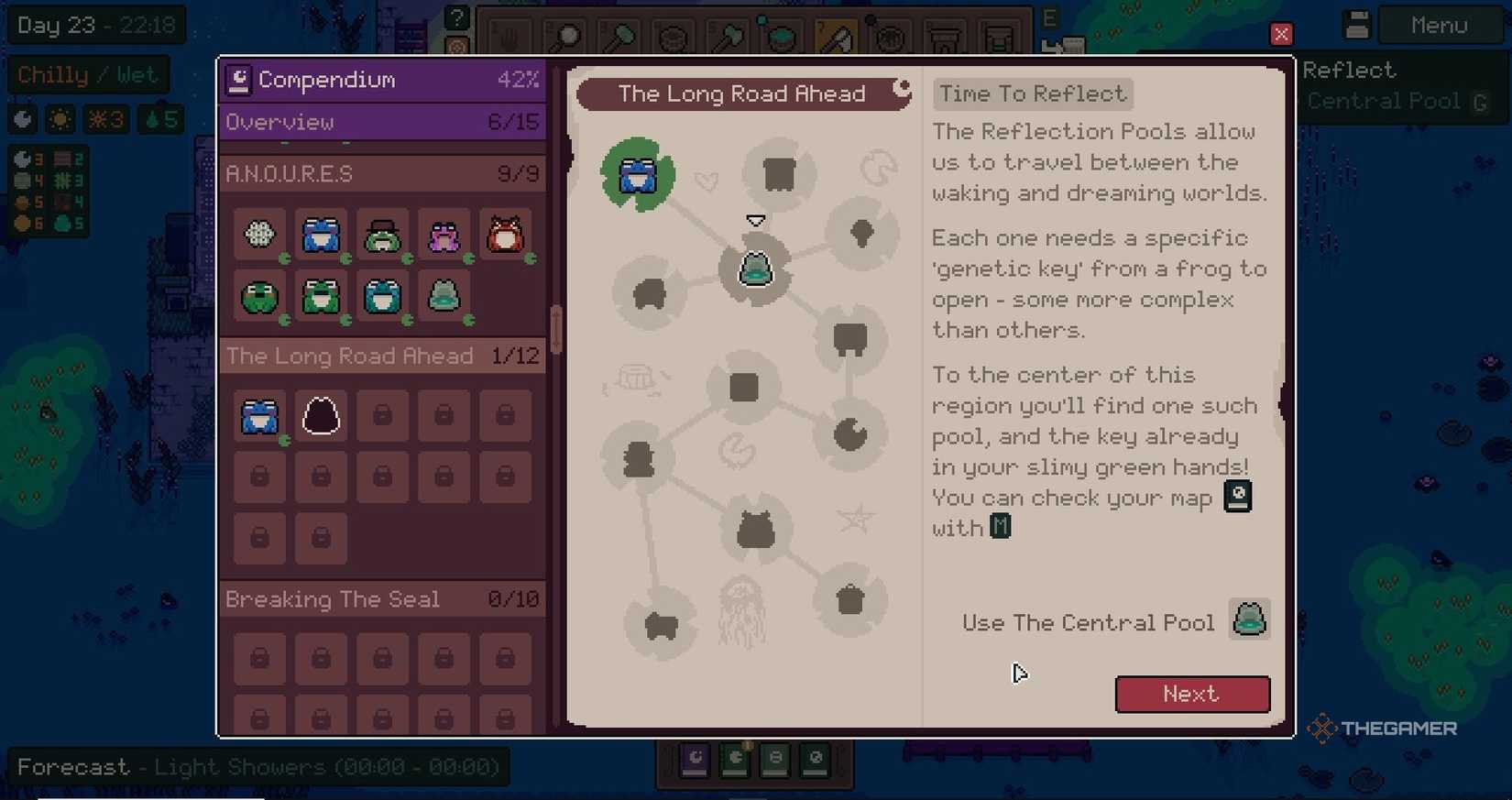
Imagine diving into a game world where every quest you accept, every enemy you slay, and every reward you claim happens entirely on-chain. No servers, no downtime, just pure Ethereum-powered action. That's the magic of questing systems in the MUD framework, and games like When The Mud Came are showing us how it's done. As someone who's traded volatile gaming tokens and analyzed countless on-chain projects, I can tell you: MUD questing systems aren't just a feature, they're the backbone of truly interactive fully on-chain games. Let's break it down and get you building.
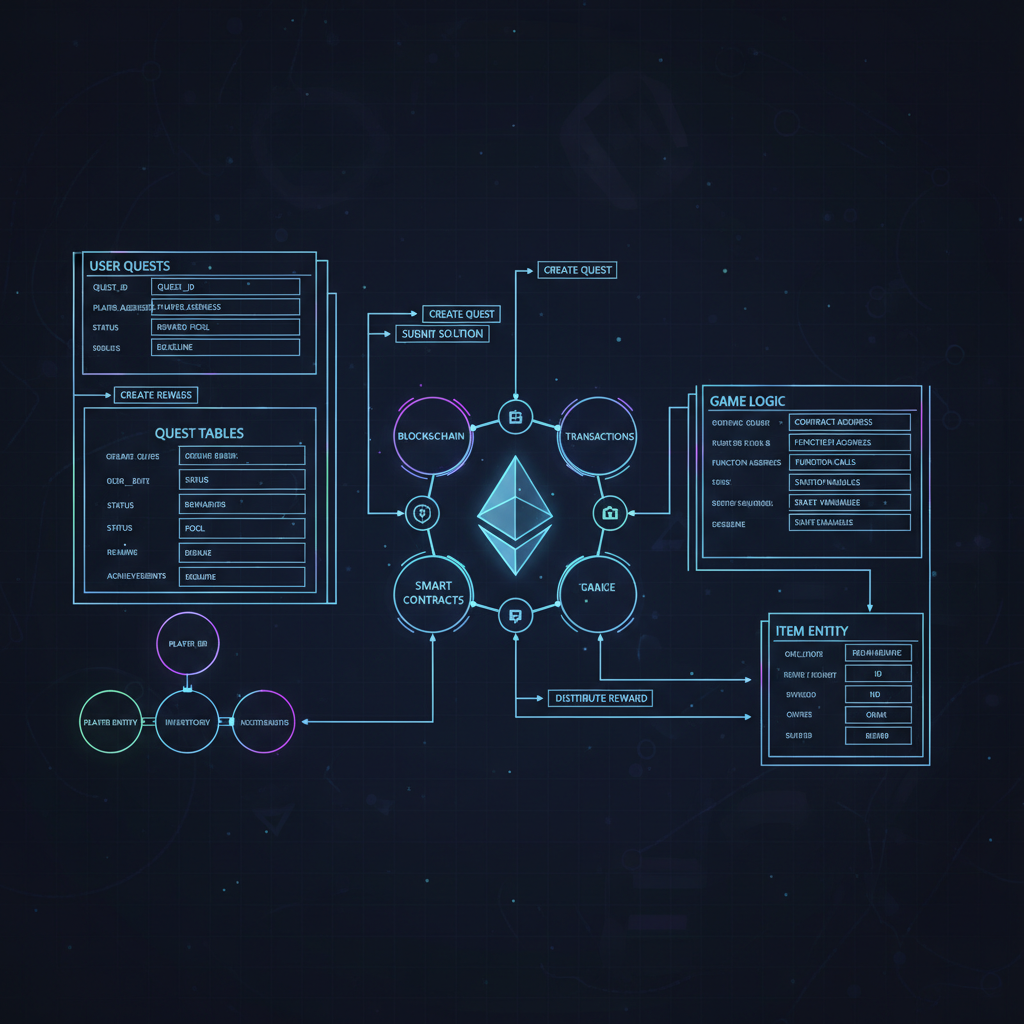
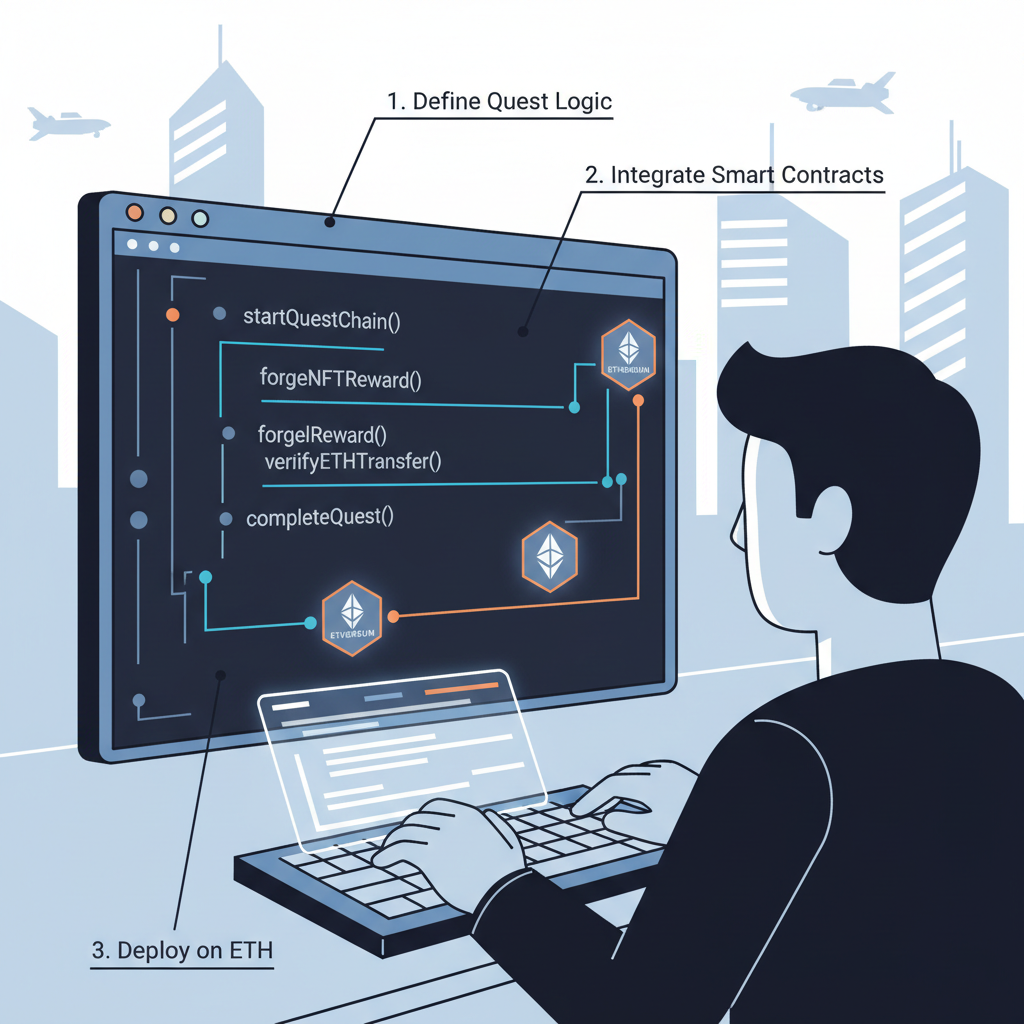
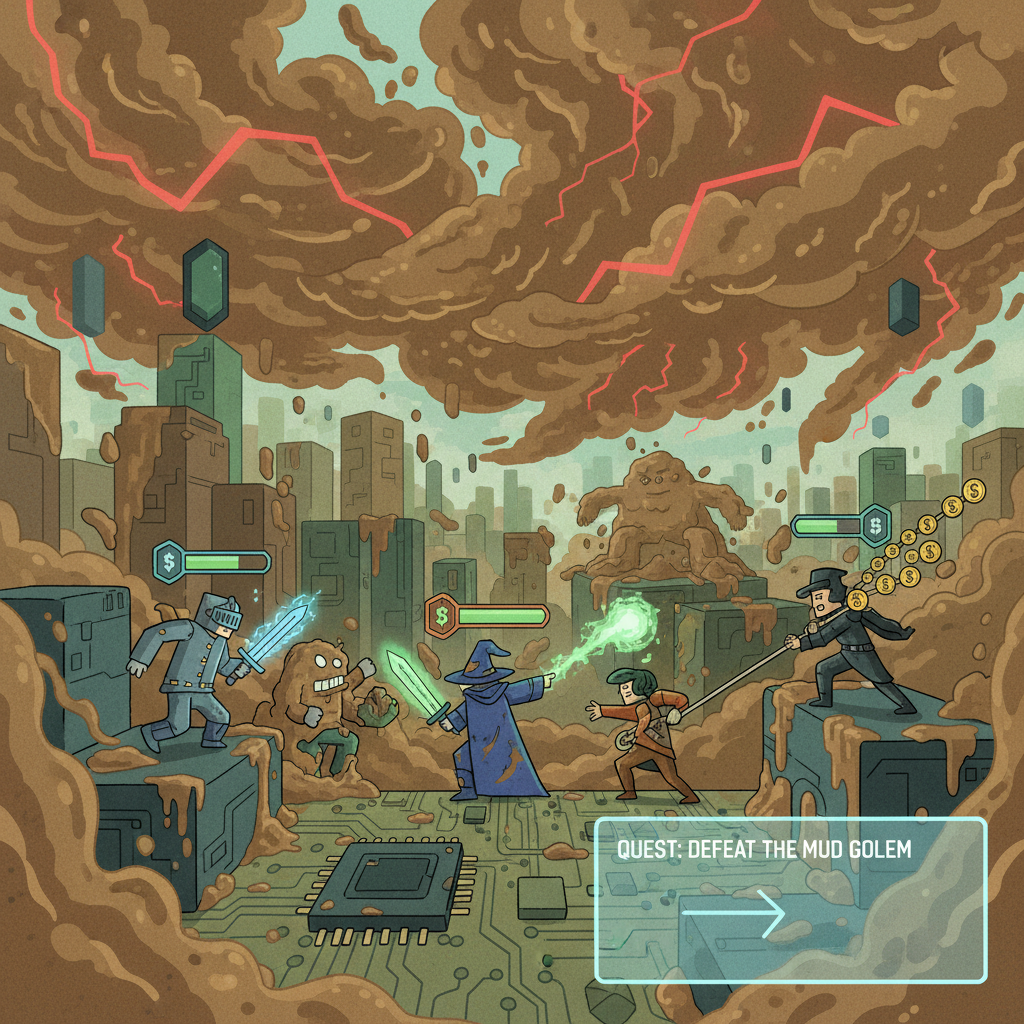
MUD flips the script on traditional game dev by leaning hard into an Entity-Component-System (ECS) architecture. Quests become living entities on the blockchain, with components handling player progress, conditions, and rewards. Picture this: a player entity subscribes to a quest entity, updates its state via systems, and boom, your on-chain game quests in MUD tick along autonomously. No centralized backend fudging the rules. Games like When The Mud Came use this to create emergent gameplay where quests evolve based on global player actions, all verifiable and tamper-proof.
Kickstart On-Chain Quests in MUD: Build Epic Adventures Like 'When The Mud Came'!
Why Questing Thrives in MUD's Autonomous Worlds
I've seen devs struggle with half-baked on-chain experiments, but MUD changes the game. Its protocol abstracts away Ethereum's complexities, letting you focus on crafting killer quests. Core to this are worlds: persistent, on-chain sandboxes where data lives forever. Quests here aren't static checklists; they're dynamic systems reacting to player inputs in real-time.
Take When The Mud Came: quests trigger based on entity positions or resource states, all synced across thousands of players. MUD's indexing ensures lightning-fast queries, so your UI stays buttery smooth even during peak action. And with gas optimizations baked in, scaling quests to massive player bases won't bankrupt you. If you're eyeing fully on-chain interaction systems, this is your stack. Pro tip: start small, test on Sepolia, then swing trade those early access tokens when hype hits.
Core Building Blocks: Entities and Components for Quests
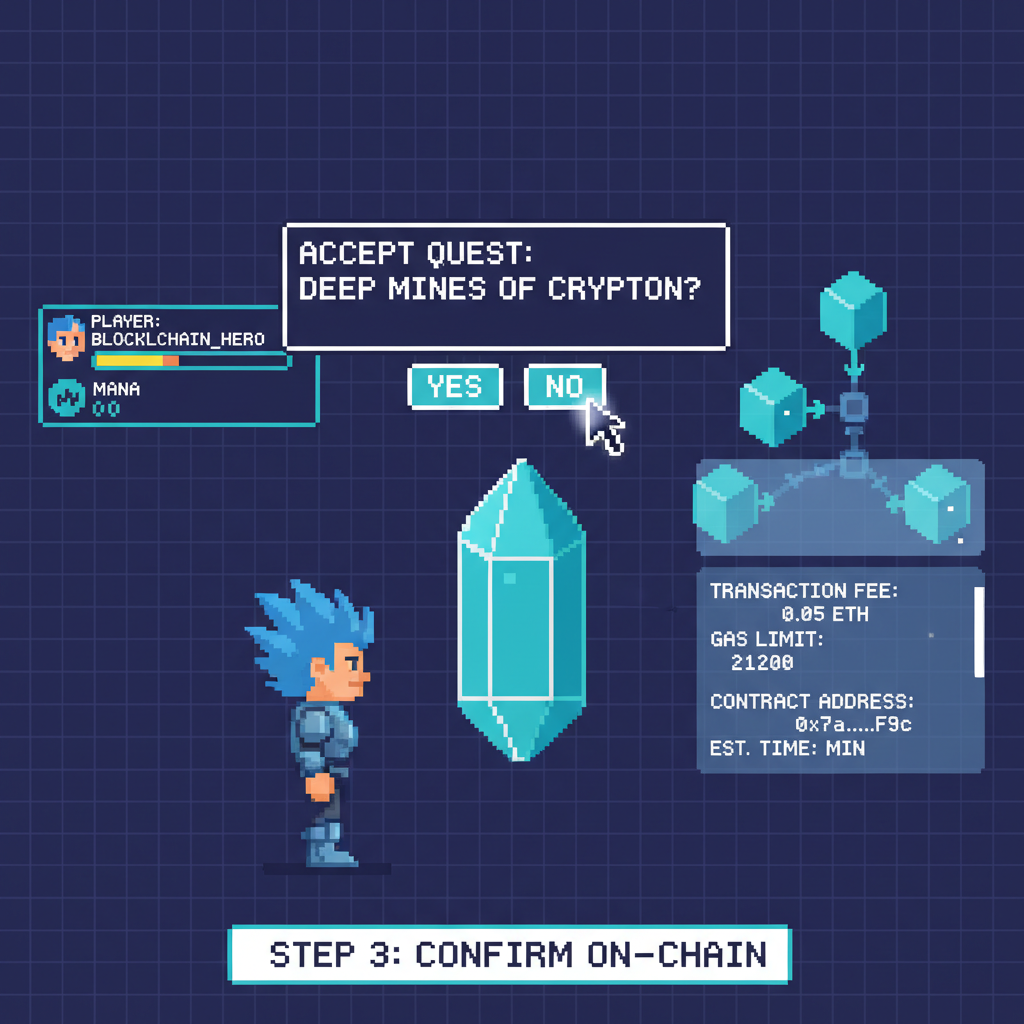
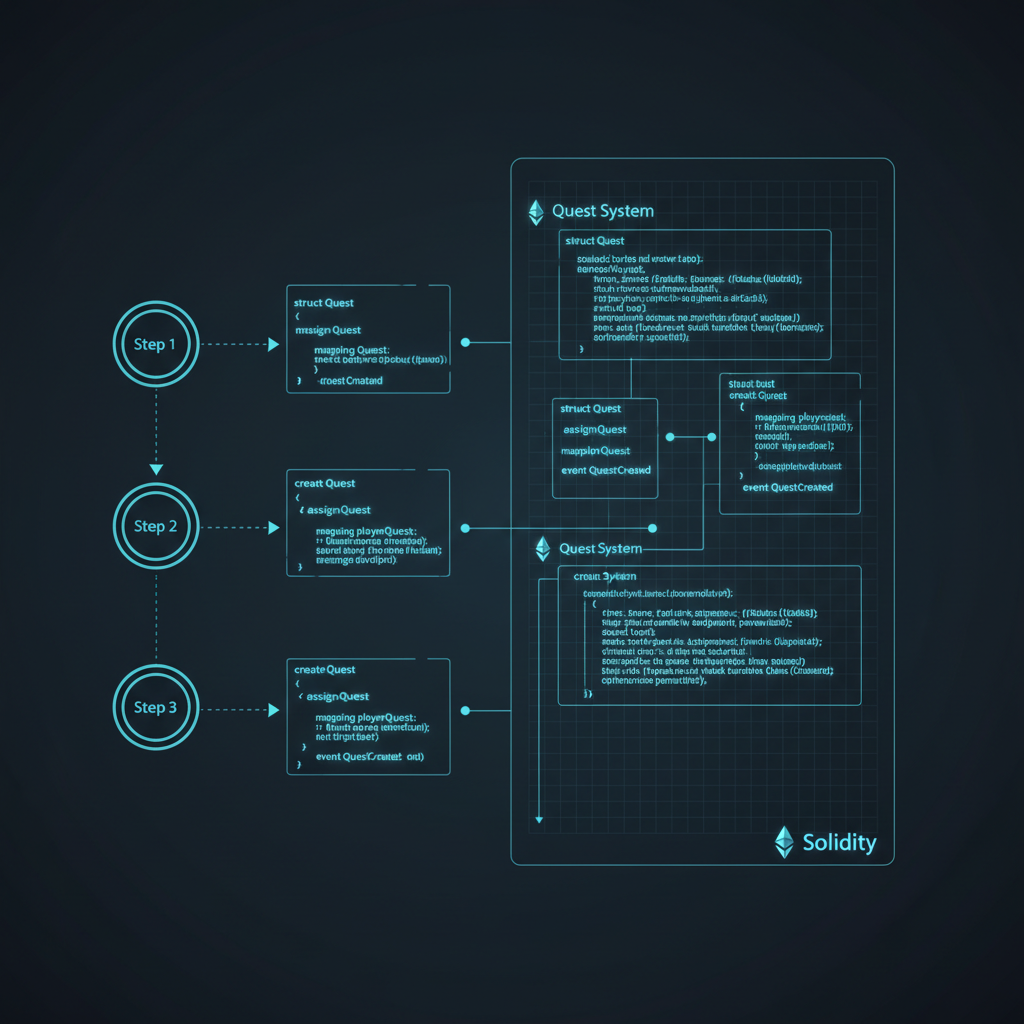
Let's get hands-on. In MUD, everything's an entity, a unique ID tied to components storing data. For a basic quest, you'd define a Quest component with fields like status (active/claimed/completed), requirements (kill count, item collection), and reward (tokens or NFTs).
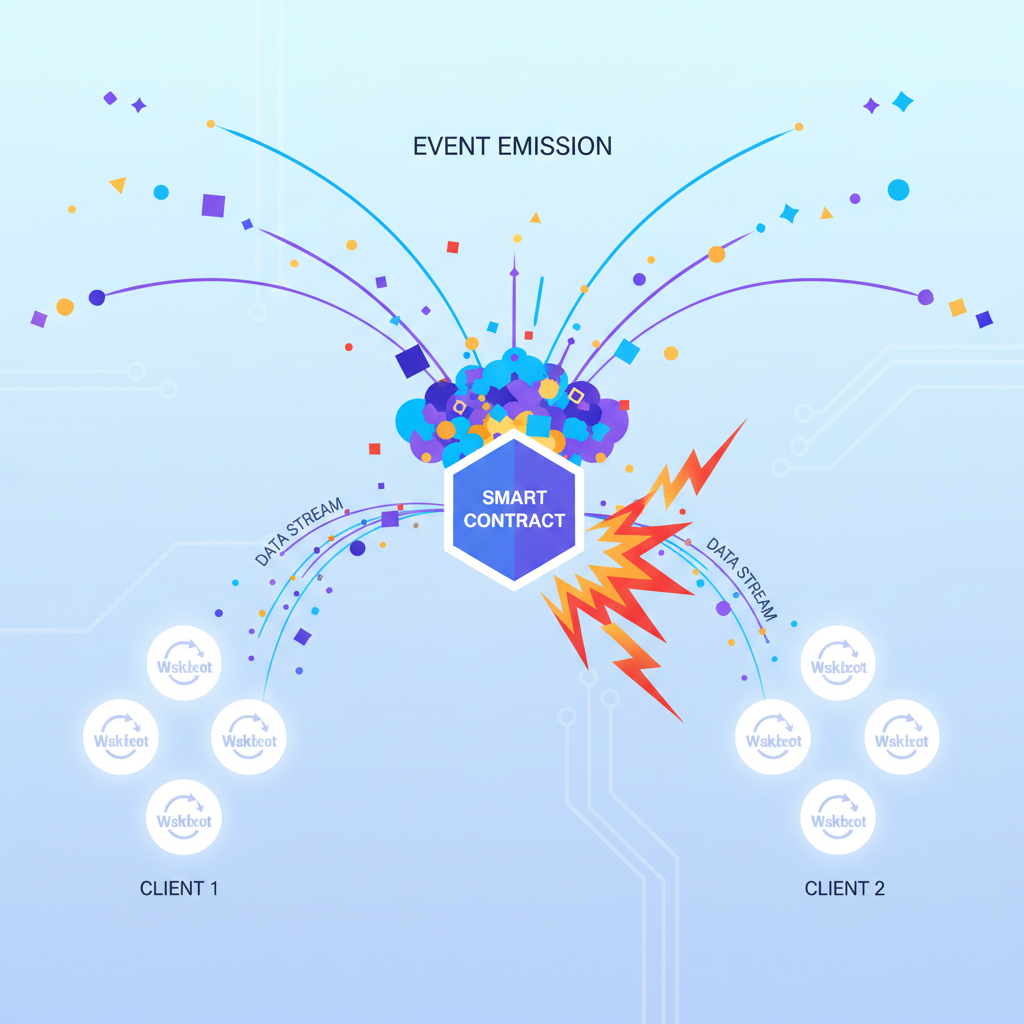
//Simplified schema in MUD component Quest { status: u8, claimant: address, progress: u64, target: u64, reward: uint256 }Systems then process these. A QuestProgressSystem checks player actions against requirements, updating via transactions. Players call claimQuest, and the world handles the rest. This setup powers MUD notification tutorials too, use events for off-chain pings, keeping players hooked without constant polling.
Compared to Dojo, MUD's Ethereum roots mean broader tooling and liquidity for rewards. Dojo's Starknet focus is cool for speed, but MUD wins on ecosystem depth. I've traded both spaces; MUD quests convert players to holders faster because everything's inspectable on Etherscan.
Kickstarting Your Quest System: Setup and First Hooks
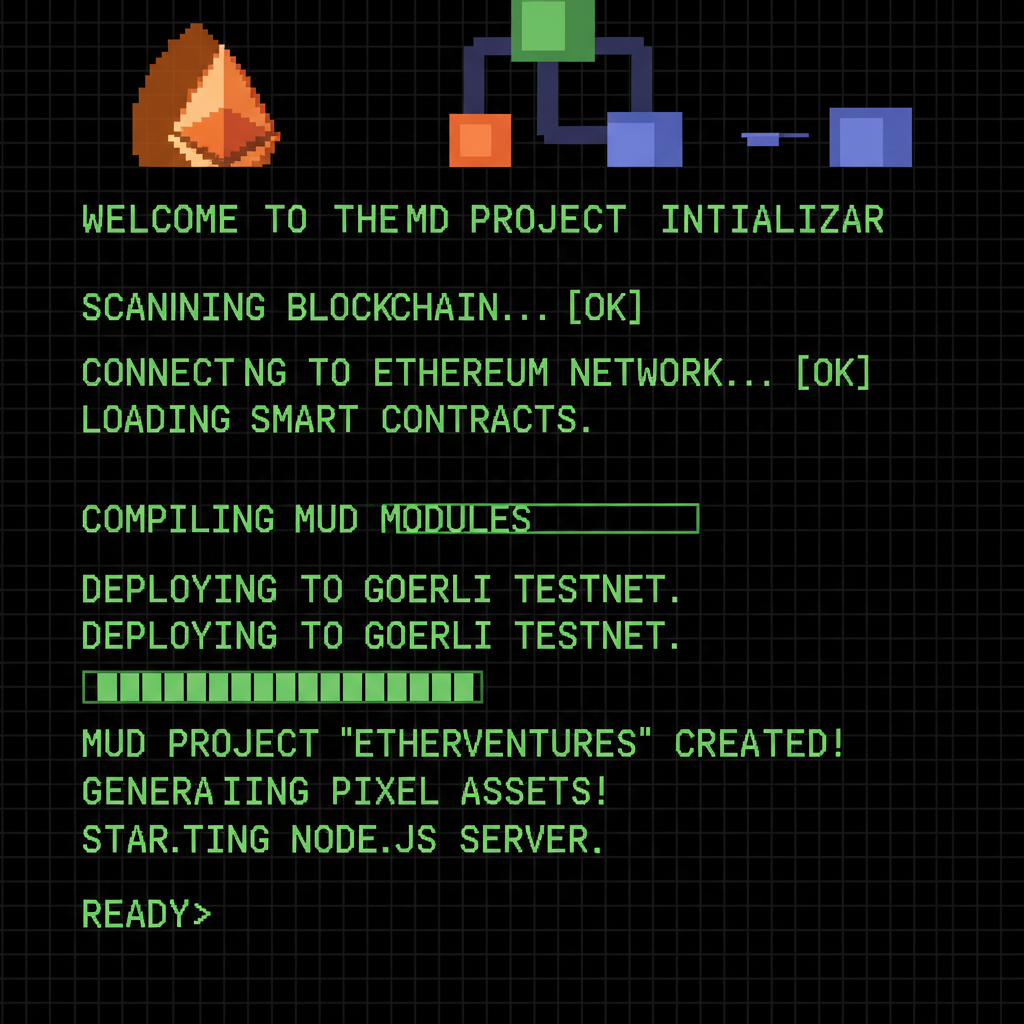
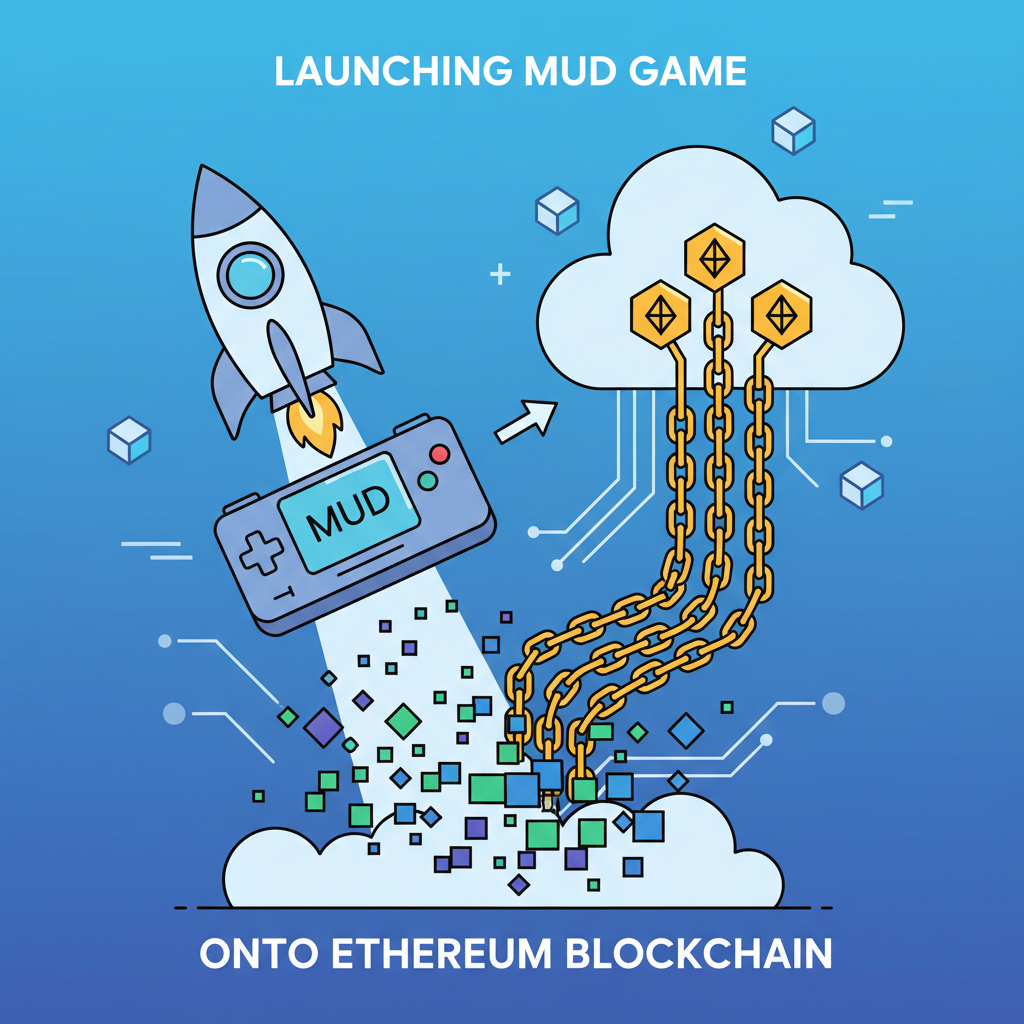
Ready to build? Scaffold a MUD world with npx realm-cli create my-quest-world, then define your tables. Link quests to player inventories using relationships, entities reference each other seamlessly.
- Define Quest component as above.
- Create Claim system: authorize via signatures for gasless entry.
- Hook progress to combat/events: on enemy death, query quest targets and increment.
This mirrors When The Mud Came's approach, where quests chain into epics. For UIs, Mud's React hooks make syncing trivial provides useEntityQuery for active quests, useComponentValue for reads. Actionable? Deploy a prototype today and iterate based on testnet feedback. Check out this step-by-step guide for the full scaffold if you're new.
Next up, we'll dive deeper into advanced triggers and scaling, but you're already ahead of most devs chasing Web2 dreams.
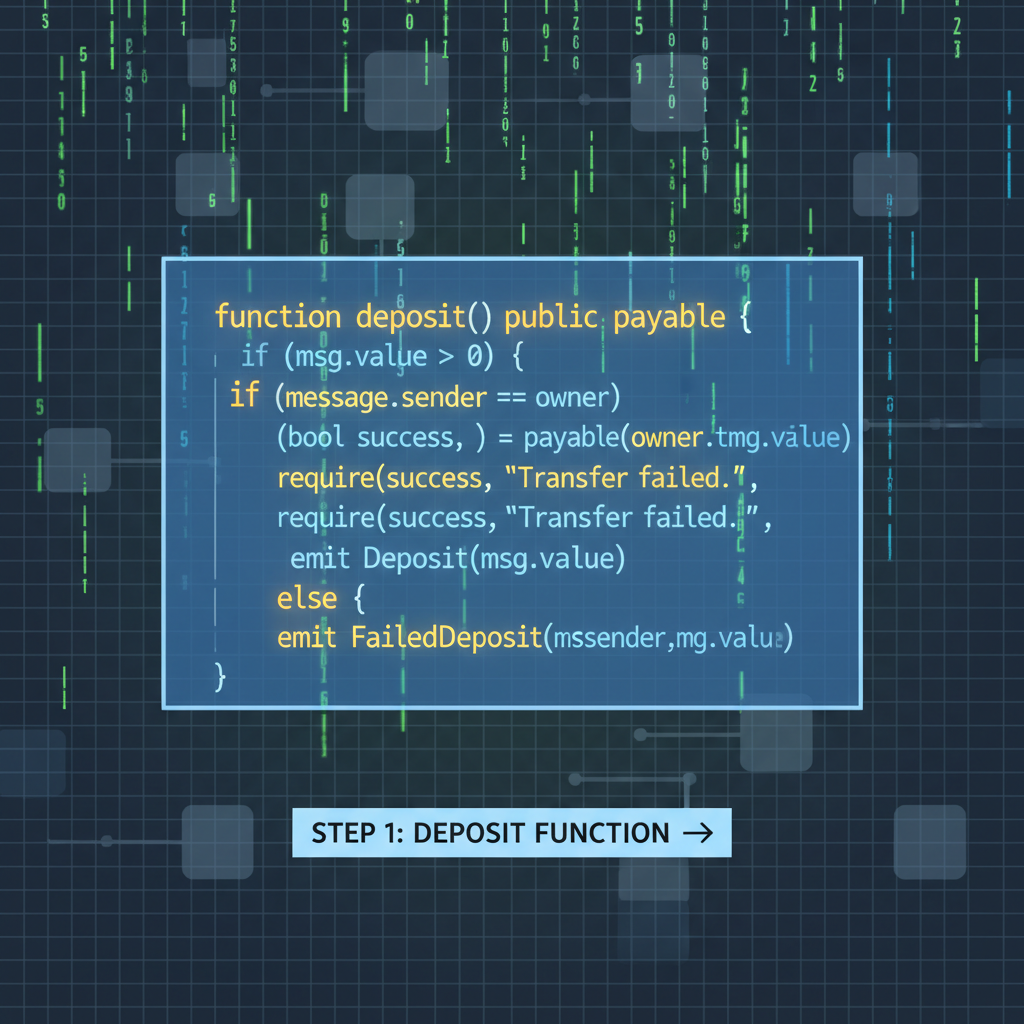
Advanced triggers turn basic quests into brain-melting experiences that feel alive. Forget linear checklists; in MUD, quests respond to chain events like a boss spawning or a faction war tipping scales. Use world hooks to listen for entity changes, firing updates only when conditions match. This powers on-chain game quests MUD devs dream of, where your side quest unlocks because someone else farmed a rare node.
Unlock Epic Quests: Master Advanced Triggers in MUD!



| Feature | MUD (Ethereum) | Dojo (Starknet) |
|---|---|---|
| Speed | Indexed queries: fast reads | Native: blazing writes |
| Liquidity | Deep DeFi pools | Growing, but thinner |
| Ecosystem | React hooks, Etherscan | Custom tooling |
| Quest Rewards | Seamless ERC-20/721 | STRK-native |
MUD edges out for Dojo vs MUD quests because Ethereum liquidity turns rewards into tradeable assets instantly. Swing trade quest-gated NFTs? That's my jam. Dojo's cheaper, sure, but MUD's maturity means fewer gotchas.
UI integration seals the deal. Grab useWatchEntityChanges for reactive lists, rendering quests with progress bars that pulse on-chain. Test with Remix or Foundry; deploy to Base for cheap mainnet vibes. When The Mud Came's frontend syncs flawlessly, proving fully on-chain interaction systems scale to polish.
- Implement event subscriptions in your React app.
- Optimize systems with setters for atomic updates.
- Launch alpha quests, farm feedback, iterate weekly.
Pro traders like me watch for MUD games spiking on quest drops; position early. Building one? You've got the blueprint. Dive into this MUD scaffold guide to polish your prototype, then unleash it on the world. Ride the MUD questing system wave, respect the gas risk, and watch your on-chain empire grow.



No comments yet. Be the first to share your thoughts!