
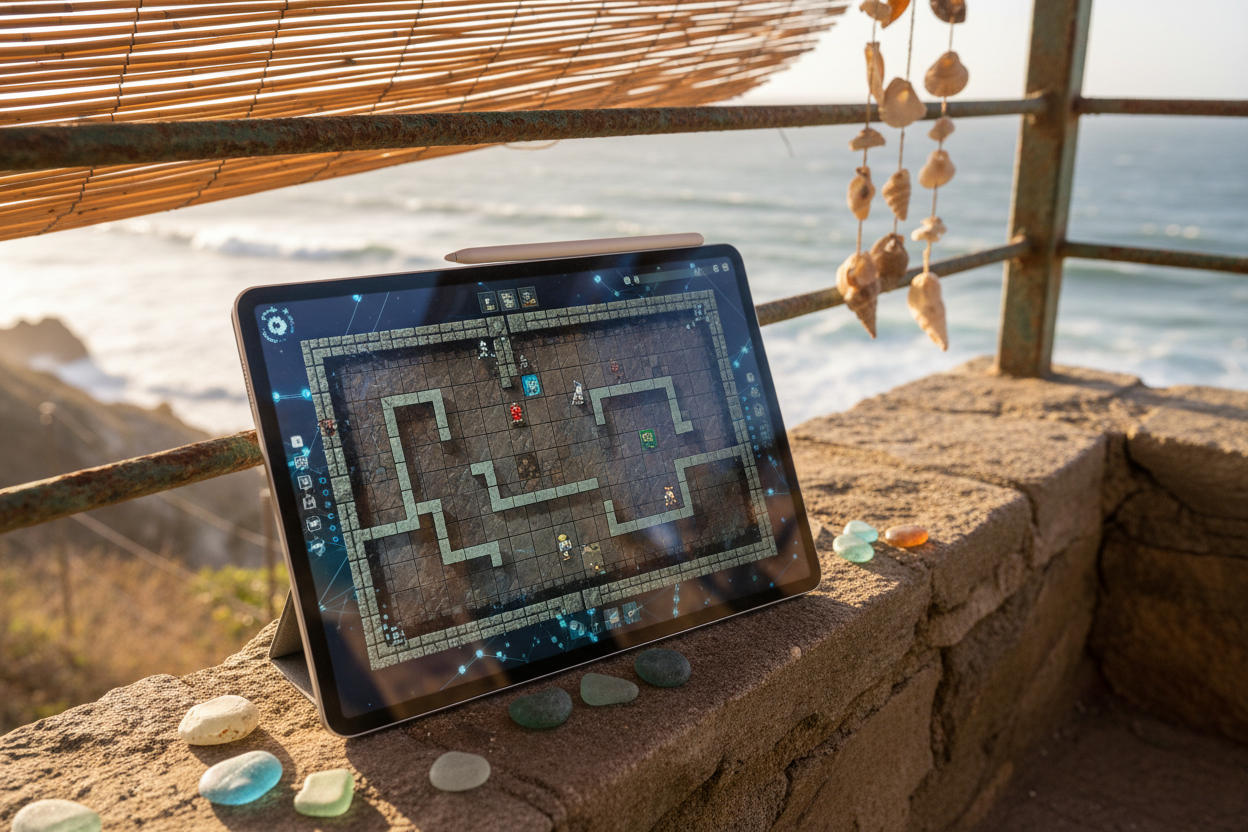
In the evolving landscape of blockchain gaming, roguelike games stand out as perfect candidates for full on-chain execution, thanks to their procedural generation, permadeath mechanics, and turn-based nature. The Mud framework elevates this further, offering developers a streamlined way to build persistent, autonomous worlds on Ethereum and L2s like Base and Starknet. As of early 2026, projects like the turn-based dungeon crawler 'Maze of Gains' built with Dojo highlight the momentum, but Mud's ECS architecture makes it especially potent for crafting intricate on-chain roguelike experiences that run entirely without off-chain servers.
Roguelikes demand replayability and fairness, qualities blockchain enforces through transparency and verifiability. Imagine a dungeon where every room, enemy spawn, and loot drop is determined by on-chain randomness, visible to all players. Mud simplifies this by abstracting Ethereum's complexities, letting you focus on game logic. Unlike traditional engines, Mud treats game state as composable entities, enabling seamless multiplayer interactions without centralized authority.
Roguelikes Meet ECS: Mud's Secret Sauce for On-Chain Depth
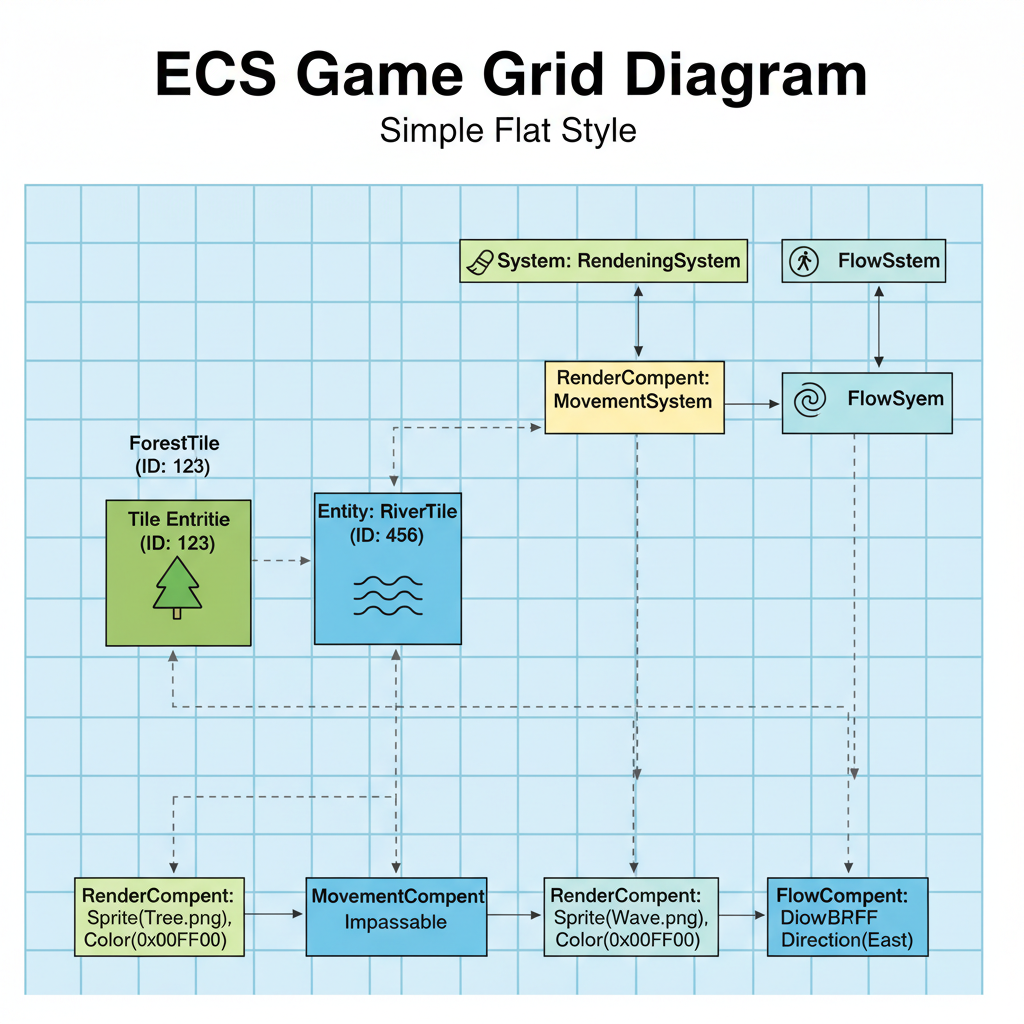
The Entity Component System (ECS) at Mud's core mirrors roguelike design principles beautifully. Entities represent game objects like heroes or goblins; components store data such as health, position, or inventory; and systems define behaviors like combat resolution or level generation. This separation scales effortlessly for on-chain constraints, where gas efficiency reigns supreme.
Consider procedural dungeons: in Mud, a worldgen system can leverage Cairo or Solidity to generate floors using seed-based algorithms, all executed on-chain. Players enter via transactions, their actions triggering systems that update the shared world state. No databases needed; everything's in the blockchain. This setup not only prevents cheating but fosters emergent gameplay, as unrelated player actions might influence distant dungeon branches.
From my vantage in financial markets turned blockchain, I've seen how Mud's protocol layer handles indexing and subscriptions efficiently, crucial for real-time roguelike feedback. It's not just hype; a November 2025 guide on building fully on-chain games with Mud laid the groundwork, now ripe for roguelike specialization.
Setting Up Your Mud Environment for Roguelike Prototyping
Getting started mirrors standard Mud workflows but tunes toward roguelike needs like turn management and randomness. First, scaffold a new project with the Mud CLI: it generates boilerplate for contracts, indexes, and client hooks. Tailor the entity models early; for a roguelike, define components for Player (with position, stats), DungeonTile (terrain type, hazards), and Item (rarity, effects).
Gas optimization is non-negotiable. Pack components densely, use uint8 for enums like enemy types, and batch updates in systems to minimize transactions. On Ethereum L2s, this keeps play sessions affordable, drawing in more adopters. Dojo's influence shines here too, as seen in 'Maze of Gains, ' blending with Mud for hybrid dojo mud on-chain games.
Integrate VRF for true randomness, piping Chainlink or native L2 oracles into your worldgen system. This ensures fair permadeath and loot, core to roguelike allure. Test locally with Anvil, then deploy to Base for low fees during iteration.
Dive into systems next. A combat system processes player inputs against enemy AI, simulated simply via dice rolls on-chain. Define it as a function that queries relevant components, applies modifiers, and emits events for frontend sync. Here's the flow: player submits move (attack, skill, flee), system validates, resolves via randomness, updates health, and checks win/loss.
This system's idempotency prevents exploits; replaying a transaction yields the same outcome. Frontend hooks via Mud's indexers render the dungeon ASCII-style or graphically, with subscriptions pushing updates live. I've prototyped similar setups, and the thrill of seeing combat resolve transparently is unmatched for ethereum l2 roguelike dev.
Link combat to exploration: successful clears unlock deeper floors, with persistent leaderboards via global entities. Scale by sharding dungeons across contracts if needed, Mud's modularity handles it. Reference the detailed Mud step-by-step guide for contract deployment nuances, adapting for roguelike persistence.
Expand this foundation by chaining systems for inventory management and permadeath. When health hits zero, a dedicated system wipes the player entity, scattering loot to nearby tiles for scavengers. This creates high-stakes tension, amplified by on-chain verifiability, where no dev can resurrect fallen heroes.
Master On-Chain Procedural Dungeons in MUD Roguelikes
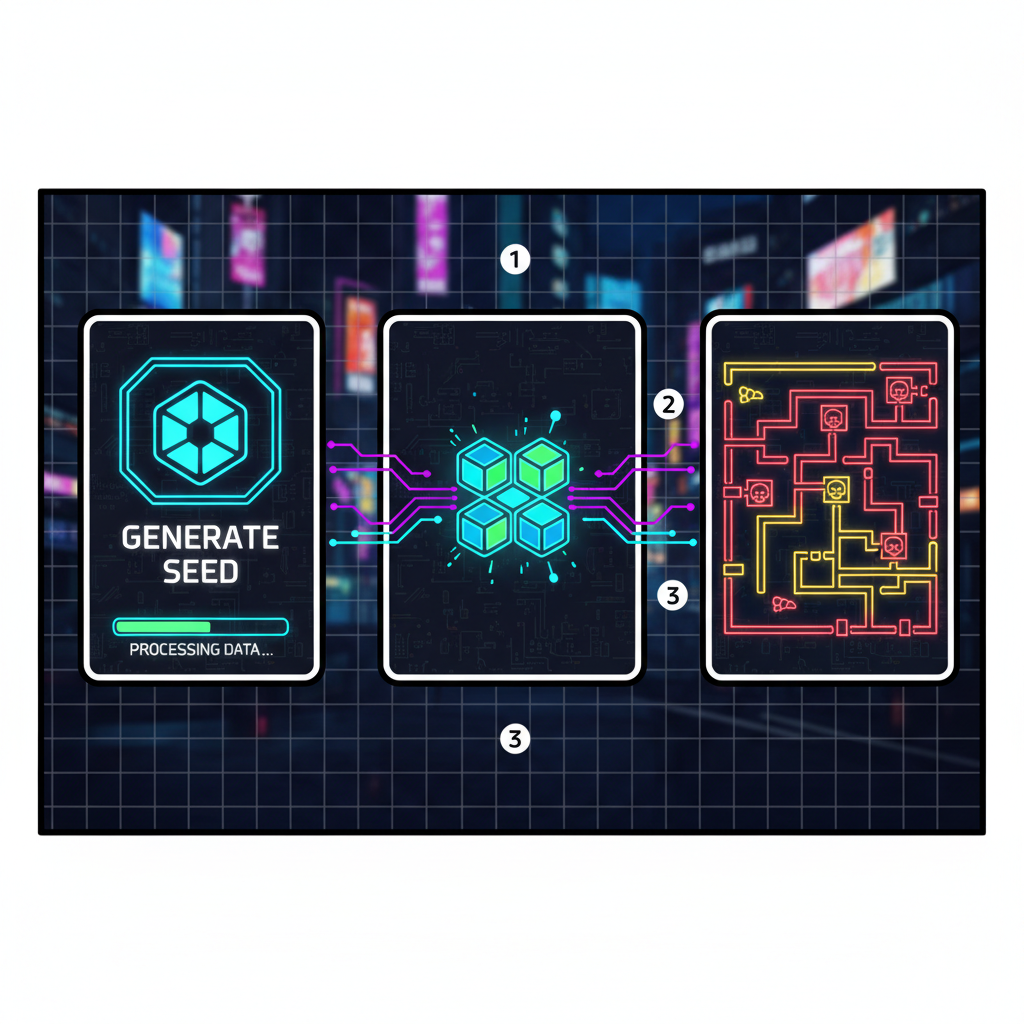
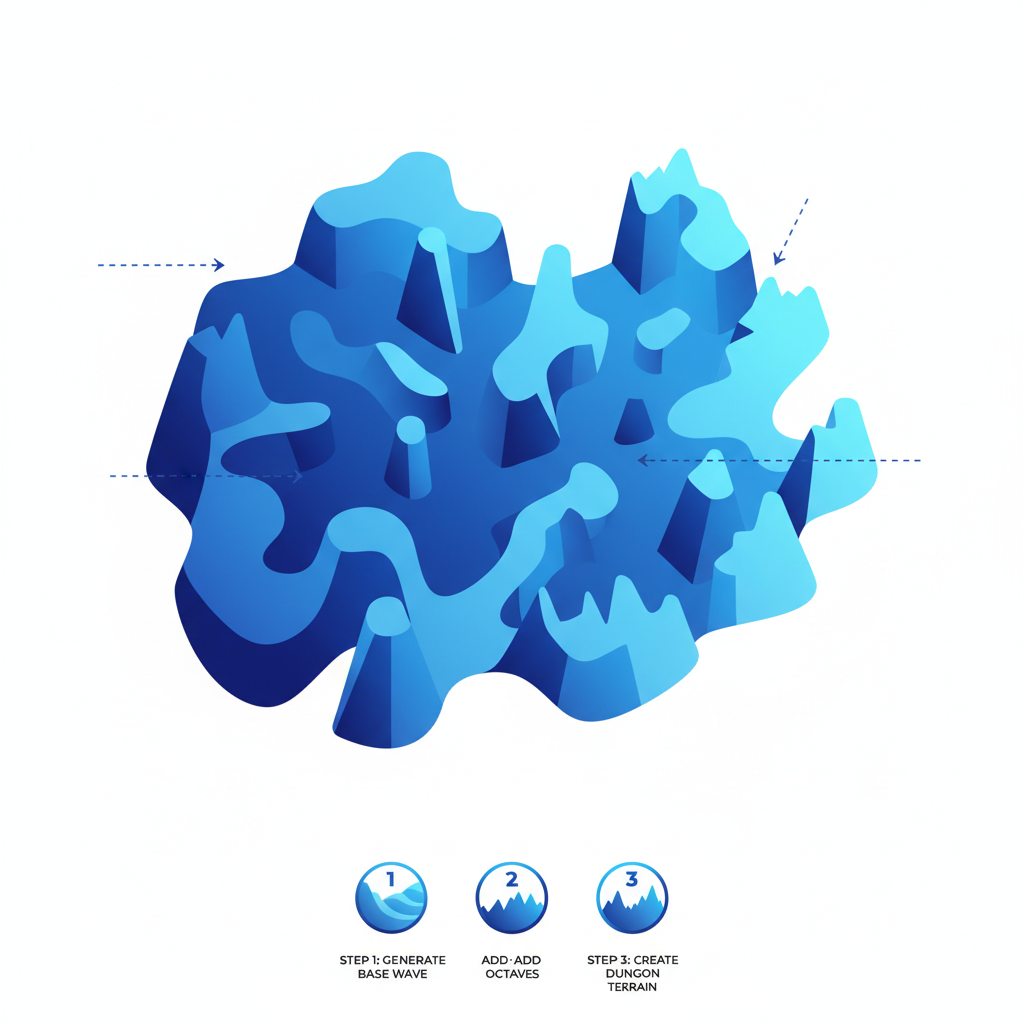
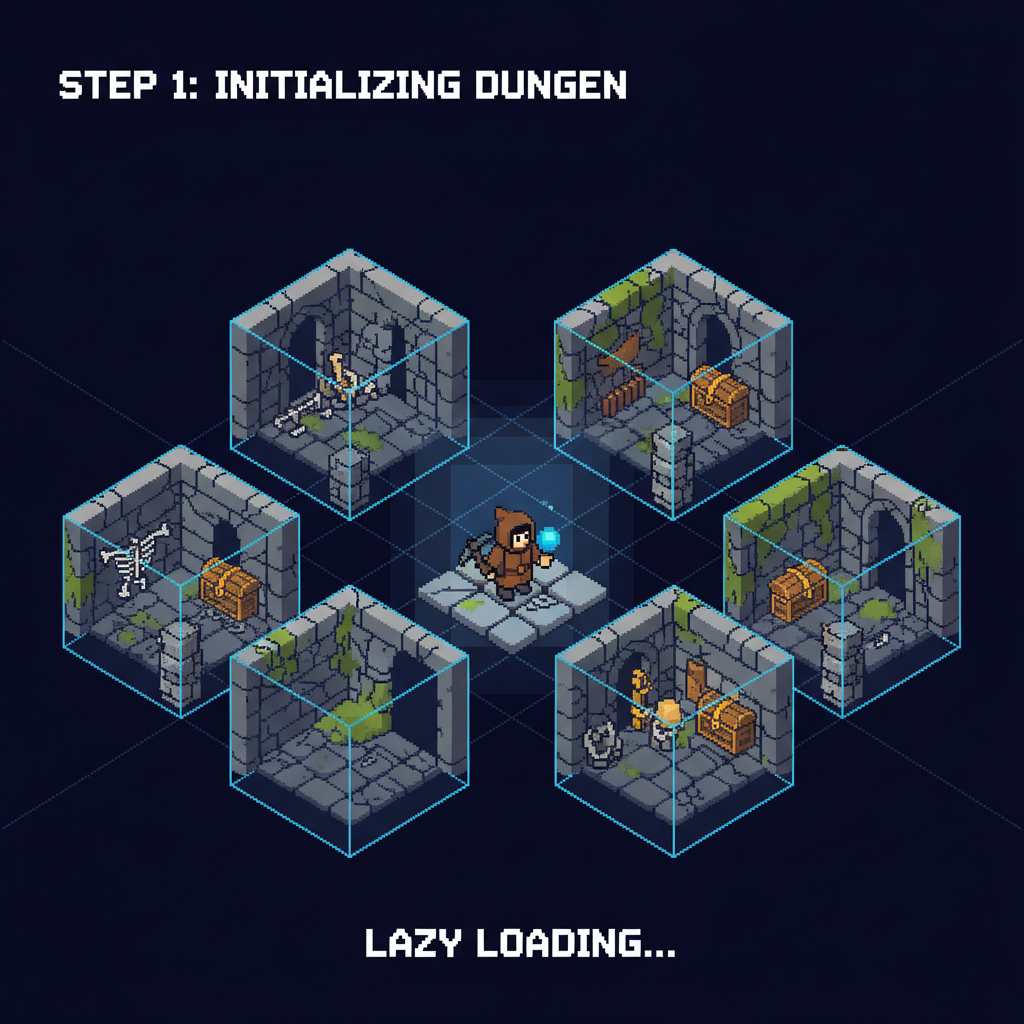
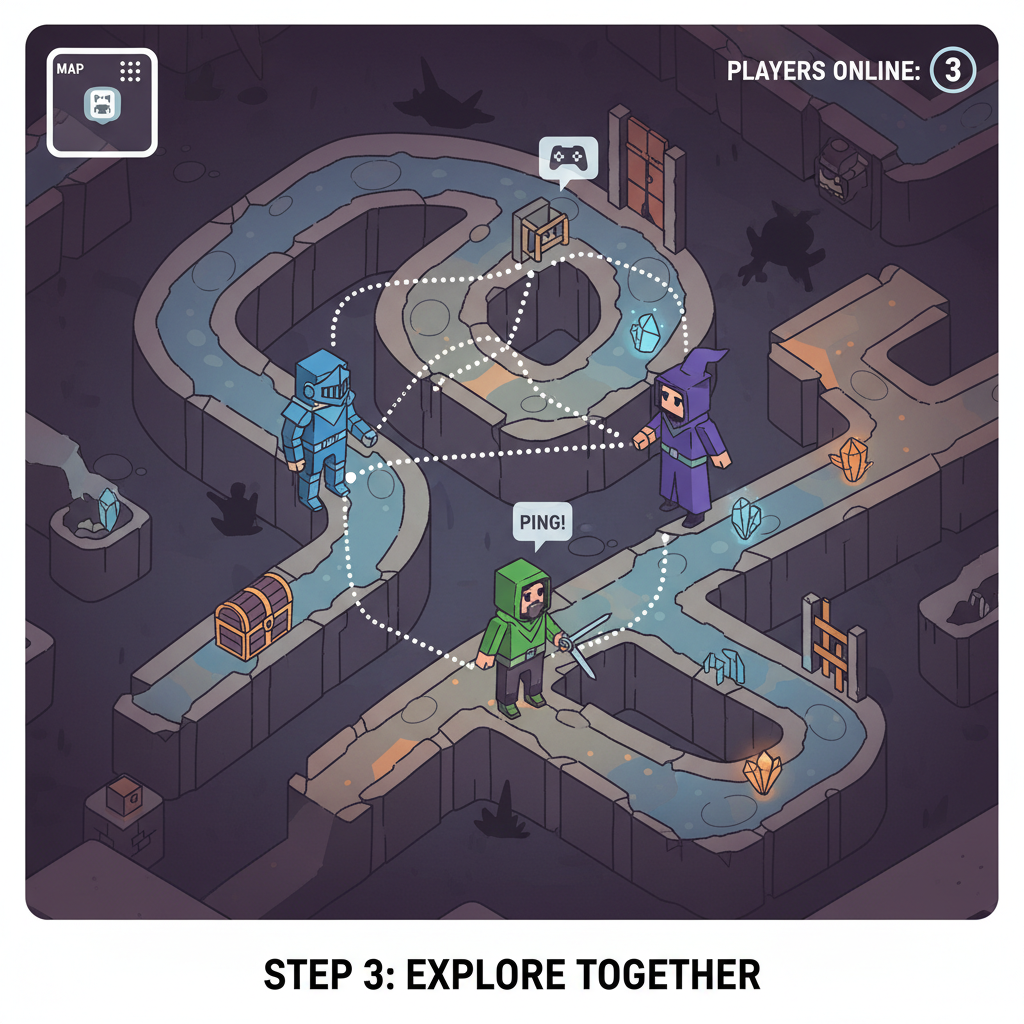
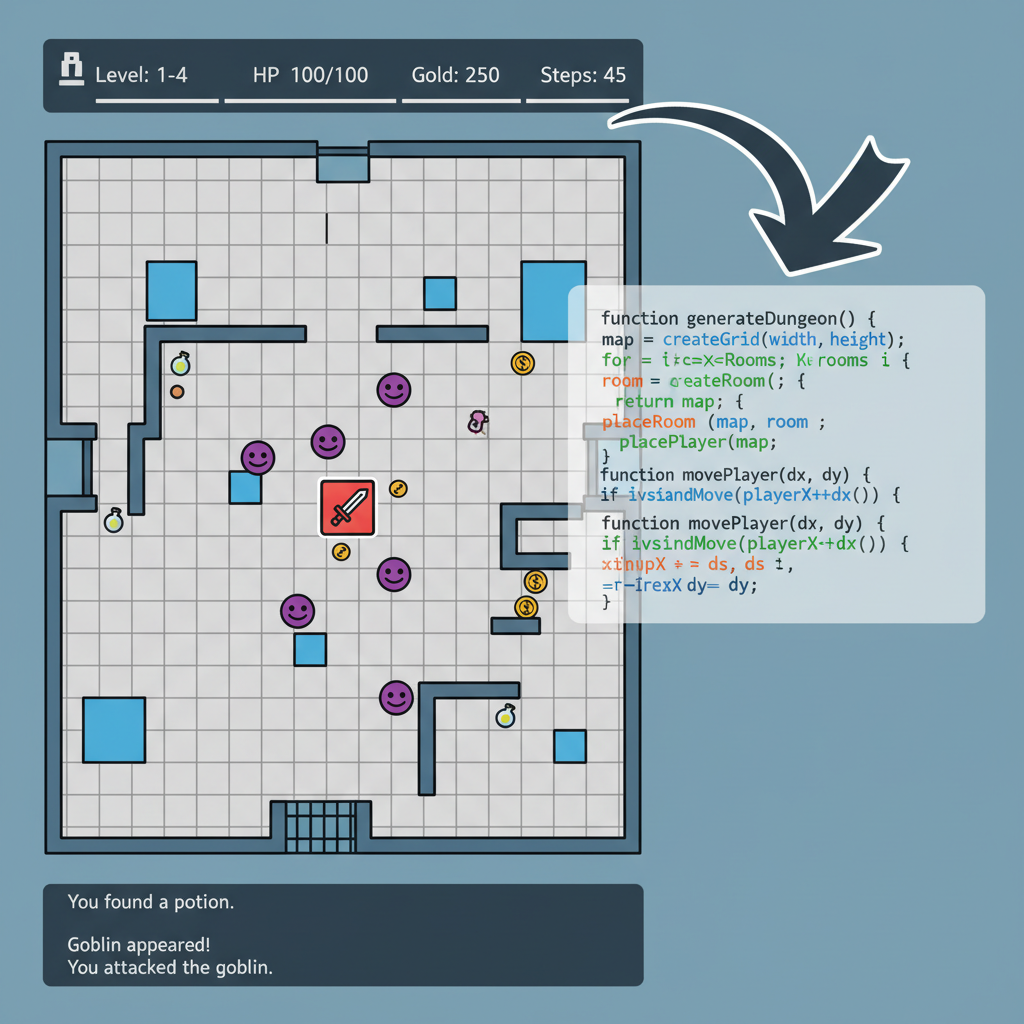
Frontend integration seals the deal. Mud's client libraries, paired with wagmi or viem, hook into world state via subscriptions. Render ASCII maps in terminal-style Canvas or full pixel art with libraries like PixiJS. Players see live updates as transactions confirm, fostering that addictive 'one more run' loop. Optimize with The Graph for queries if your roguelike balloons in scope.



Deployment, Iteration, and Beyond: Launching Your On-Chain Roguelike
Ready to ship? Compile with Foundry, deploy world contracts to Base for sub-cent fees, and index via Mud's protocol. Fund a multisig for upgrades, but design for immutability where possible, roguelikes evolve through new systems rather than patches. Monitor via Etherscan or L2 explorers; player metrics emerge organically from event logs.
Balance is art in mud framework roguelike dev. Tune drop rates empirically, watching on-chain playtests. Introduce economy layers: rare items as NFTs tradeable across dungeons, or tokens earned from runs fueling guild wars. This hooks into broader ethereum l2 roguelike dev trends, where games like KasPlay variants on MUD pave the way for arcade-roguelike hybrids.
Challenges persist, sure. Gas wars during peak hours demand foresight, and true randomness adds latency. Yet Mud's evolution, bolstered by that comprehensive November 2025 tutorial, equips you to navigate them. Start small: a single-floor prototype, iterate to infinity. The blockchain's persistence turns fleeting sessions into legendary sagas, shared eternally.
Dive in, tweak relentlessly, and watch your on-chain roguelike tutorial dreams solidify into playable worlds. Players aren't just consuming; they're co-authors in a tamper-proof saga.



No comments yet. Be the first to share your thoughts!