

Roguelike games, with their procedurally generated dungeons, permadeath mechanics, and turn-based combat, have captivated players for decades, from classics like Rogue to modern hits in communities like r/roguelikedev. Bringing this genre fully on-chain using the Mud framework unlocks unprecedented transparency and player ownership. This mud framework roguelike tutorial dives into integrating Dojo, enabling reactive components for seamless dojo on-chain roguelike development. Developers can craft fully on-chain roguelike games mud where every action persists immutably on Ethereum, fostering true decentralization.
Roguelikes Meet Immutable Worlds: Mud's On-Chain Edge
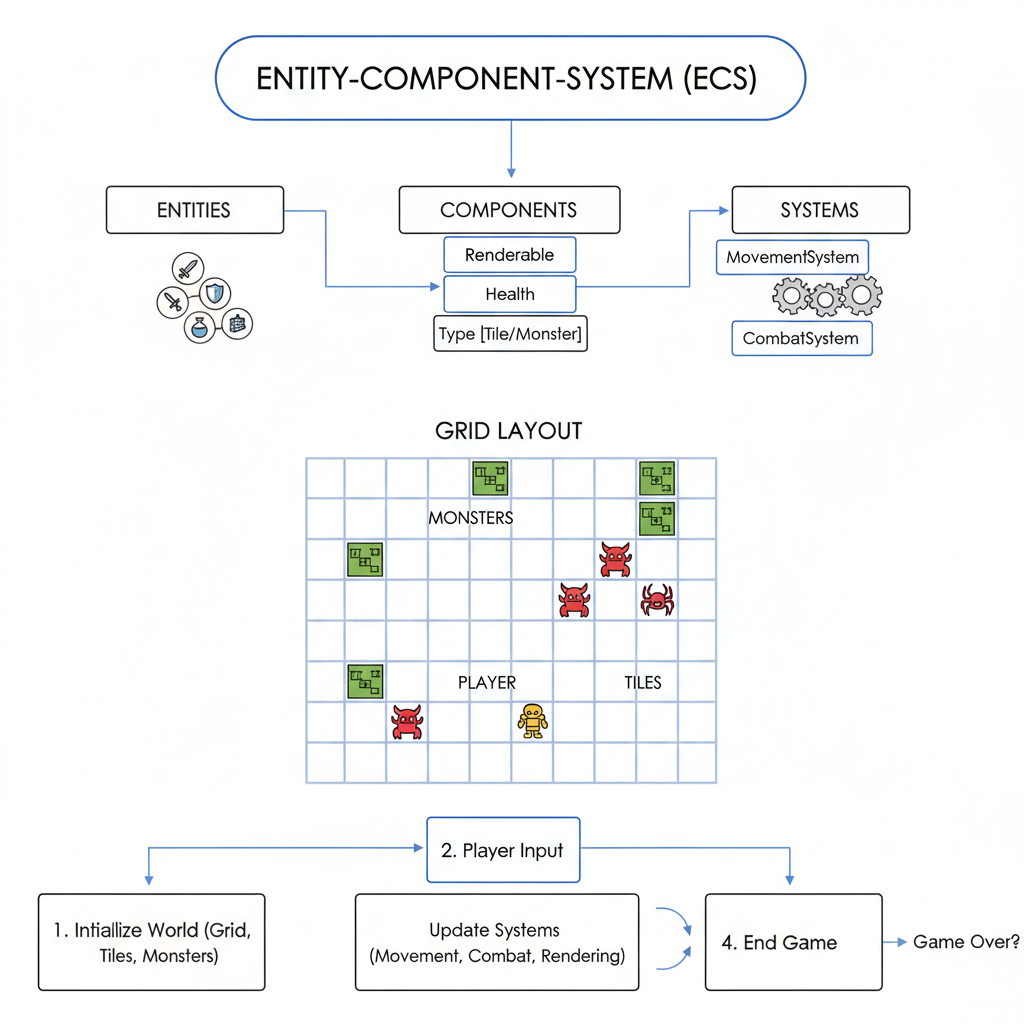
In traditional roguelikes, randomness drives replayability, but off-chain servers handle state, risking manipulation. Mud flips this by executing game logic directly on Ethereum via its entity-component-system (ECS) architecture. Every enemy spawn, loot drop, or player death becomes a verifiable transaction. This suits roguelikes perfectly: procedural generation via on-chain randomness (like Chainlink VRF) ensures fairness, while mud ethereum roguelike guide principles keep runs tamper-proof.
Consider ASCII-style roguelikes from GitHub repos like rofrol/elm-games or Unity tutorials; Mud elevates them to Web3. Player inventories as NFTs, shared dungeons across wallets, and guild-based runs emerge naturally. Data from on-chain gaming series highlights MUD and Dojo's inheritance model over OOP, reducing gas costs for complex simulations like dungeon crawling.
Project Kickoff: Scaffolding Mud for Procedural Dungeons
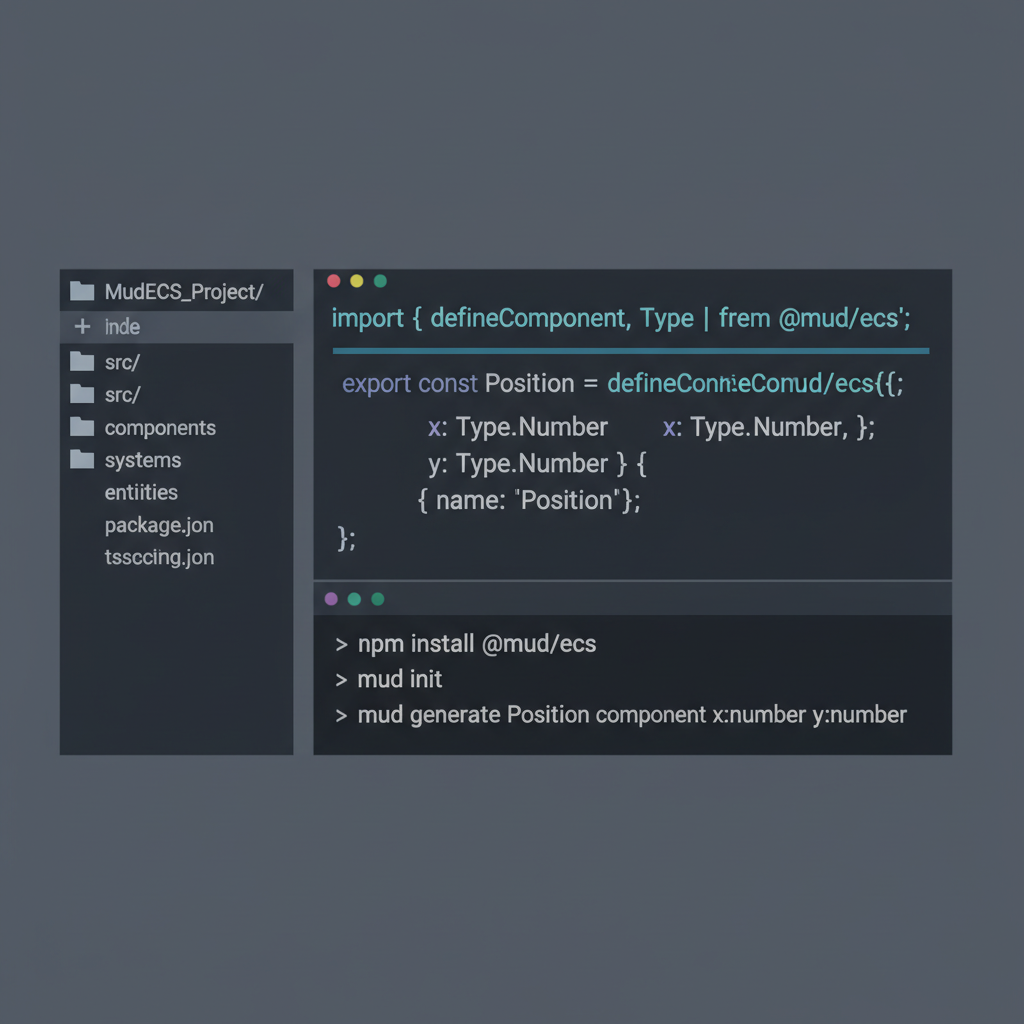
Start with a fresh Mud project to lay foundations for build roguelike mud dojo. Mud's CLI streamlines boilerplate for ECS contracts and client hooks. Assume Node. js and Foundry installed; Mud handles the rest.
First, globally install Mud: npm install -g mud. Create your roguelike: mud create roguelike-dungeon. This generates contracts in src/contracts, world config, and a Next. js client. Navigate to the directory and run yarn to install dependencies.
Define core entities: Player with position, health, inventory components. Dungeons as dynamic maps via Tile components. Mud's indexers sync state reactively, perfect for turn-based reveals. Test locally with Anvil: mud dev spins up a chain, deploys, and serves the UI.
Dojo Integration: Reactive Widgets for Dynamic Gameplay
As of February 12,2026, Dojo enhances Mud's frontend with progressive web app tools, per updated docs. Install via npm: npm install @dojo/framework. Dojo's widgets replace static React components, offering reactivity for real-time dungeon updates.
Dojo npm Installation and Basic Map Widget for Roguelikes
To integrate Dojo for frontend rendering in your Mud-based roguelike, start with the npm installation of RECS utilities. Then implement a basic widget that leverages entity queries to visualize the procedurally generated or on-chain map as a reactive ASCII grid. This approach ensures performant updates without manual polling.
### Installing Dojo RECS Packages

Install the essential Dojo RECS package to enable reactive queries and component access from your on-chain world:

```bash
npm install @dojoengine/recs
```

### Basic Roguelike Map Rendering Widget

Create `src/widgets/MapWidget.tsx` (or `.jsx` if not using TypeScript). This widget queries all tile entities, reconstructs a fixed-size grid (32x32), and renders an ASCII-style map using CSS Grid:

```javascript
import React from "react";
import { useDojo } from "../hooks/useDojo"; // Adjust path to your useDojo hook
import { useEntityQuery, getComponentValue, Has } from "@dojoengine/recs";

// Assume Position and Tile components are generated from your Dojo schema
const MapWidget = () => {
  const {
    setup: {
      world,
      components: { Position, Tile },
    },
  } = useDojo();

  const tileEntities = useEntityQuery(world, Has(Tile));

  // Fixed map size for roguelike viewport (customize as needed)
  const MAP_WIDTH = 32;
  const MAP_HEIGHT = 32;
  const grid = Array.from({ length: MAP_HEIGHT }, () => Array(MAP_WIDTH).fill(' '));

  tileEntities.forEach((entity) => {
    const pos = getComponentValue(world, entity, Position);
    const tile = getComponentValue(world, entity, Tile);
    if (pos && tile && pos.x < MAP_WIDTH && pos.y < MAP_HEIGHT) {
      // Map tile.value to ASCII: 0=floor, 1=wall, etc.
      grid[pos.y][pos.x] = tile.value === 0 ? '.' : '#';
    }
  });

  return (

      {grid.flat().map((cell, index) => (

          {cell}

      ))}

  );
};

export default MapWidget;
```

**Key Notes:**
- `Position` and `Tile` must match your Dojo world model's component definitions (e.g., `Tile { value: u8 }` for tile types).
- The query `Has(Tile)` fetches all relevant entities efficiently.
- Grid reconstruction happens reactively on world state changes.
Mount the `
Develop reusable widgets: a MapWidget for grid visualization, PlayerWidget for stats. Leverage Dojo's state management for game loops; player moves trigger contract calls, syncing via Mud's transport. Routing handles views like character select to dungeon dive. Add i18n for global accessibility, ensuring roguelikes reach beyond English speakers.
State flows like this: Widget observes Mud store, renders ASCII grid (inspired by r/roguelikedev ASCII goals). User inputs queue transactions; Dojo diffs update UI instantly. This hybrid yields low-latency feel despite on-chain latency, outperforming pure client-side as in scavengers Unity tutorial.
Next, wire ECS contracts. Define IWorld with systems for movement, combat. Example Player component:
//Simplified Solidity component Player { uint32 x; uint32 y; uint32 health; }Systems process turns atomically, preventing exploits. Gas optimization via batching suits roguelike depth.
Batch multiple actions per turn, like moving and attacking, into a single transaction to keep costs under 200k gas even for sprawling levels. This precision engineering makes fully on-chain roguelike games mud viable, unlike bloated OOP models critiqued in on-chain gaming analyses.
Procedural Dungeons: On-Chain Randomness Meets Grid Generation
Roguelikes thrive on unpredictable layouts, but on-chain demands determinism with flair. Integrate Chainlink VRF for verifiable randomness; request seeds on dungeon entry, then hash them into tile placements. Mud's ECS shines here: spawn Dungeon entity with MapComponent array, populated via a GenerateDungeon system. Tiles hold types (wall, floor, enemy) as enums, queryable by position.
On-Chain Procedural Dungeon Mastery: Mud ECS + Chainlink VRF
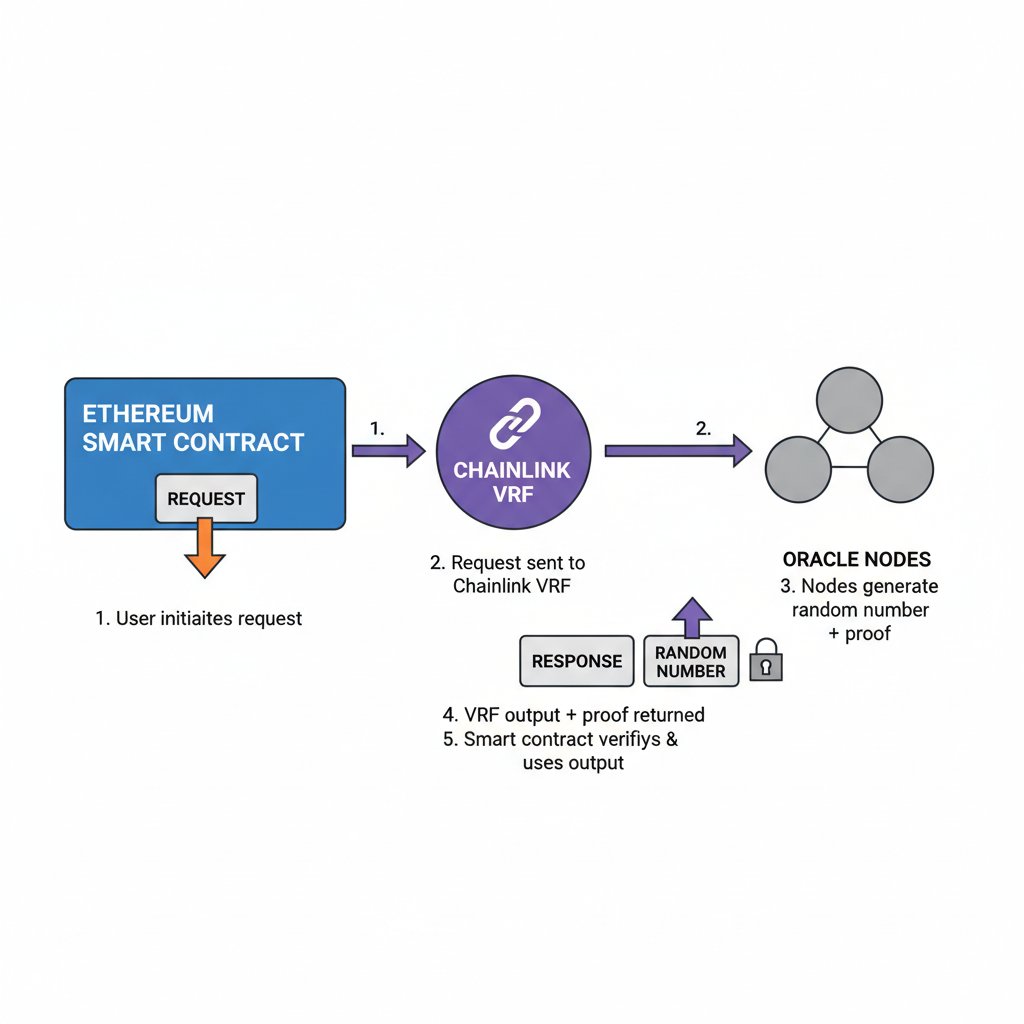
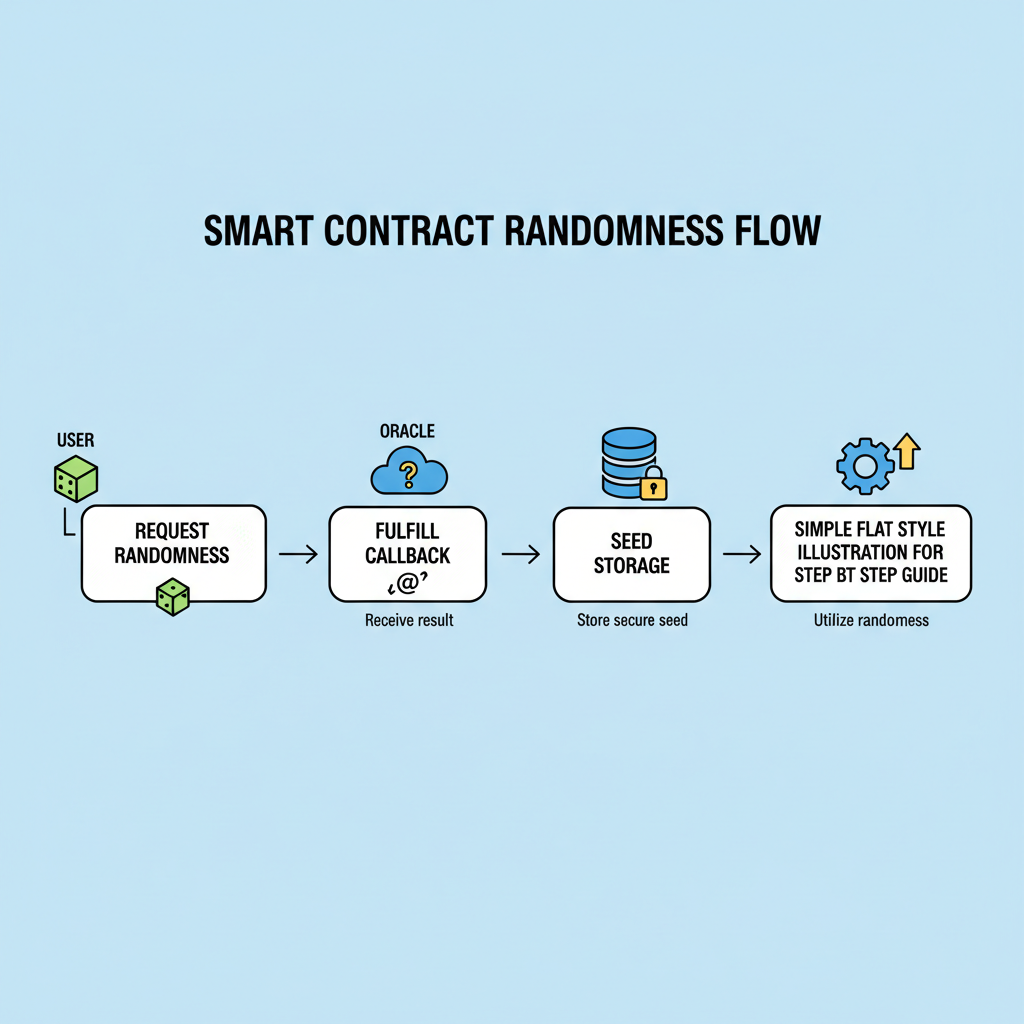
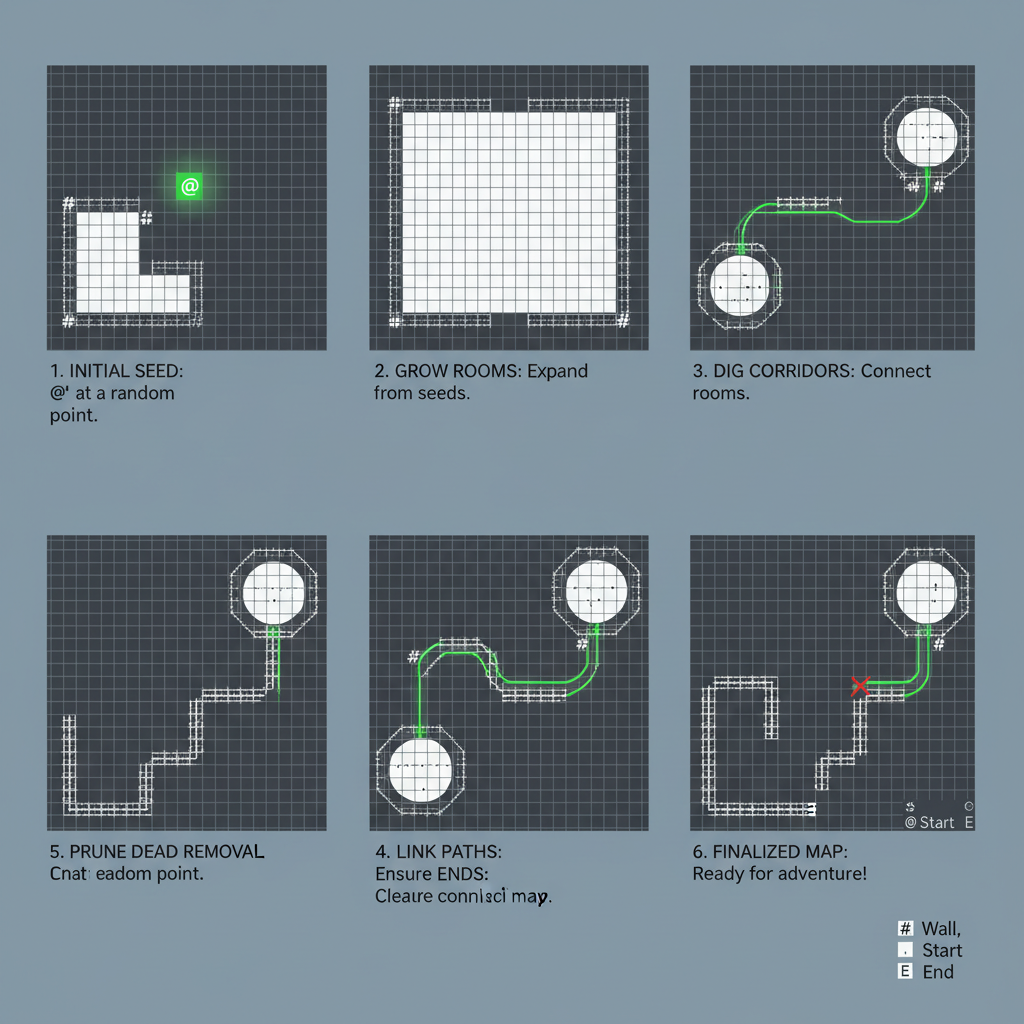
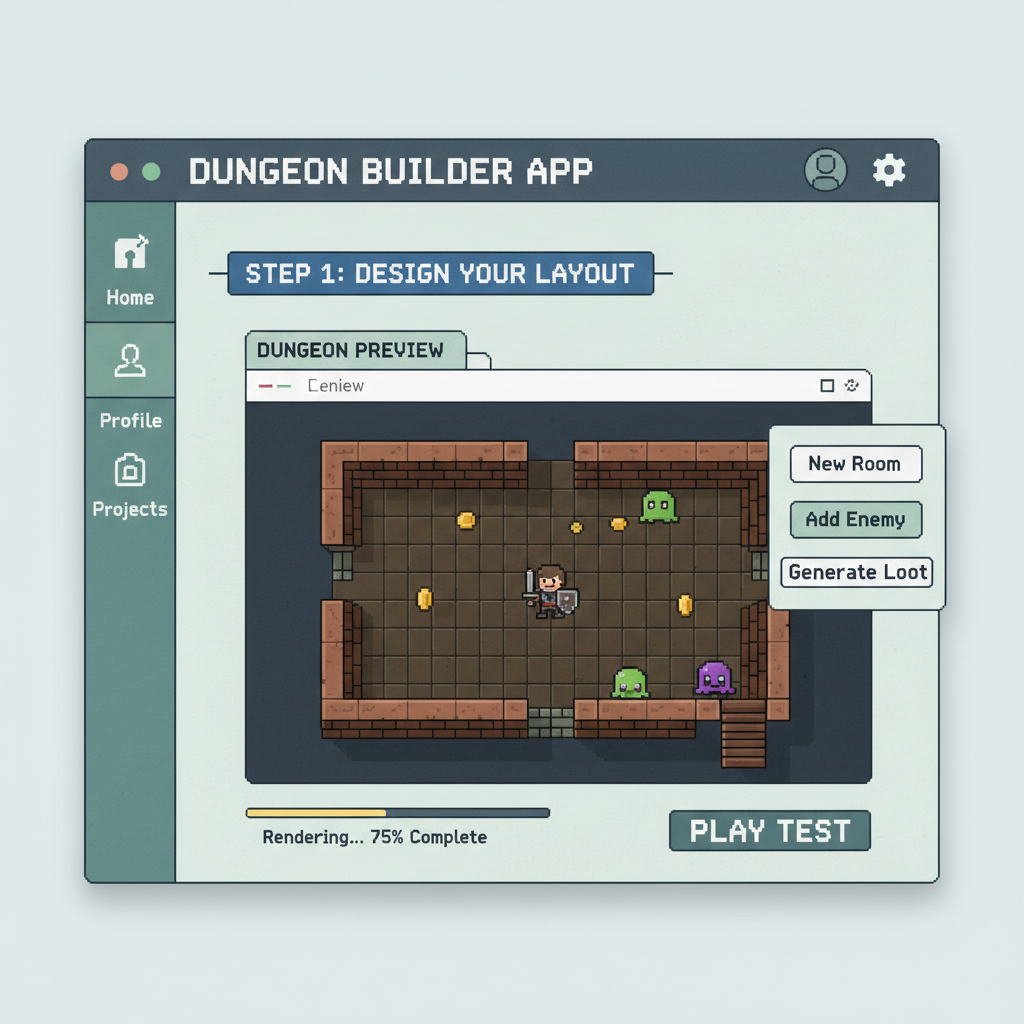
This approach mirrors ASCII roguelikes from r/roguelikedev prototypes but anchors them immutably. Players verify fairness post-run, boosting trust in competitive leaderboards. Gas spikes during generation? Mitigate with lazy loading: reveal tiles turn-by-turn, syncing via Dojo widgets.
Combat Loops: Turn-Based Systems with Dojo Reactivity
Core to any mud framework roguelike tutorial, combat demands atomic resolution. Define CombatSystem: fetch player and foe components, compute damage via dice rolls (pseudo-random from blockhash), update health. Permadeath triggers InventoryTransfer to a vault contract, minting run artifacts as NFTs.
CombatSystem.sol: Turn-Based Combat with Damage Calculation and Permadeath
In the Mud framework, the CombatSystem smart contract orchestrates turn-based interactions central to roguelike gameplay. It processes player attacks followed by enemy retaliation, computes damage analytically (attack minus defense, with a minimum of 1 to avoid stalemates), updates health components precisely, and enforces permadeath by flagging defeated players as non-alive—ensuring no respawns and preserving game challenge.
```solidity
// SPDX-License-Identifier: MIT
pragma solidity ^0.8.19;

import {System} from "@latticexyz/world/src/System.sol";
import {IWorld} from "@latticexyz/world/src/IWorld.sol";
import {ResourceId, WorldResourceIdLib} from "@latticexyz/world/src/WorldResourceIdLib.sol";

// Assume codegen imports for tables and components
// import {PlayerTable, EnemyTable, Health, Attack, Defense, IsAlive} from "../codegen/Tables.sol";

contract CombatSystem is System {
    /// @param playerEntity The entity ID of the player
    /// @param enemyEntity The entity ID of the enemy
    function executeCombat(bytes32 playerEntity, bytes32 enemyEntity) public {
        // Player's turn: attack enemy
        uint256 playerAttack = Attack.get(world(), playerEntity); // Simplified component access
        uint256 enemyDefense = Defense.get(world(), enemyEntity);
        uint256 damageToEnemy = _calculateDamage(playerAttack, enemyDefense);

        uint256 enemyHealth = Health.get(world(), enemyEntity);
        enemyHealth = enemyHealth > damageToEnemy ? enemyHealth - damageToEnemy : 0;
        Health.set(world(), enemyEntity, enemyHealth);

        if (enemyHealth == 0) {
            IsAlive.set(world(), enemyEntity, false);
            // Enemy defeated; optionally emit event or delete entity data
            return;
        }

        // Enemy's turn: retaliate against player
        uint256 enemyAttack = Attack.get(world(), enemyEntity);
        uint256 playerDefense = Defense.get(world(), playerEntity);
        uint256 damageToPlayer = _calculateDamage(enemyAttack, playerDefense);

        uint256 playerHealth = Health.get(world(), playerEntity);
        playerHealth = playerHealth > damageToPlayer ? playerHealth - damageToPlayer : 0;
        Health.set(world(), playerEntity, playerHealth);

        if (playerHealth == 0) {
            // Permadeath: mark player as dead and clear entity (prevents respawn)
            IsAlive.set(world(), playerEntity, false);
            // In a full implementation, delete player table row or emit permadeath event
        }
    }

    /// @dev Calculates damage as max(1, attack - defense) for balanced roguelike combat
    function _calculateDamage(uint256 attack, uint256 defense) internal pure returns (uint256) {
        return attack > defense ? attack - defense : 1;
    }
}
```
This implementation leverages Mud's ECS model, where entities reference components like Health, Attack, Defense, and IsAlive via codegen tables. The sequential turn logic mirrors classic roguelikes, while permadeath integrates with Dojo for client-side UI updates, triggering game over states or leaderboard submissions.
Dojo elevates the frontend: CombatWidget subscribes to entity changes, animating clashes with CSS transitions. State diffs propagate instantly, creating responsive feel amid Ethereum's confirmation delays. Opinion: this setup outperforms Unity roguelike tutorials like scavengers; no server cheaters, pure player agency.
Accessibility matters in dojo on-chain roguelike development. Dojo's i18n widgets translate UI strings; keyboard nav suits turn-based precision. Test edge cases: high-latency networks, mobile wallets. Mud's devchain exposes quirks early.
Deployment and Scaling: From Local to L2 Live
Deploy contracts via Foundry: forged script deploy --rpc-url $RPC_URL --private-key $PK, then index on The Graph or Subgraph for queries. Migrate to OP Stack L2s for sub-cent gas; Mud supports seamless bridging. Client-side, build Dojo app: dojo build outputs optimized bundle.
Monitor with Etherscan; analytics reveal popular builds, informing balances. Communities like GitHub's roguelike-tutorial repos inspire expansions: guilds as multisigs, shared seeds for co-op runs. Scale via sharding: multiple dungeon worlds in parallel contracts.
Risks persist: frontrunning on popular seeds demands commit-reveal. Yet Mud's transparency mitigates; players audit code pre-play. This mud ethereum roguelike guide positions your project amid rising on-chain demand, where roguelikes evolve from solo grinds to communal legends. Dive in, iterate, and watch your dungeon empire grow transaction by transaction.



No comments yet. Be the first to share your thoughts!