

In the dim glow of 1970s university mainframes, Multi-User Dungeons (MUDs) emerged as pioneering text-based worlds where players forged alliances, battled foes, and built legacies that persisted beyond logouts. These classic MUD games captivated early adopters with their infinite replayability and social depth, but server dependencies often led to vanished realms. Fast-forward to today, and blockchain technology breathes new life into this heritage through frameworks like MUD and Dojo, enabling persistent on-chain MMORPG experiences where every action etches permanently into the ledger.
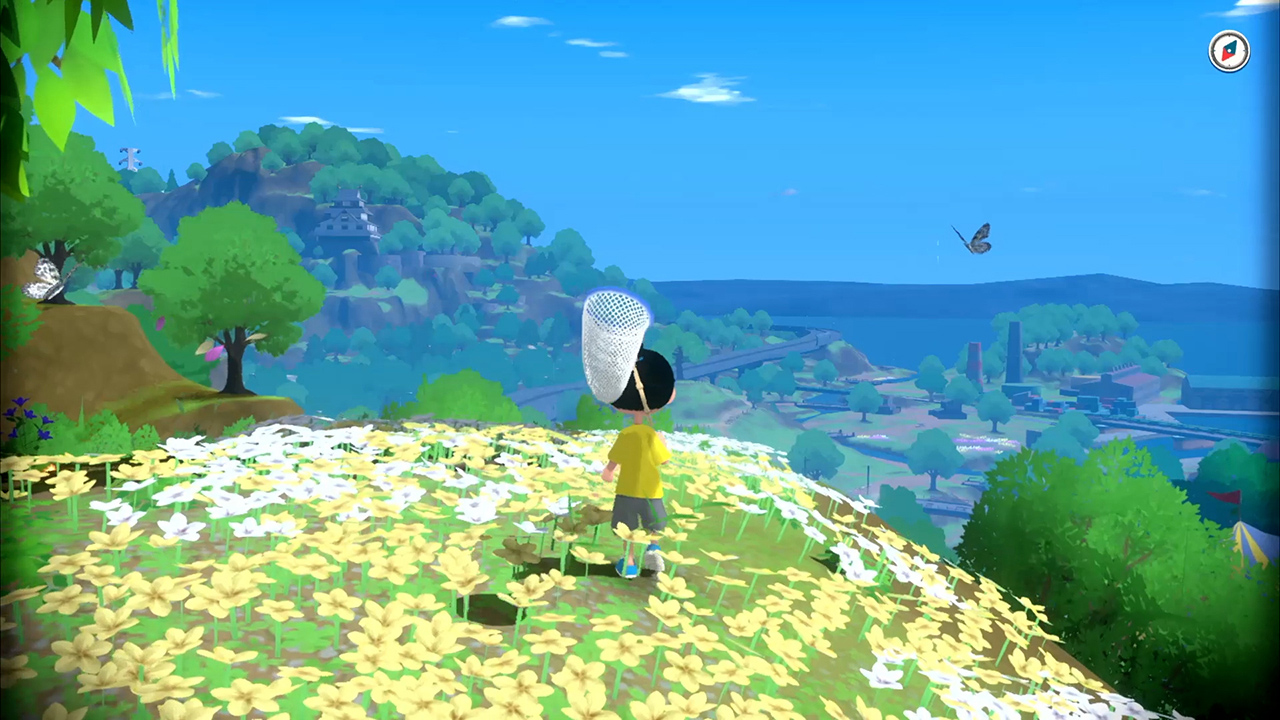
The convergence of blockchain MUD games with modern infrastructure addresses longstanding pain points: centralization risks and impermanent states. MUD, launched by Lattice in 2022, streamlines Ethereum-based development, while Dojo, debuting in 2023 on Starknet, champions composability and provability. Together, they form the backbone for MUD framework on-chain games and Dojo fully on-chain worlds, as evidenced by titles like Loot Survivor and Sky Strife.
The Enduring Appeal of Persistent Worlds
Classic MUDs thrived on persistence; players returned to unchanged landscapes shaped by collective actions. Yet, off-chain servers meant fragility, one outage, and history evaporated. Blockchain flips this script by decentralizing state management. In fully on-chain paradigms, game logic, assets, and histories reside immutably on-chain, fostering true ownership and tamper-proof narratives.
This shift resonates in recent projects. Loot Survivor and Realms: Eternum within the Loot ecosystem leverage MUD to keep all gameplay on-chain, nurturing secondary markets and modding communities. Lattice's Sky Strife pushes boundaries further, turning real-time strategy into high-stakes PvP where transactions dictate outcomes. These aren't gimmicks; they're proof that persistent on-chain MMORPG designs can scale without compromising integrity.
In my analysis, this persistence isn't just technical, it's economic. Players invest time and tokens knowing their contributions endure, driving retention rates that dwarf traditional MMOs.
Unpacking MUD: Ethereum's Engine for Autonomous Realms
MUD stands out as an open-source framework tailored for ambitious Ethereum applications. At its core lies an Entity-Component-System (ECS) architecture, tackling three pivotal hurdles in on-chain game dev: bloated contracts, query inefficiencies, and world synchronization. Developers write familiar code, React for frontends, TypeScript for logic, that compiles to optimized bytecode, slashing gas costs by up to 90% in benchmarks.
MUD Key Features
- ECS Architecture: Modular Entity-Component-System design for scalable on-chain game logic.
- Gas-Efficient Indexing: Optimizes data queries and storage to reduce Ethereum gas costs.
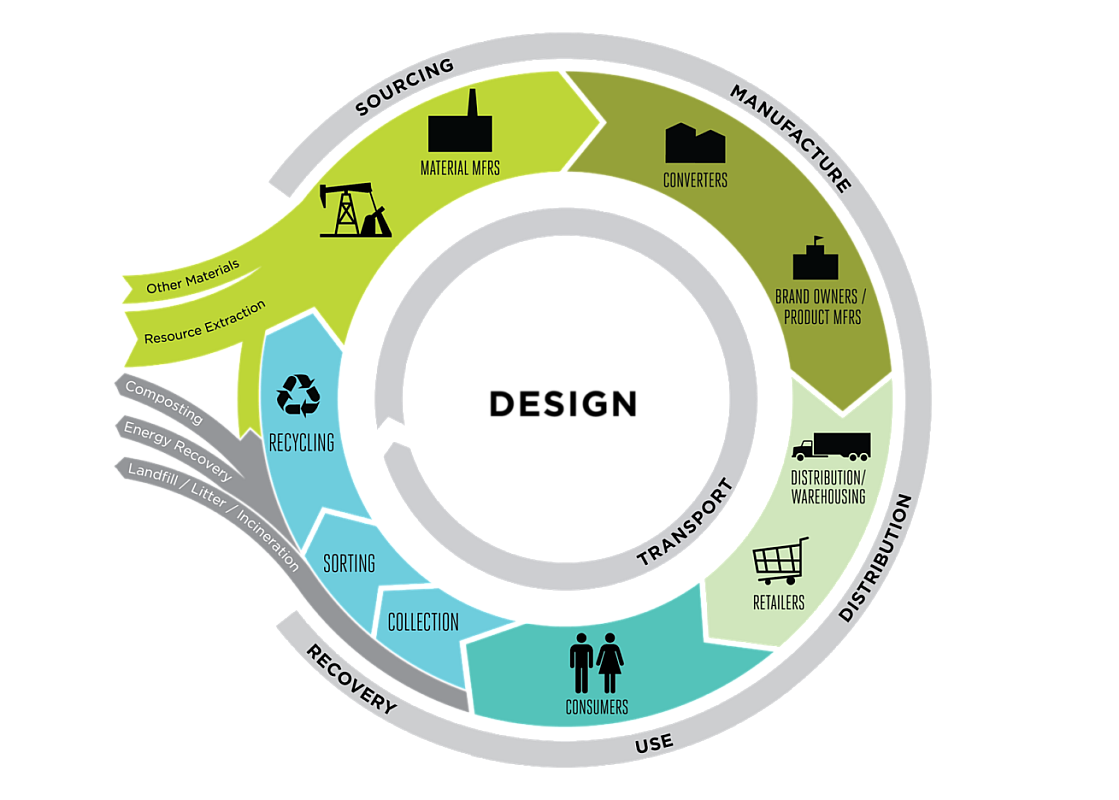
- Seamless React Integration: Direct frontend hooks for building dynamic UIs with React.
- Ethereum L2 Compatibility: Native support for Layer 2 rollups like Optimism and Base.
Consider the workflow: Define entities (players, items), attach components (health, position), and script systems (combat, movement). MUD's indexer auto-generates queries, enabling fluid UIs that rival Web2. For those eyeing hands-on, resources abound for deeper dives, such as this practical guide.
Opinionated take: MUD's strength lies in its developer ergonomics. Traditional Solidity forces contortions around storage slots; MUD abstracts this, letting creativity flourish. Lattice's vision of "autonomous worlds": self-sustaining via on-chain rules, positions it as the gold standard for Ethereum builders.
Dojo's Starknet Supremacy: Composability Meets Provability
Complementing MUD, Dojo harnesses Starknet's zero-knowledge prowess for parallel execution and low fees. Its ECS model mirrors MUD's but optimizes for provable computation, where game states yield cryptographic proofs. This enables massive concurrency, think thousands of agents simulating economies without bottlenecks.
Dojo by Example on GitHub offers curated templates, from turn-based tactics to open worlds. Realm of Pepe exemplifies fusion with flow payments, blending accessibility with full on-chain fidelity. Starknet's native parallelism suits Dojo fully on-chain worlds, outpacing Ethereum in throughput while maintaining verifiability.
From a risk-averse lens, Dojo's provability mitigates oracle dependencies plaguing hybrids. Every outcome is auditable, aligning with transparent ecosystems I advocate. Pairing it with MUD via cross-chain bridges hints at interoperable metaverses, though L2 fragmentation warrants caution.
These frameworks don't merely port MUDs; they evolve them into verifiable, player-owned universes ripe for Web3 innovation.
Real-world deployments underscore this evolution. Sky Strife exemplifies MUD's prowess in real-time PvP, where players command fleets in Ethereum L2s, each maneuver a confirmed transaction fueling emergent strategies. Meanwhile, Dojo powers experiments like Realm of Pepe, merging on-chain logic with seamless payments for broader adoption. These blockchain MUD games prove scalability, handling thousands of concurrent states without off-chain crutches.
MUD vs. Dojo: Choosing Your Framework for Persistent Worlds
Selecting between MUD and Dojo hinges on chain preferences and game mechanics. MUD excels in Ethereum's mature ecosystem, ideal for asset-heavy persistent on-chain MMORPG designs with rich indexing. Its React hooks sync frontends effortlessly, minimizing latency illusions. Dojo, however, leverages Starknet's parallelism for simulation-intensive titles, generating ZK proofs that verify massive computations off-chain yet settle on-chain.
| Feature | MUD (Ethereum) | Dojo (Starknet) |
|---|---|---|
| Core Architecture | ECS with indexing | ECS with ZK proofs |
| Gas Efficiency | 90% reduction via optimization | Parallel execution |
| Best For | PvP, asset markets | Simulations, concurrency |
| Developer Tools | React/TS stack | GitHub examples |
Data from benchmarks and docs reveal MUD's edge in query speed, vital for dynamic UIs, while Dojo's provability suits audit-heavy economies. Cross-chain ambitions? Bridges are nascent, but intents protocols could unify them soon. My portfolio lens favors MUD for liquidity, Dojo for frontier yields.
Diving deeper, both embrace ECS: entities as IDs, components as data, systems as logic. This modular paradigm scales infinitely, sidestepping monolithic contracts that choke EVMs.
Hands-On with Mud Dojo Tutorial Essentials
Getting started mirrors classic MUD scripting but on steroids. For MUD, scaffold via CLI: npx @latticexyz/mud@latest init my-mud-game, yielding boilerplate with worlds, contracts, and UIs. Define schemas in TypeScript, deploy to Anvil or Sepolia. Dojo mirrors this on Starknet: clone DojoByExample repos, tweak models in Cairo, execute via executor contracts.
Hands-on yields insights. A simple combat system in MUD: query foes via indexes, mutate health atomically. Gas? Under 100k per turn. Dojo adds proof generation for dispute resolution, perfect for competitive leaderboards. Developers report 5x faster iteration versus raw Solidity, per GitHub issues and forums. For structured paths, check this Mud Dojo tutorial or framework comparisons.
Pro tip from trenches: Prototype off-chain first, then on-chain. ECS shines here, decoupling logic for painless migration.
Challenges persist. On-chain determinism curbs randomness; use commit-reveal or VRFs. Frontend sync demands polling or websockets, though MUD's RPC indexer mitigates. Scalability? L2s like Base or Starknet handle it, but blob data looms for media-rich worlds.

Yet solutions abound. Modular contracts compose via diamonds; off-chain compute with on-chain settlement hybridizes extremes. Risk assessment: Adoption lags due to UX hurdles, but maturing wallets and abstractions close the gap.
Looking ahead, MUD framework on-chain games and Dojo fully on-chain worlds herald autonomous economies where AI agents roam, players govern via DAOs, and mods fork chains. Titles like Loot Survivor hint at this: emergent markets from on-chain drops, player-driven metas. Investors note: Secondary volumes in these ecosystems rival top NFT collections, signaling maturity.
Classic MUDs dreamed of eternal realms; blockchain delivers. By empowering developers with ergonomic stacks and players with sovereignty, MUD and Dojo forge the next era of gaming, where persistence isn't promised, it's proven on every block.




No comments yet. Be the first to share your thoughts!