
Picture this: you're deep in a turn-based strategy showdown on-chain, every move provably fair, owned by players, and buzzing with Starknet's zk magic. That's the Dojo framework tutorial reality we're diving into today for building killer on-chain strategy games Dojo style. As someone who's timed swings on volatile gaming tokens, I can tell you Dojo isn't just another tool; it's the engine propelling Starknet Dojo development into the spotlight, outpacing EVM-centric rivals like MUD for true verifiability.
Session Keys: Secure Turns Without Full Signer Exposure
Get ready to level up your game's security! In Basecamp 9 Session 6, we tackled session keys – the secret sauce for letting players make turns without risking their full private keys. Check out this core Cairo snippet that powers it in your Dojo contract:
```cairo
use core::integer::BoundedInt;

#[derive(Copy, Drop, starknet::Event)]
struct SessionKeyAdded {
    #[key]
    key: felt252,
    valid_until: u64,
    permissions: felt252,
}

#[starknet::interface]
trait ISessionKeyAccount {
    fn add_session_key(ref self: ContractState, key: felt252, valid_until: u64, permissions: felt252);
}

#[starknet::contract]
mod SessionKeyAccount {
    use super::ISessionKeyAccount;

    #[storage]
    struct Storage {
        session_keys: LegacyMap::
    }

    #[abi(embed_v0)]
    impl SessionKeyAccountImpl of super::ISessionKeyAccount {
        fn add_session_key(
            ref self: ContractState,
            key: felt252,
            valid_until: u64,
            permissions: felt252
        ) {
            self.session_keys.write(key, (valid_until, permissions));
            self::emit!(SessionKeyAdded { key, valid_until, permissions });
        }
    }
}
```
There you have it – session keys implemented and ready to rock your turn-based strategy game! Drop this into your account contract, and watch those secure moves flow. Action item: Integrate this with your game's turn validation next! 🚀
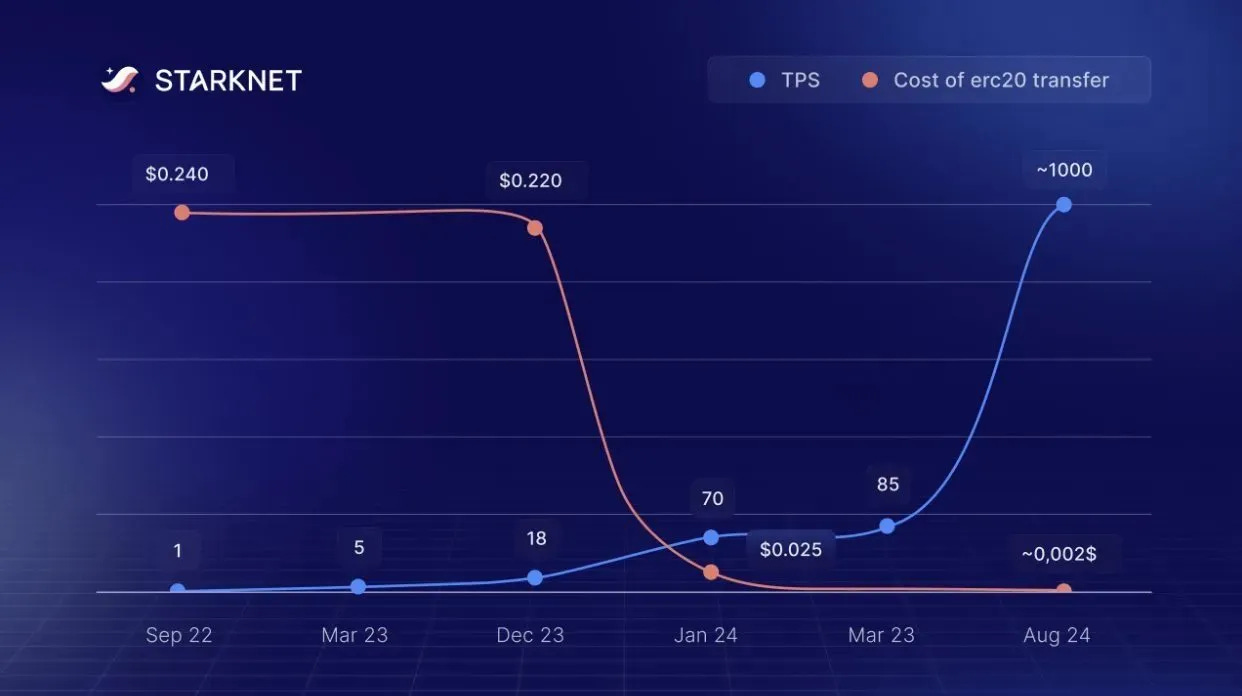
Dojo thrives on Starknet's high TPS and zero-knowledge proofs, perfect for build turn-based games Dojo where turns sync every few seconds without lag or cheats. Forget off-chain shenanigans; here, every action executes provably on-chain via Cairo contracts and an Entity-Component-System (ECS) architecture. Games like Eternum's 4X strategy or Slayer's RPG-action hybrids show what's possible. I've watched these ecosystems explode, and if you're eyeing MUD Dojo on-chain comparisons, Dojo wins for non-EVM purity and extensibility.
Dojo's ECS Core: Powering Provable Worlds
At its heart, Dojo flips traditional game dev with ECS. Entities are your game objects - units, players, maps. Components hold data like health, position, turn status. Systems process logic, like resolving combats or advancing turns. This separation scales massively on Starknet, handling thousands of entities without gas bloat.
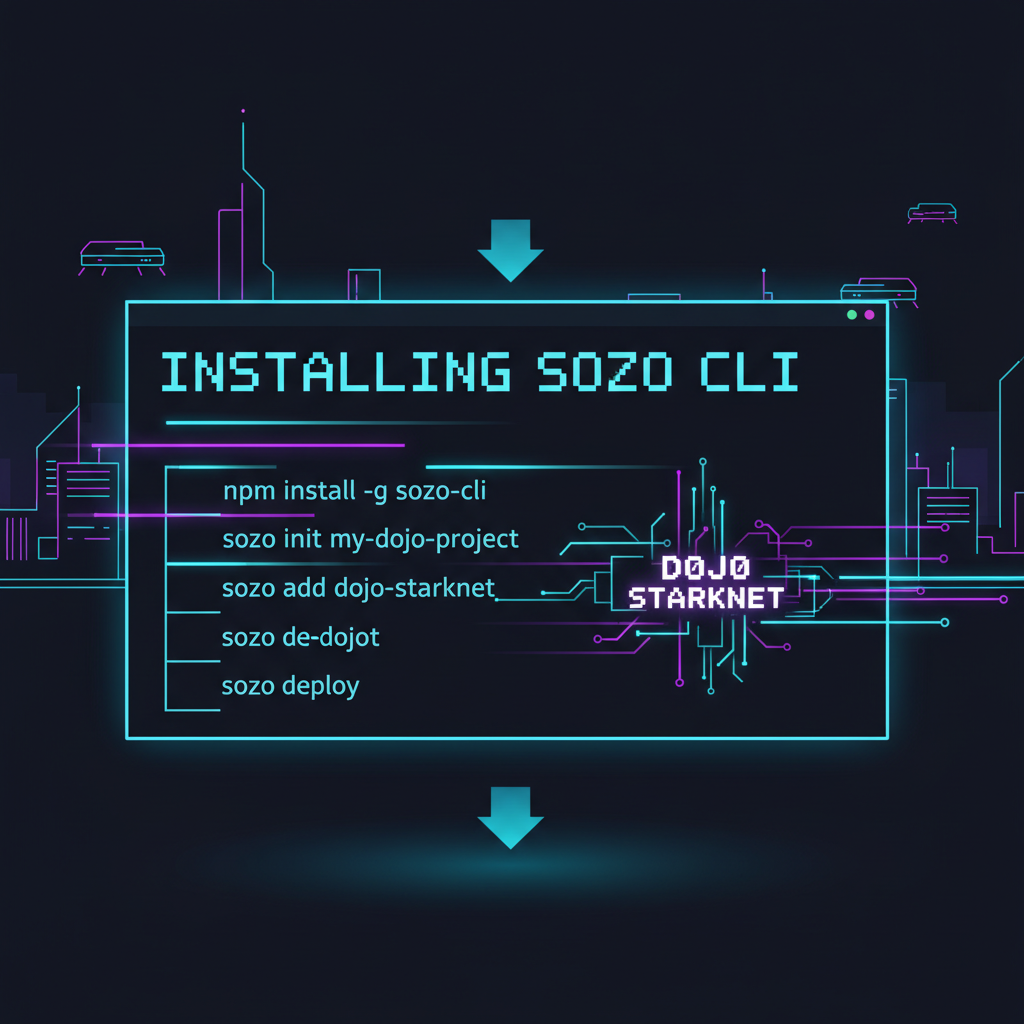
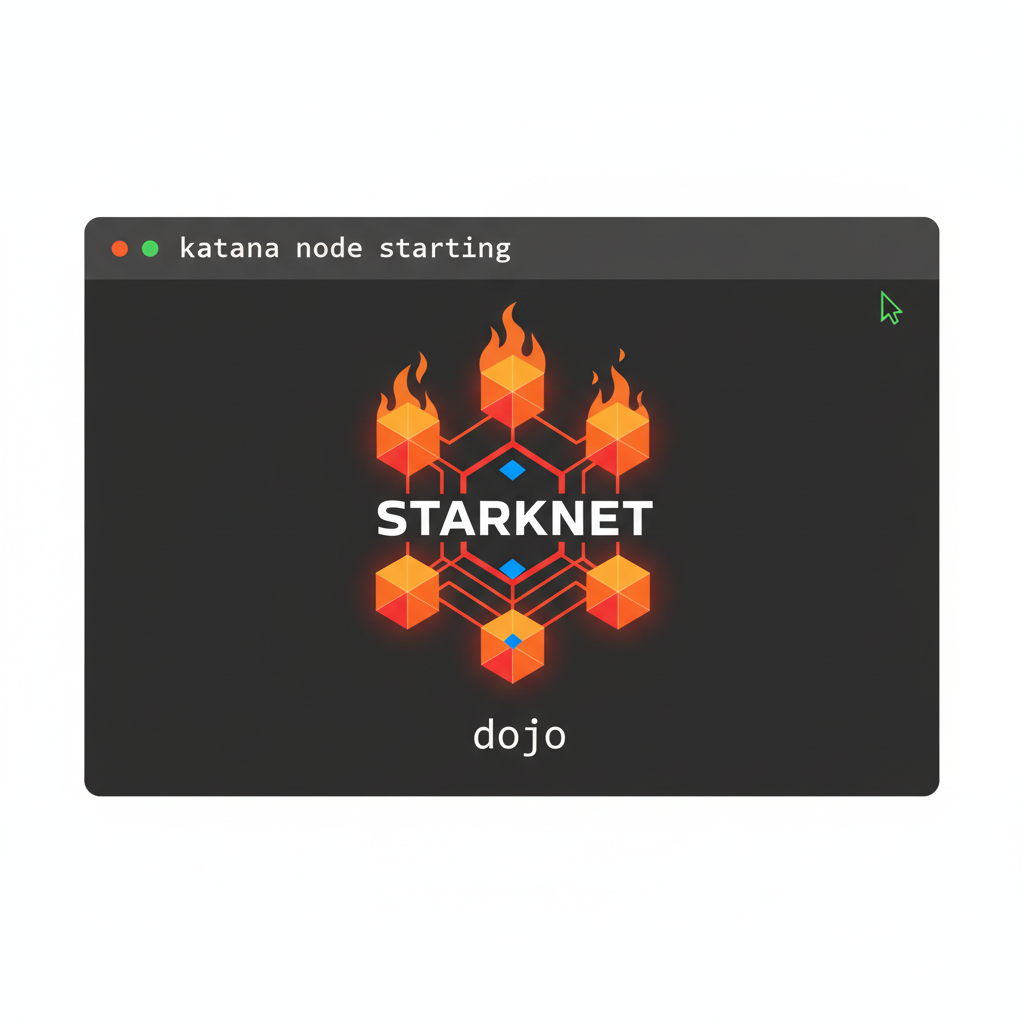
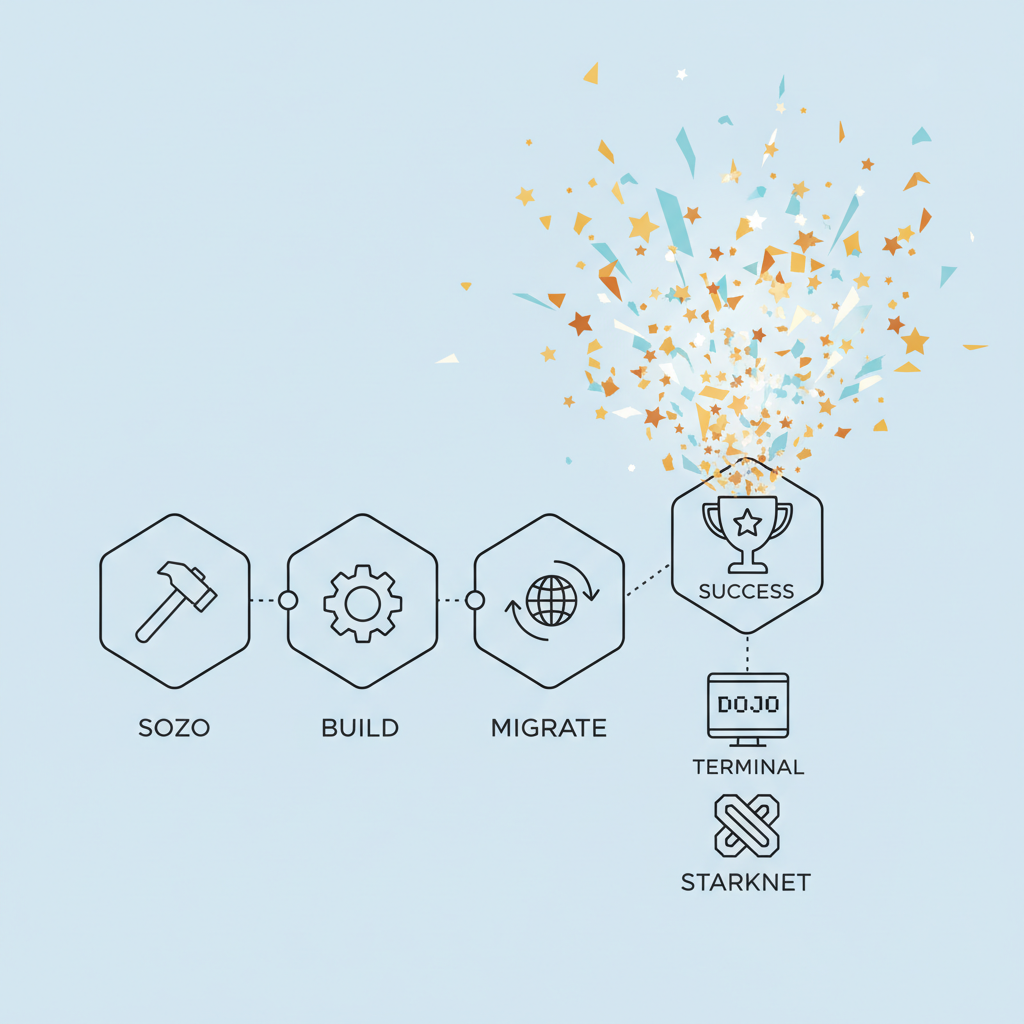
Why does this matter for strategy games? Turn-based means discrete actions: move, attack, build. Dojo's toolchain - Sozo for contracts, Katana for testing, Torii for indexing - abstracts the complexity. Deploy a world, subscribe clients via SDK, and boom, your game runs autonomously. Recent resources like the Dojo by Example repo make this accessible, bridging docs gaps with real code.
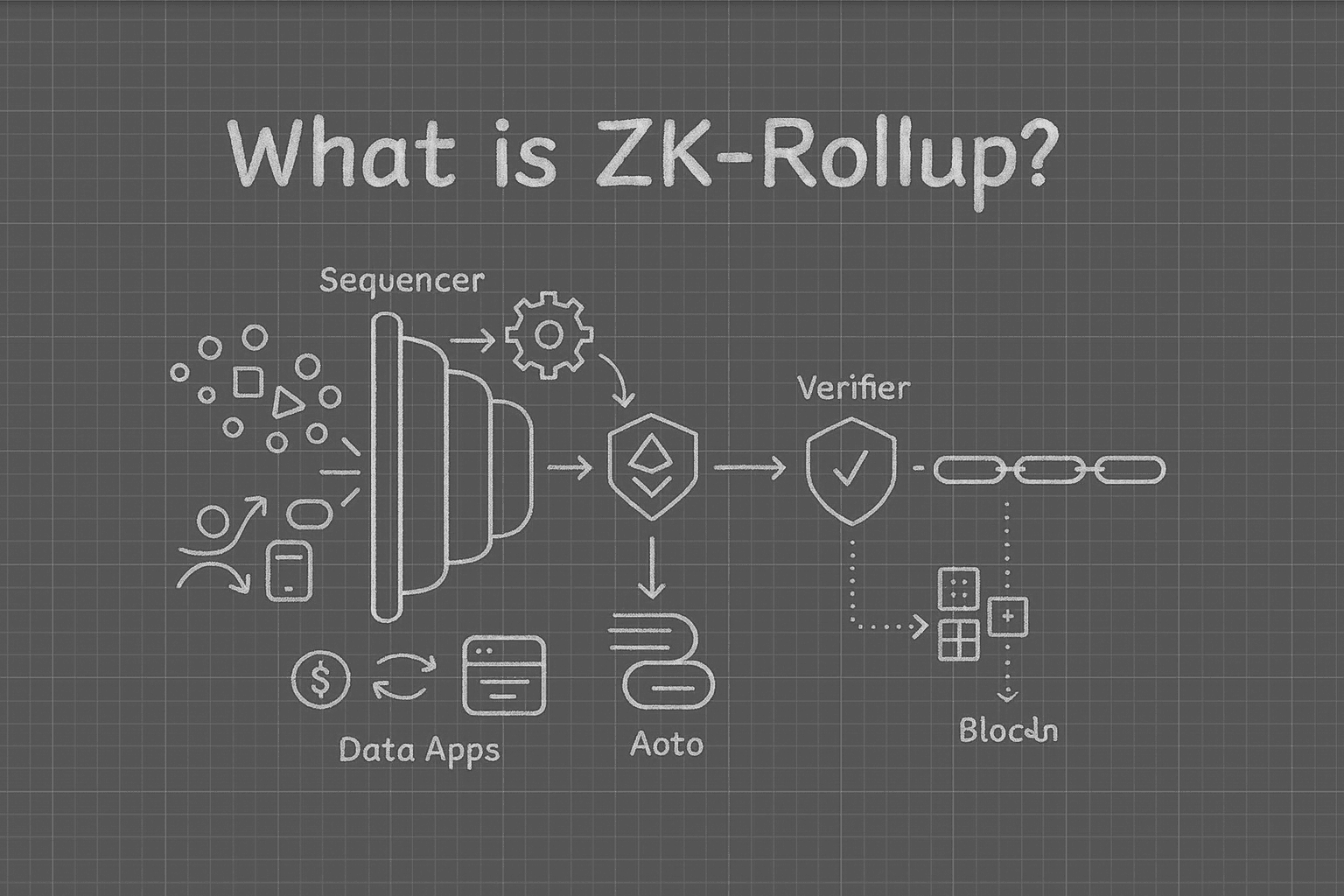
Dojo is a provable on-chain game engine, enabling ownership, interoperability, and extensibility on Starknet.
Opinion time: while MUD flexes on EVM chains, Dojo's zk focus delivers tamper-proof fairness that's gold for competitive play. I've traded tokens from games built here; the trust factor pumps adoption fast.
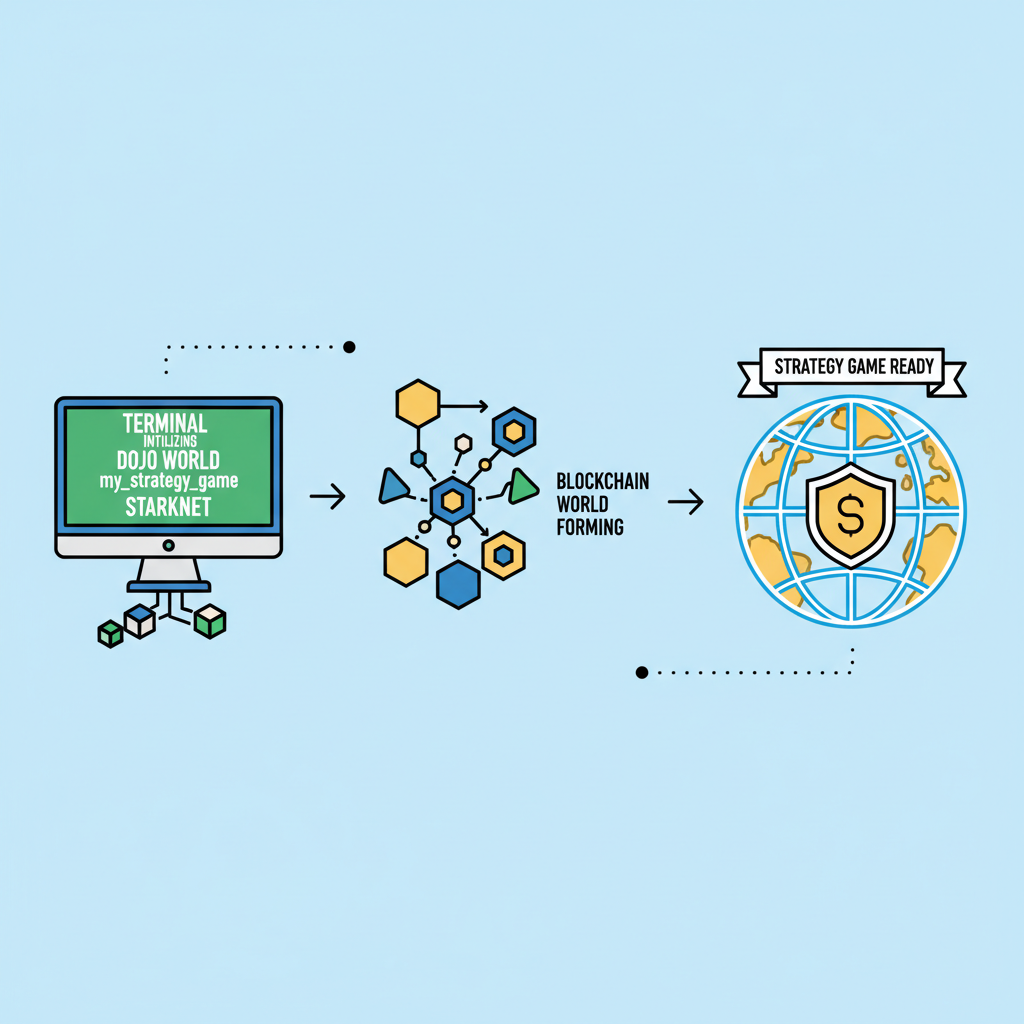
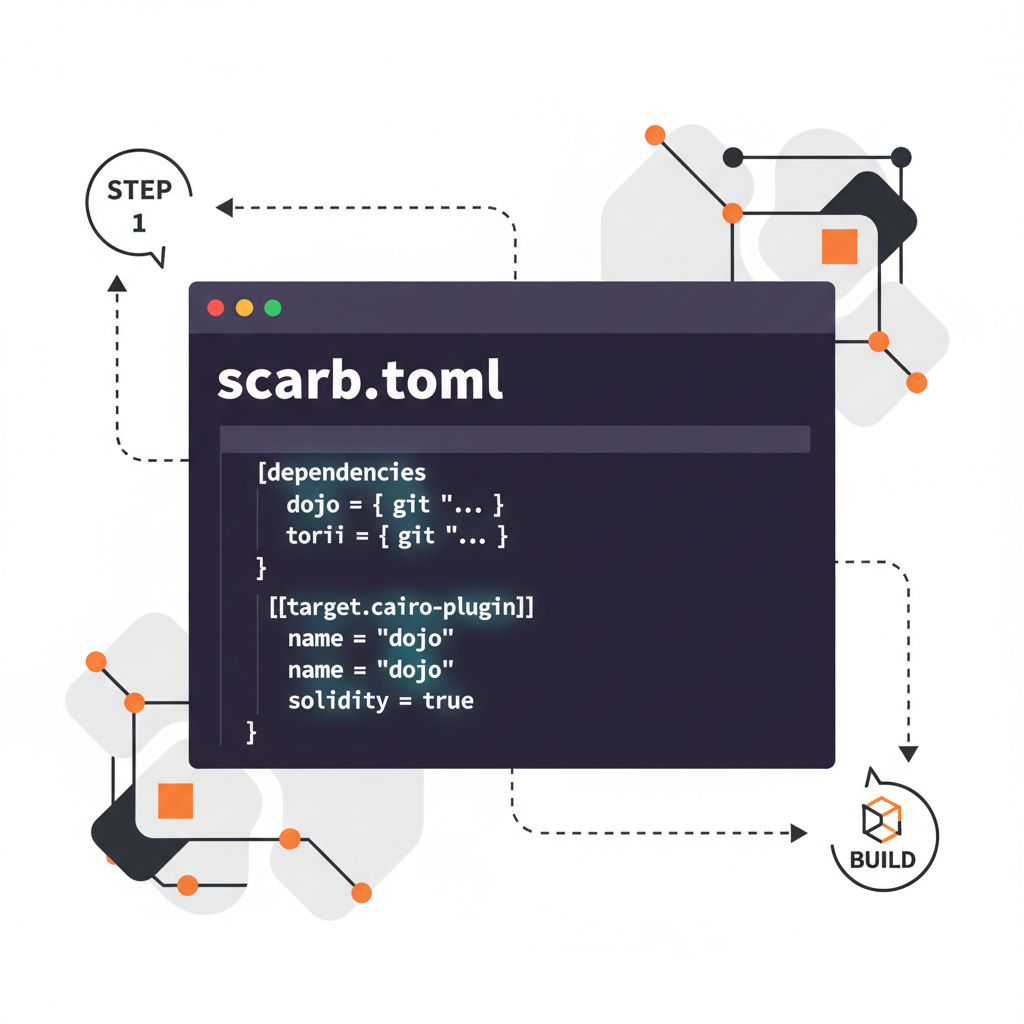
Launch Your Starknet Dojo Playground: Epic Setup for Turn-Based Strategy Games!
Crafting Models for Turn-Based Strategy Mastery
Models define your data backbone. For a strategy game, start with Player: ID, resources, turn count. Unit: owner, position (x, y), health, attack, actions left. Match: active player, game state, winner.
In Cairo, it's structs like:
- Player: fields for gold, army size.
- Turn: current player, phase (move/attack/end).
- Board: hex grid or tile array for positioning.
Permissions lock writes: only owners update their units. Dojo's executor enforces this on-chain. From the 'Dojo Framework Guide' on roguelikes, extend to strategy by adding queue systems for action resolution. Deploy to Dojo World testnet, hook a client with Torii gRPC for real-time syncs.
I've seen devs iterate here fastest; tweak models, remigrate, redeploy in minutes. This is where your game's economy shines - provable scarcity drives token value.
Next up, systems inject the brains into your models. These are pure functions in Cairo that read components, compute outcomes, and spawn new ones - all executed provably by Dojo's world dispatcher. For on-chain strategy games Dojo, craft a TurnManager system to cycle players, validate moves, and queue actions. CombatResolution crunches damage math, updating health without mutable state hacks.
This setup shines in Starknet Dojo development. Systems run in parallel where possible, leveraging Starknet's parallelism for snappier turns. Pro tip: keep them stateless; rely on components for persistence. I've analyzed chains where sloppy logic tanks TPS - Dojo sidesteps that with ECS rigor.
Permissions and Executor: Locking Down Fair Play
Permissions are your game's referee. Define who writes what: players own their units, match contract owns global state. The executor contract routes calls, enforcing rules on-chain. No more 'oops, I edited the leaderboard' exploits. From Basecamp 12's Dojo session, they demo this with session keys for gasless UX - players sign once, act freely.
Configure in src/world/dojo. permissions. cairo: map player to their models, admin to systems. Migrate, and your world auto-enforces. This verifiability is why Dojo laps MUD in trustless PvP; every audit trail lives forever on Starknet.
With backend solid, wire up the frontend. Dojo's JS/TS SDK grabs Torii subscriptions for live entity syncs. React? Use hooks to watch player units, render boards, queue moves. Vanilla JS works too - poll gRPC for turn status. The 'Dojo by Example' repo drops client templates; fork one, swap in your models, deploy to Vercel. Boom, playable prototype in hours.
Real-World Wins and Iteration Hacks
Check Slayer on GitHub: Dojo-powered strategy-RPG mashup with real-time vibes in turns. Or Eternum's MMO, blending 4X with AI - pure build turn-based games Dojo firepower. The roguelike guide for Maze of Gains? Adapt its queue for strategy phases: recruit, position, strike. Iterate like a trader: testnet swings, analyze failures via explorer, pivot fast.
Dojo's Key Wins Over MUD
- ZK Provability trumps EVM gas limits: Execute complex turns provably on Starknet without gas bottlenecks crashing your game.
- ECS Scales Massively: Handle thousands of entities effortlessly, perfect for epic strategy battles MUD can't match.
- Starknet TPS Power: Native high throughput enables smooth 2-3 second turns for real-time feel in turn-based play.
- Interoperable Worlds: Seamless cross-game asset sharing via Starknet's shared liquidity and standards.

- Sozo & Tools 10x Dev: Community SDKs like Sozo, Katana, and Torii slash build time for faster launches.
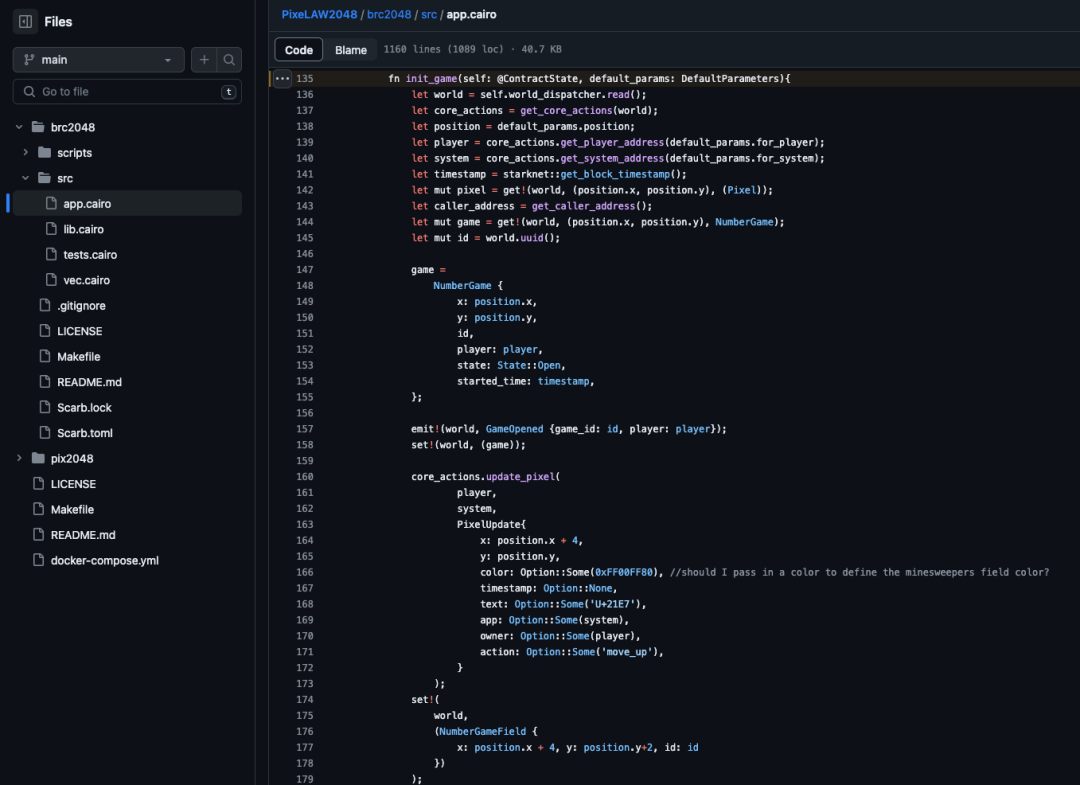
Scaling tip: batch actions per turn to dodge invocation limits. Hook economies with provable loot drops - I've traded those tokens as they moon on scarcity hype. Debug with Katana's REPL; trace systems step-by-step.




You're set to launch your Dojo framework tutorial masterpiece. Grab Sozo, model your battlefield, code those systems, and deploy. Starknet's ecosystem hungers for more provable strategy hits - build it, players will swarm, tokens will pump. Ride the trend, respect the risk: start small, scale ruthless. Your on-chain empire awaits.



No comments yet. Be the first to share your thoughts!