
Starknet's on-chain gaming ecosystem hits warp speed in 2026, and Ohayo Dojo Engine leads the charge for developers crafting provable, fully on-chain worlds. Forget half-baked hybrids; this engine delivers real-time execution with Starknet's zero-knowledge proofs. If you're eyeing starknet on-chain game tutorial gold, buckle up. We'll slice through setup to your first deployable model, leveraging Starknet's latest tutorials like Red vs. Blue Team and Basecamp insights.
From Zero to Onchain Hero: Build Starknet Games with Ohayo Dojo
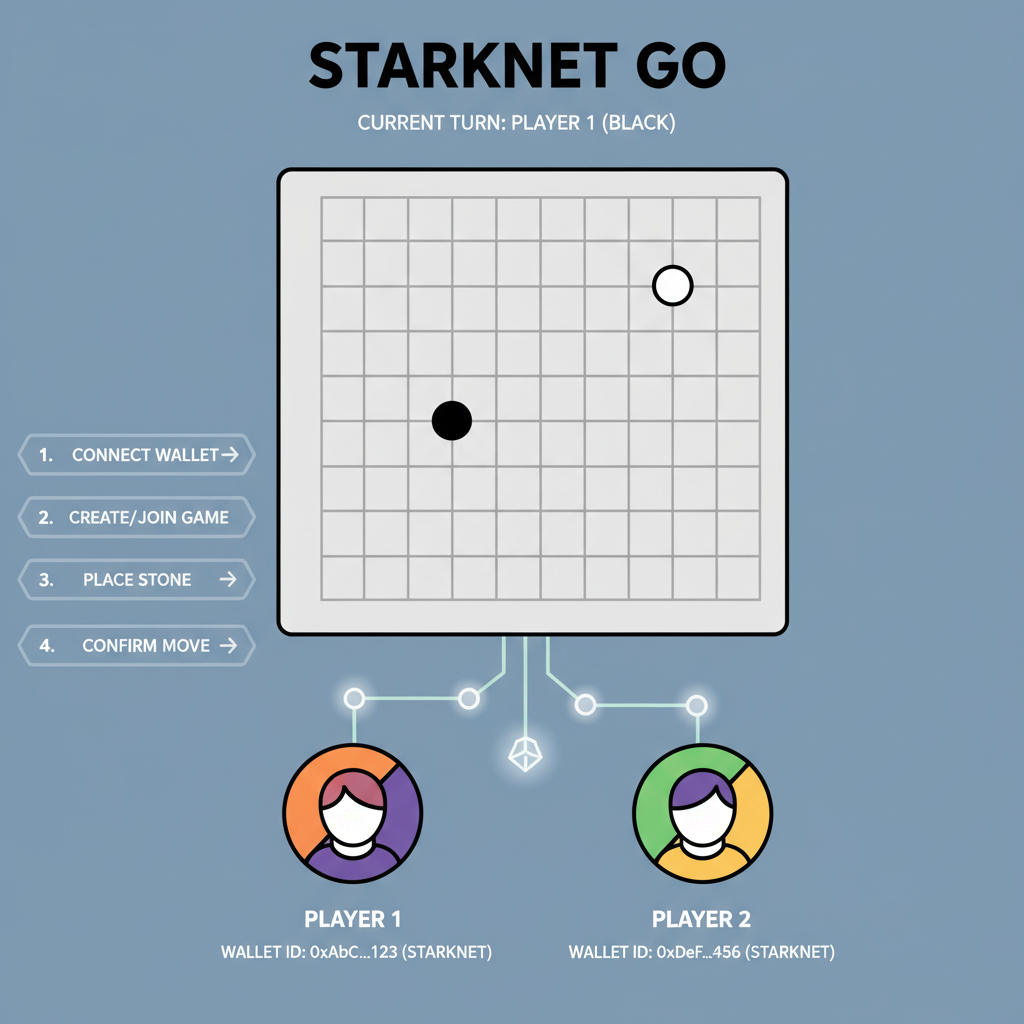
Ohayo Dojo builds on Dojo's battle-tested foundation, optimized for Starknet's Cairo VM. Community-driven and toolchain-rich, it handles entity-component-system (ECS) architecture natively. Players register, tiles flip, battles resolve; all provable on-chain. No more trusting servers. Starknet's sequencer cranks 100k and TPS, making laggy Web2 games obsolete. Devs, this is your dojo engine build guide to dominate fully on-chain Starknet development.
Prerequisites: Gear Up for Ohayo Dojo on Starknet
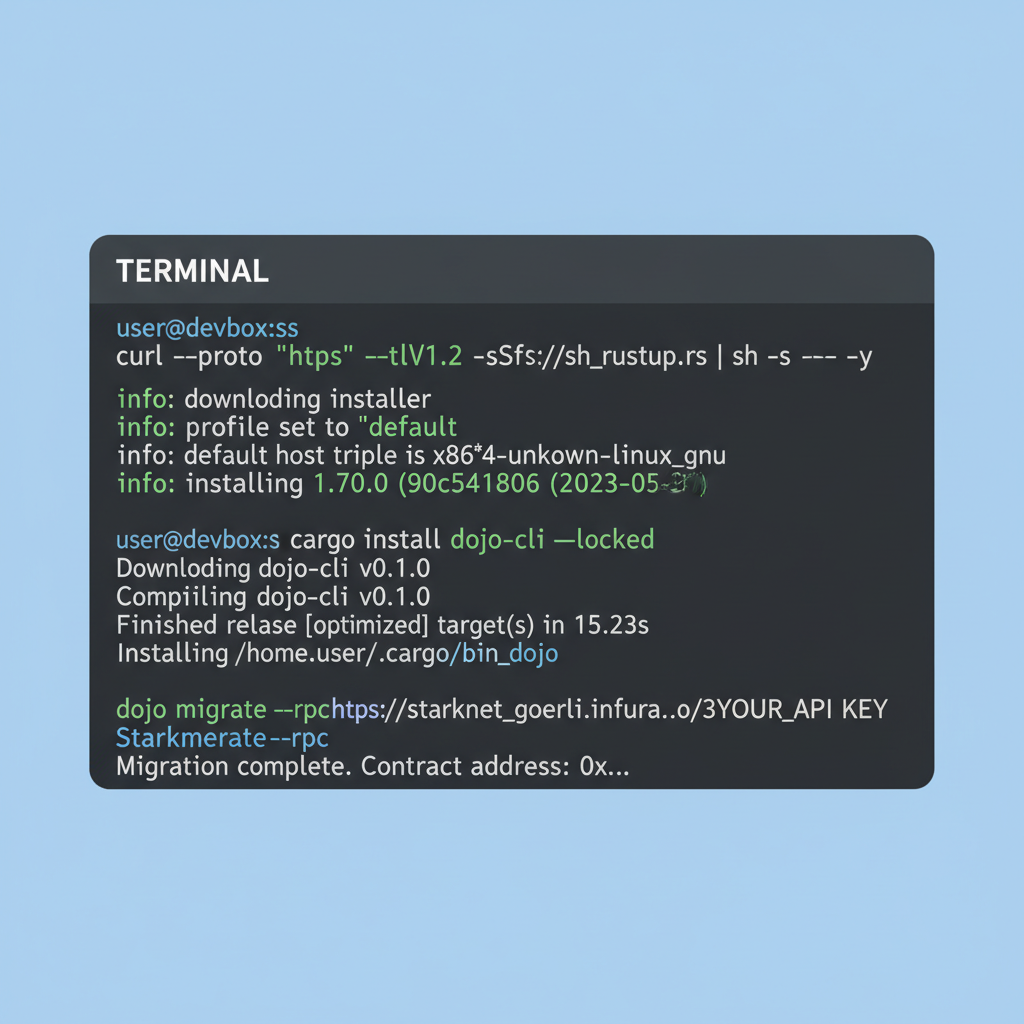
Rust proficiency? Check. Cairo basics? Essential. Starknet dev env? Non-negotiable. Start with Foundry or Scarb for Cairo contracts. Install Ohayo Dojo via their GitHub: clone the repo, cargo build. Key tools: Sozo for world management, Katana for local testing, Torii for indexing. Basecamp 12 Session 5 nails this; it unpacks ECS, contracts, and tooling in one shot.
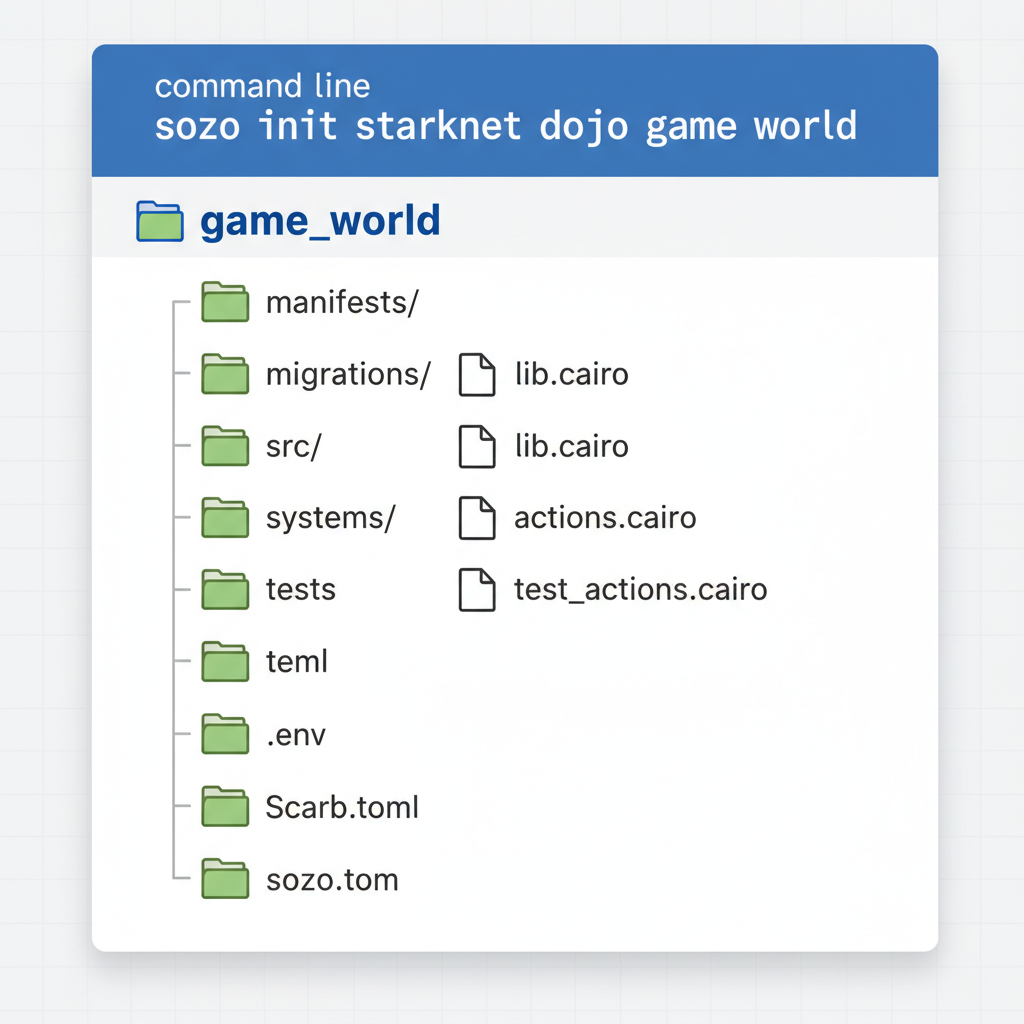
Run sozo init my_game --template counter to scaffold. This spits out a world config, models, and systems. Katana spins a local node: katana. Torii syncs events: torii. Testnet deployment? Sepolia Starknet via Starknet deploy guides. Budget 0.01 ETH for gas; Starknet's cheap.
Ohayo Dojo: Init, Build, and Katana Startup
Set up fast: install tools, init project, build world, launch local node.
# Install Sozo CLI for Ohayo Dojo
cargo install --locked sozo

# Install Katana local node
cargo install --locked --git https://github.com/dojoengine/katana.git katana

# Init project
sozo init ohayo-game && cd ohayo-game

# Build world
sozo world build

# Start Katana
katana
Katana runs at localhost:5050. Deploy world next with `sozo world declare`.
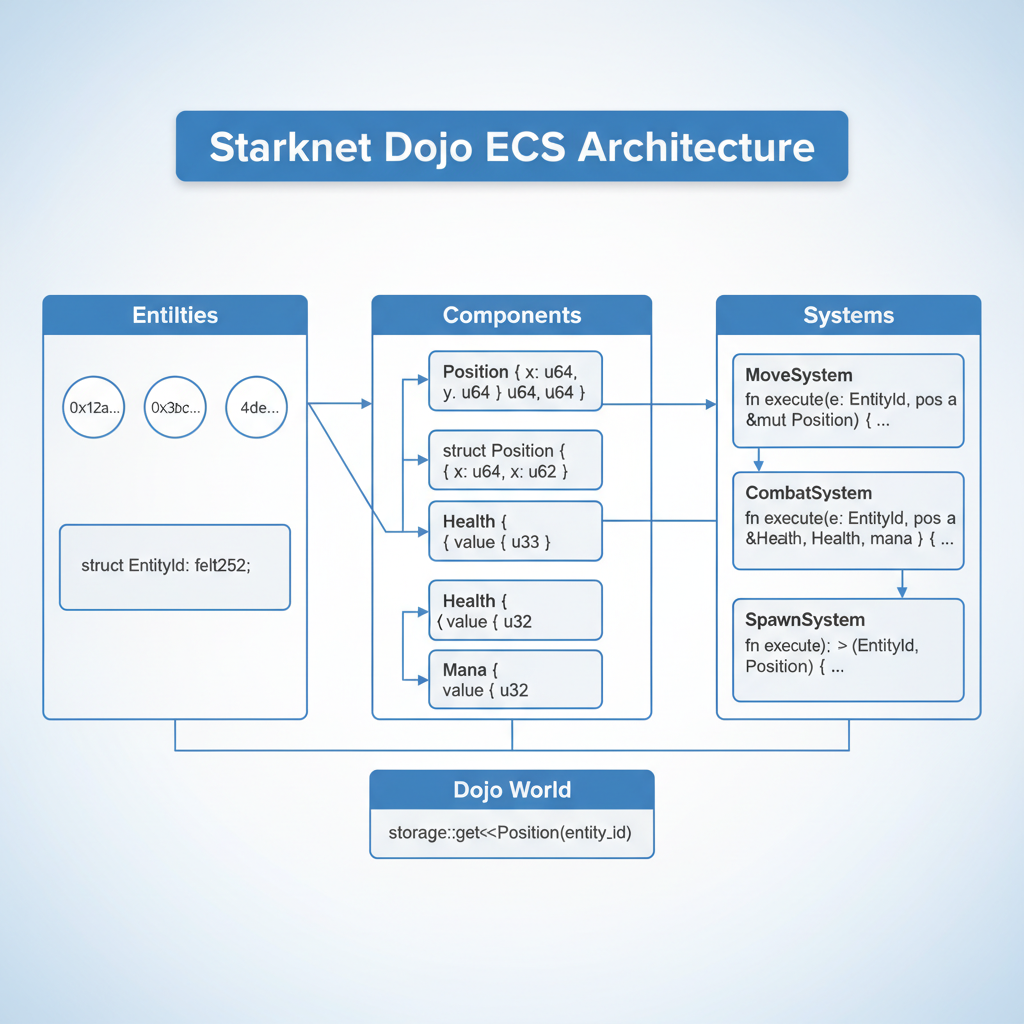
Pro tip: Pin Dojo v0.5 and for Ohayo forks. Avoid bleeding-edge breakage. ECS mindset shift? Entities as IDs, components as data bags, systems as logic. Dojo's executor parallelizes systems; Starknet proves it. Efficiency skyrockets.
Modeling Your Game: Entities, Components, Systems
Dive into ohayo dojo starknet core: define models first. Player struct holds position, health, team. Tile model tracks owner, control points. Use starknet: : Event for emissions; Torii gobbles them for frontend sync.
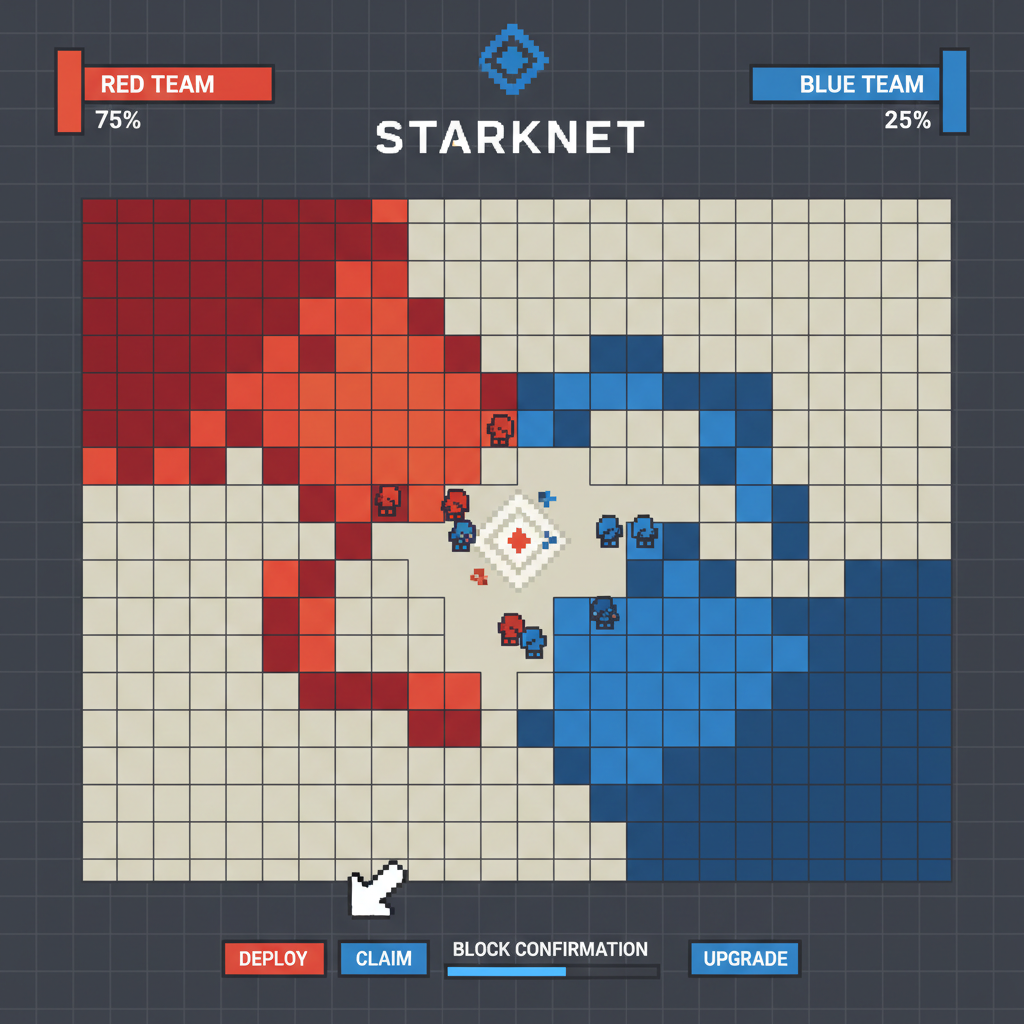
#Forge Red vs. Blue On-Chain Battles: Player Systems in Ohayo Dojo
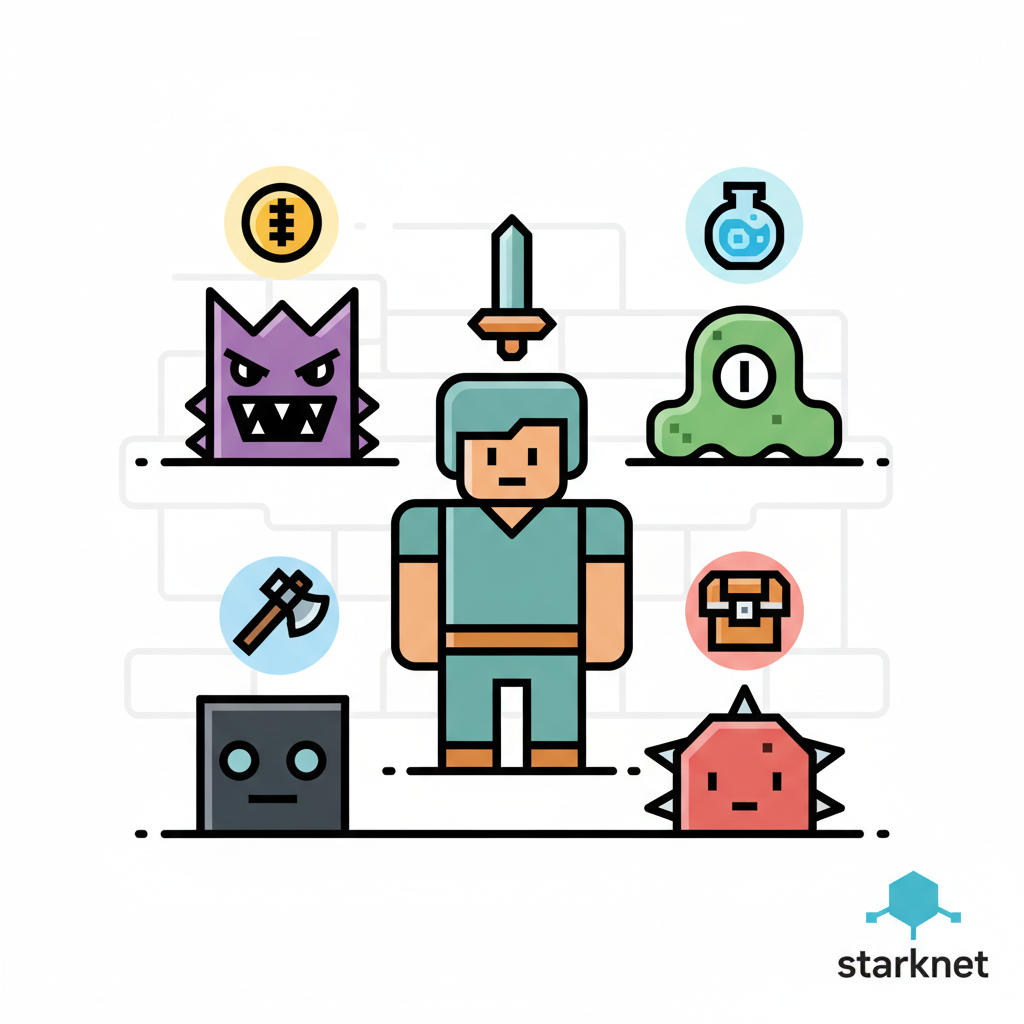
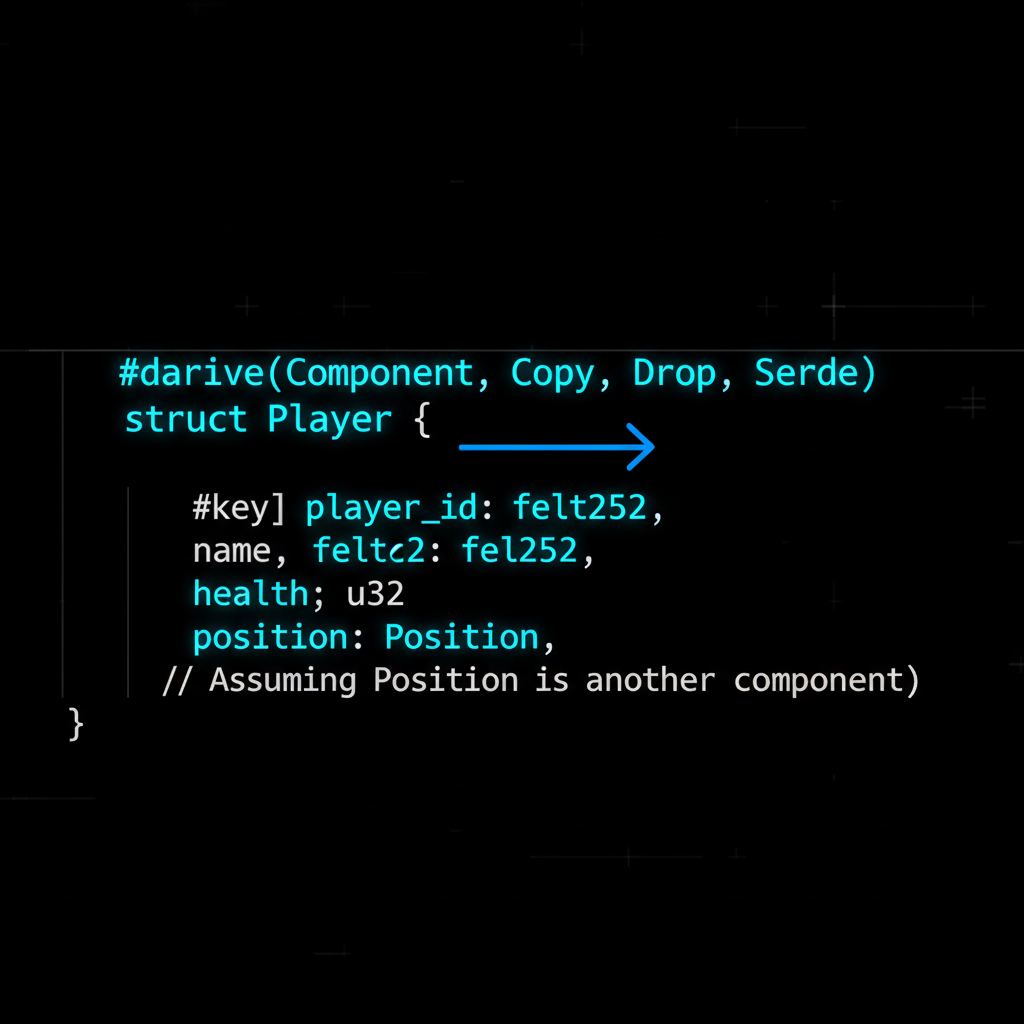 Define Player ComponentDeclare the Player component in your model's `components.cairo`. Use ECS pattern: `#[component]` struct with id: u32, x: u32, y: u32, health: u16, team: felt252 (0 for Red, 1 for Blue). Ensures deterministic state for ZK proofs.
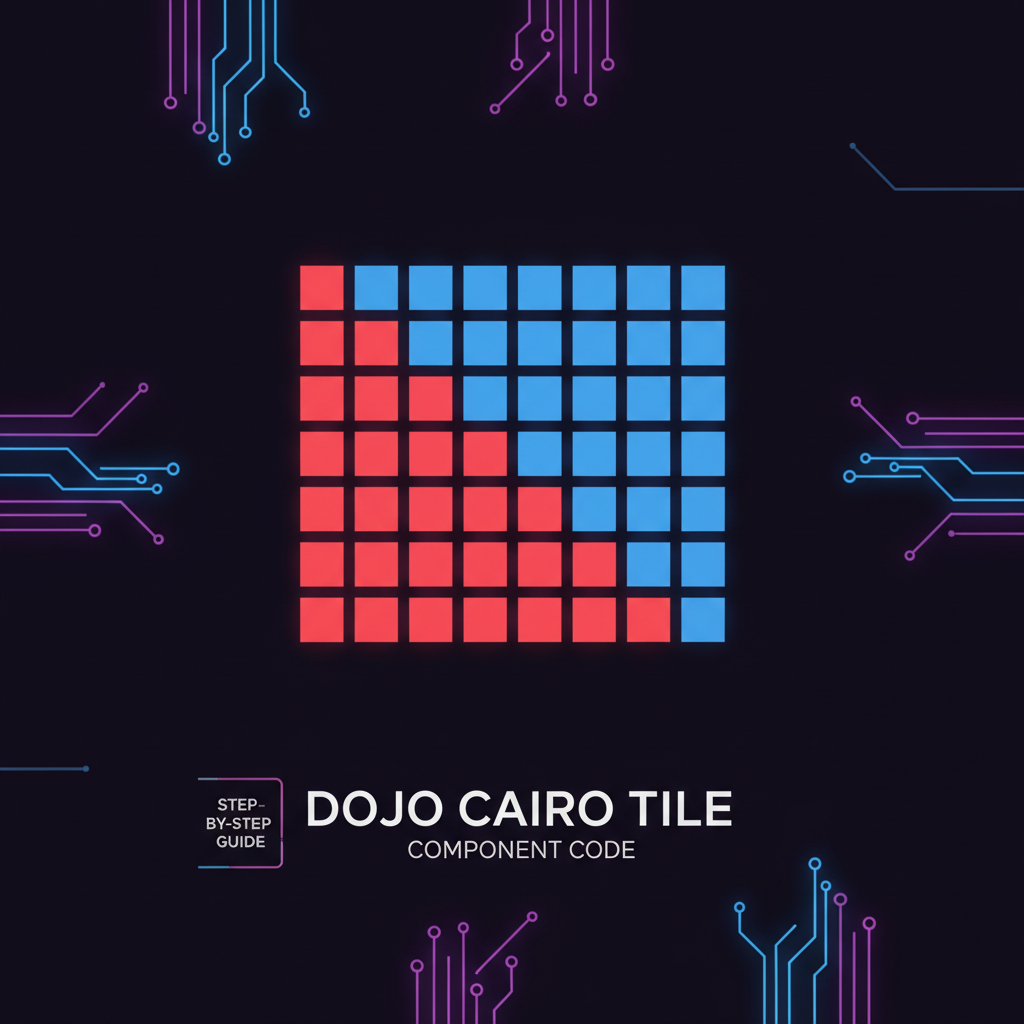 Add Tile Component for Map ControlExtend with Tile component: owner: felt252, team_control: felt252, points: u16. Tiles start neutral (owner=0). Capturing flips ownership, tallies team points for Red vs. Blue victory.
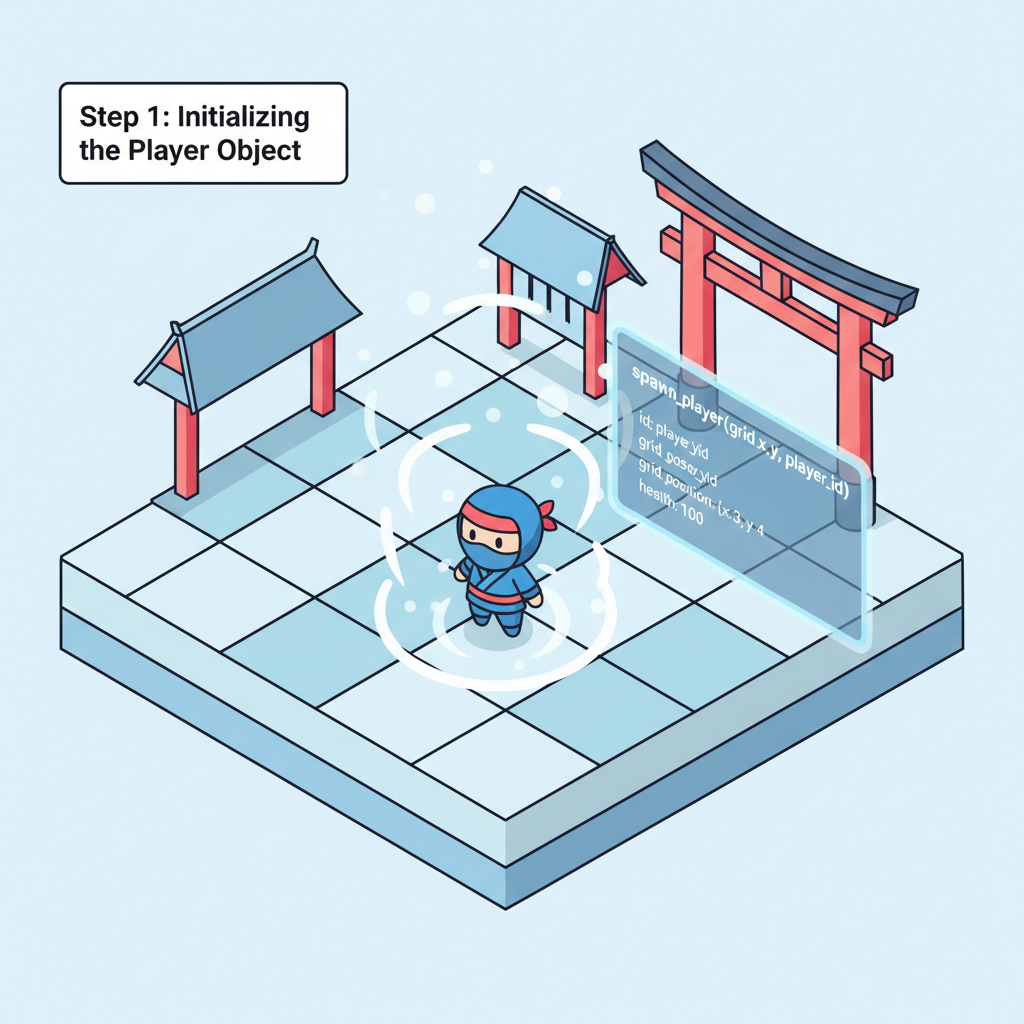 Code spawn_player SystemIn systems.cairo, write spawn_player: Check entity ID uniqueness via IDRegistry. Insert Player at spawn coords (x=1,y=1 for Red; x=18,y=18 for Blue), health=100, emit Spawn event. Use get/insert_entity.
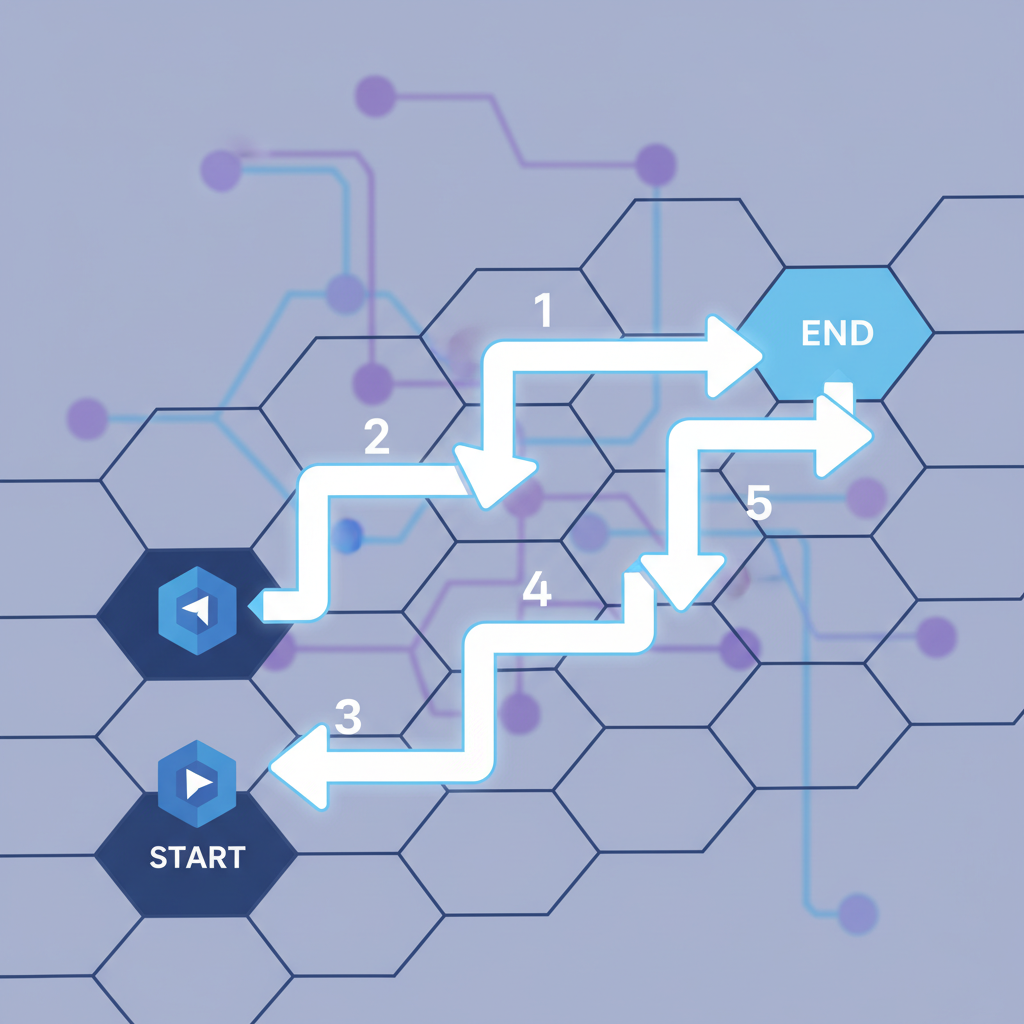 Build move_unit SystemImplement move_unit: Fetch Player, validate move (adjacent tile, in bounds 20x20 map). Update x/y if health >0 and path clear (no collision). Enforce deterministic logic for sequencer replay.
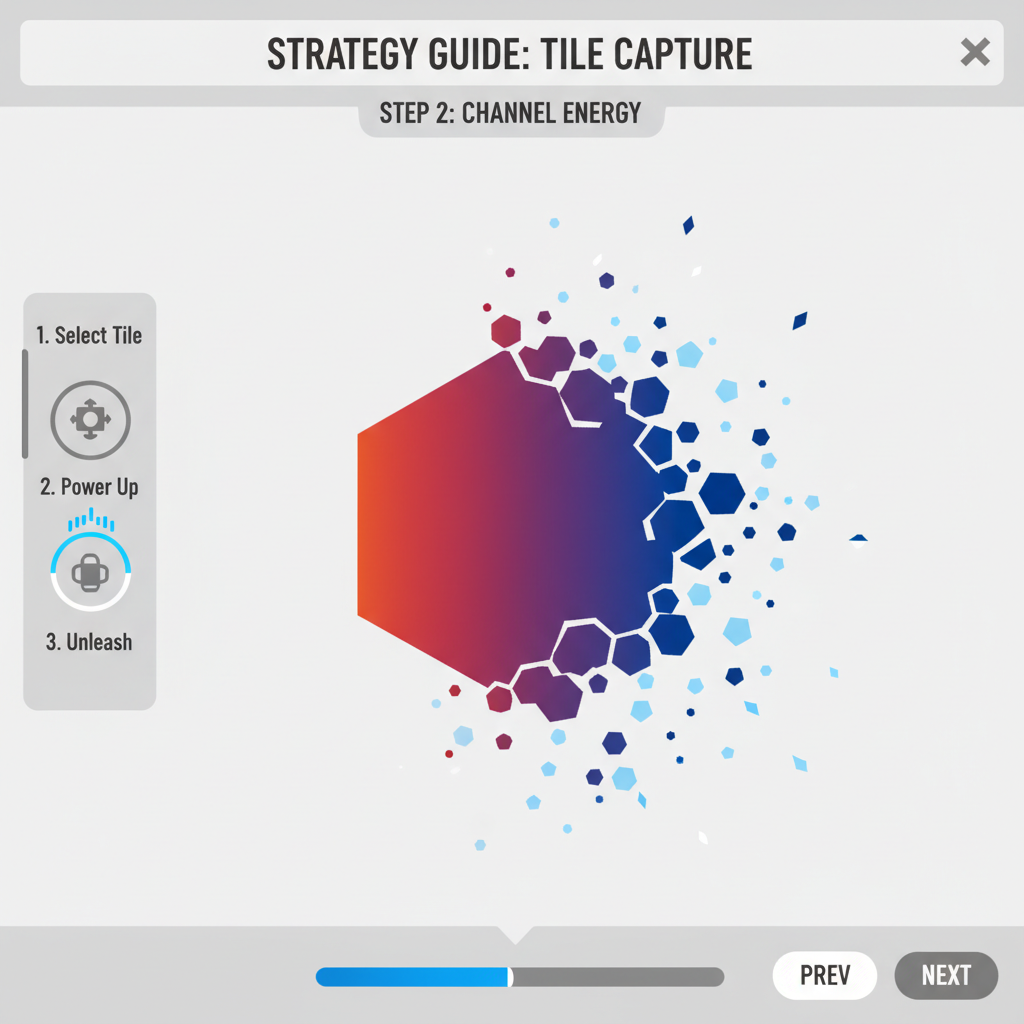 Deploy capture_tile SystemCraft capture_tile: Get Player pos, fetch Tile at (x,y). If enemy/neutral and adjacent to owned tile, set owner=player.team, increment team points. Decay over time for strategy depth.
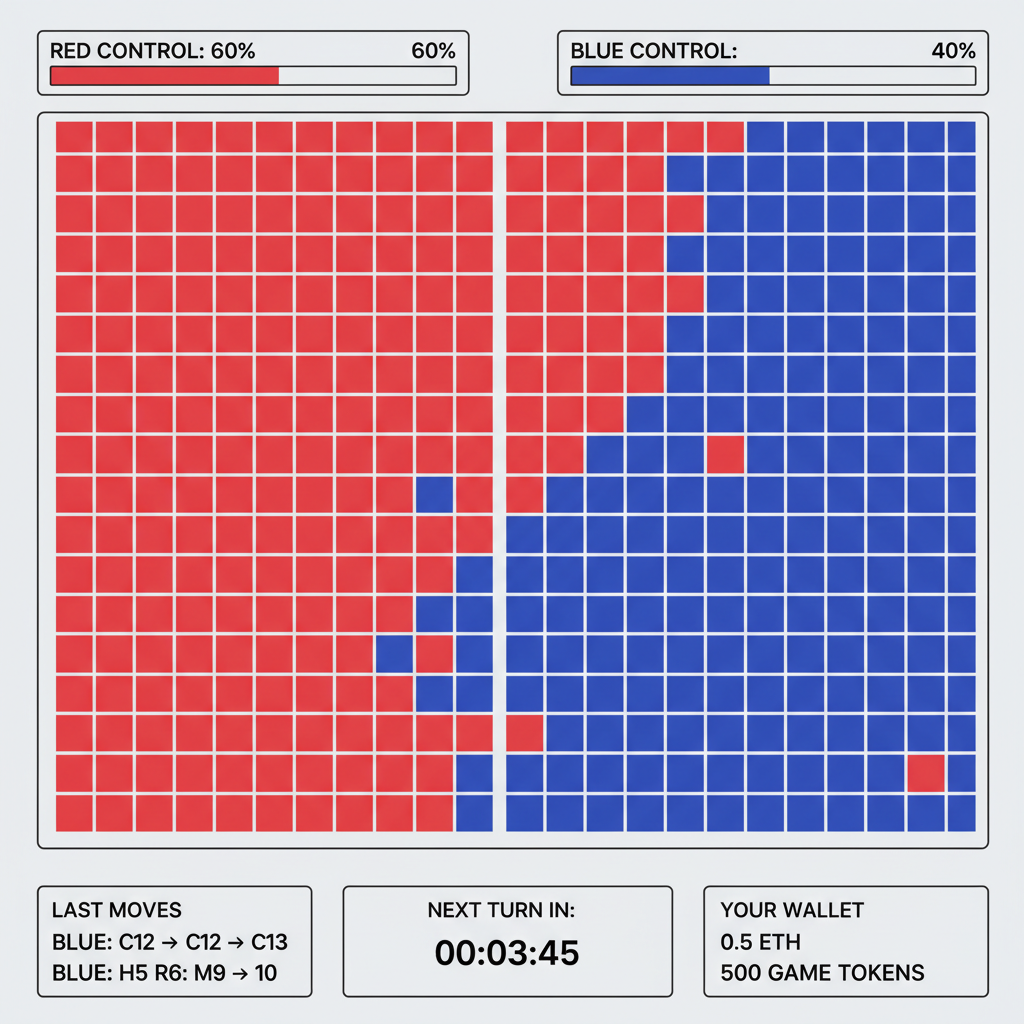 Wire Red vs. Blue Map MechanicsIn game_loop system, aggregate team points from tiles. Red wins >50% control, Blue otherwise. Poll every block via Torii indexer. Deterministic exec via Katana local proving.
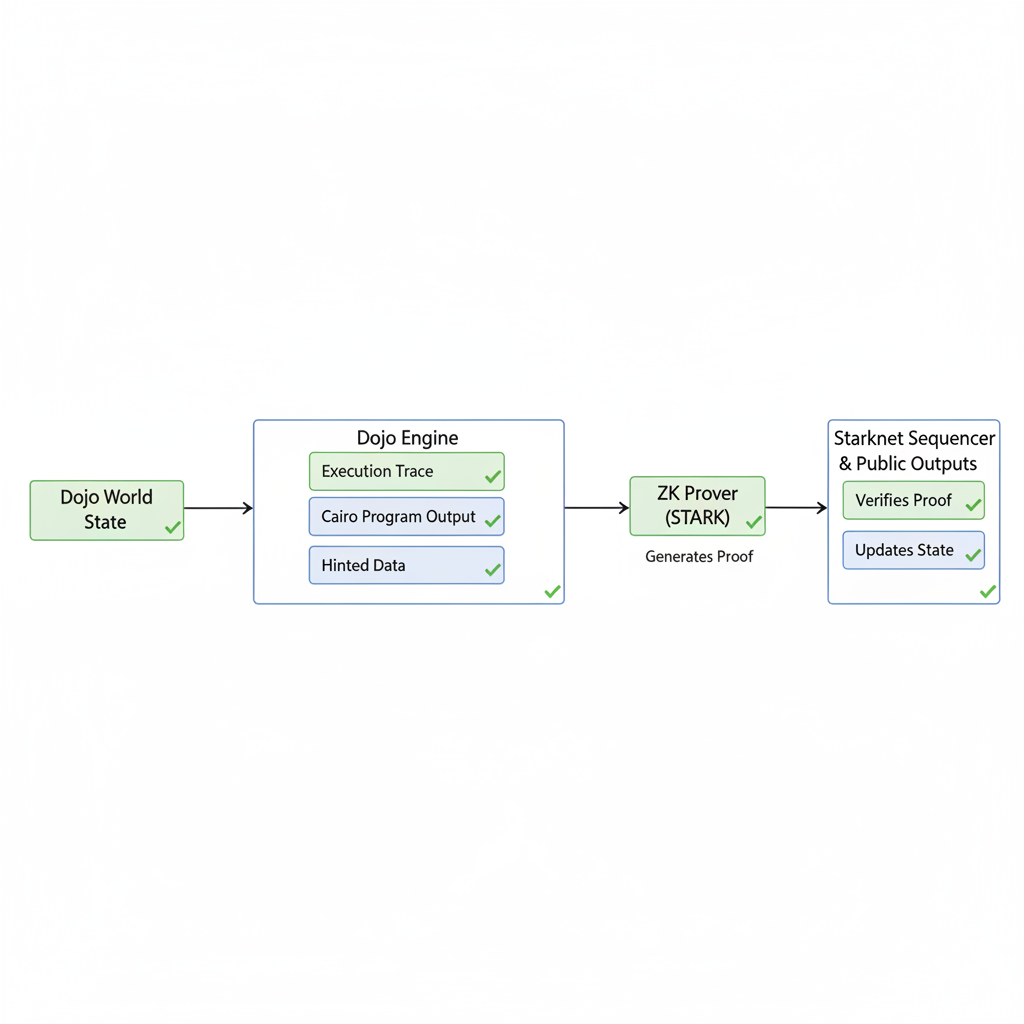 Lock in Determinism & ZK ProofsUse Sozo build/deploy. All systems pure fn, no rand. Katana simulates, generates STARK proofs. Deploy to Starknet: torii server syncs world state. Test multiplayer via Basecamp 12 tut.
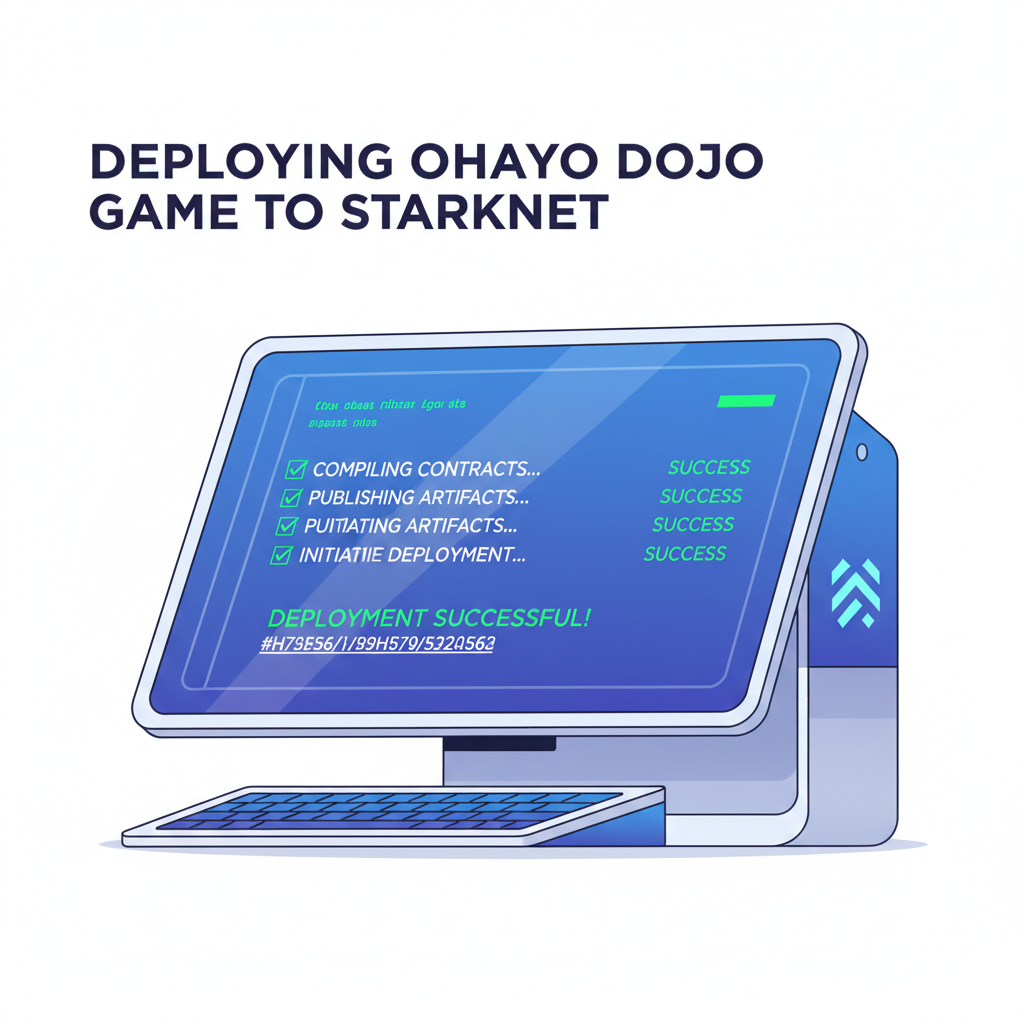 Test & Deploy LiveRun `sozo test`, spin Katana/Soji. Deploy contracts, init world with Red/Blue spawns. Monitor via explorer. Scale to 100s players with parallel exec.
 MUD Dojo Starknet games shine here. MUD's tableland vibes meet Dojo's provability. AkatsukiLabs/DojoByExample repo? Goldmine of snippets. Clone, tweak, deploy. Frontend? React with @dojoengine/client; subscribe to Torii for real-time updates. No polling nonsense.
Implementing Core Systems: Spawn and Movement
Systems live in src/systems/. Spawn system: query world for next ID, insert Player component. Movement? Velocity model, collision checks via queries. Parallel execution means battles compute simultaneously; Starknet settles.
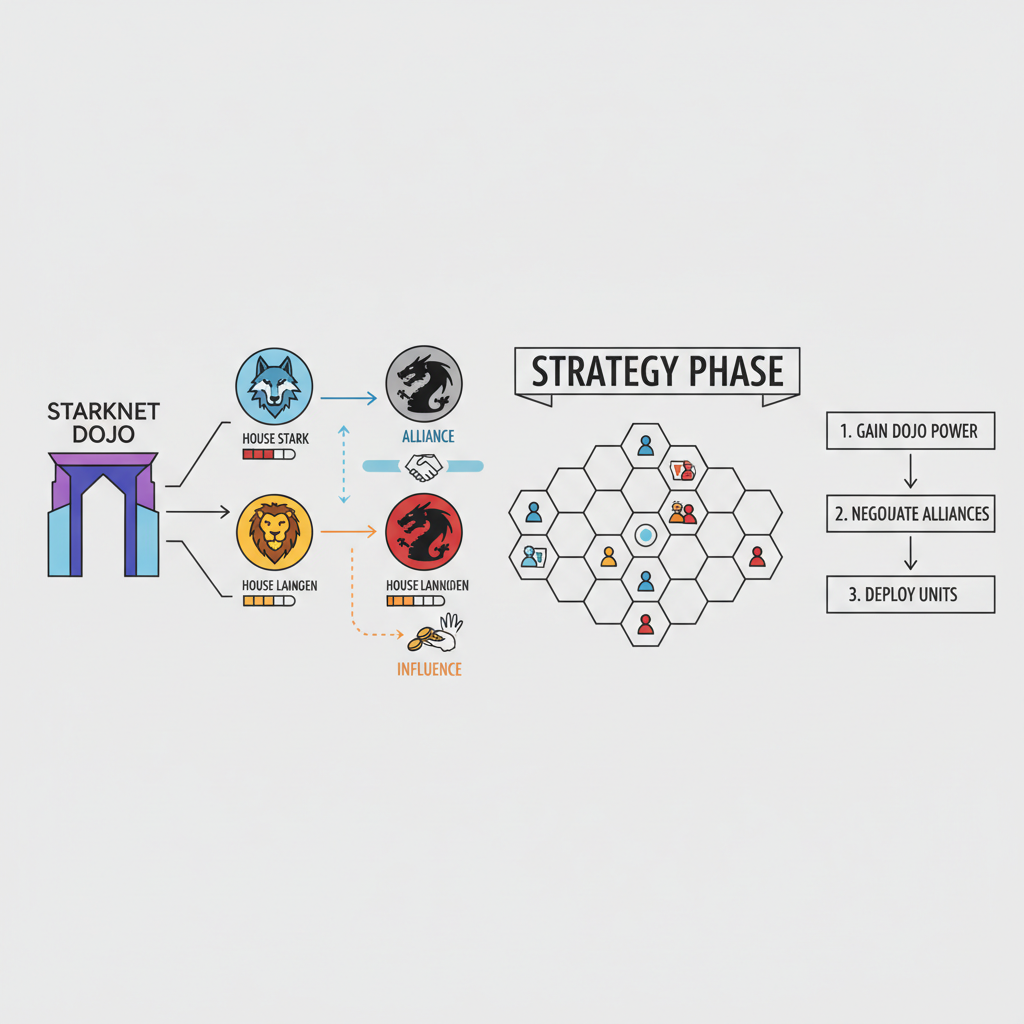
Basecamp demo: Loot Survivor clones. Influence mechanics add strategy. Code it lean: use felt252 for IDs, pack data tight. Gas? Optimize queries; Dojo's indexes help. Test locally: sozo test. Katana mocks chainstate perfectly.
Starkgo project proves it: full Go on-chain. 9x9 board as tiles, turns as systems. Scale that to RTS; Ohayo handles. Next: contracts deployment, frontend hooks. But master this half, you're shipping prototypes by EOD.
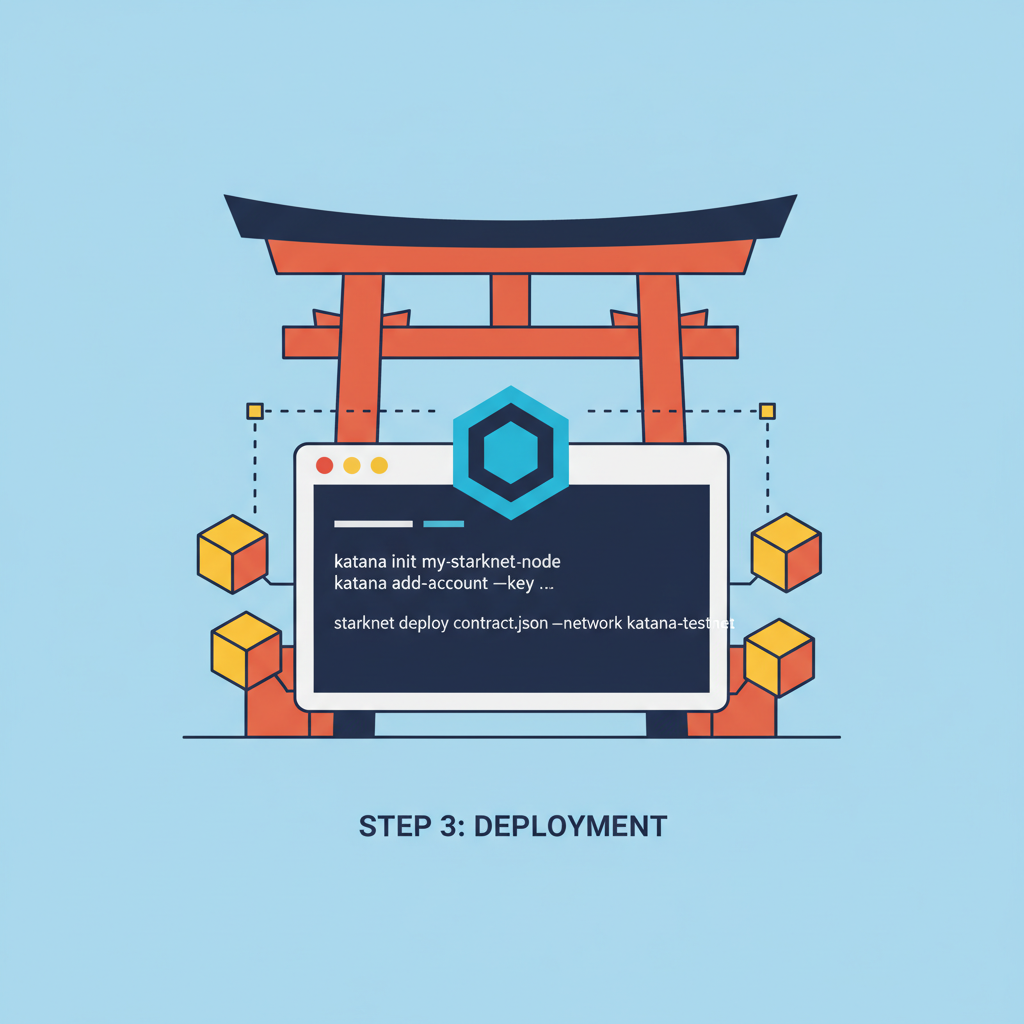
Deployment kicks off with sozo build, compiling your world into ABI-ready artifacts. Then sozo deploy pushes models and systems to Sepolia. Grab your private key, fund via Braavos wallet, execute. Starknet's L2 gas sips fractions of ETH; expect under $0.50 per full world. Watch Torii index the deployment; frontend pings it instantly.
Deploy Ohayo Dojo World: Local Katana to Starknet Sepolia Live
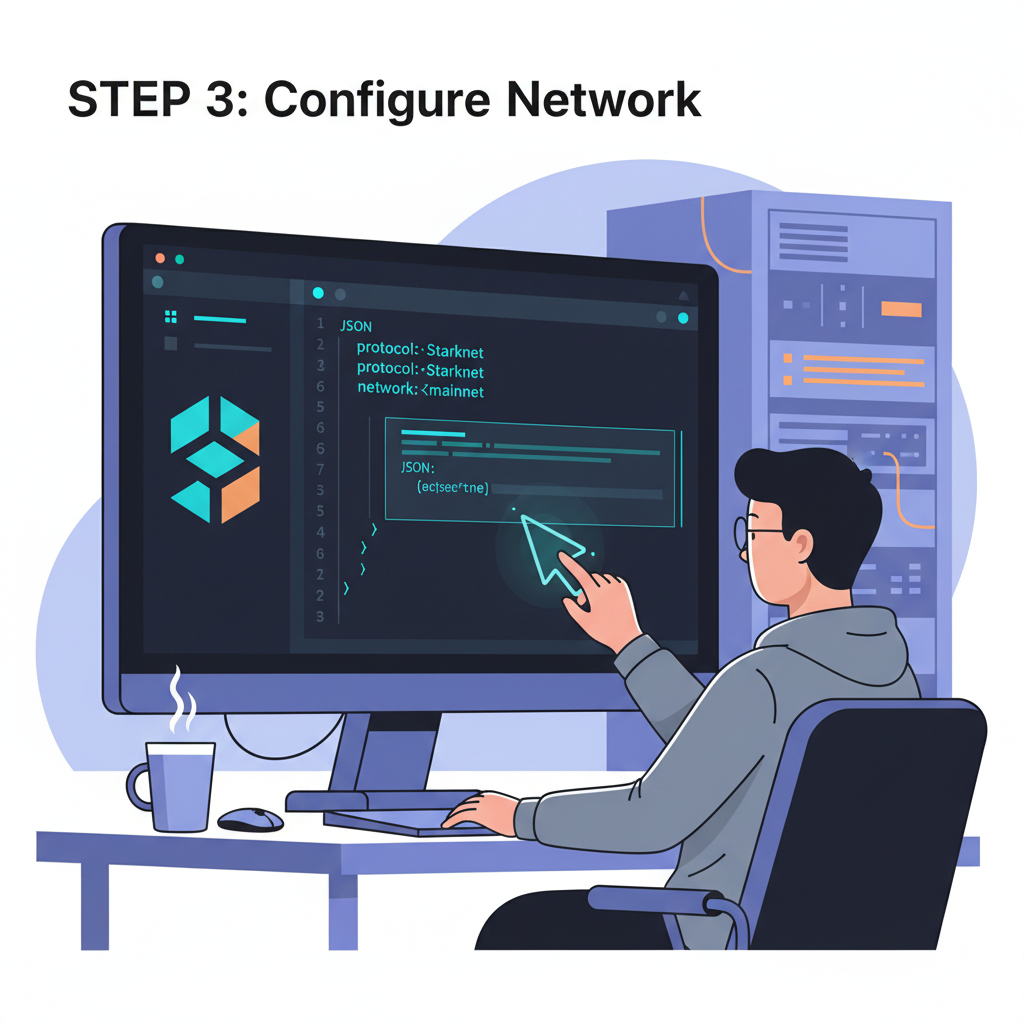 Edit WorldConfig.jsonOpen WorldConfig.json. Set your deployer sender address and chain ID to 10163 for Starknet Sepolia testnet. Save the file.
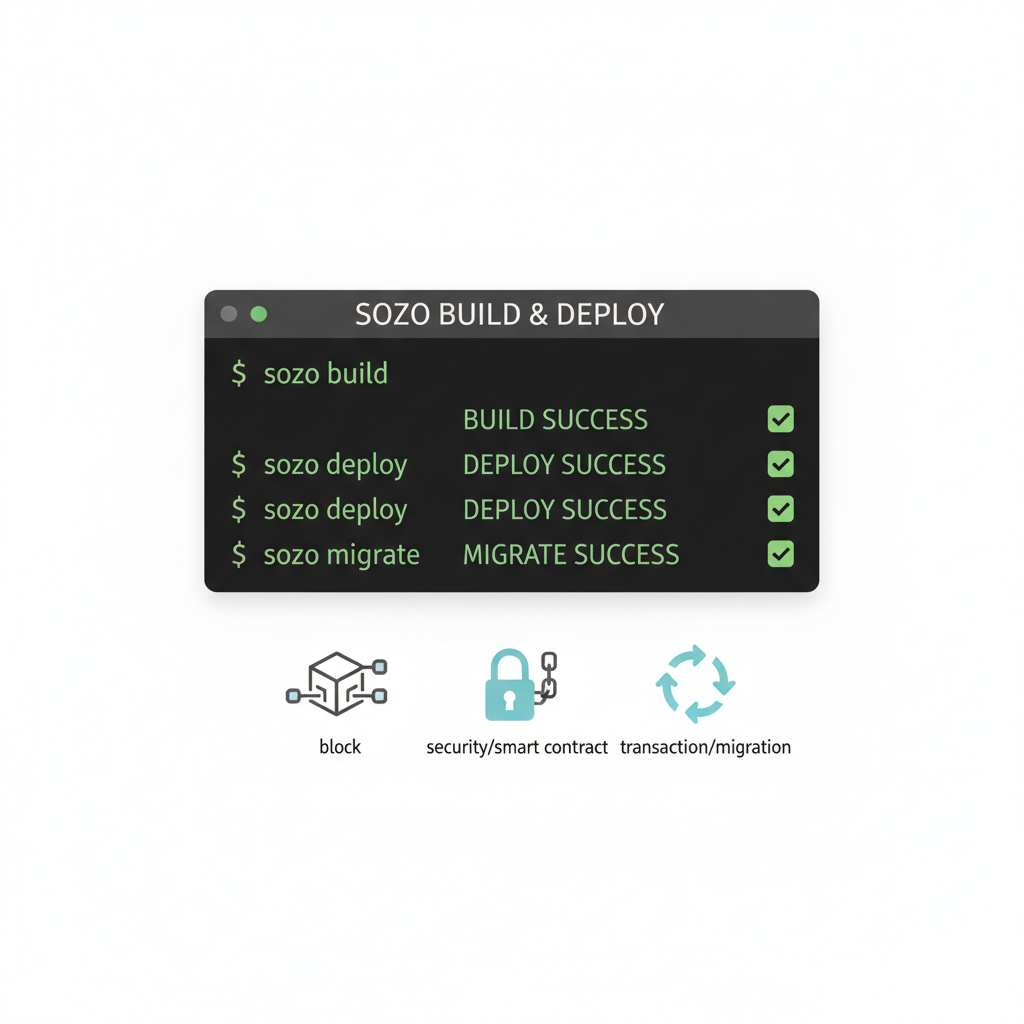 Run Sozo CommandsExecute in terminal: `sozo build`, then `sozo declare`, `sozo deploy`, and finally `sozo migrate`. Watch contracts go live on-chain.
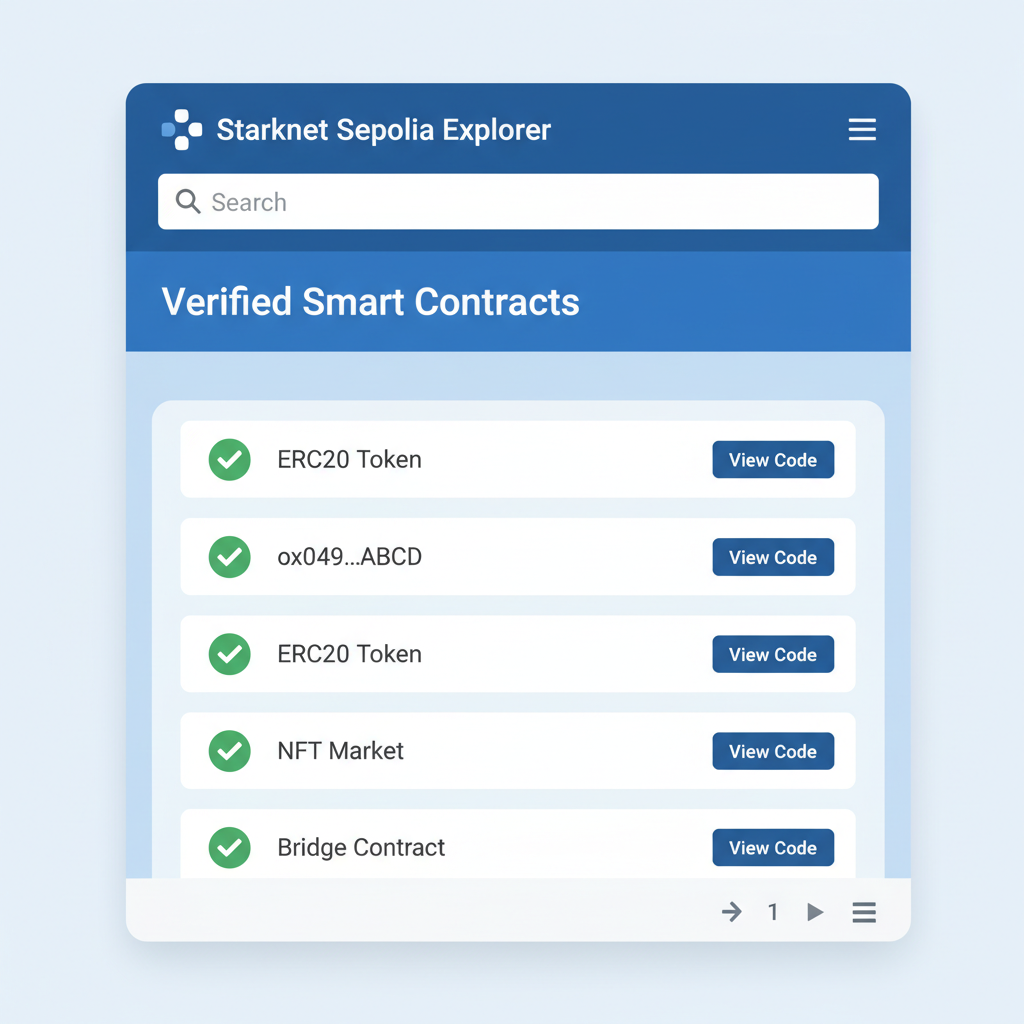 Verify on Voyager ExplorerHead to Voyager explorer (Starknet Sepolia). Search your deployed contracts and world address. Confirm all models, systems deployed correctly.
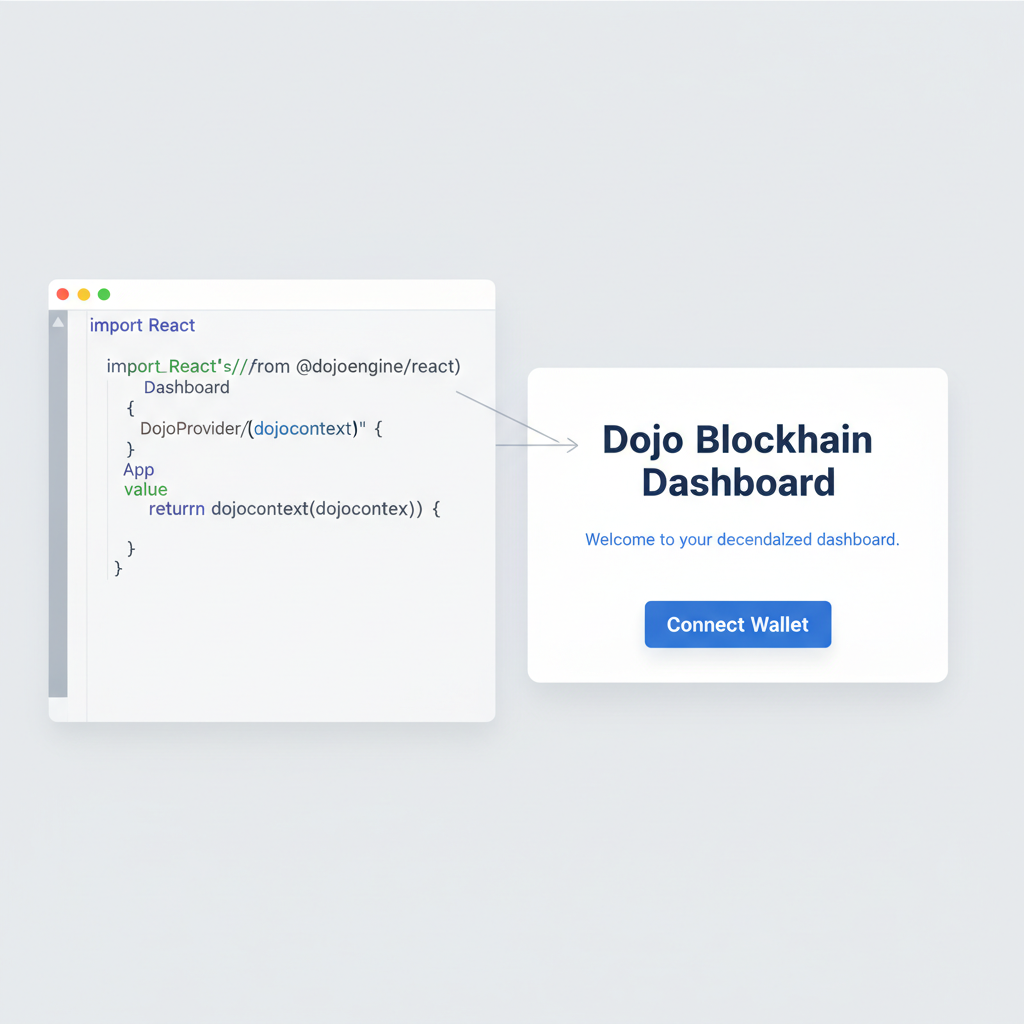 Integrate Frontend with Dojo ReactRun `npm install @dojoengine/react`. Wrap your App in DojoProvider with provider config. Use hooks like useEntity for Player/Tile, subscribe to Torii gRPC for real-time updates.
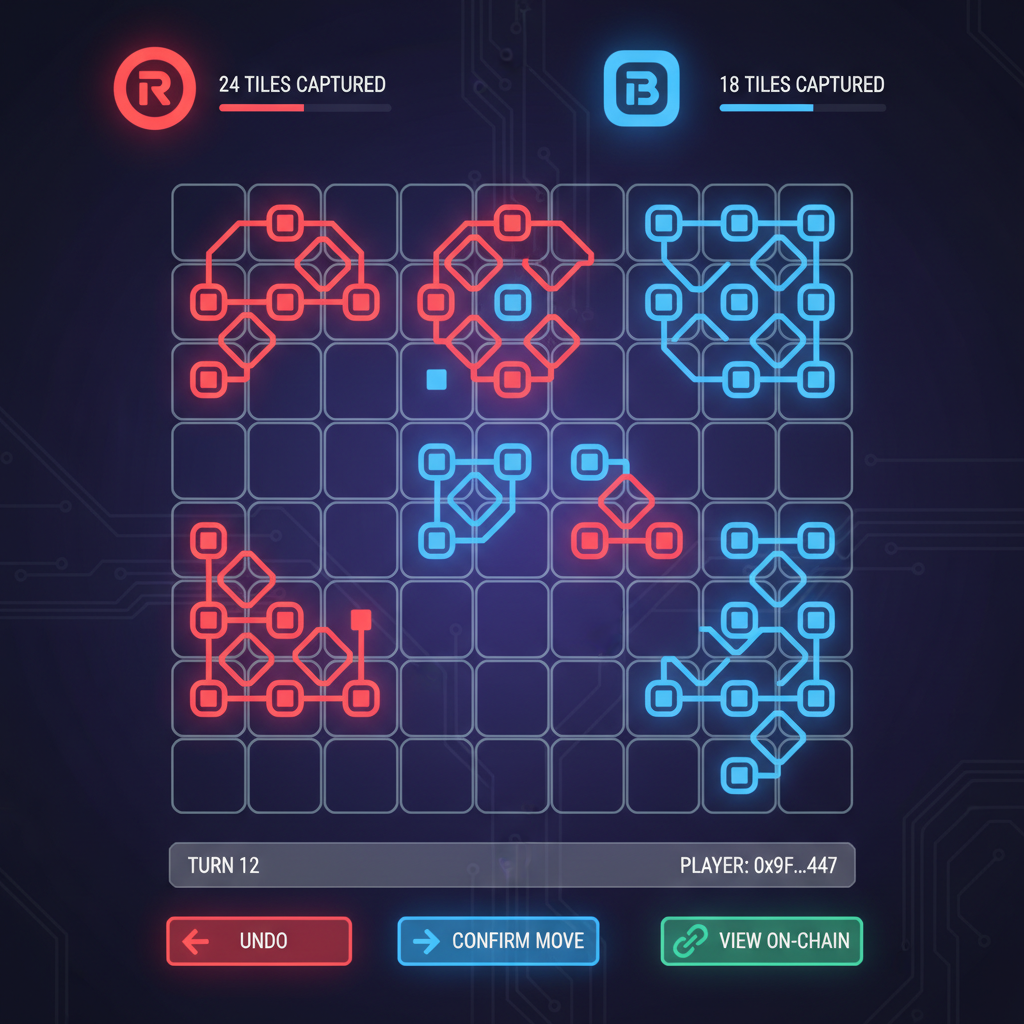 Build CSS Grid Board ExampleMirror Starkgo's 9x9 Go or Red vs. Blue tile-capture. Render CSS grid for on-chain battles. Fetch Player/Tile entities via hooks for provable state.
 Query example: useEntityQuery for nearby enemies, dispatch move or attack. Cairo's type safety catches bugs pre-deploy. MUD influences shine in table queries; Dojo executes them parallel. Lag? Non-issue. Starknet sequencer batches TPS sky-high.
Frontend Blitz: Integrate @dojoengine/react for Ohayo Dojo On-Chain Game
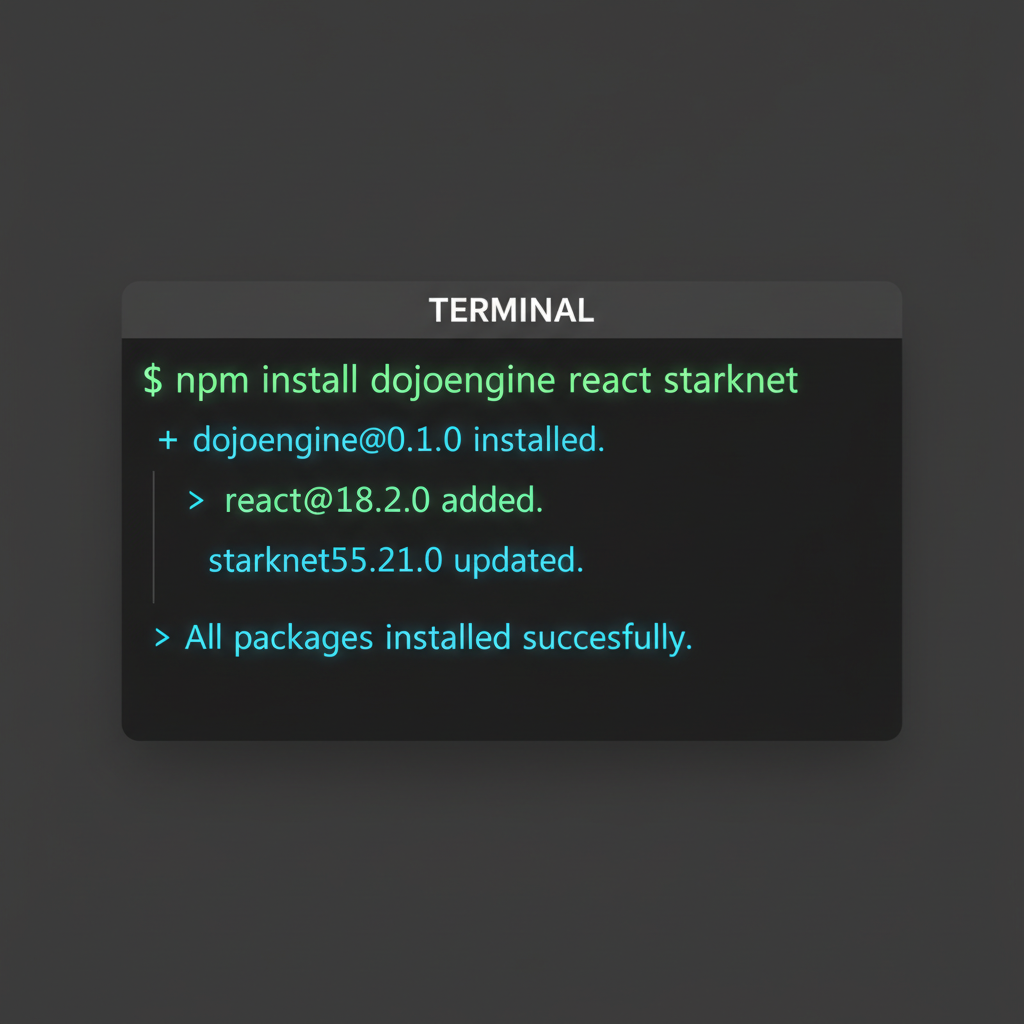 Install Dojo React PackagesFire up your terminal: `npm install @dojoengine/react @dojoengine/core starknet`. Grab dev deps if needed: `npm i -D @types/starknet`. Restart your dev server. Boom—Dojo hooks ready.
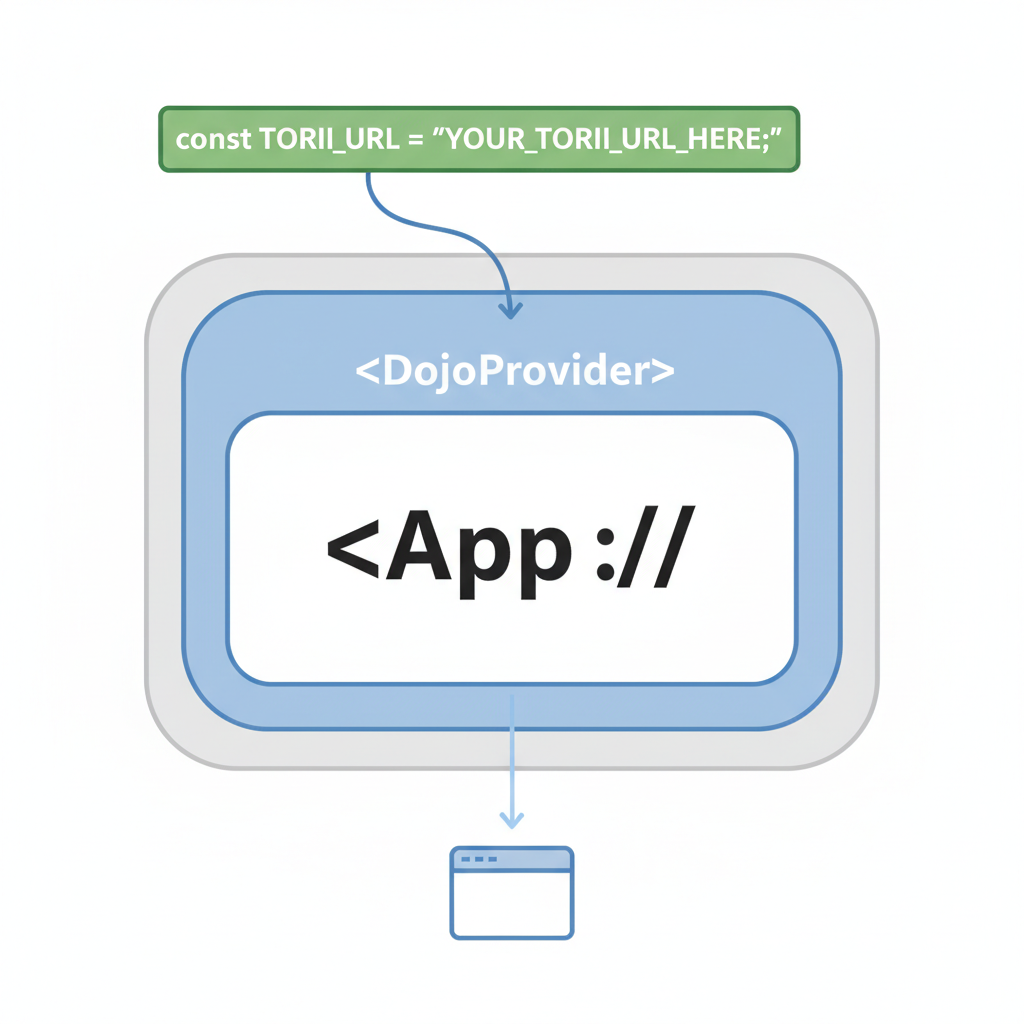 Wrap App in DojoProviderIn your root component, import { DojoProvider } from '@dojoengine/react'. Fetch your Torii URL from world config (e.g., 'http://localhost:4040'). Pass it:
 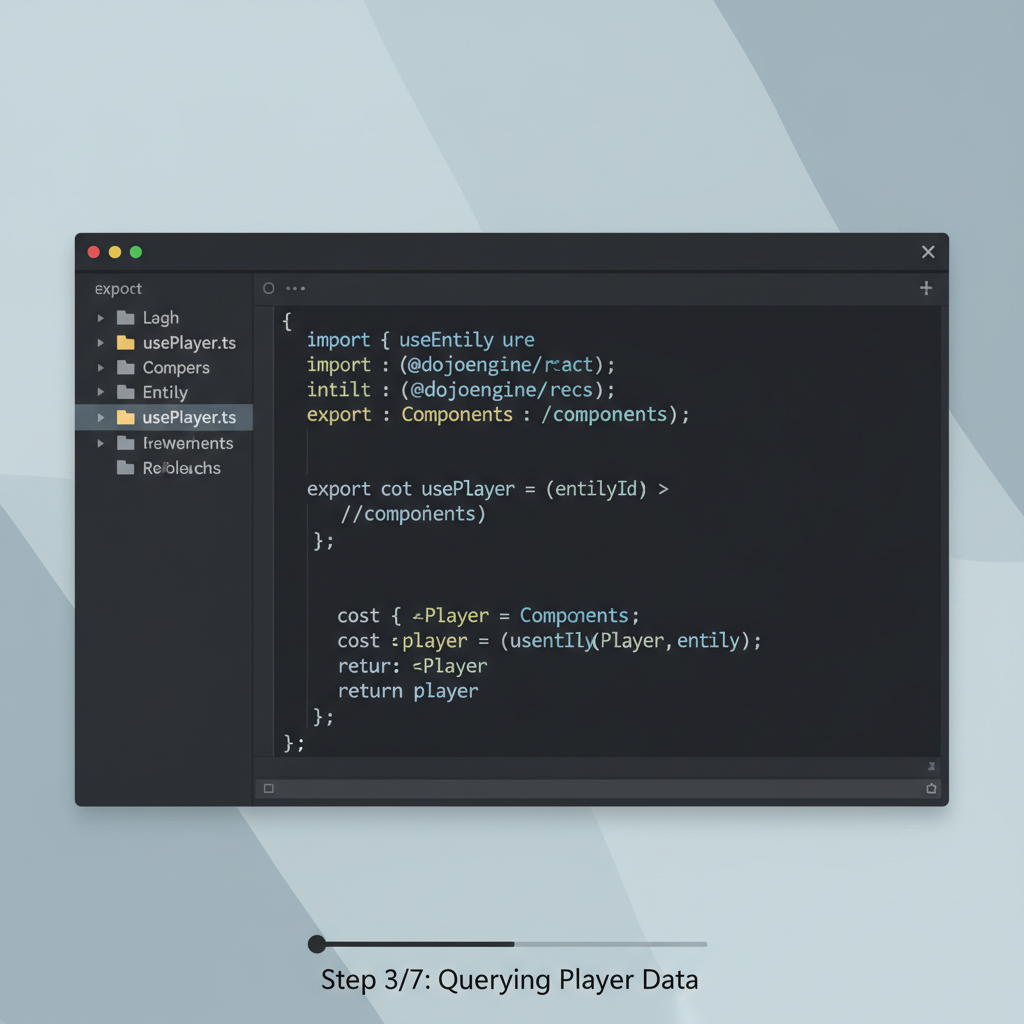 Hook Up Player QueriesUse `const { setup } = useDojo();` in components. Query Player entity: `useEntity({ setup, address: playerAddress, keys: [account.address], schema: Player });`. Render player data like position, health direct from chain.
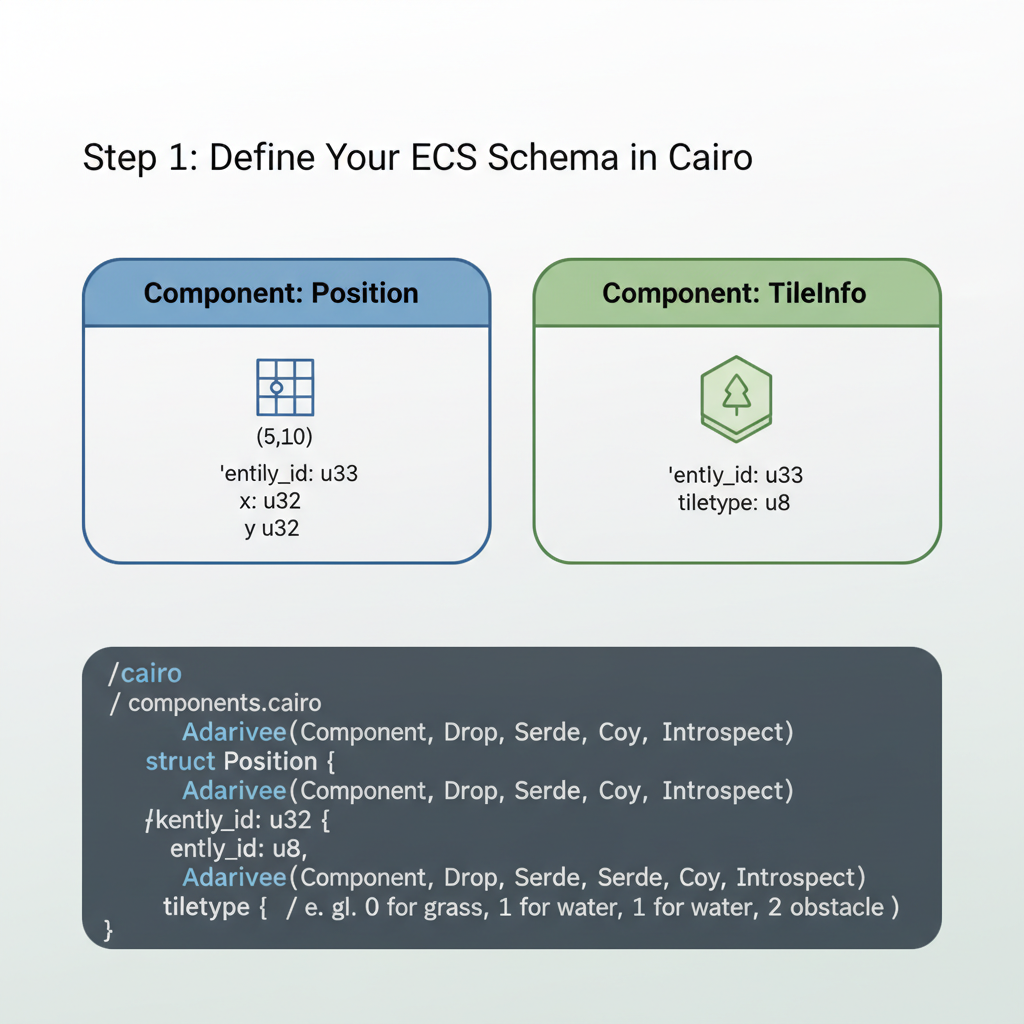 Query Tile EntitiesSame drill: `useEntity({ setup, address: tileAddress, keys: [tileId], schema: Tile });`. Pull tile owner, capture status. Map tiles dynamically—chain state drives your grid UI. No backend BS.
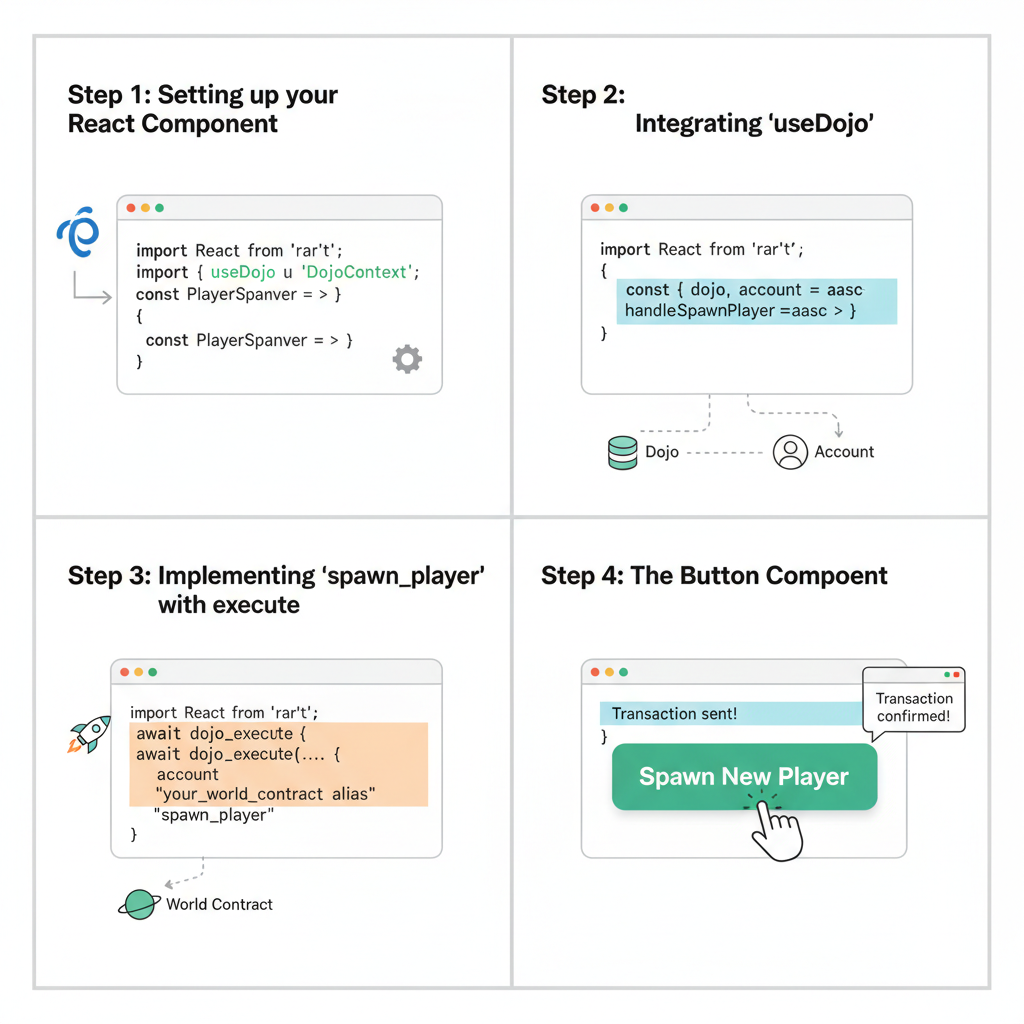 Dispatch Spawn Player ActionGrab `const { execute } = useDojo();`. Call `execute(spawnPlayer, [params]);`. Params: spawn position, team. Button onClick dispatches—player spawns on-chain instantly. Handle tx status.
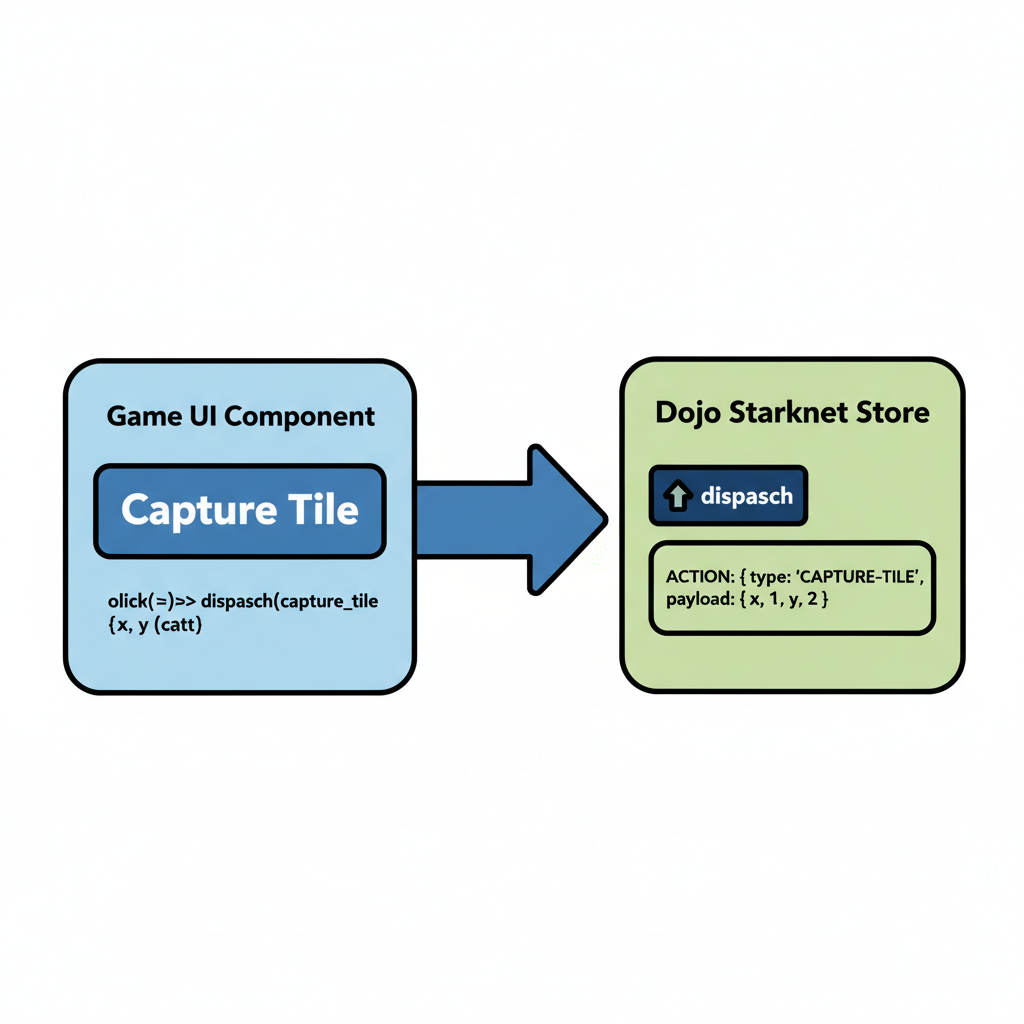 Dispatch Capture Tile Action`execute(captureTile, [tileId, playerId]);`. Trigger on tile click if owned by enemy. Chain validates ownership—UI updates via queries. Pure on-chain logic, no fakes.
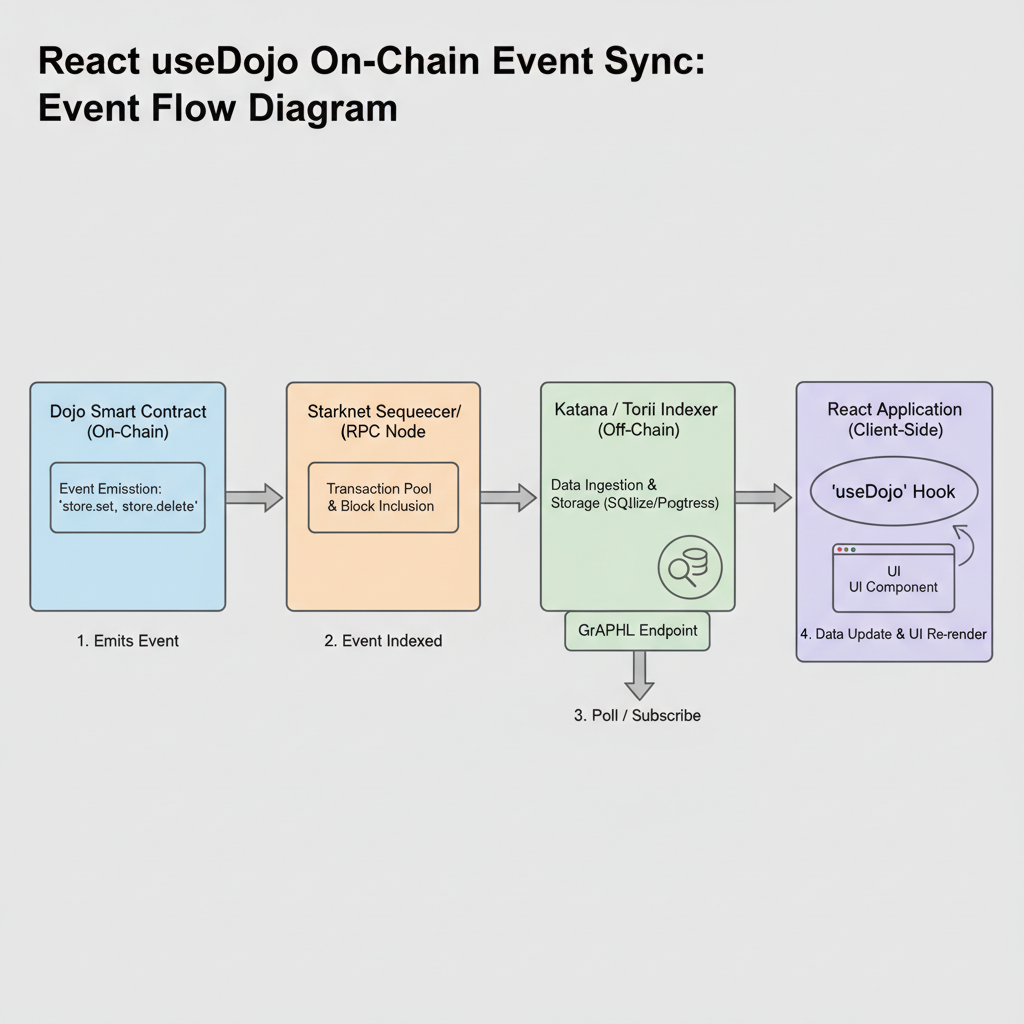 Sync UI with On-Chain EventsSubscribe via `useDojo().subscriber`. Listen for Spawned/Updated events: `subscriber(({ entity }) => updateLocalState(entity));`. Realtime UI sync—no polling. Katana dev env emits fast.
 Testing loops tight: sozo test runs unit/integration on Katana. Fuzz edges with custom inputs; Dojo's deterministic executor exposes races. Gas profiling? Built-in traces. Optimize: batch inserts, index hot paths. Basecamp 12 unpacks this; their Loot Survivor clone benchmarks 10x Web2 speed.
Scaling to Production: Mainnet, Multiplayer, and Beyond
Mainnet migration? Flip chain ID to 1, beef up signer funds. Starknet's 2026 upgrades crank ZK throughput; Ohayo leverages every cycle. Multiplayer? Systems gate on turn models; parallelize non-conflicting actions. RTS scale? Entity sharding via Dojo's world dispatch queues.
Mud dojo starknet games evolve here. Influence systems from StarkWare talks add economy layers: mint NFTs per victory, stake for boosts. All on-chain. Community? DojoByExample repo forks explode; AkatsukiLabs drops weekly. Starkgo proves viability: two-player Go, no custody risks.
Tune for mobile: lightweight queries, WebAssembly bundling. Braavos dApp browser signs txs seamless. Monetize via play-to-airdrop; STRK rewards flow direct. Devs crushing dojo engine build guide prototypes now lead 2026 jams. Ohayo Dojo isn't hype; it's the toolchain printing on-chain hits.
Iterate fast: hot-reload systems locally, deploy diffs. Track metrics via Torii events: DAU, tx volume. Starknet analytics dashboards plug in. Pro tip: hybrid off-chain AI for bot foes, settle on-chain. Future-proofs against centralization FUD.
You're geared. From scaffold to mainnet MVP, Ohayo Dojo compresses months to days. Starknet's provable edge crushes competitors. Build that starknet on-chain game tutorial beast; the ecosystem hungers for your Red vs. Blue empire or Go variant. Dive in, deploy today.


No comments yet. Be the first to share your thoughts!