

In the shifting sands of blockchain gaming's macro landscape, fully on-chain roguelites powered by MUD and Dojo stand as beacons of innovation. These frameworks enable decentralized roguelite Dojo experiences where every death, loot drop, and procedural dungeon persists immutably on-chain, fostering replayability that traditional games can only envy. As 2026 unfolds, titles like zkDungeon and its peers draw players into worlds where ownership isn't a buzzword but a mechanical reality, blending roguelite tension with blockchain's unyielding verifiability.
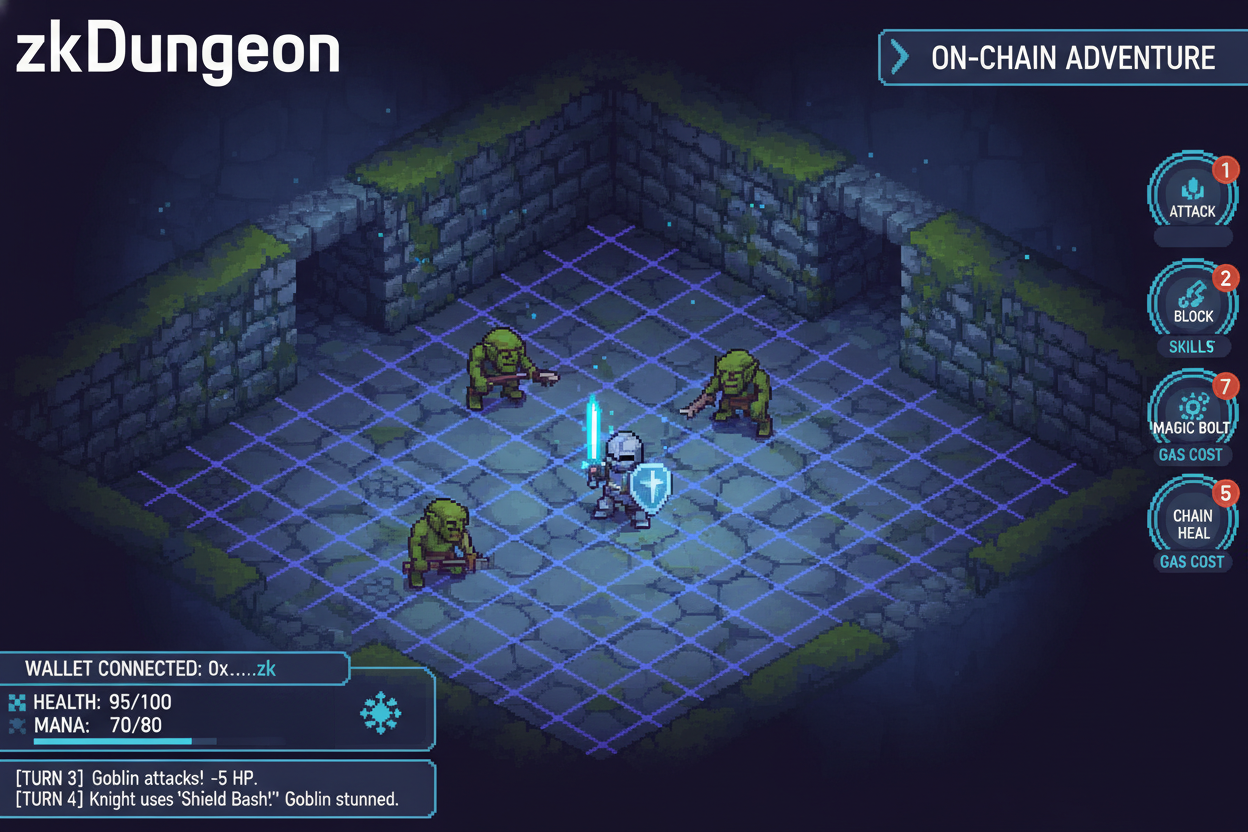
Consider the broader forces at play. On-chain gaming has evolved from niche experiments to a viable ecosystem, with MUD simplifying Ethereum-based autonomous worlds and Dojo leveraging Starknet's Cairo for scalable, provable games. Inspired by Dark Forest's success, projects like zkDungeon emerged in 2021, proving that roguelites could thrive without off-chain crutches. This isn't mere tech stacking; it's a strategic pivot toward games that live independently, rewarding long-term engagement over fleeting hype cycles.
MUD and Dojo: Architectures Fueling Roguelite Resilience
MUD's protocol abstracts Ethereum's complexities, letting developers focus on emergent gameplay loops central to MUD roguelike games. Meanwhile, Dojo's open-source toolkit optimizes for Starknet, enabling massive state updates without prohibitive gas costs. Together, they inherit the 'will' of prior innovations, as BlockBeats notes, ushering in Unity-like fluidity atop fully on-chain foundations. From a portfolio lens, this duo positions roguelites as high-upside bets in Web3 gaming, where player sovereignty drives retention amid market volatility.
Yet the true power lies in their synergy for roguelites. Procedural generation, permadeath, and item rarity gain permanence, turning random runs into verifiable legacies. Cumulo. pro highlights Dojo's Cairo efficiency, while Starknet's rise underscores simplified development. In 2026, this maturity manifests in titles that balance accessibility with depth, appealing to blockchain veterans and newcomers alike.
Charting the Top 7: Pioneers of On-Chain Procedural Peril
Top 7 MUD/Dojo Roguelites
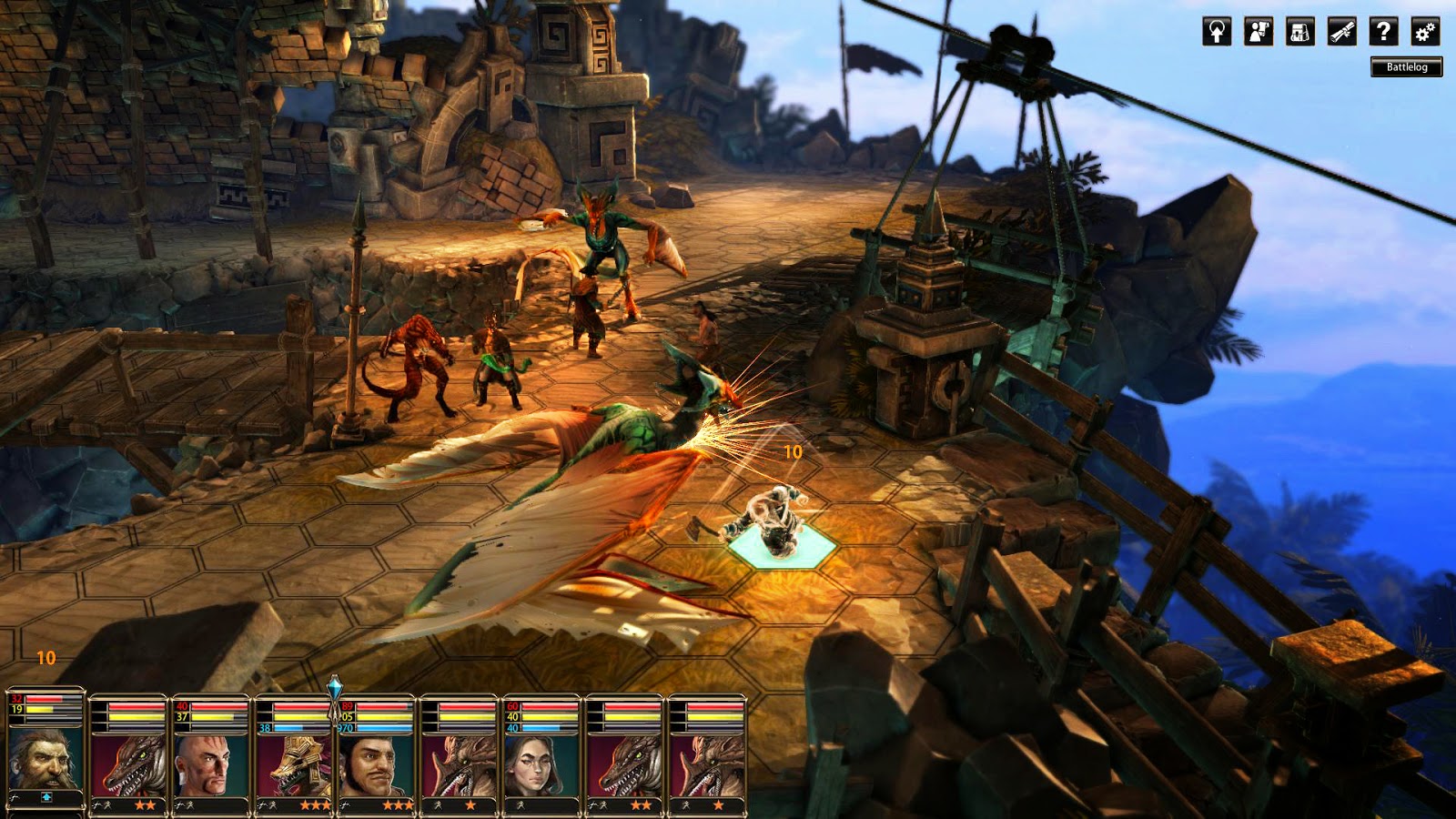
- #1 zkDungeon: Ethereum pioneer from the Lattice team, inspired by Dark Forest in 2021, harnessing MUD for pioneering fully on-chain roguelite mechanics that redefine player ownership and persistence.
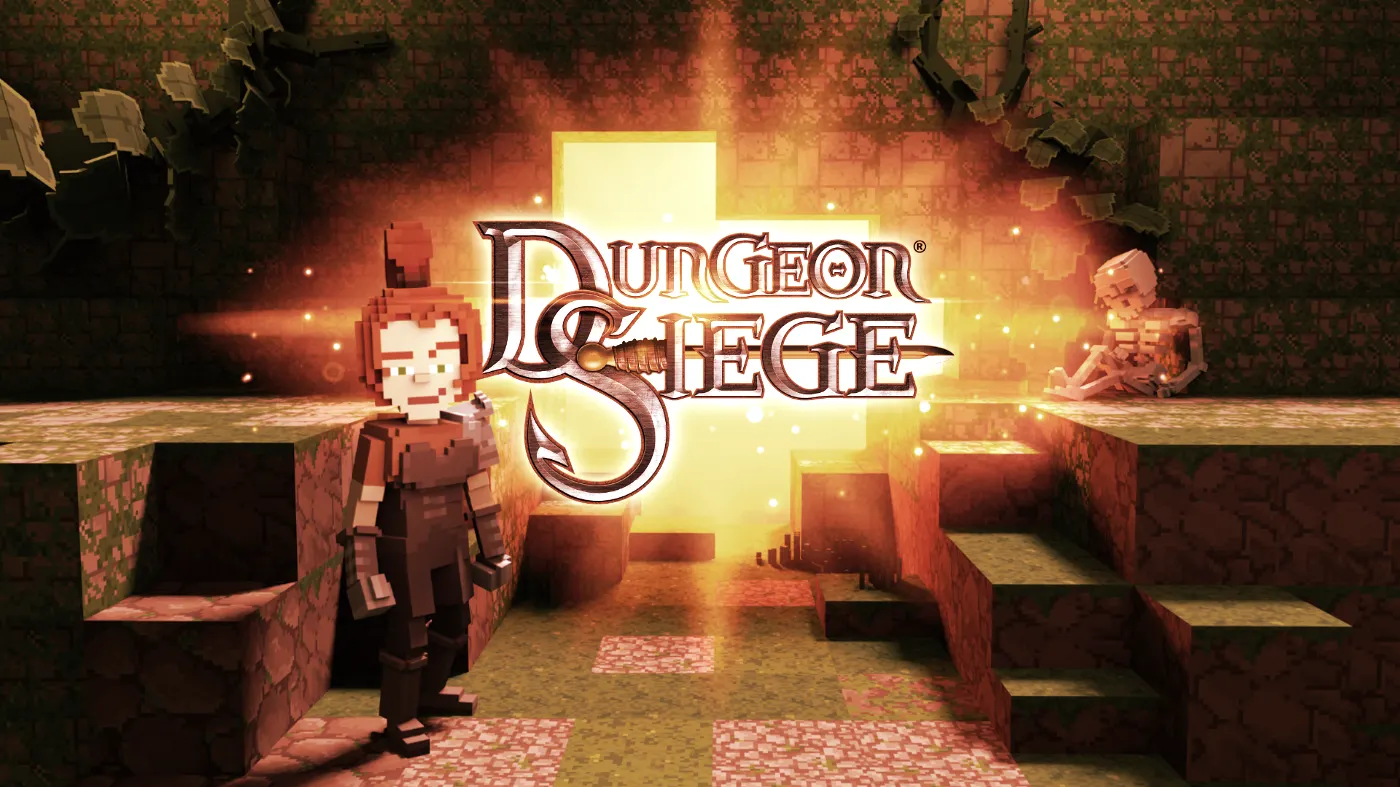
- #2 RogueForge: Starknet standout using Dojo, where forging mechanics blend roguelite procedural generation with on-chain provability, enabling deep customization in a competitive ecosystem.
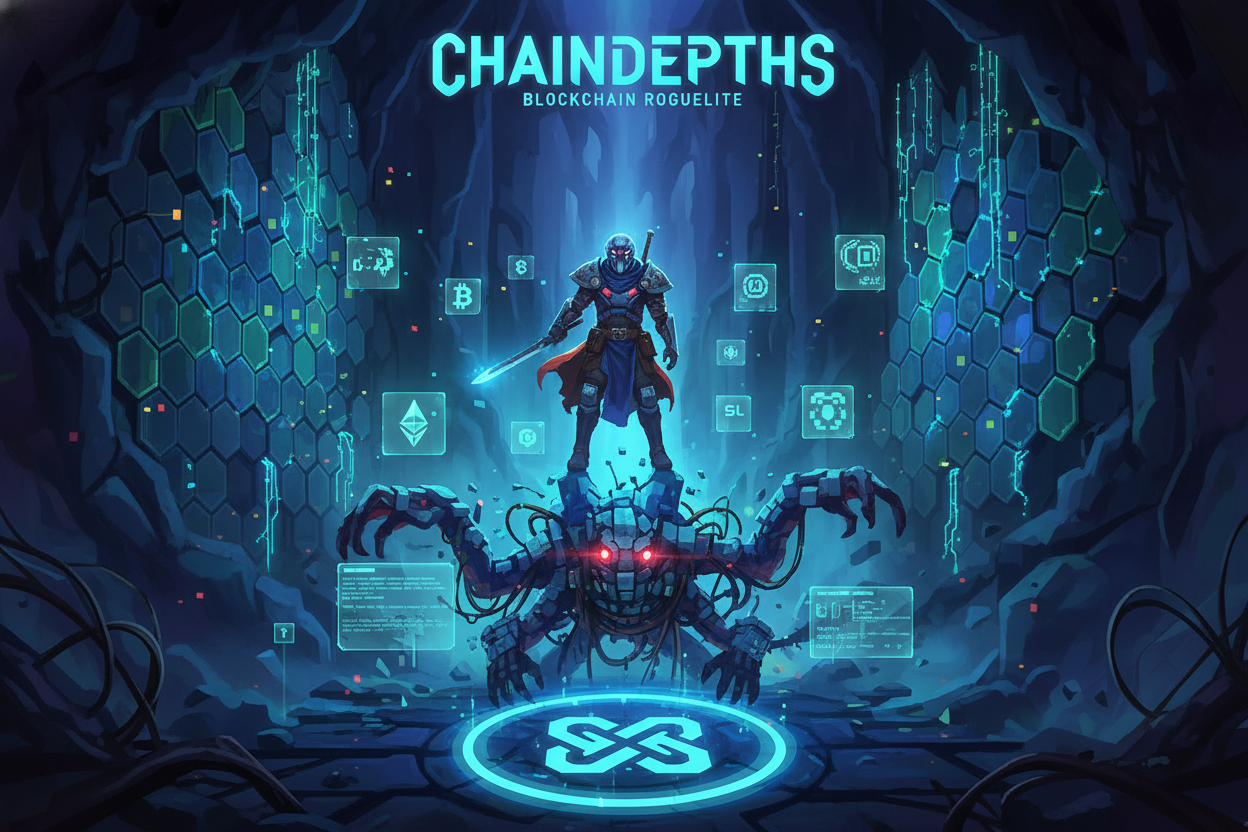
- #3 ChainDepths: Immersive deep dives into procedurally generated on-chain dungeons via MUD, emphasizing exploration and risk-reward dynamics in Ethereum's autonomous worlds.
- #4 Dojo Descent: Tower trials powered by Dojo on Starknet, offering turn-based roguelite challenges with fully verifiable runs, highlighting the shift to provable gaming.
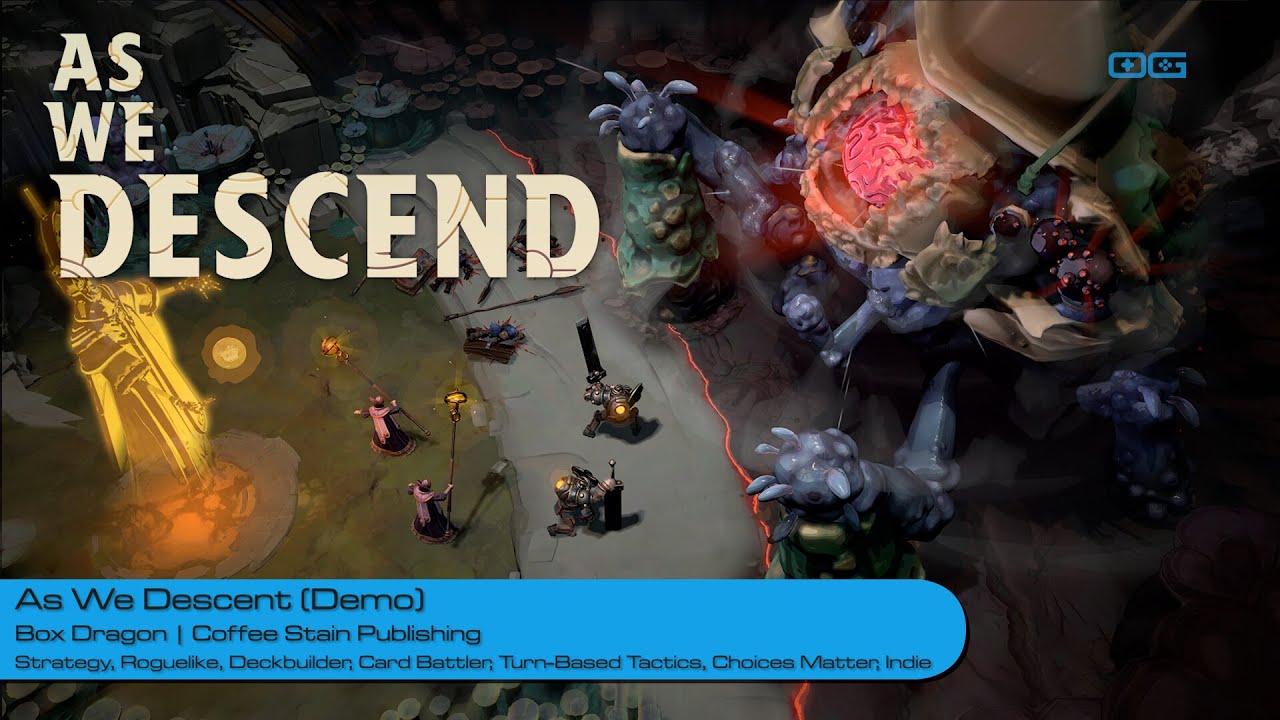
- #5 MUD Labyrinth: Maze mastery on MUD, where intricate on-chain labyrinths test strategic navigation and adaptation, core to Ethereum's evolving roguelite landscape.
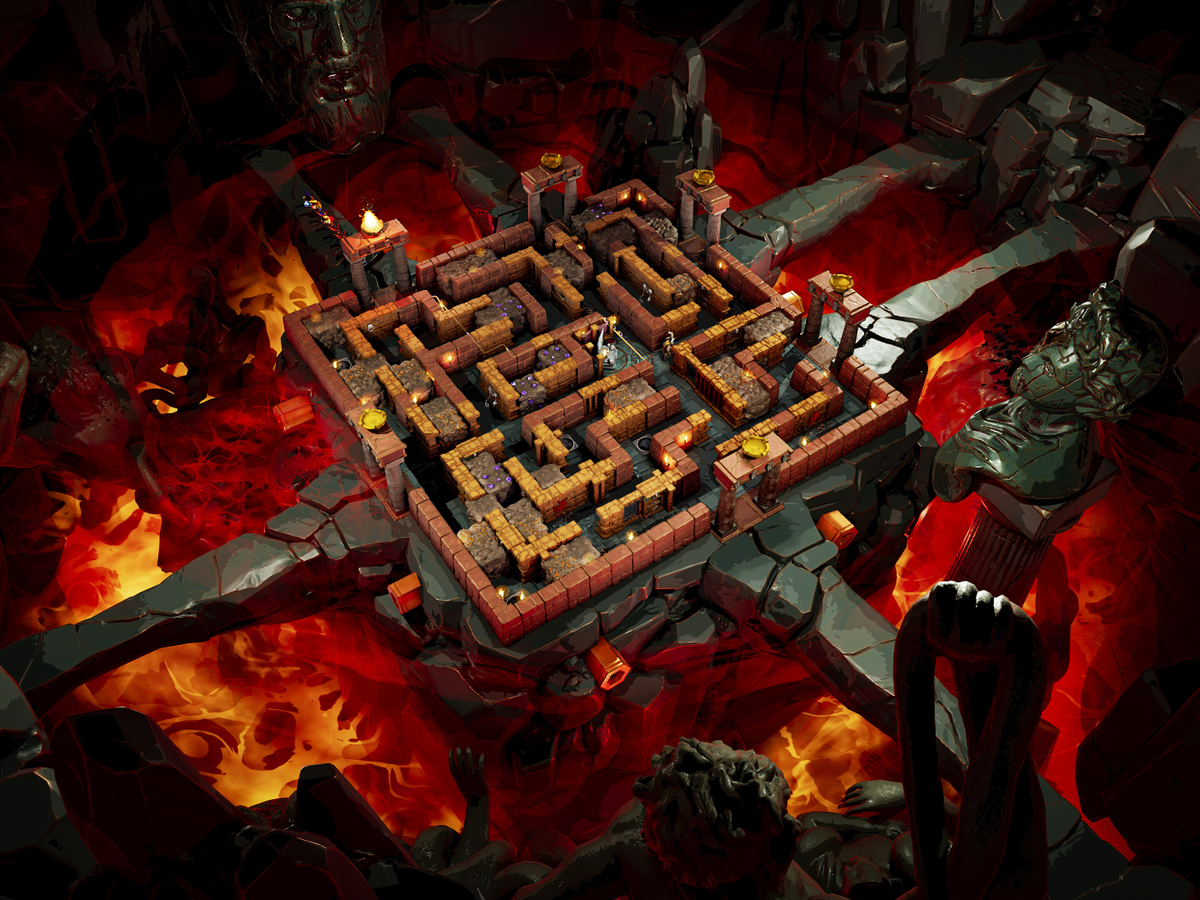
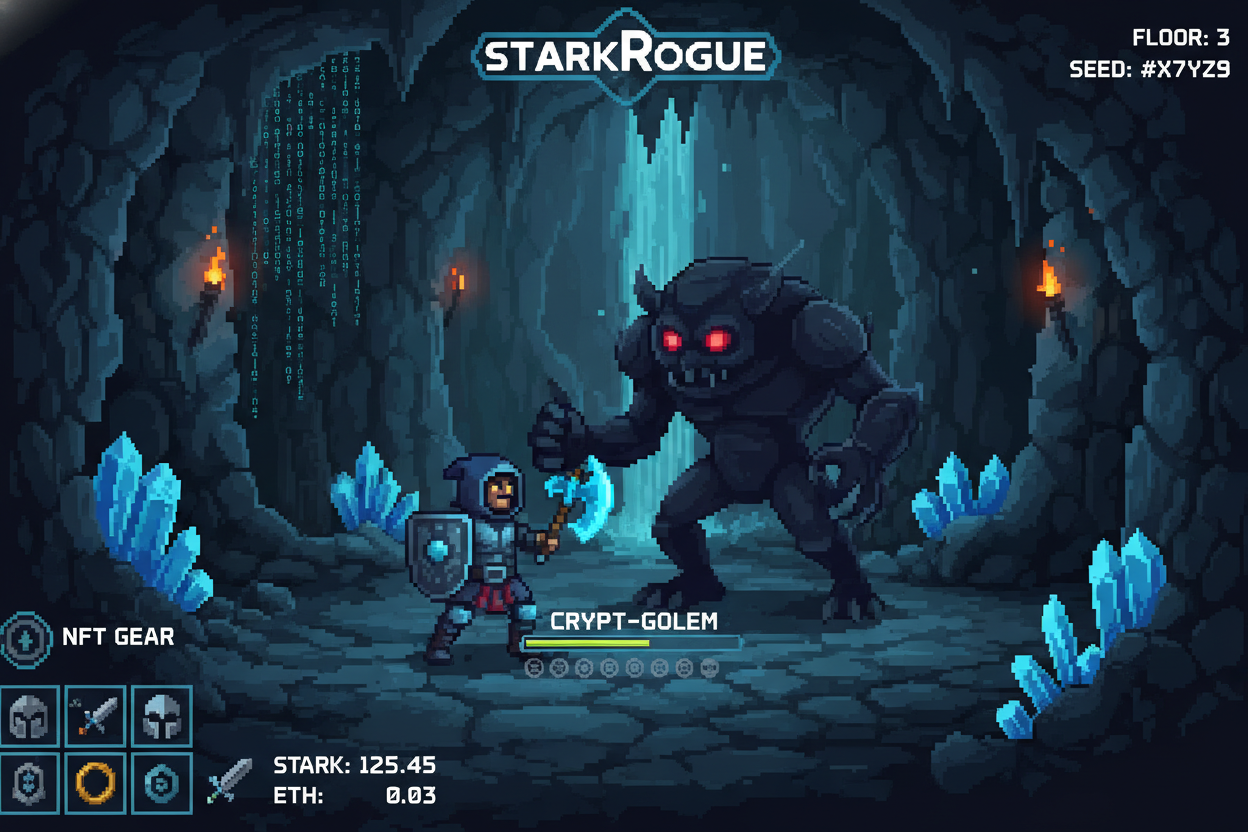
- #6 StarkRogue: Provable runs on Starknet via Dojo, prioritizing zero-knowledge integrity in roguelite permadeath cycles for trustworthy blockchain competition.
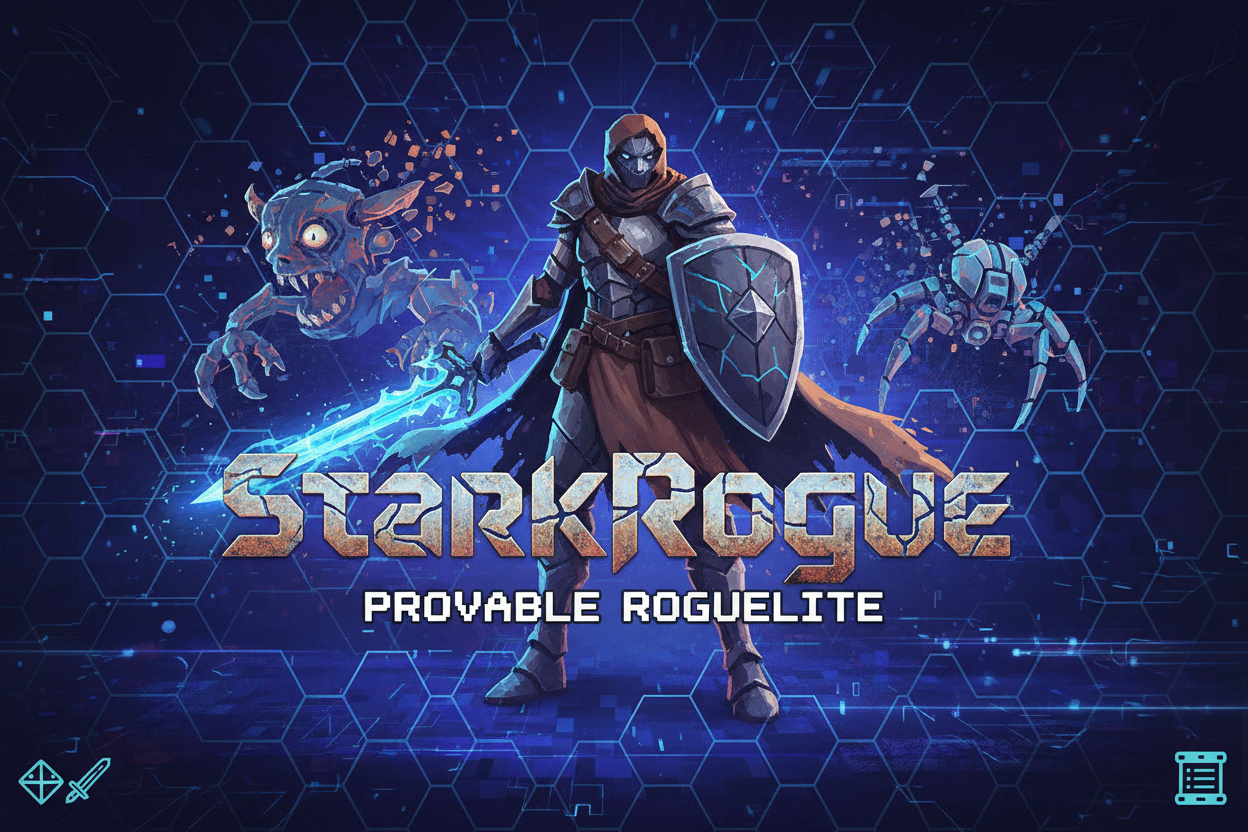
- #7 Ether Crawler: Ethereum depths explored through MUD, delving into resource-scarce crawls that underscore the analytical depth of fully on-chain survival.
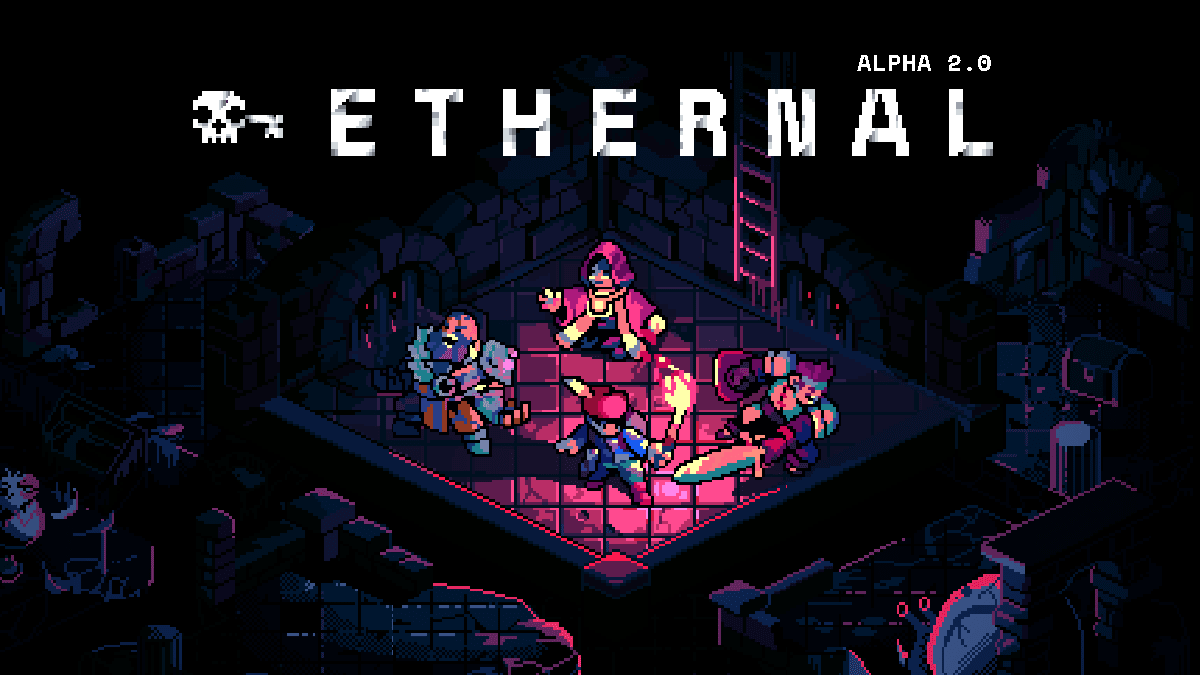
Our curated ranking prioritizes relevance, popularity, and on-chain fidelity in the 2026 ecosystem. Leading the pack, zkDungeon channels Dark Forest's spirit into turn-based dungeon crawls, where zero-knowledge proofs mask strategies while broadcasting outcomes. Players forge paths through infinite layouts, with NFTs as soulbound progression markers. Its Lattice origins underscore a thoughtful evolution from 2021 proofs-of-concept to mature fully on-chain roguelikes.
zkDungeon and RogueForge: Trailblazers in Blockchain Replayability
zkDungeon's macro appeal stems from its autonomous world principles, as Dojo Engine articulates: provable fairness in every randomization seed. Big-picture thinkers will appreciate how it scales community-driven content, with player-submitted biomes etched eternally. Transitioning to RogueForge, this Dojo-built gem emphasizes crafting systems where on-chain forges yield unique weapons, each run a high-stakes gamble on material synergies. Its Starknet deployment ensures sub-second turns, rivaling Web2 fluidity while upholding blockchain roguelike MUD integrity.
ChainDepths follows closely, plunging players into abyssal explorations with MUD's event-sourced architecture tracking every echo-location ping. Dojo Descent ups the ante with ascent mechanics, mirroring roguelite towers but tokenized for guild competitions. These early leaders exemplify how MUD Dojo games 2026 transcend genres, weaving economic models into core loops without compromising tension.
MUD Labyrinth elevates maze navigation to a strategic art form, leveraging MUD's modular architecture for branching paths that evolve based on collective player data. Each dead-end or shortcut becomes a shared on-chain artifact, informing future runs and creating emergent meta-strategies. This decentralized roguelite Dojo influence shines in its guild-synced leaderboards, where alliances form around optimized routes, turning solo peril into communal conquest.
StarkRogue pushes provable randomness to its limits on Starknet, where Dojo's Cairo optimizations deliver fluid, turn-based skirmishes against adaptive foes. Players collect soulbound relics that compound across ascents, embodying the roguelite ethos of high-variance progression. Its macro narrative resonates: in a volatile crypto winter or bull, these verifiable wins provide psychological anchors, much like diversified digital asset holdings.
Mid-Pack Powerhouses: Depth and Strategy in ChainDepths to StarkRogue
Top 7 MUD/Dojo Roguelites
- #1 Ether Crawler: Ethereum-native crawler using MUD framework excels in persistent world simulation, enabling infinite procedural dungeons with true on-chain state, topping 2026 popularity for its seamless autonomous world integration.
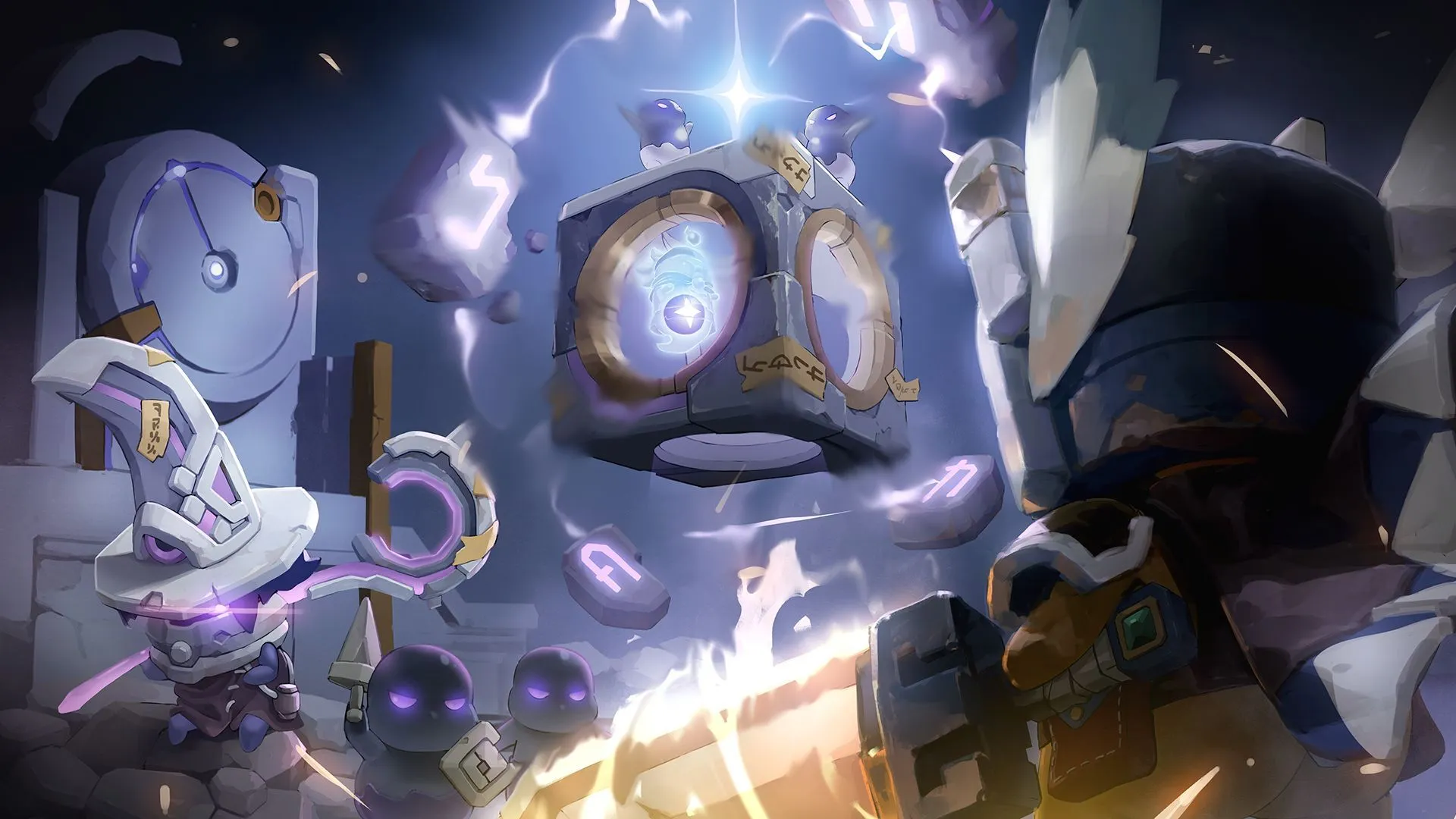
- #2 StarkRogue: Starknet-powered via Dojo, its relic compounding runs allow exponential progression through on-chain relic fusion, fostering strategic depth in roguelite replayability.
- #3 MUD Labyrinth: MUD-built meta-maze alliances drive cooperative play across Ethereum layers, where player guilds shape evolving labyrinths, highlighting social dynamics in fully on-chain ecosystems.
- #4 Dojo Descent: Dojo framework powers intense guild tower battles on Starknet, with on-chain PvP towers that scale with community participation, redefining competitive roguelite structures.
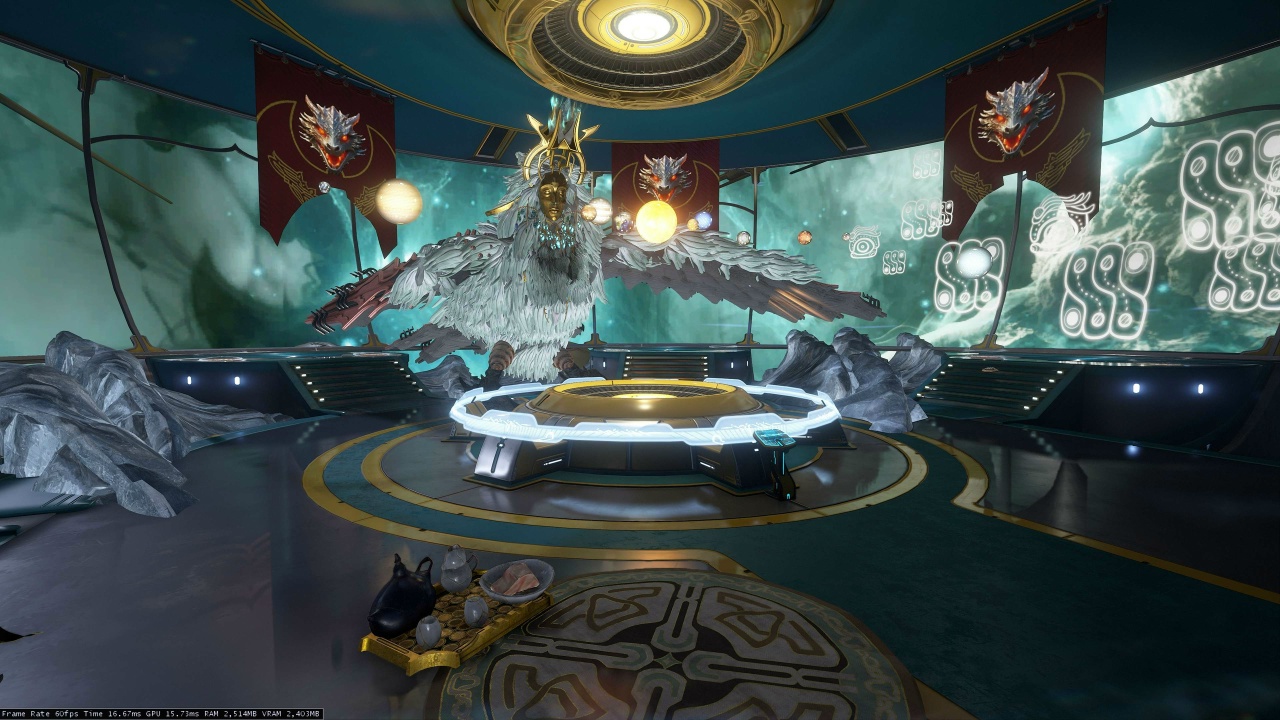
- #5 ChainDepths: Abyssal loot economies in this MUD title create volatile on-chain markets for deep-chain artifacts, analytically superior for economic simulation in roguelite progression.
- #6 RogueForge: Forging custom roguelite paths on Starknet with Dojo, emphasizes player-crafted modules and on-chain modularity, gaining traction for its extensible autonomous world design.
- #7 zkDungeon: Pioneering Lattice project on Starknet via early Dojo influences, offers ZK-proven roguelite exploration inspired by Dark Forest, foundational for 2026 FOCG evolution.
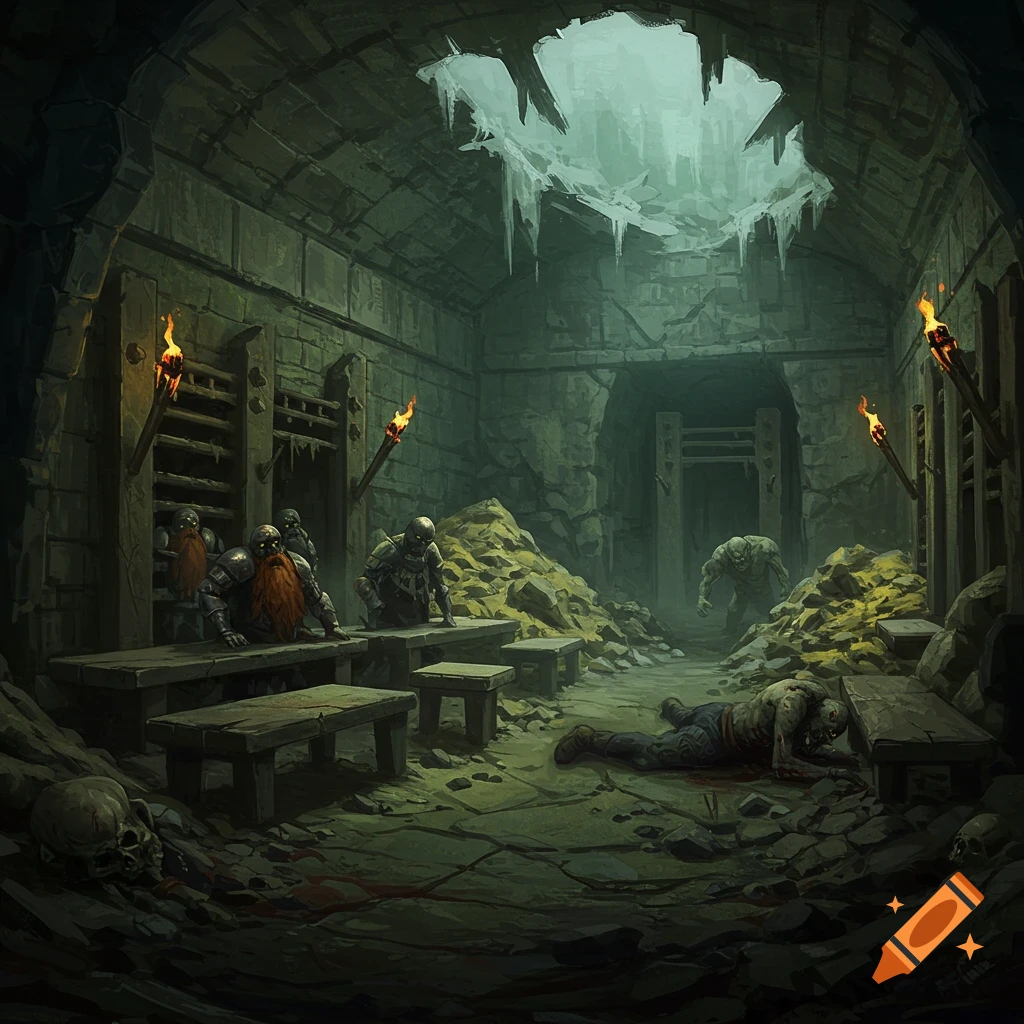
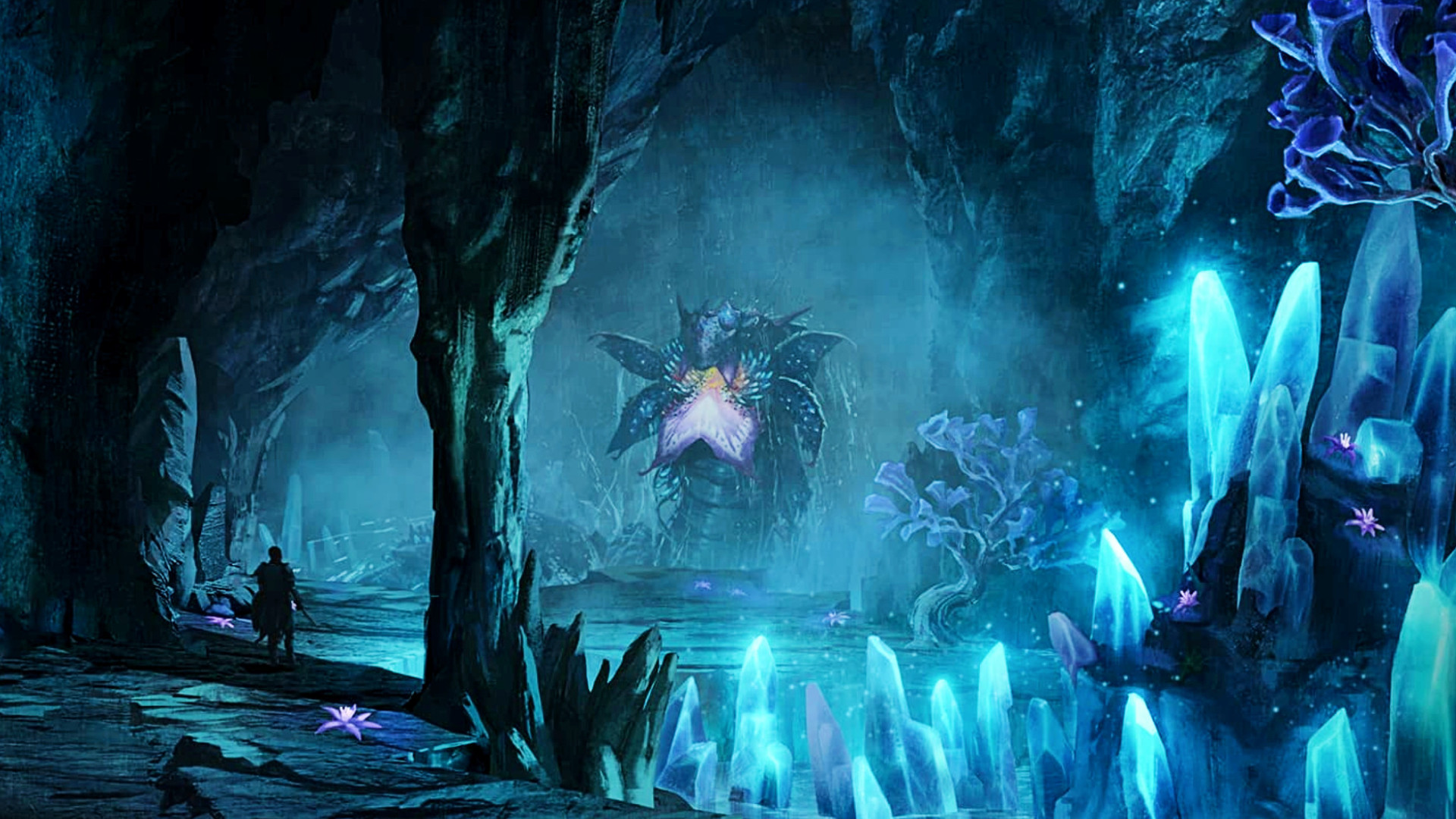
Rounding out Ether Crawler, this Ethereum stalwart dives into crawler mechanics with MUD's event sourcing capturing every crawl's nuance, from slime encounters to boss evolutions. Procedural biomes refresh weekly via on-chain oracles, ensuring no two descents mirror each other. Its integration of gas-efficient indexing makes deep runs feasible for casual players, democratizing access in an ecosystem often gated by costs.
Zooming out, these seven titles, zkDungeon's zk-proofs, RogueForge's crafting, ChainDepths' depths, Dojo Descent's towers, MUD Labyrinth's mazes, StarkRogue's provability, and Ether Crawler's crawls, form a resilient portfolio within MUD Dojo games 2026. They sidestep Web2 pitfalls like server wipes or centralized loot, instead embedding economic flywheels where player actions accrue value. BITKRAFT's zkDungeon origins highlight this trajectory: from 2021 experiments to 2026 staples, mirroring blockchain's maturation.
Analytically, their staying power stems from cross-framework synergies. MUD's Ethereum roots offer familiarity for ETH maxis, while Dojo's Starknet scalability attracts L2 enthusiasts. Procedural elements, once gas hogs, now hum efficiently, as Cumulo. pro details in Dojo's optimizations. This isn't hype; it's structural: roguelites' short bursts align with on-chain tx patterns, fostering daily habits that compound into network effects.
Macro Bets: Why Roguelites Anchor On-Chain Gaming Portfolios
In portfolio terms, allocate to these fully on-chain roguelikes for asymmetric upside. Their NFT primitives, soulbound progress, tradeable gear, create secondary markets that buffer downturns. zkDungeon's biomes, for instance, trade as fractional positions, akin to real-world collectibles. Dojo Descent's crowns incentivize long holds, countering pump-and-dump mentalities. As Starknet's ecosystem swells, StarkRogue and RogueForge position holders at the efficiency frontier.
Looking ahead, expect hybrid modes blending MUD's autonomy with Dojo's speed, spawning cross-chain crawlers. Paragraph. com's inheritance-of-will thesis rings true: developers, unburdened by blockchain drudgery, iterate rapidly. Players gain true legacies, your Ether Crawler run from today verifiable in 2030. This verifiability isn't gimmicky; it's the forest view, where individual runs aggregate into cultural artifacts, sustaining engagement through market cycles.
Engage these worlds not as games, but as positions in gaming's decentralized future. Their on-chain permanence ensures that every permadeath fuels the next revival, much like blockchain's own resilient ledger.



No comments yet. Be the first to share your thoughts!