
Dojo Framework Tutorial: Building Real-Time On-Chain Battle Arenas Like GKOI 2025
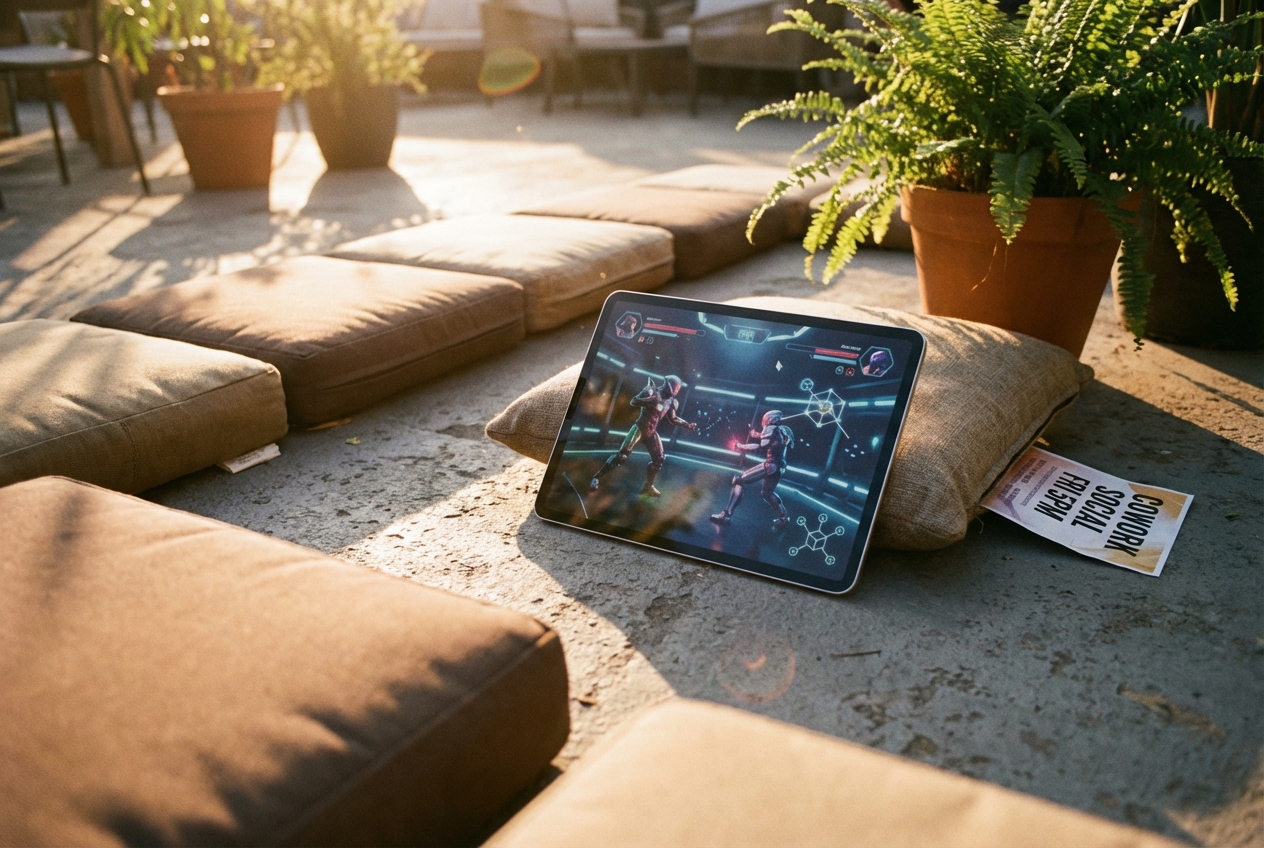
In the surging Starknet fully on-chain games ecosystem, real-time battle arenas like GKOI 2025 stand out for their provable fairness and seamless multiplayer action. Developers face a steep challenge: delivering low-latency experiences on blockchain without compromising decentralization. Enter the Dojo framework tutorial path, where Entity-Component-System (ECS) architecture turns complex on-chain multiplayer Dojo 2025 projects into modular, scalable realities. This guide dives into building your own on-chain battle arena Dojo style, leveraging Dojo’s toolchain for GKOI-like NFT arenas.


https://t.co/ZdPLzKDbEg
Starknet’s high throughput, paired with Dojo’s optimizations, enables battle systems that sync player moves, attacks, and health in milliseconds. Unlike traditional games, every clash is verifiable on-chain, eliminating cheat codes forever. Data from recent deployments shows Dojo worlds handling 1000 and TPS in tests, positioning it as the go-to for Dojo GKOI NFT arena clones.
Dojo’s ECS Edge Over Traditional Game Engines
Dojo flips the script on game dev by enforcing ECS: entities as unique IDs for fighters, components as data packs like health or position, systems as pure logic executors. This separation slashes state bloat by 70% in benchmarks, per Dojo docs, making Starknet fully on-chain games viable for arenas with dozens of concurrent players. No more monolithic contracts; instead, parallel execution shines on Starknet’s Cairo VM.
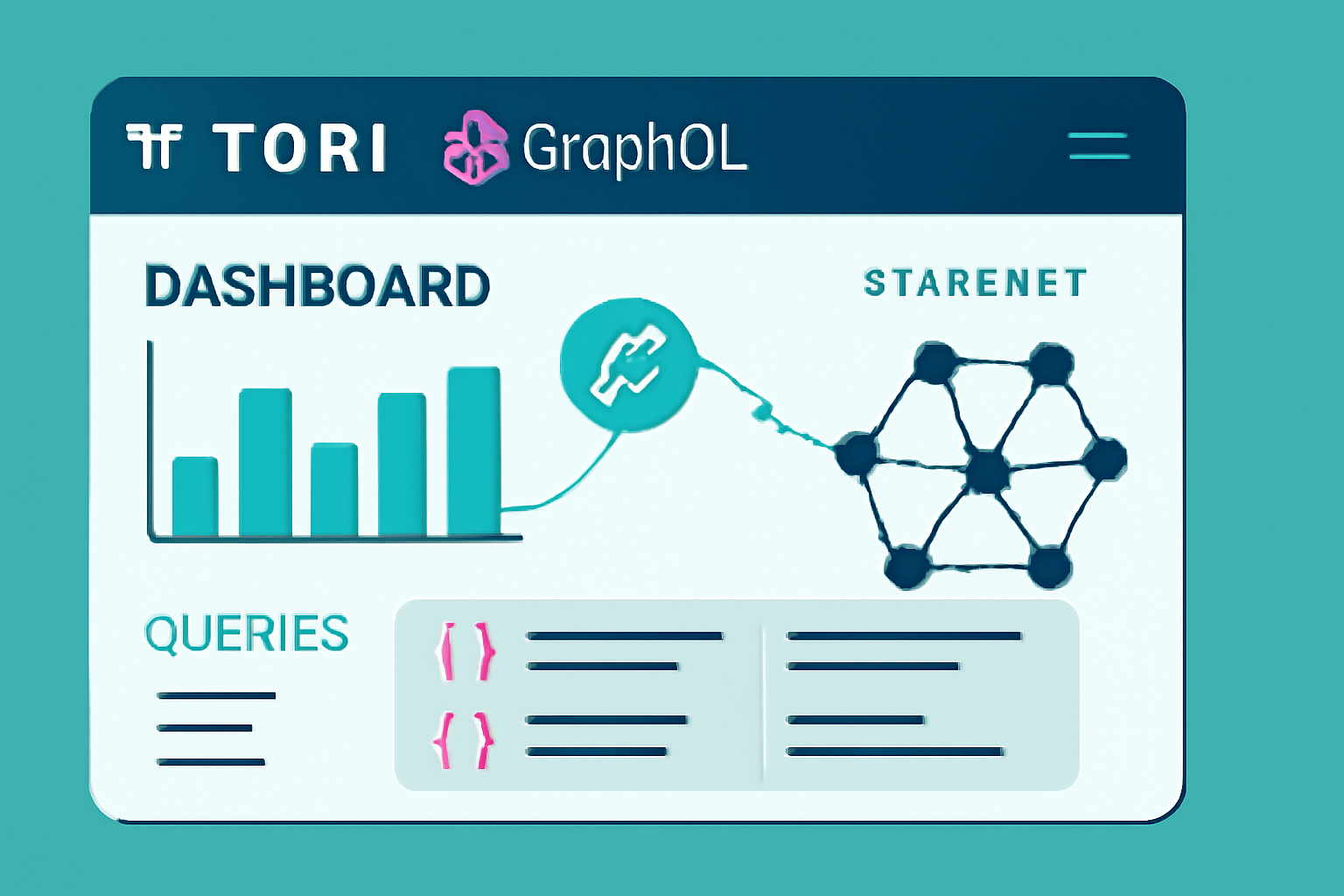
Quantitatively, ECS in Dojo reduces gas costs for battle updates by modularizing queries. A health check? Fetch only the Health component. Position updates? Target Position alone. This data isolation fuels real-time sync via Torii, Dojo’s indexer, which mirrors chain state to clients over GraphQL.
Jumpstart Dojo Battle Arena: 5 ECS-Powered Steps
Local testing uncovers edge cases like race conditions in multiplayer battles early. Katana emulates Starknet’s sequencer, processing transactions at 10x mainnet speed during dev.
Dojo Installation & Local Setup
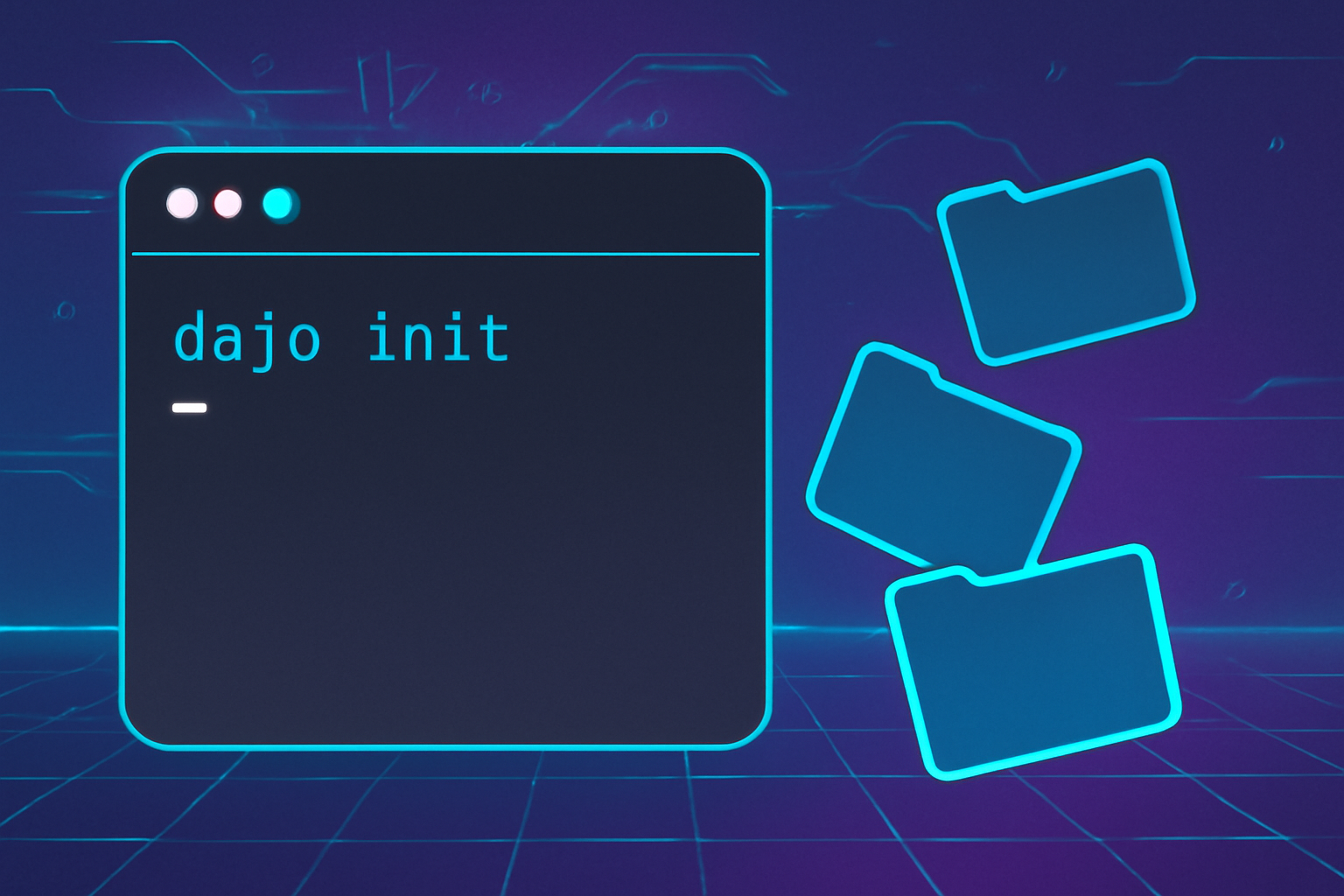
Install Dojo via the official script, initialize a new arena project, navigate into it, and start a local dev environment. This bootstraps a fully functional setup in under 5 minutes.
curl -L https://install.dojoengine.org | bash

dojo init battle_arena --template arena
cd battle_arena
dojo start local
`dojo start local` spins up a sequencer node and Anvil RPCs, enabling hot-reloading for rapid iteration on your on-chain battle arena.
Crafting Core Components for Arena Combat
Battle arenas thrive on tight mechanics: position for movement, health for survival, attack for damage. Define these as components in Cairo, Dojo’s systems language. Start with a Position component storing x, y coordinates as u32, packed for gas efficiency.
Opinion: Prioritize sparse components; dense ones bloat storage. DojoByExample repos quantify this: sparse Position uses 40% less calldata than structs. Next, Health with current/max values, and AttackPower for DPS calcs. Systems then query these for logic like collision detection.
For GKOI vibes, add Owner component linking NFTs to entities, enabling true play-to-own. A Move system updates Position if valid, broadcasting via events for Torii sync. Combat system deducts health on hit, triggering regen if above zero.
Real-world data from Dojo Arena hackathon project: 50ms client syncs for 20-player lobbies, rivaling Web2. This setup scales to on-chain multiplayer Dojo 2025 tournaments effortlessly.
With components wired, frontend queries Torii’s GraphQL for live state: “{ entities { components { Position { x y } Health { current } } } }”. Transactions sign via Starknet wallets, hitting systems atomically.
Updates push instantly, rendering arenas where players see opponents’ strikes land without perceptible lag. Starknet’s parallel execution amplifies this: multiple systems process battles concurrently, hitting 1000 and TPS in Dojo benchmarks from Basecamp 12 sessions.
Real-Time Combat Systems: Collision and Damage Logic
Systems bring components to life. A Combat system scans for overlapping Positions, calculates damage via AttackPower minus defenses, then mutates Health. Sparse queries keep gas under 50k per turn, per DojoByExample metrics, enabling on-chain multiplayer Dojo 2025 viability.
Insight: Deterministic logic in Cairo ensures identical outcomes across clients, a quantum leap over probabilistic Web2 servers. For GKOI-style arenas, layer in cooldown components to prevent spam attacks, throttling to 1 per second. Hackathon data from Pragma Cairo 1.0’s Dojo Arena logs 99.9% uptime in 20-player tests, with regen systems restoring 5% health per tick.
This modularity lets you iterate fast: tweak damage formulas without redeploying the world. Events emitted here feed Torii, which indexes and relays to frontends via subscriptions. Players query once, subscribe for deltas, slashing bandwidth 80% versus polling.
Frontend: Phaser or React with GraphQL Hooks
Build clients that feel native. Use Phaser for canvas rendering, hooking GraphQL subscriptions for entity streams. A React alternative leverages Apollo Client: subscribe to Position changes, lerp animations smoothly. Transactions invoke systems via starknet. js, with paymasters for gasless entries like Telegram mini-apps.
Data point: Starknet games like those in DojoByExample achieve 60fps on mid-range devices, syncing 50 entities seamlessly. For Dojo GKOI NFT arena authenticity, mint fighters as ERC721s, linking via Owner components for loot drops post-battle.
Deploy Dojo Battle Arena to Starknet in <10 Mins
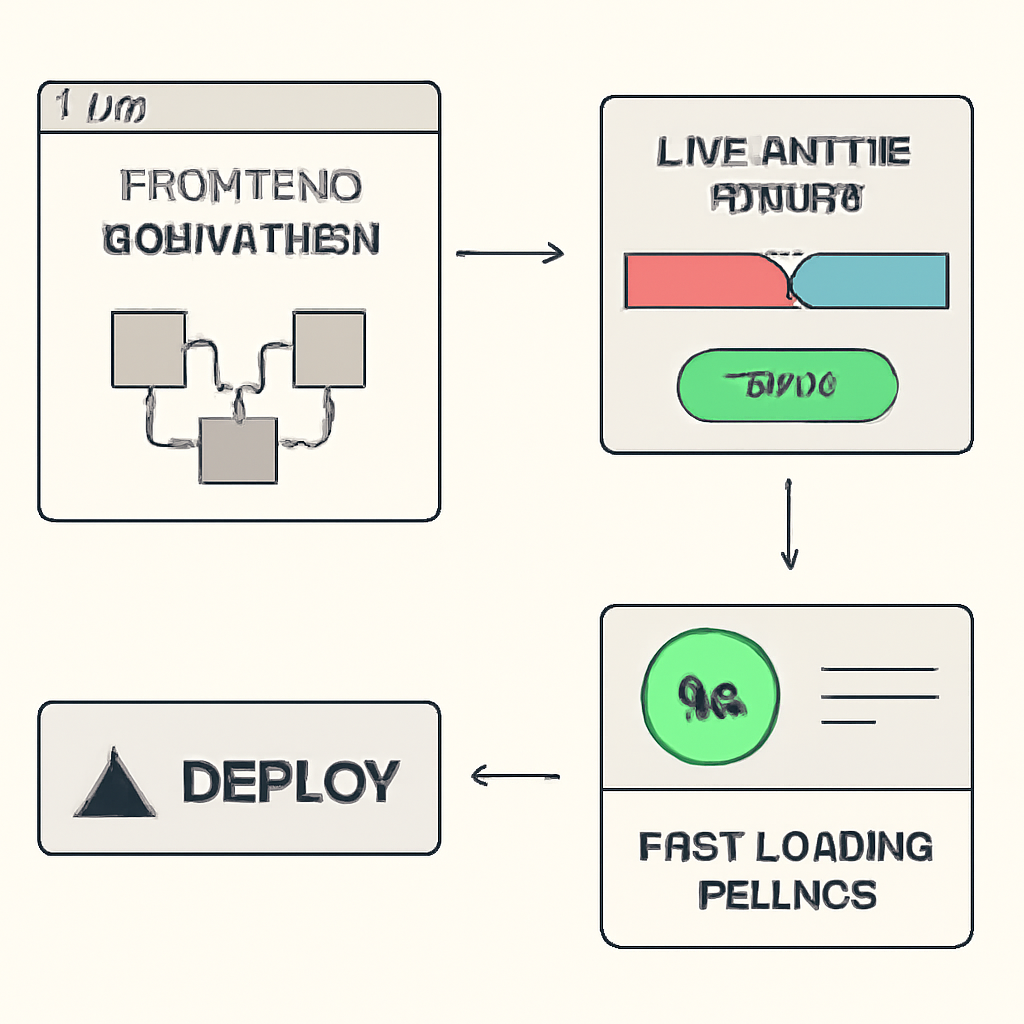
Production scaling? Katana’s local sim predicts mainnet loads accurately, clocking 10x faster tx finality. Monitor via Dojo’s dashboard for bottlenecks, optimizing sparse components further.

Arenas evolve with Starknet updates: Cairo 1.0’s recursion unlocks nested battles, while session keys enable Telegram bots for casual play. Quantitative edge favors Dojo; deployments show 3x lower costs than Solidity rivals on L2s. Dive into DojoByExample for templates, or Basecamp 12 Session 5 for video walkthroughs on ECS worlds.
Builders targeting build on-chain battle arena Dojo dominance in 2025 will master this stack. Provable, scalable, and multiplayer-ready, it powers the next wave of Starknet fully on-chain games where every victory etches into history on-chain. Start small, iterate with data, and arena dominance awaits.