
Building Scalable Multiplayer Games with MUD and Dojo Frameworks on Ethereum 2025
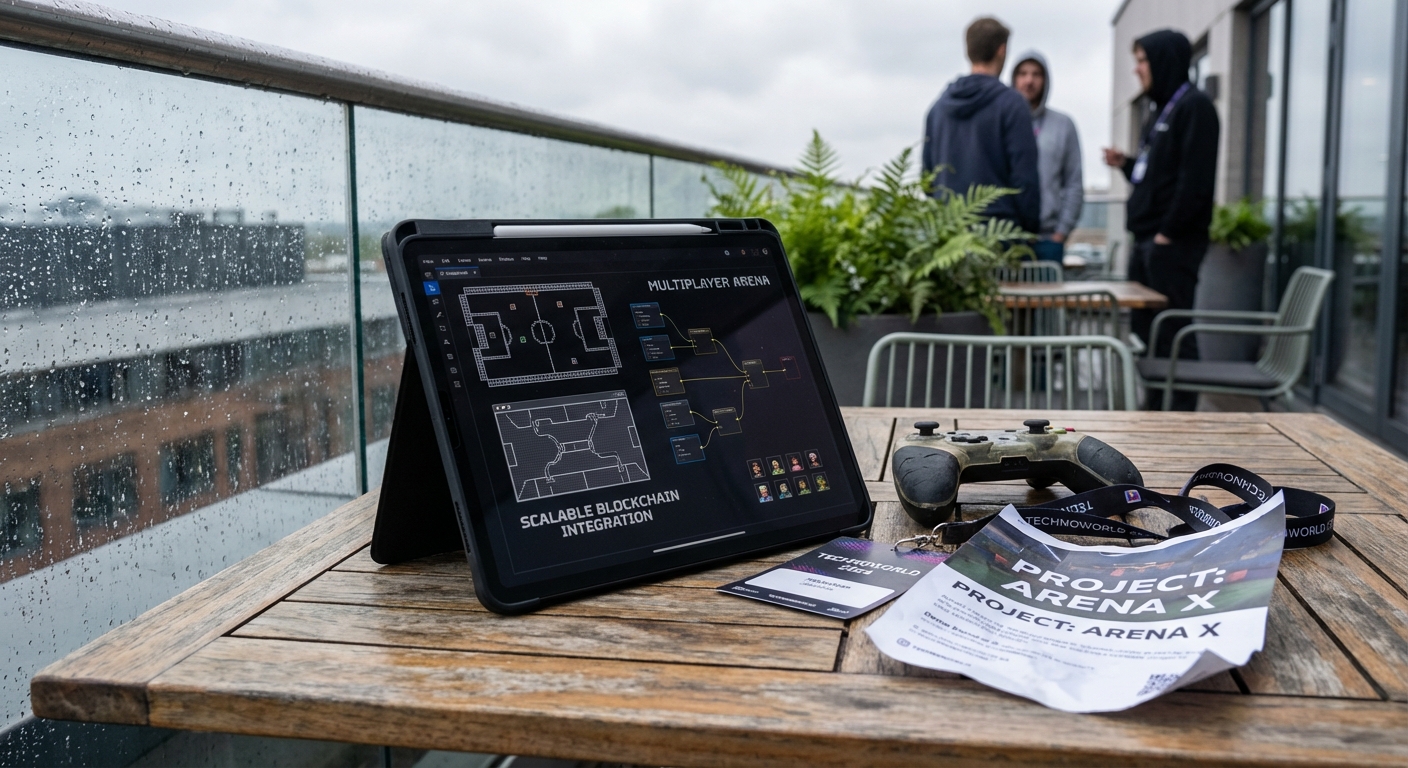
In the shimmering glow of Ethereum’s steady climb to $3,035.21, a quiet revolution brews in blockchain gaming. Developers no longer wrestle with off-chain servers that crumble under player hordes or compromise true ownership. Instead, frameworks like MUD and Dojo empower creators to craft scalable multiplayer games entirely on-chain, where every sword swing, resource gather, and alliance forms etches permanently into the blockchain. Picture OPCraft, a voxel sandbox born in under two days on MUD, drawing 1,500 players and sparking 3.5 million transactions in weeks. This isn’t hype; it’s the new baseline for Web3 gaming in 2025.

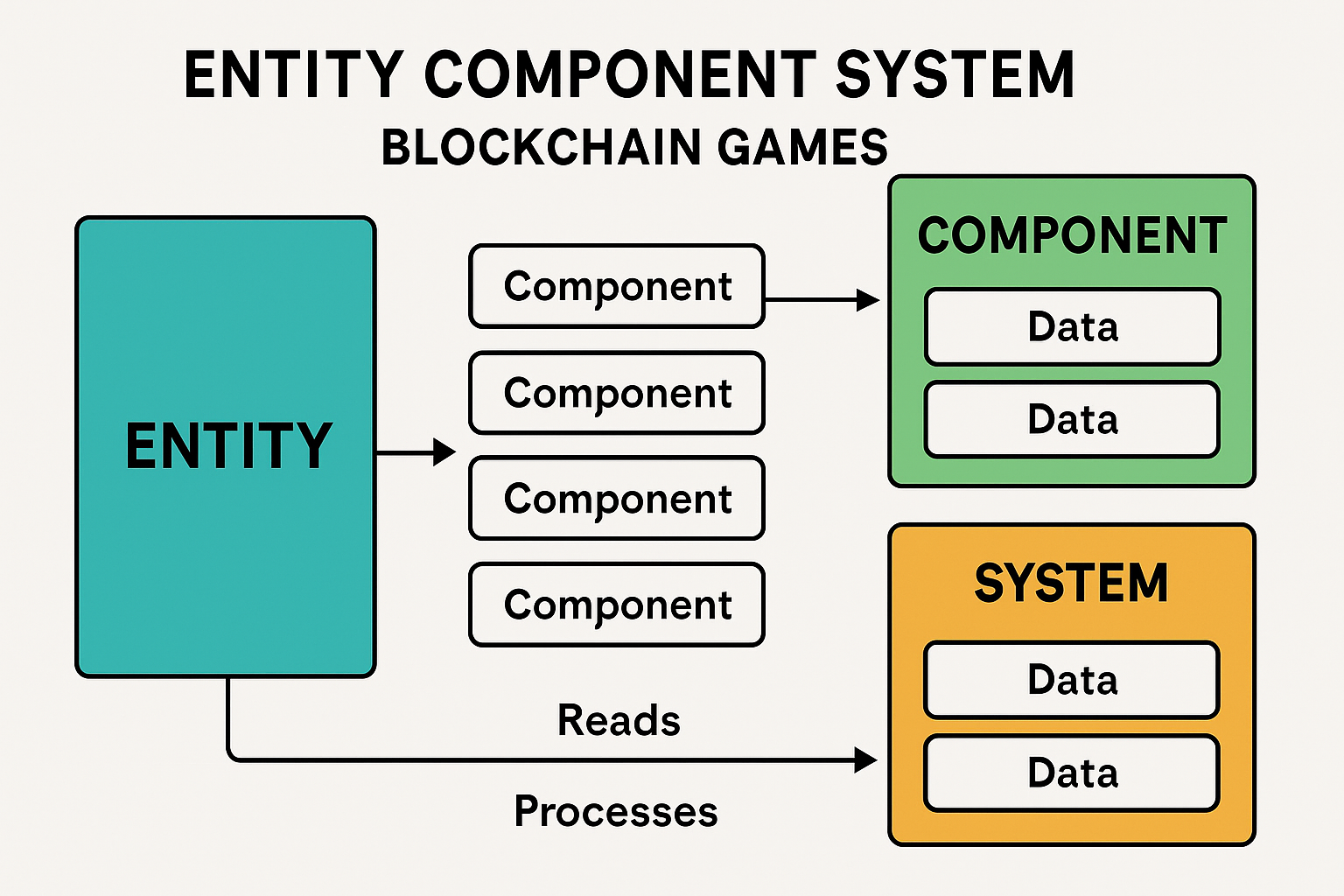
MUD and Dojo stand as twin pillars in this shift, each tailored to Ethereum’s ecosystem yet pushing boundaries differently. MUD thrives on Ethereum Layer 1 and L2s, wielding an entity-component-system (ECS) architecture at the smart contract level. This isn’t just code; it’s a narrative rethink of game state. Components hold data like player positions or inventory slots, entities link them into meaningful objects, and systems process logic deterministically. The result? Modular worlds that compose seamlessly, scaling as player counts swell without the usual gas nightmares.
MUD’s Modular Magic for Ethereum Multiplayer Mastery
At its core, MUD flips the script on traditional game engines. Forget bloated monoliths; MUD’s protocol abstracts storage into tables, queryable off-chain via indexes for buttery-smooth client sync. Developers build MUD framework multiplayer games that feel real-time, even on Ethereum’s deliberate pace. Take Netherscape, the RPG finalist at the AW Hackathon, lauded with MUD’s Most Creative Use Gold. Players roam persistent realms, their quests and loot secured on-chain, fostering economies that pulse with genuine scarcity.
This modularity shines in multiplayer scenarios. Sync a fleet of players in a raid? MUD’s world subscriptions handle it, pushing updates via websockets. Gas efficiency? Optimized indexing cuts reads dramatically. And as Ethereum’s price stability at $3,035.21 underscores network reliability, MUD positions games to capture value from every transaction. For those diving in, check this step-by-step guide to spin up your first world.
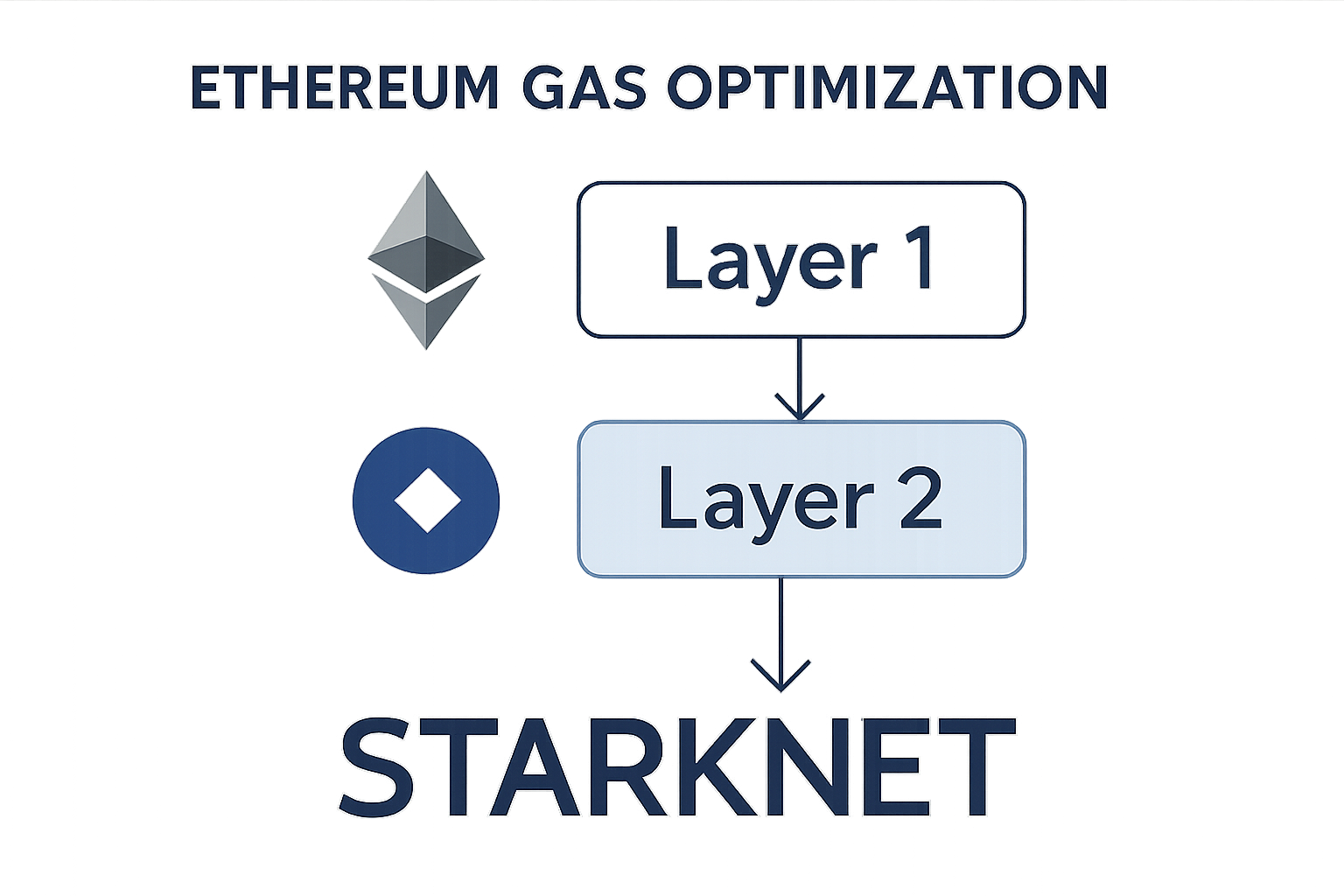
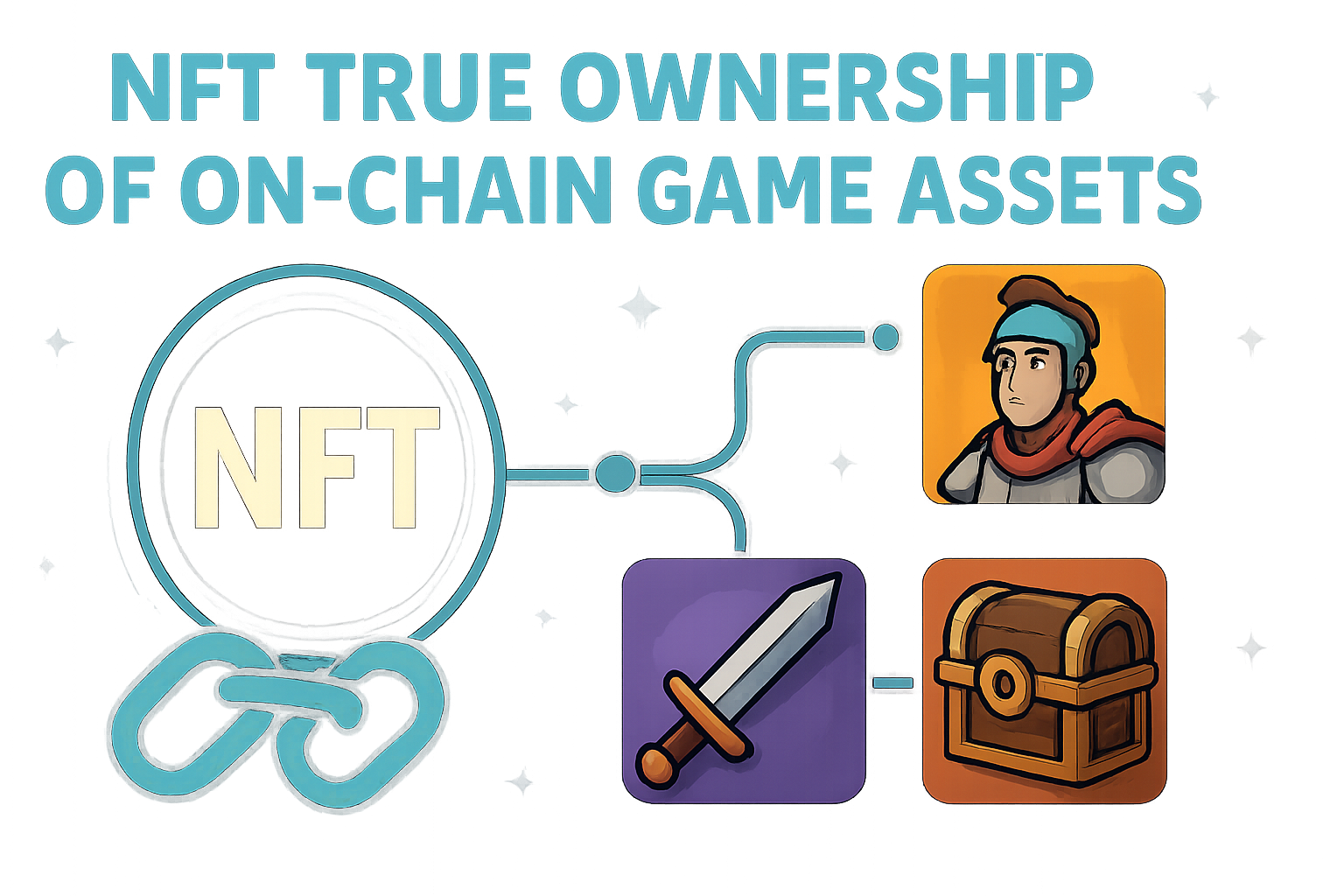
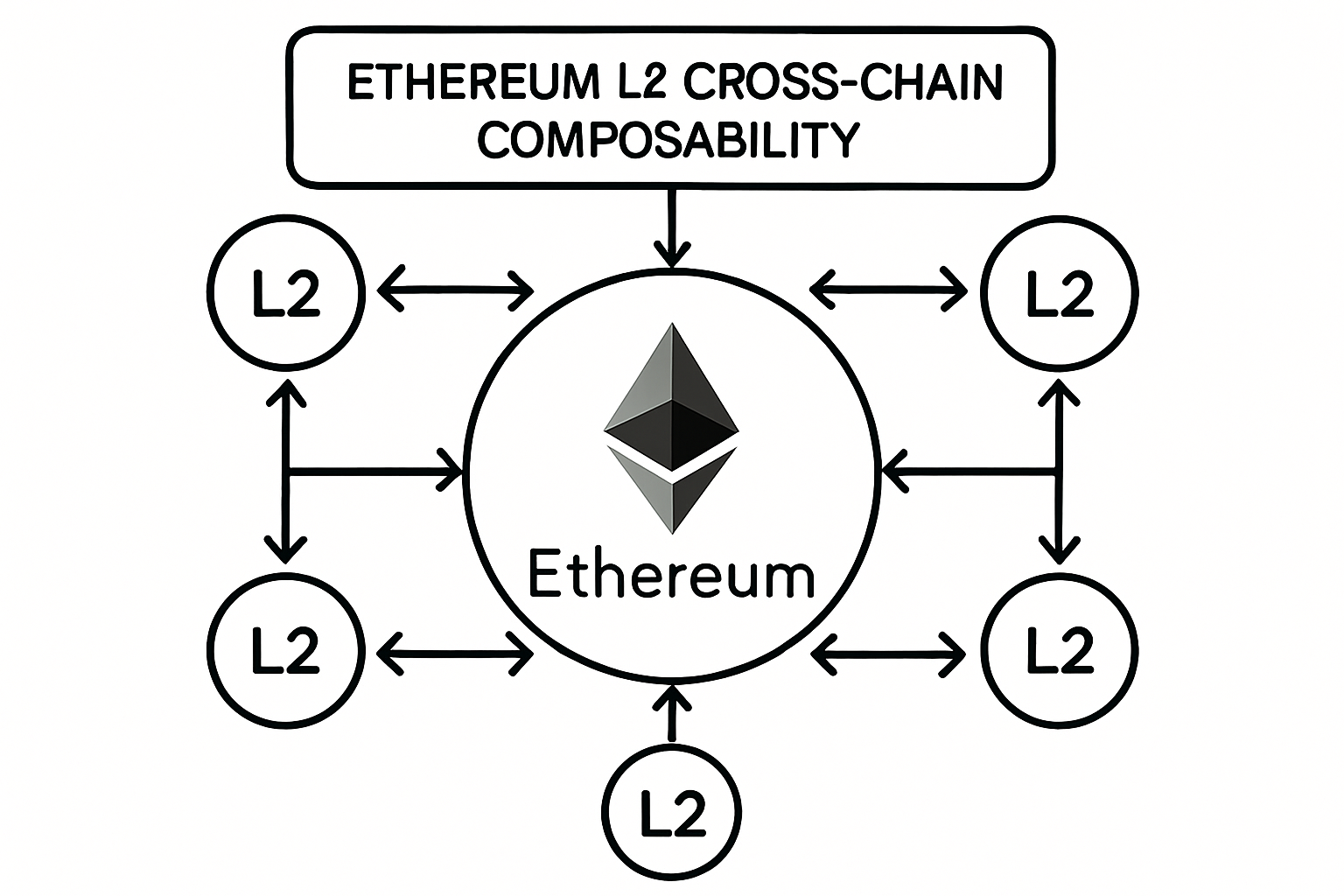
Shift to Starknet, Ethereum’s ZK-rollup powerhouse, and Dojo emerges as the engine for unrelenting scale. Built on Cairo, Starknet’s proof-optimized language, Dojo mirrors ECS but supercharges it for L2 speeds. Worlds here aren’t paused servers; they’re autonomous, ticking onward with community governance baked in. Dojo’s toolchain spans from contract deployment to client SDKs, letting you prototype Dojo Ethereum on-chain tutorials that deploy in hours. Why does this matter for multiplayer? Starknet’s parallel execution devours transactions, vital for battles with hundreds clashing. Models execute as contracts, state persists immutably, and subscriptions mirror MUD’s for client bliss. Games like Network States leverage this, blending PvP strategy with AI-narrated lore, each tile conquest rippling through on-chain history. Dojo doesn’t just scale; it democratizes creation, turning solo devs into world-builders. Neither framework exists in isolation; their interplay unlocks true Ethereum scalability. MUD excels in Ethereum-native composability, bridging L1 liquidity with L2 performance. Dojo amplifies this via Starknet’s low fees, ideal for high-frequency multiplayer loops. Together, they tackle the holy grail: thousands concurrent without central points of failure. Consider hybrid architectures, where MUD handles core economy on Ethereum, Dojo powers real-time combat on Starknet. Gas? Batched via ZK. Latency? Sub-second via indexes. Real-world proof dots the landscape. BITKRAFT Ventures notes both stacks as full-spectrum for on-chain devs, from infra to deployment. Yet, the narrative deepens: these tools shift power to players, birthing fully on-chain games MUD 2025 where assets accrue real value amid Ethereum’s $3,035.21 poise. ECS Modularity: MUD and Dojo leverage Entity-Component-System architecture at the storage layer, decoupling data and logic for composable, scalable multiplayer game worlds like OPCraft built in days. Real-Time Subscriptions: MUD’s indexers enable instant on-chain state syncing, powering fluid multiplayer interactions without constant polling, as seen in Netherscape’s RPG. Gas Optimization: Efficient ECS patterns and Dojo’s Cairo on Starknet ZK-rollups slash costs, supporting millions of transactions like OPCraft’s 3.5M in weeks. True Asset Ownership: Fully on-chain assets as NFTs give players verifiable control, tradeable across markets in persistent worlds like Network States. Cross-L2 Composability: Deploy on Ethereum L2s like Starknet for interoperable games, blending MUD’s Ethereum tools with Dojo’s scalability seamlessly. Developers report slashing dev time by 80%, pivoting from glue code to game design. As we peel back layers, the path to your blockbuster clarifies: start with ECS fundamentals, layer in multiplayer sync, then scale ruthlessly. That ruthless scaling demands hands-on grit, blending ECS mastery with multiplayer plumbing. Picture prototyping a PvP arena: players spawn, clash, and respawn, all synced across browsers without a whisper of lag. MUD and Dojo make this routine, not rare. Their shared ECS DNA lets components like Health or Position float freely, systems crunch collisions, and entities embody warriors. Yet, execution diverges, suiting distinct multiplayer flavors. Jump into build blockchain multiplayer Dojo setups, where Starknet’s ZK magic slashes costs for frantic skirmishes. A basic executor contract processes moves in parallel, state blooming across thousands without Ethereum L1’s weight. Developers rave about Dojo’s executor-subscription duo: one ticks the world, the other streams deltas to clients. Latency plummets, even as player counts spike toward four figures. MUD mirrors this elegance on Ethereum proper, its indexers feasting on table diffs for pinpoint queries. No polling monoliths; just lean, reactive clients. For MUD Dojo scalable games Ethereum, hybrid plays amplify: anchor economies on MUD’s L1 composability, shunt tactics to Dojo’s L2 blaze. OPCraft proved it – voxel chaos at scale, transactions humming at Ethereum’s $3,035.21 heartbeat. Challenges linger, of course. Gas wars in peak raids? Mitigate with batched writes and lazy loading. Client bloat from world state? Prune via spatial indexes, fetching only viewport data. Sync drift in flaky nets? Deterministic systems and Merkle proofs enforce canon. These aren’t bugs; they’re the forge tempering robust multiplayer steel. BITKRAFT’s deep dive underscores it: MUD and Dojo stack infra for endurance, not just bursts. As Ethereum holds firm at $3,035.21, its L2 swarm – Optimism, Arbitrum, Starknet – fuels this renaissance. Fully on-chain multiplayer isn’t niche; it’s the commerce layer for player economies. Netherscape’s loot cascades into NFT markets; Network States’ tiles birth DAOs. Value accrues on-chain, traders snapping up rare gear amid steady ETH poise. Devcon demos tease Unity-MUD bridges, Blazor fronts rendering worlds in minutes. Dojo’s Cairo edge sharpens for MMORPG hordes, models as contracts yielding infinite persistence. MUD’s protocol evolves, namespaces weaving apps into mega-worlds. Together, they beckon Dojo Ethereum on-chain tutorial seekers: fork repos, tweak systems, launch lobbies. The 80% dev time slash? Real, witnessed in OPCraft’s whirlwind. Ethereum’s reliability at $3,035.21 cements it – no volatility to spook players mid-raid. Envision guilds owning shards, AI foes adapting via on-chain oracles, economies self-regulating through scarcity. This is Web3 gaming’s story unfolding: from solo hacks to communal epics. Dive deeper with this guide to real-time MMORPGs on MUD, or explore turn-based integrations. Your multiplayer saga starts now, etched eternally on Ethereum. Players flock to these worlds not for pixels, but permanence. Assets trade on open seas, strategies persist beyond logouts, communities govern code. MUD and Dojo aren’t tools; they’re canvases for the next gaming epoch, scalable to millions as Ethereum thrives. Dojo’s Starknet Supremacy: ZK-Powered Persistent Worlds
Scalability Secrets: Blending MUD and Dojo Strengths
Key Advantages of MUD & Dojo

Hands-On: Crafting Multiplayer Sync with MUD and Dojo
Forge Your On-Chain PvP Arena: MUD Mastery in 5 Steps
MUD vs Dojo: Comparison for Scalable Multiplayer Games
Feature
MUD
Dojo
Base Chain
Ethereum L1
Starknet L2 (Ethereum)
ECS Layer
Smart-contract storage layer
Native ECS architecture (Cairo)
Tx Throughput
Constrained by L1 (~15-50 TPS)
High via L2 scaling (100s-1000s TPS) 🚀
Latency
~12-15s (block time)
~200-500ms (L2 optimized) ⚡
Cost per Player Action
Higher (L1 gas fees, e.g. $0.05-$0.50 at $3,035 ETH)
Lower (L2 fees, e.g. <$0.01) 💰
Best For
Autonomous worlds on Ethereum (e.g. OPCraft: 1,500 players, 3.5M tx)
High-performance fully on-chain games on Starknet
2025 Horizon: Ethereum’s Multiplayer Renaissance