
Building Scalable Fully On-Chain Games with MUD and Dojo Frameworks in 2026

In 2026, fully on-chain games aren’t just a trend, they’re the battleground where momentum is money. As a swing trader glued to on-chain gaming tokens, I’ve seen MUD and Dojo frameworks catapult projects like Primodium and Starknet-Arcade into viral territory, driving token pumps that reward early adopters. If you’re a developer eyeing scalable builds or a trader hunting alpha, mastering these tools means catching the next wave in the Web3 gaming revolution.

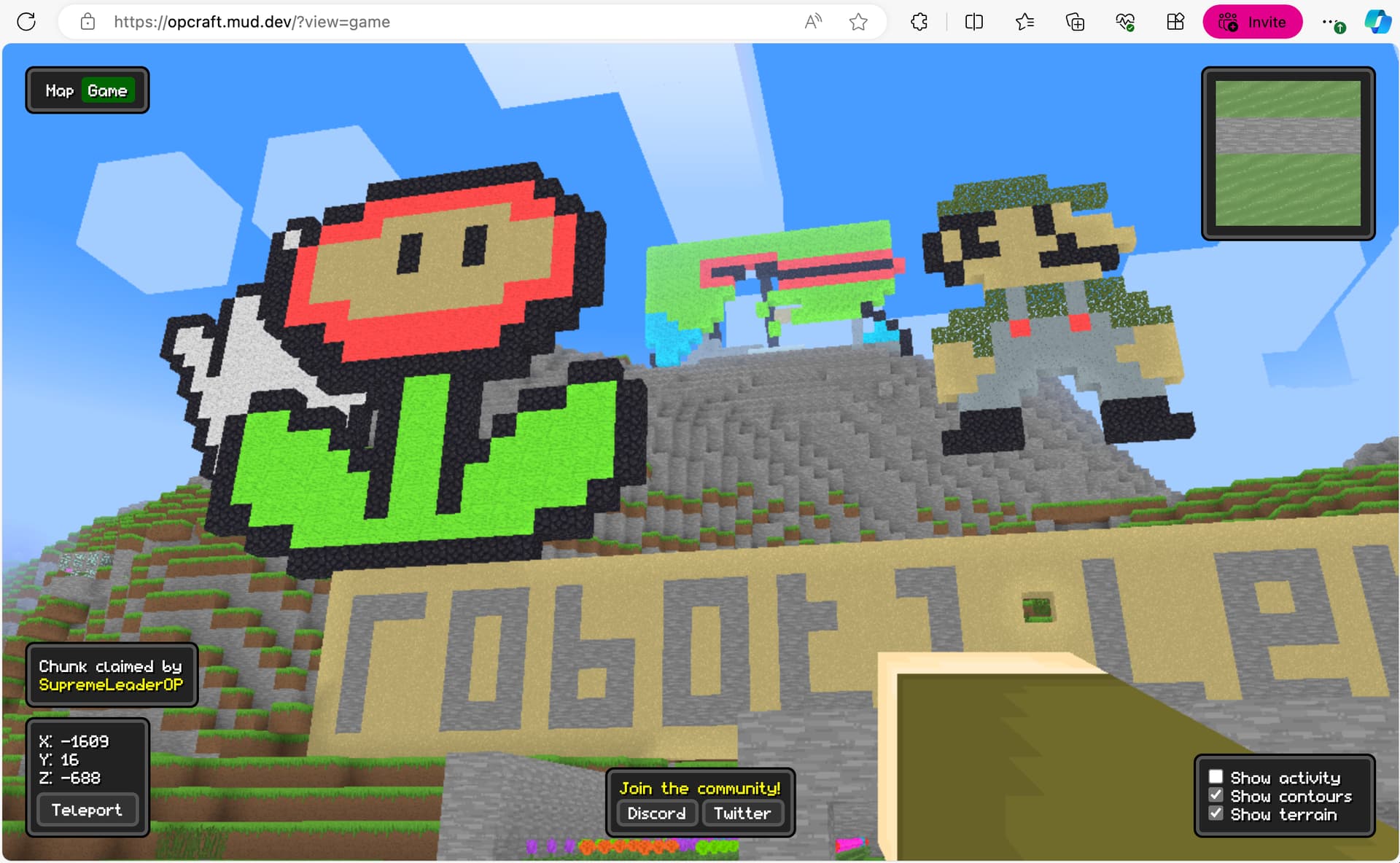
MUD framework on-chain games have evolved into a developer’s secret weapon, slashing Ethereum’s complexity while enabling autonomous worlds that scale effortlessly. Forget bloated off-chain servers; MUD’s tightly integrated stack lets you deploy infinitely extendable experiences where every action lives on-chain. Picture Primodium, that Factorio-inspired MMO where players duke it out over asteroid resources, pure on-chain strategy that’s hooked thousands without a single central point of failure.
Why MUD Powers Your Next Ethereum Hit
Dive into MUD, and you’ll find a protocol that abstracts away Ethereum’s gas wars and state bloat. Its ECS (Entity Component System) architecture mirrors game engines like Unity, but optimized for blockchain. Developers report 10x faster iteration cycles, crucial for tactical pivots in competitive markets. Kamigotchi proves it: nurture your on-chain pet, watch it evolve, all verifiable and tradable. Head to this guide for hands-on setup, deploy your prototype in hours, not weeks.
MUD’s Key Advantages
-

Seamless Ethereum Integration: MUD’s tight Ethereum stack simplifies on-chain app development, enabling smooth deployment and scaling. Explore mud.dev
-
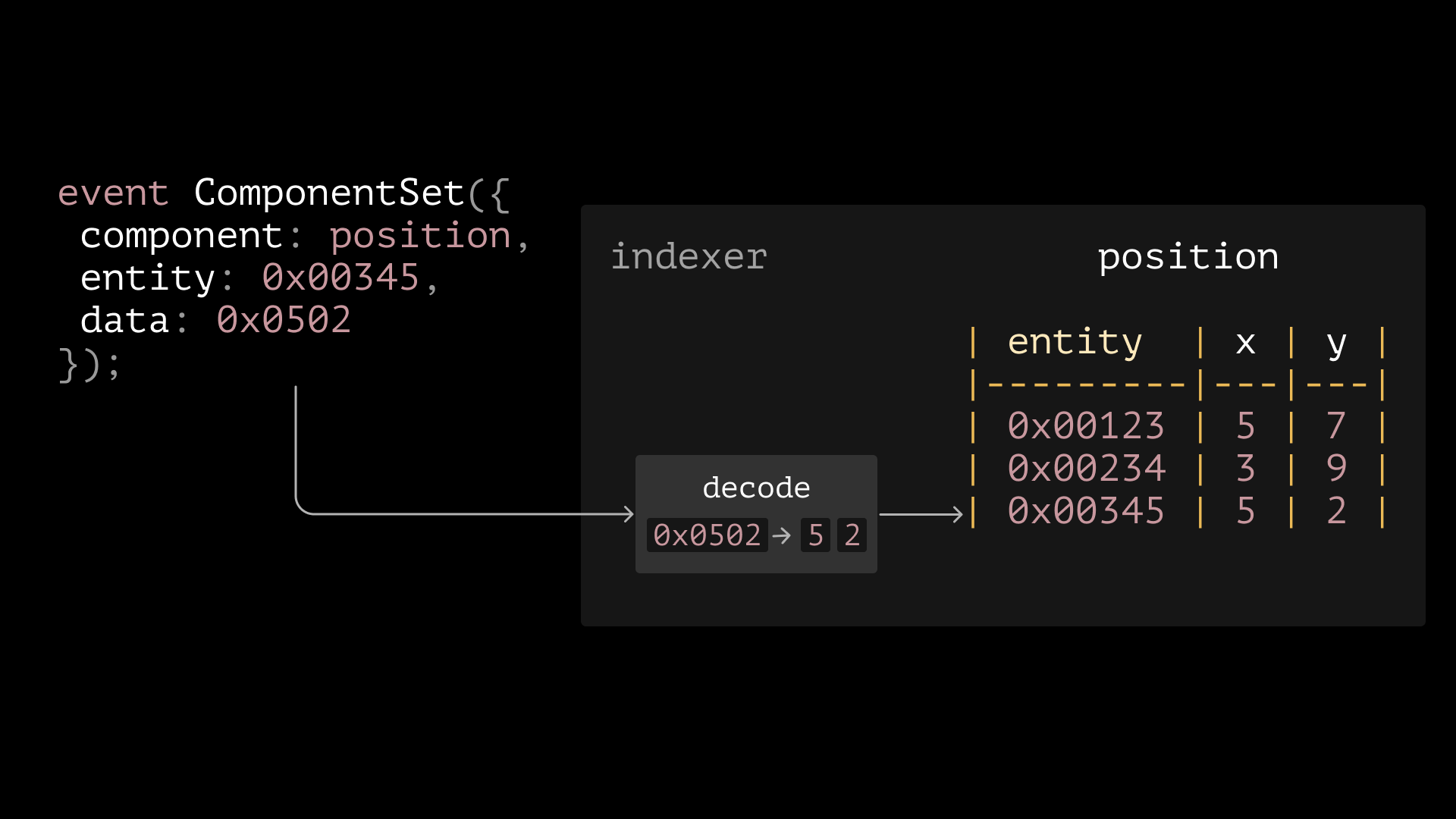
ECS Architecture for Performance: Leverages Entity-Component-System for efficient state management and high-performance on-chain games.
-
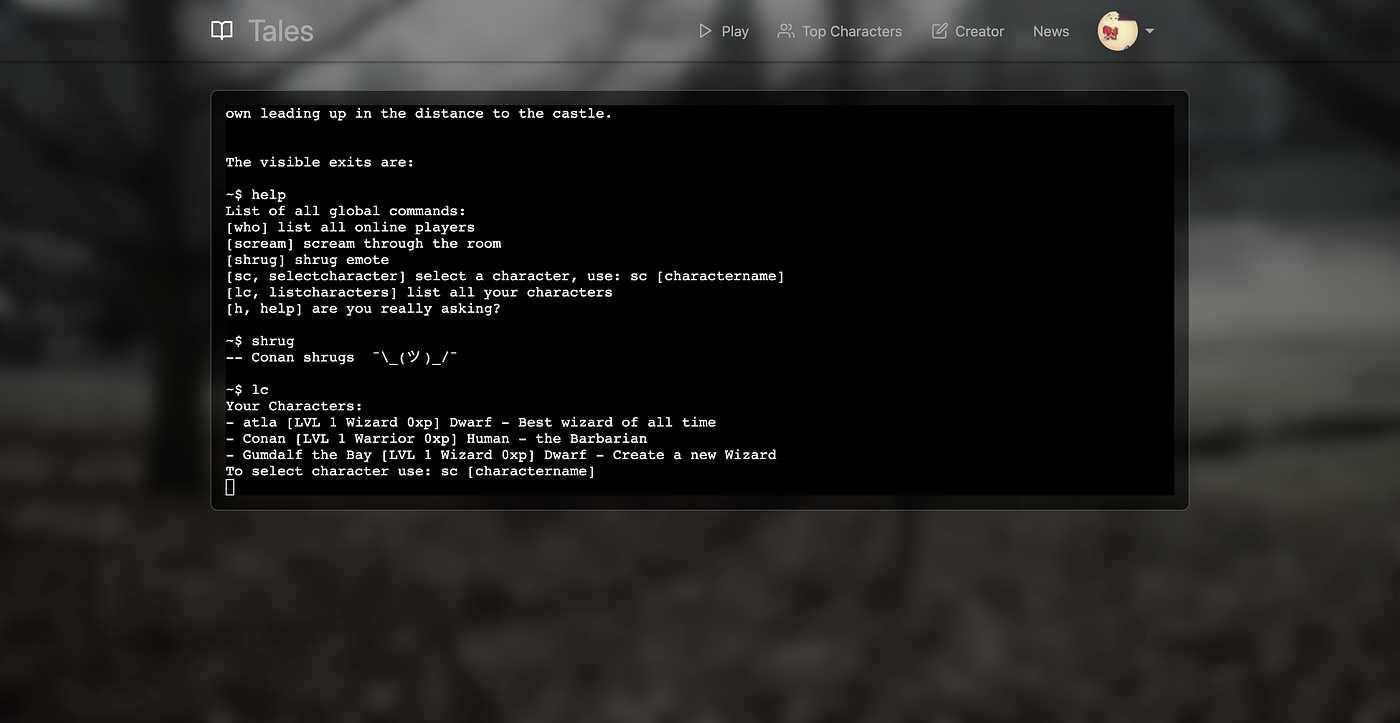
Reduced Development Complexity: Integrated tools and protocol cut boilerplate, accelerating ambitious on-chain projects.
-
Infinitely Extendable Worlds: Build autonomous worlds that scale with player actions, fully on-chain by design.
-
Proven Examples: Powers games like Primodium (Factorio-inspired MMO) and Kamigotchi (on-chain pets). See more
Tactically, pair MUD with Base chain for dirt-cheap txns, fueling mini-games that bootstrap your token economy. I’ve traded tokens from MUD-built titles spiking 300% on launch hype, scalable tech equals sustained pumps.
Dojo Starknet Games Tutorial: ZK Magic for Starknet Dominance
Switch to Starknet, and Dojo framework developer guide 2026 becomes your playbook. Built on Cairo with ZK proofs, Dojo cranks out provable games that run at web2 speeds. No more laggy turns; autonomous worlds tick forward globally, verifiable by anyone. Starknet-Arcade nails this with Coin Flip and Roulette, decentralized fun that’s already pulling in daily active users. Room Escape ups the ante, puzzle-solving fully on-chain via Dojo tutorials.
Dojo’s toolchain? Install via npm, spin up worlds with CLI commands. It’s tactical gold for build fully on-chain game MUD hybrids too, Starknet’s low costs let you experiment wildly. Check this practical guide to blend frameworks early.
Scalability Showdown: MUD vs Dojo in 2026 Battlegrounds
Choosing between MUD and Dojo? It’s not either-or; it’s about chain fit. MUD thrives on Ethereum L2s for mature DeFi integrations, while Dojo leverages Starknet’s ZK for compute-heavy sims. Mud Dojo blockchain gaming shines in multi-chain setups, bridge assets, unify player bases. Primodium’s resource wars on MUD scale to millions of entities; Dojo’s Room Escape handles puzzle states without bottlenecks. Pro tip: Start with Dojo’s “Hello World” path for quick wins, then layer MUD for tokenomics. These frameworks cut dev time by 70%, per community benchmarks, freeing you to iterate on mechanics that hook players and spike your token charts.
Real talk: In 2026’s crowded field, scalability isn’t optional. Gas spikes crushed early on-chain attempts, but MUD and Dojo flip the script with optimized writes and parallel execution. I’ve watched Dojo titles like Starknet-Arcade surge in TVL, signaling trader green lights. Grab the official docs provides compare them head-on: and prototype today. Your scalable empire awaits.
Prototype a MUD framework on-chain games project right now: clone the repo, tweak the ECS models for your entities, and deploy to Base. Momentum builds fast when your world goes live, pulling in traders sniffing early token airdrops.
Tactical Blueprint: Deploy Your First Dojo World 🚀
“`
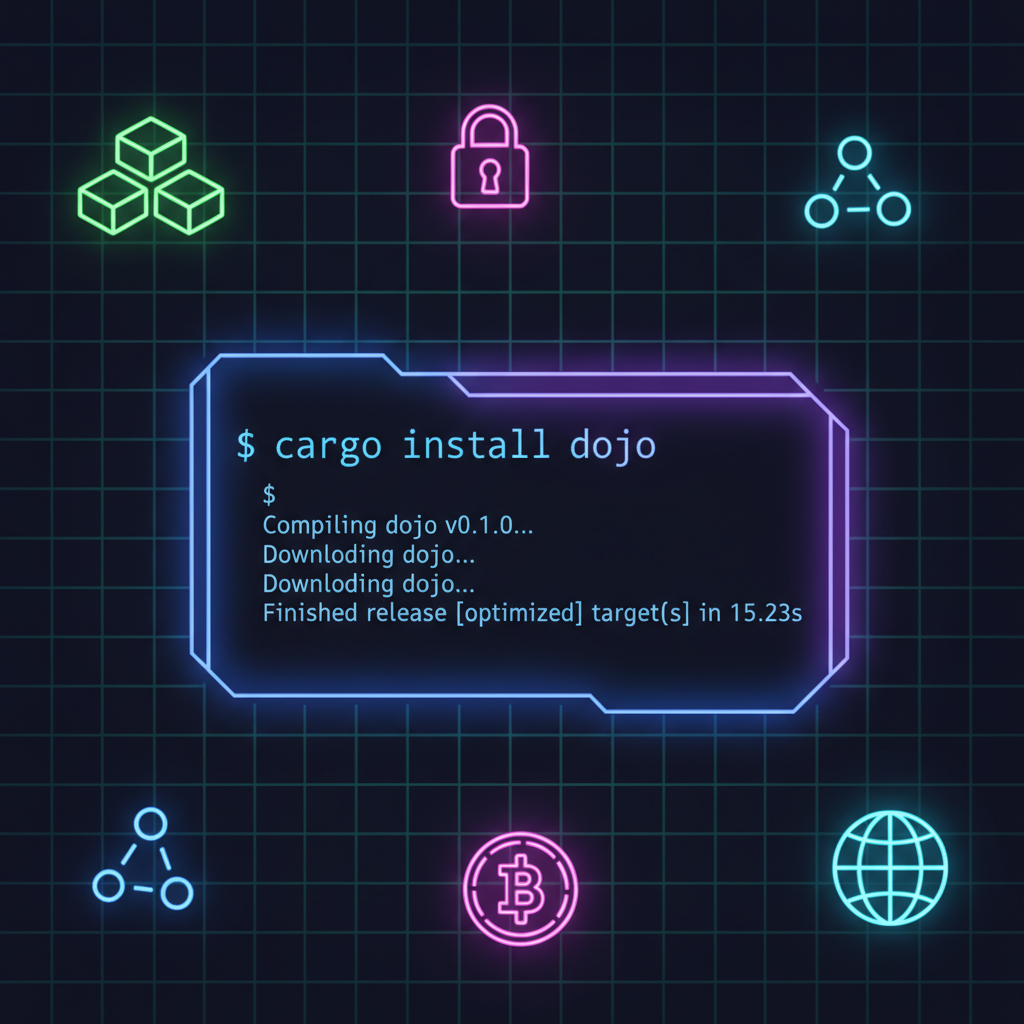
cargo install –git https://github.com/dojoengine/dojo dojo
“`
This Rust-native toolchain powers ZK-provable worlds on Starknet. Verify with `dojo –version` – you’re ZK-ready!
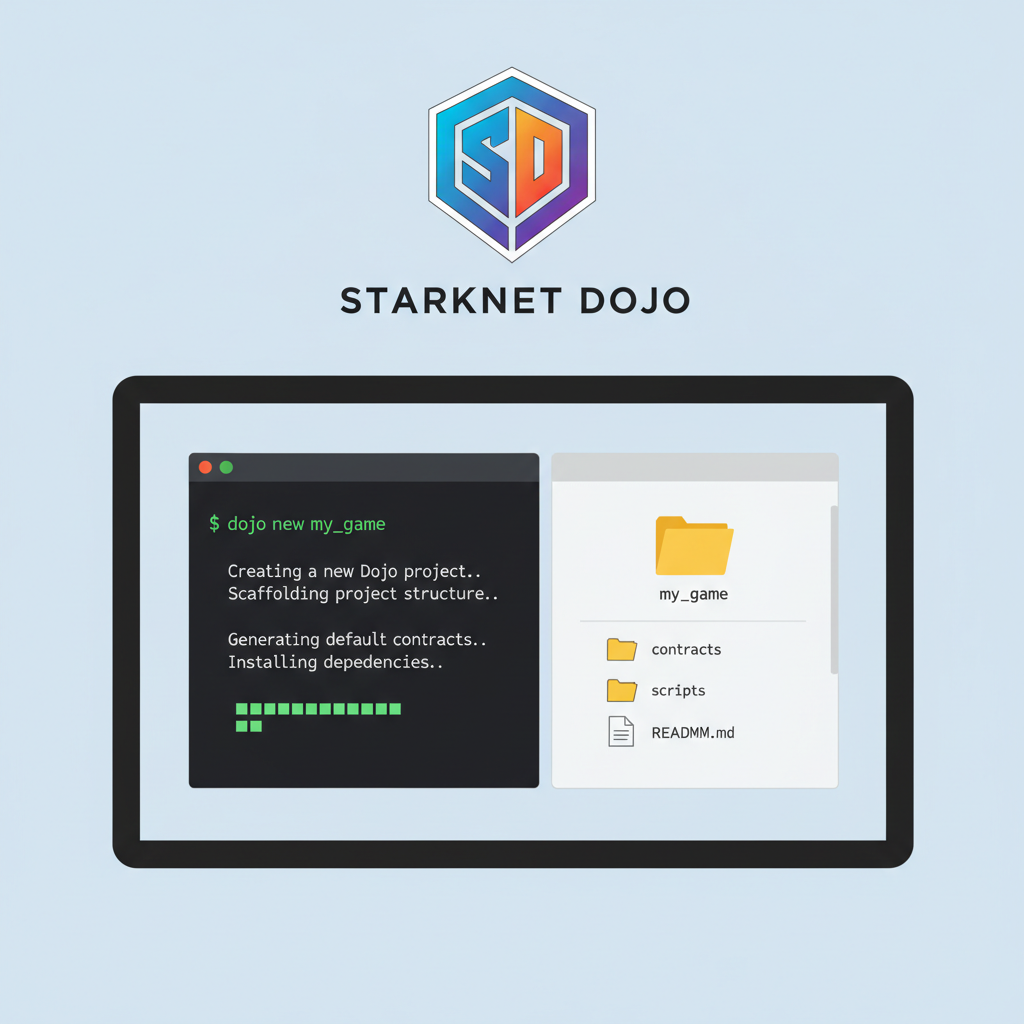
“`
dojo new my_game –init
cd my_game
“`
This generates a full Dojo world template. Edit `Scarb.toml` for your project name. Pro tip: Use Room Escape as inspo – a puzzle-solving hit on Starknet!
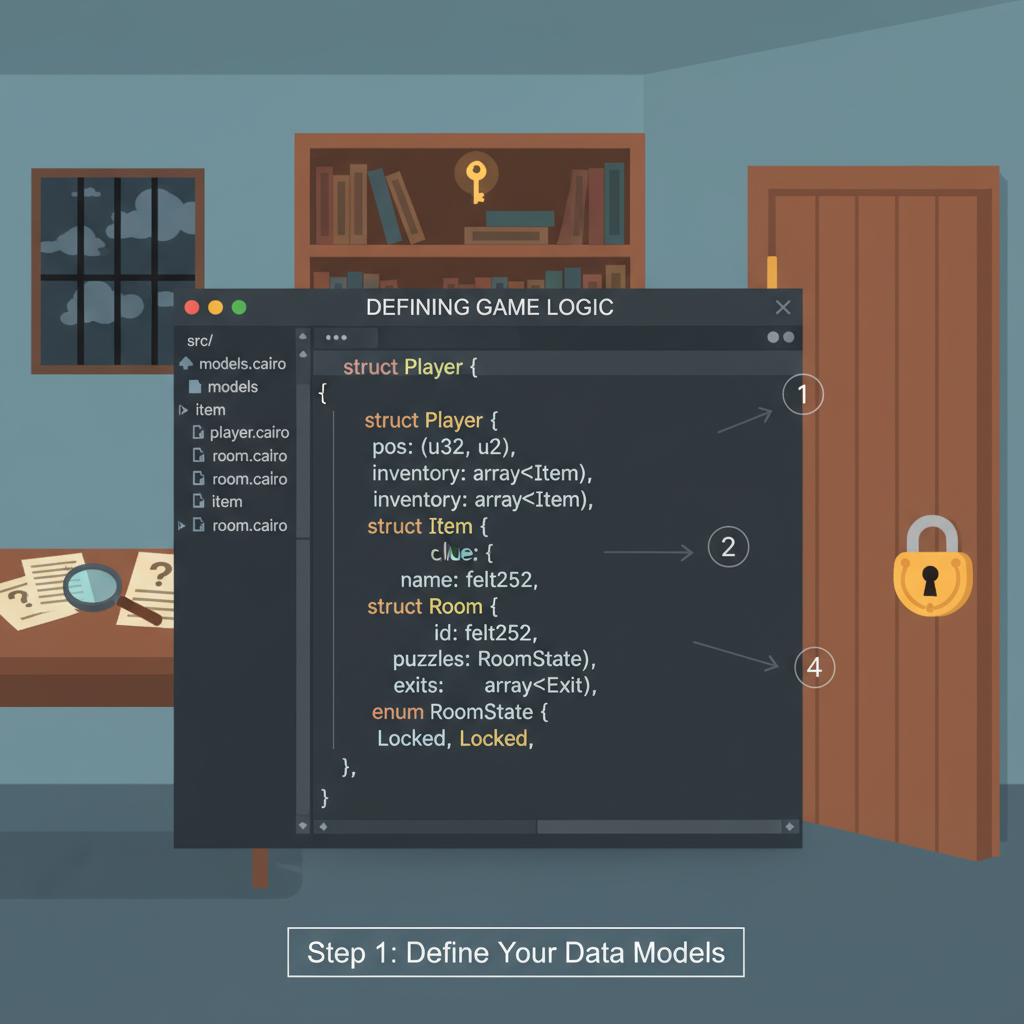
“`cairo
#[derive(Model, Copy, Drop)]
struct Player {
#[key]
game_id: u32,
position: u32,
escaped: bool,
}
“`
Add systems for puzzles – all verifiable via ZK! Example: Coin Flip for quick tests.

“`
dojo build
starkli account charge devnet
dojo deploy devnet
“`
Watch your Room Escape world go live on Starknet testnet – transactions process in parallel for insane speed!
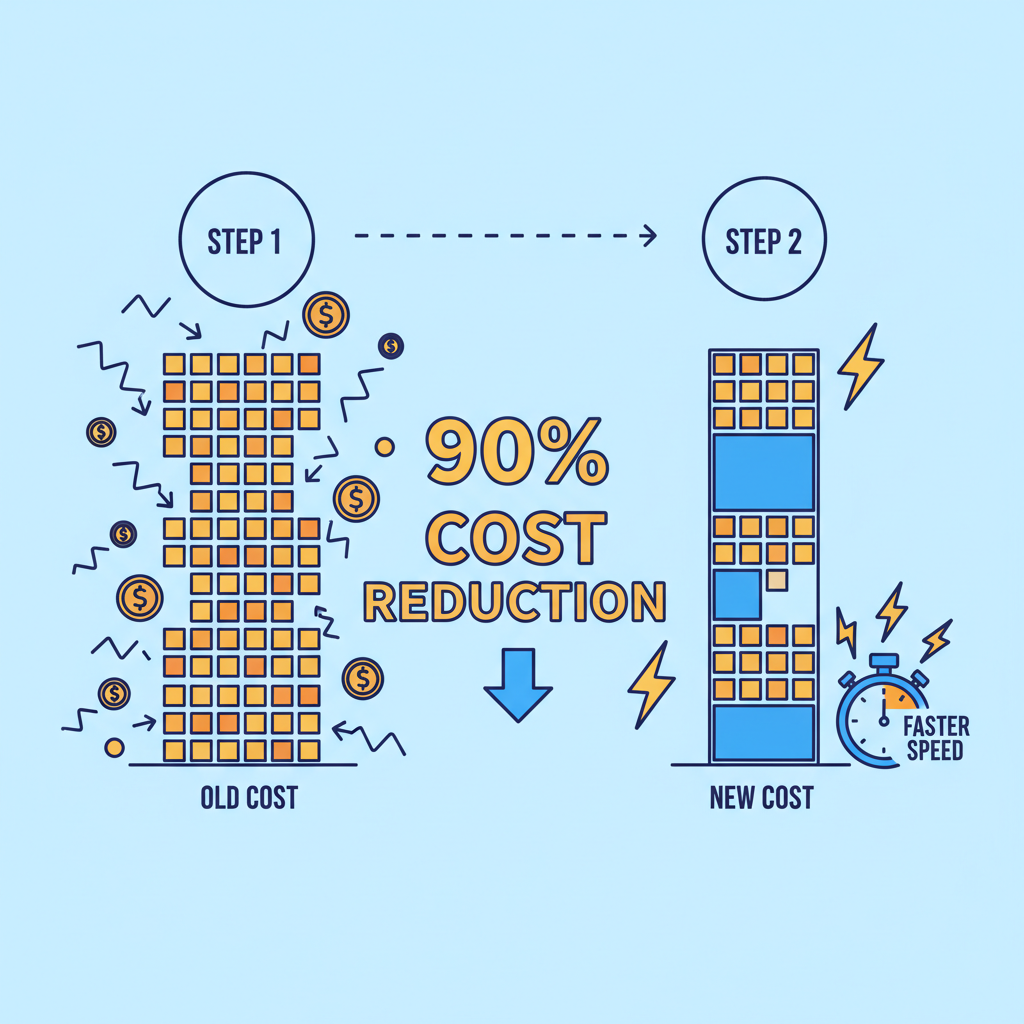
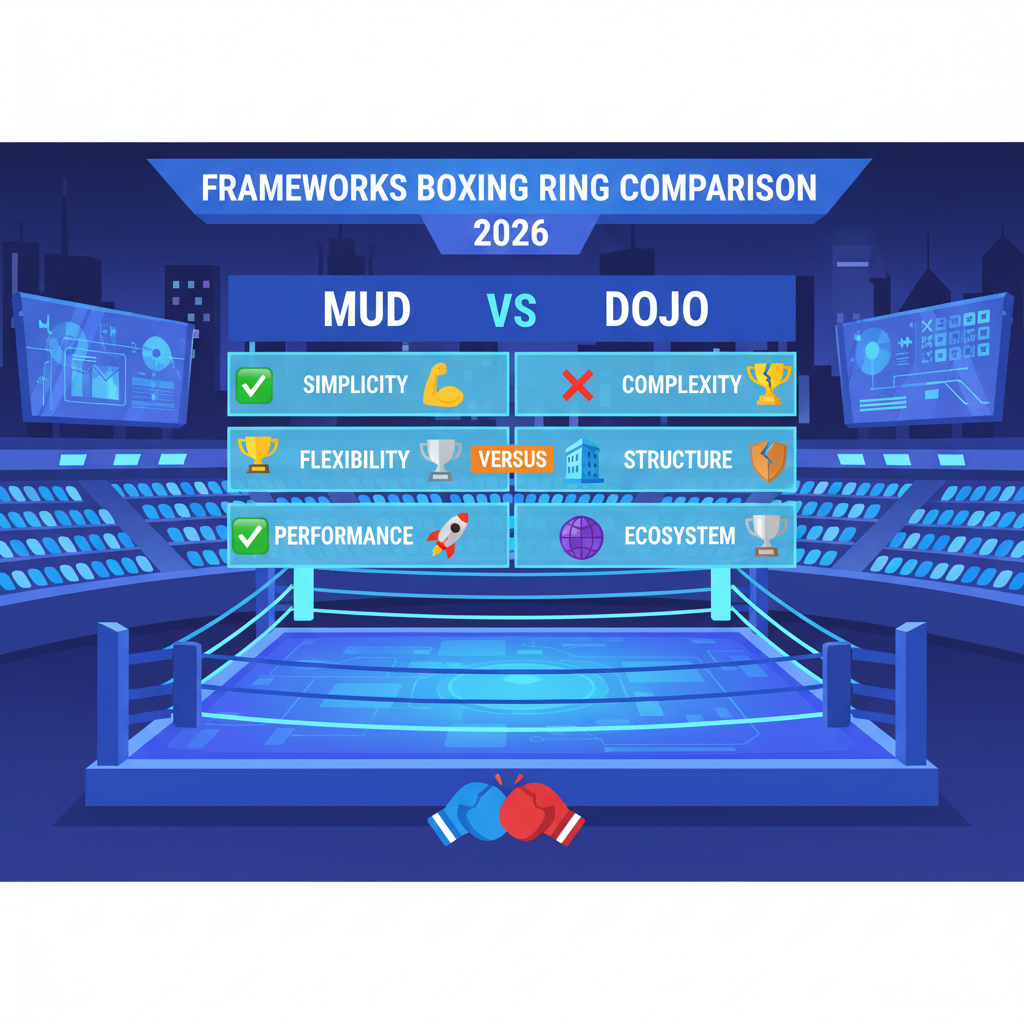
|——–|——————-|———————|
| Tx Cost | ~$0.05 (L2) | ~$0.001 (ZK) 🔥 |
| TPS | 100+ | 10,000+ 🚀 |
| Chain Support | ETH/Base | Starknet Multi 🔗 |
| Example Games | Primodium, Kamigotchi 🎮 | Starknet-Arcade, Room Escape 🏆 |
| Dev Speed | Fast (JS/TS) ⚡ | Ultra-Fast (Cairo/Rust) 💨 |
**2026 Benchmarks**: Dojo crushes on cost/TPS for AAA games!
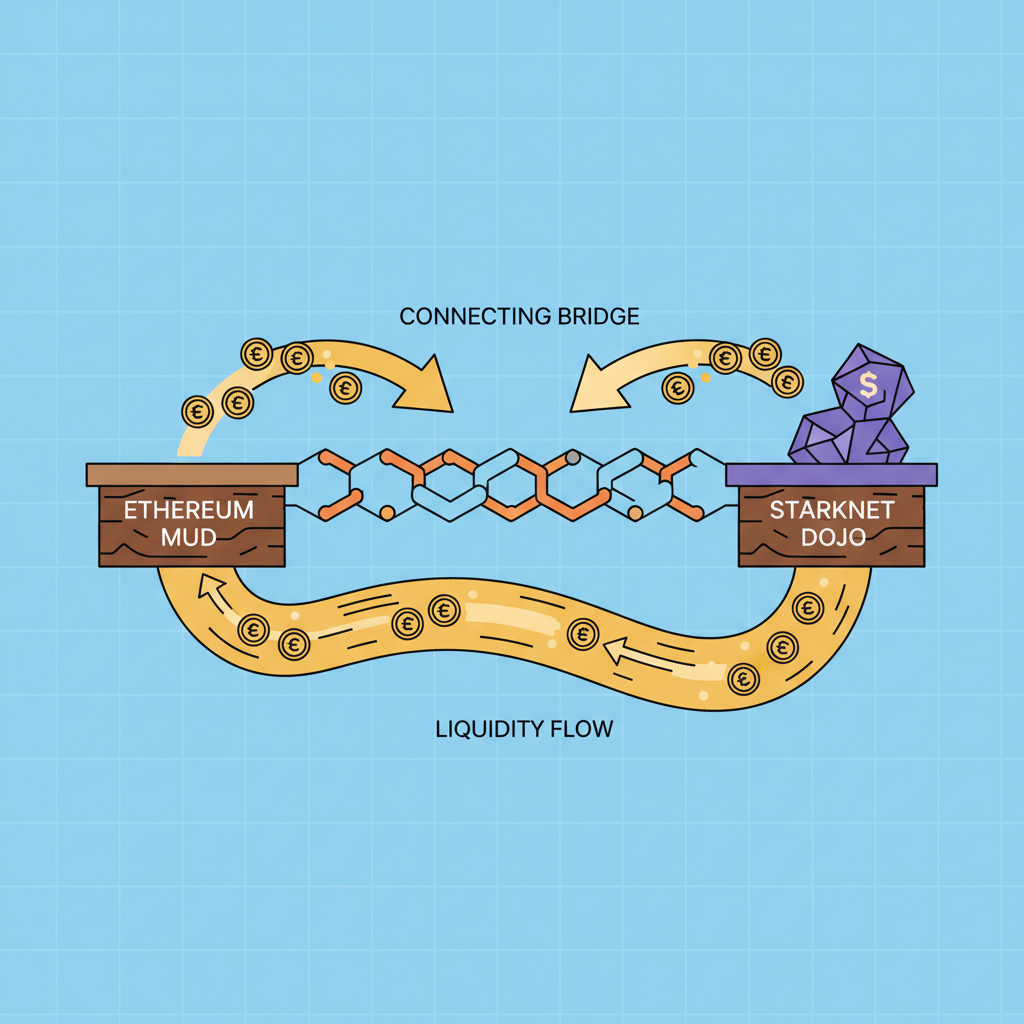
Opinion: Skip pure Ethereum for MUD unless DeFi hooks are core; Starknet’s maturing via Dojo framework developer guide 2026. Multi-chain? Bridge via LayerZero, test on devnets first to dodge exploits that tank tokens overnight.
Monetize smart: Embed NFT mints early, like Kamigotchi’s evolvable pets flipping for 10x. Trader angle? Watch TVL spikes post-deployment, enter on dip below 20% launch peak. Autonomous worlds tick 24/7, so stake claims before the herd.
Future-Proof Your Game: 2026 Playbook
2026 demands AI agents in your stack. Integrate with MUD’s event hooks for bot-driven economies, or Dojo’s provable randomness for fair loot drops. Community-driven expansions? Both frameworks bake in upgradeable contracts, letting players vote on world evos via on-chain DAOs. I’ve seen DAO-governed Dojo games pump hardest, governance tokens leading the charge.
Tactical close: Fork Primodium for your MMO twist, or remix Starknet-Arcade for casino vibes. Deploy, hype on Farcaster, watch alpha flow. These tools aren’t hype; they’re your edge in a $50B on-chain gaming surge. Build now, trade the wave, own the momentum.