
AI NPCs That Remember Your Choices
Generative AI is shifting non-player characters (NPCs) from static scripted lines to dynamic, memory-retaining figures. In 2026, open-world games are moving away from predictable dialogue trees, allowing characters to react to player actions with genuine continuity. This shift transforms the gaming landscape from a series of isolated quests into a living, breathing ecosystem where every interaction matters.
The core of this evolution lies in context-aware storytelling. Instead of resetting to a default state after a conversation, NPCs now retain memories of past encounters. If you previously stole from a merchant, they might refuse to sell to you weeks later, or warn other villagers about your presence. This behavioral consistency creates a sense of immersion that traditional scripting simply cannot match, making the world feel reactive rather than pre-programmed.
Studios are leveraging these adaptive systems to personalize the player experience. As noted in recent industry analysis, the focus is on creating games that respond to individual playstyles through behaviorally informed loops. An NPC might remember if you spared an enemy, altered their attitude toward your faction, or even remembered a casual remark made in a tavern. These details accumulate, shaping the narrative arc based on your unique history.
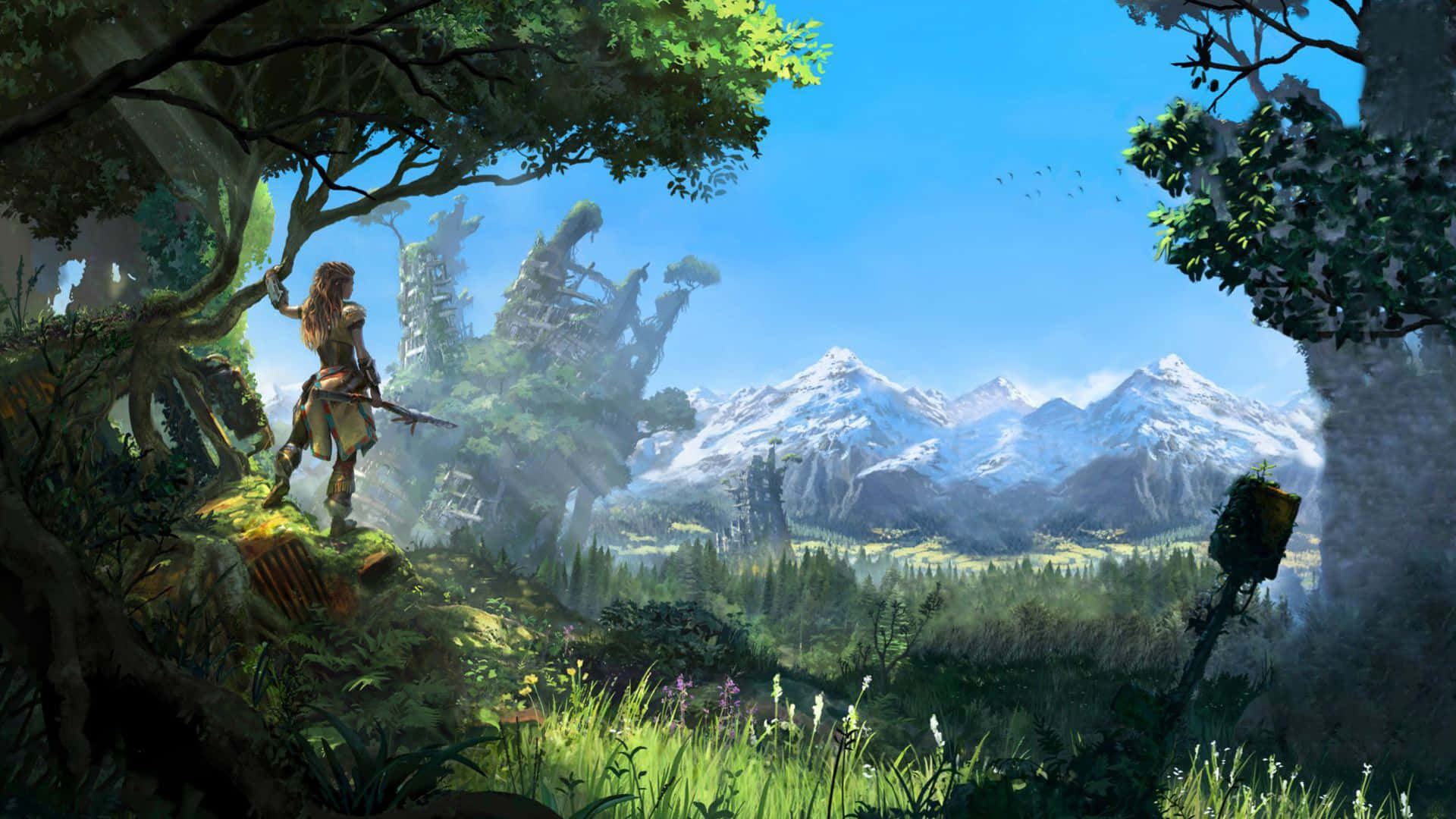
This technology does more than just add variety; it redefines player agency. When characters remember your choices, the consequences feel real. You are no longer just following a developer's path but actively influencing the social fabric of the game world. This level of dynamic interaction is becoming a key differentiator in the 2026 gaming market, driving both engagement and spending as players seek deeper, more personalized experiences.
Cloud gaming moves from experiment to standard
Cloud gaming has shifted from a niche experiment to a mainstream standard, driven by infrastructure improvements that drastically reduce latency. In 2026, the gap between playing on a local console and streaming from a remote server has narrowed to the point where most players cannot tell the difference. This shift is making high-fidelity gaming accessible without the need for expensive local hardware.
The core challenge of cloud gaming has always been latency—the delay between pressing a button and seeing the action on screen. Recent advancements in edge computing and 5G networks have solved this. By processing game data on servers closer to the player, providers like Xbox Cloud Gaming and NVIDIA GeForce Now can deliver responsive, smooth experiences even on mobile devices or low-end laptops.
This accessibility changes who gets to play. Players no longer need to spend $500 or more on a new GPU to enjoy the latest AAA titles. Instead, they can stream games on a tablet, a Chromebook, or an older laptop. The hardware becomes a window, not the engine. This democratization means that high-end graphics are no longer a luxury for enthusiasts but a standard service available to anyone with a stable internet connection.
As cloud infrastructure matures, the distinction between local and remote gaming continues to blur. The focus is shifting from raw power to accessibility and convenience. For many gamers, the ability to pick up any device and jump into a high-fidelity world instantly is more valuable than owning the most powerful PC on the market.
Next-Gen Hardware Shifts Focus to Efficiency
Use this section to make the Gaming Trends decision easier to compare in real life, not just on paper. Start with the reader's actual constraint, then separate must-have requirements from details that are merely nice to have. A practical choice should survive normal use, maintenance, timing, and budget. If a recommendation only works in an ideal situation, call that out plainly and give the reader a fallback path.
The simplest way to use this section is to write down the must-have criteria first, then compare each option against those criteria before weighing nice-to-have features.
Indie Games Gain Ground With AI Tools
Independent developers are no longer just competing with AAA studios; they are disrupting the market by leveraging AI to compress production cycles and costs. While major publishers rely on massive teams and years of development, indie creators are using generative AI for asset creation and narrative design to release polished titles in a fraction of the time.
This shift is particularly evident in the PC indie sector, where funding from venture capital has dried up, forcing studios to find leaner ways to operate. AI tools allow small teams to generate textures, code snippets, and voice lines internally, reducing their reliance on expensive external contractors. This efficiency enables them to take creative risks that larger, risk-averse studios often avoid.
The result is a surge in high-quality, unique indie titles that challenge the dominance of big-budget franchises. Players are increasingly drawn to the distinct art styles and innovative mechanics that these agile teams can produce. As the attention economy becomes more crowded, the ability to launch frequently and respond quickly to player feedback gives indie developers a significant advantage.
No comments yet. Be the first to share your thoughts!