
Our top gaming laptop picks for 2026
The RTX 50-series has shifted the baseline for mobile gaming, demanding machines that can handle both raw rasterization and the latest ray tracing workloads without melting. We have narrowed the field to the models that consistently deliver high frame rates, reliable thermals, and premium build quality. These picks cover the spectrum from budget-conscious entry points to no-compromise performance workstations.
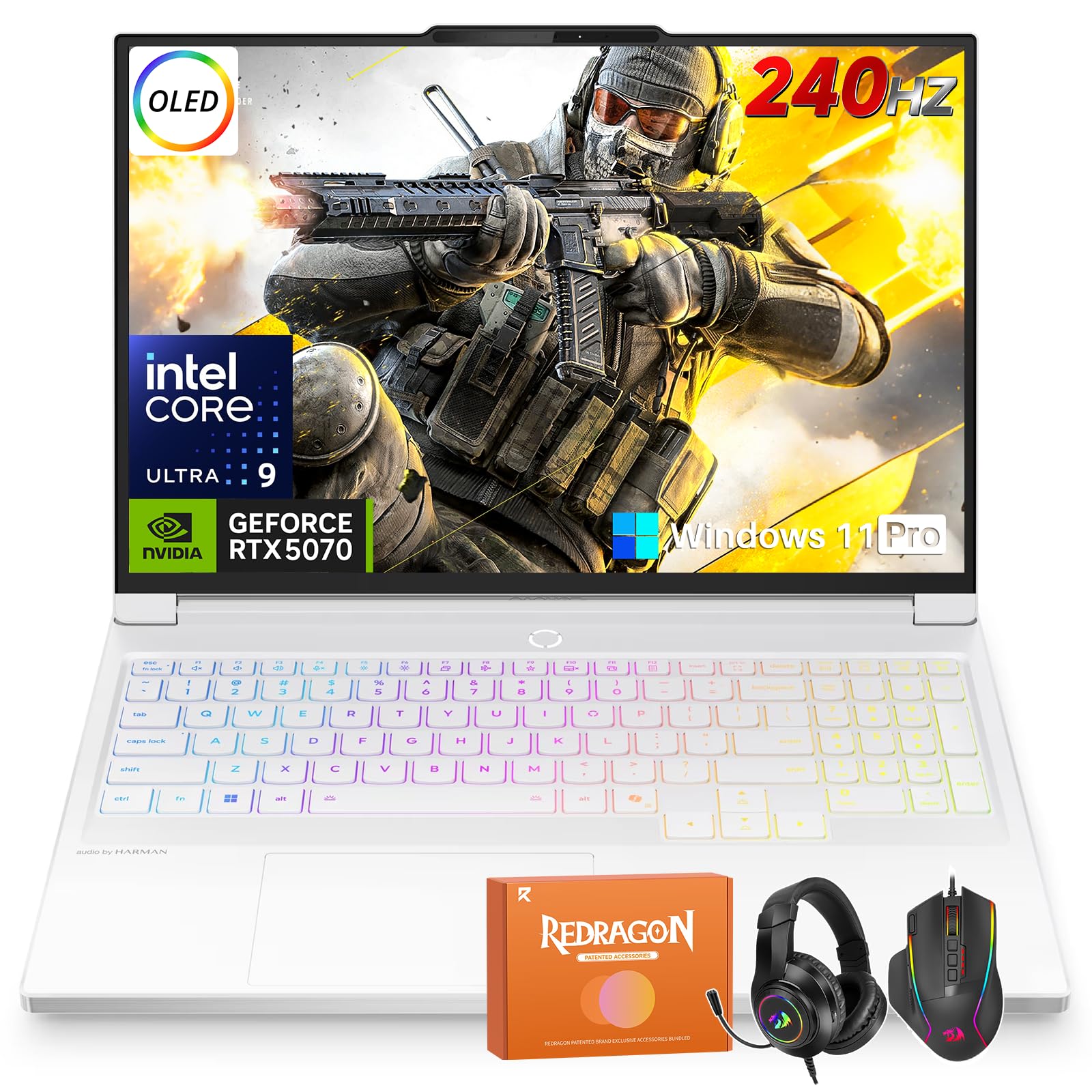


As an Amazon Associate, we may earn from qualifying purchases.
Why the RTX 50 series changes the game
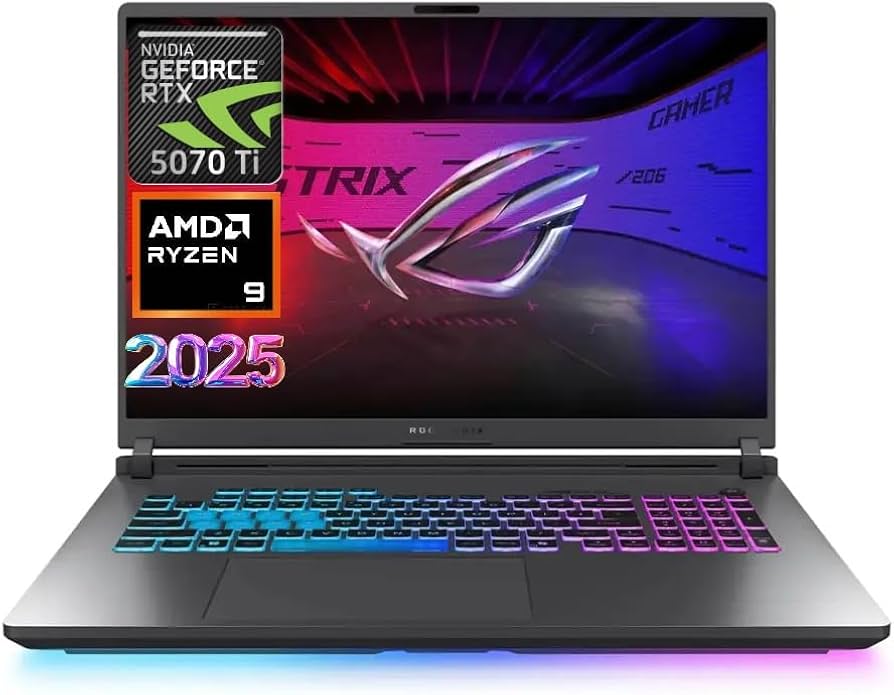
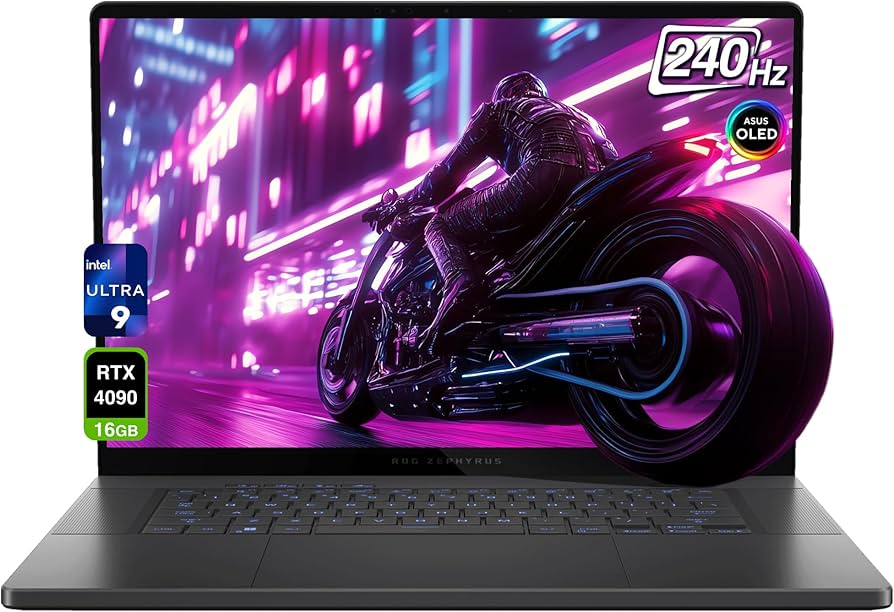
The shift to the RTX 50 series marks a distinct turning point for 2026 gaming laptops, moving beyond simple generational upgrades to a fundamental change in how games are rendered. For buyers looking at models like the ASUS ROG Strix G16 or ROG Zephyrus G16, this architecture delivers tangible benefits in both raw power and energy efficiency.
NVIDIA’s new Blackwell architecture focuses heavily on improving ray tracing performance and DLSS capabilities. Ray tracing, which simulates realistic lighting, shadows, and reflections, has historically been a drain on laptop batteries and thermals. The RTX 50 series handles these complex calculations much more efficiently, allowing games to look significantly more immersive without requiring a desktop-class power supply.
This efficiency gain is particularly important for thin-and-light gaming laptops. The new chips deliver higher frame rates per watt, meaning devices can sustain peak performance for longer periods before thermal throttling kicks in. This results in smoother gameplay during extended sessions and quieter fan profiles, a critical factor for users who value both performance and comfort.
For those upgrading from older hardware, the jump from RTX 40 to 50 series is most noticeable in titles that rely heavily on ray tracing and upscaling technologies. The combination of improved tensor cores and memory bandwidth allows for higher resolution gaming at higher frame rates, making the RTX 50 series the definitive choice for modern gaming demands.

As an Amazon Associate, we may earn from qualifying purchases.
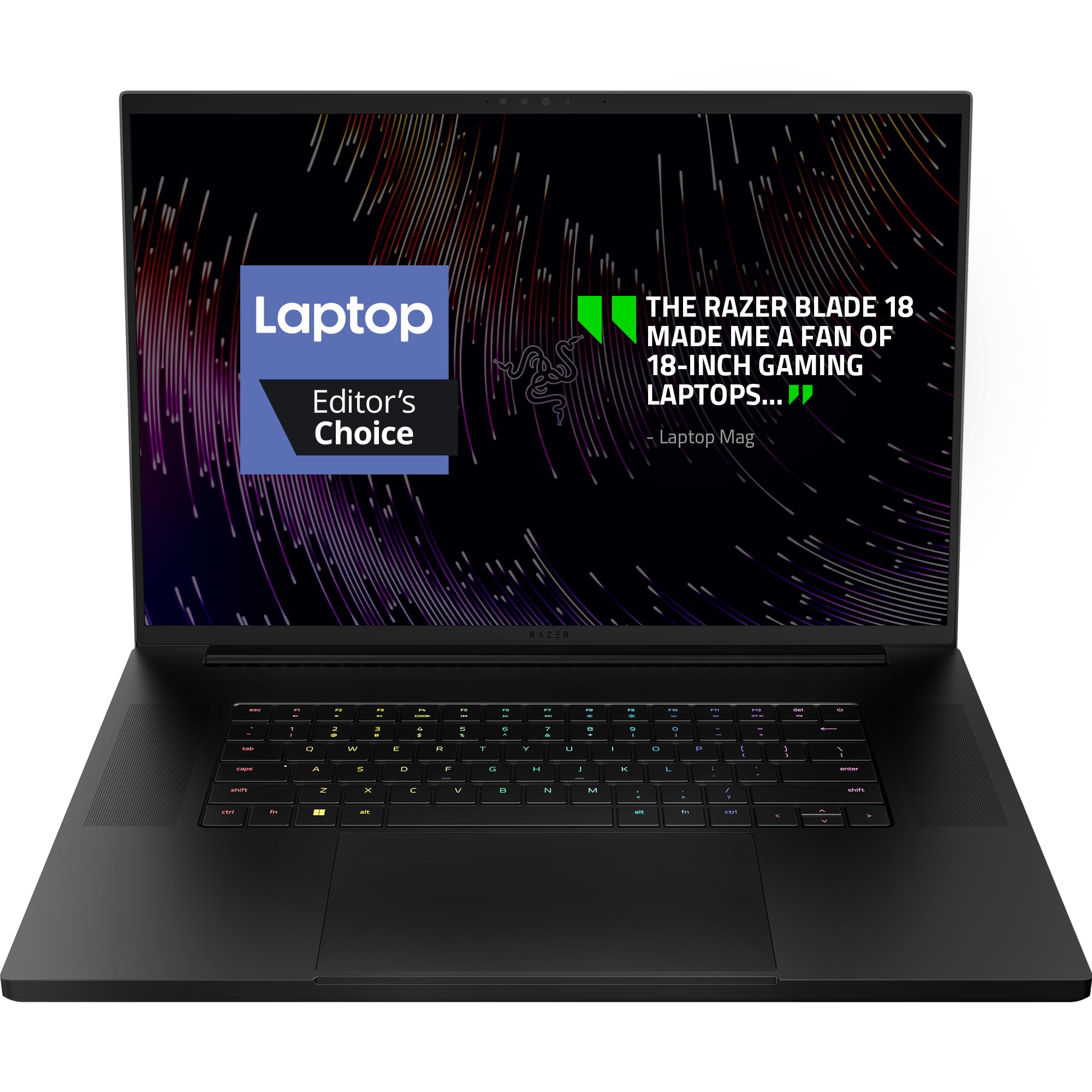
Razer Blade 18
The Razer Blade 18 serves as the definitive desktop replacement for gamers who refuse to compromise on raw power. It accommodates the latest RTX 50-series graphics, including the RTX 5090 and 5080, delivering frame rates that rival stationary tower systems. This machine is designed for users who need maximum GPU throughput and thermal headroom without sacrificing build quality.
Its 18-inch display provides ample real estate for multitasking and immersive gaming, while the chassis maintains a premium aluminum unibody construction. The cooling system is engineered to handle sustained loads, ensuring that performance remains consistent during long sessions. This balance of brute force and refined engineering makes it a top contender for high-end gaming.

Best value gaming laptop: Lenovo Legion Pro 7
The Lenovo Legion Pro 7 hits the sweet spot for most gamers in 2026. It balances raw performance, display quality, and thermal management without the premium tax attached to flagship models like the Legion 9i or ROG Strix Scar.
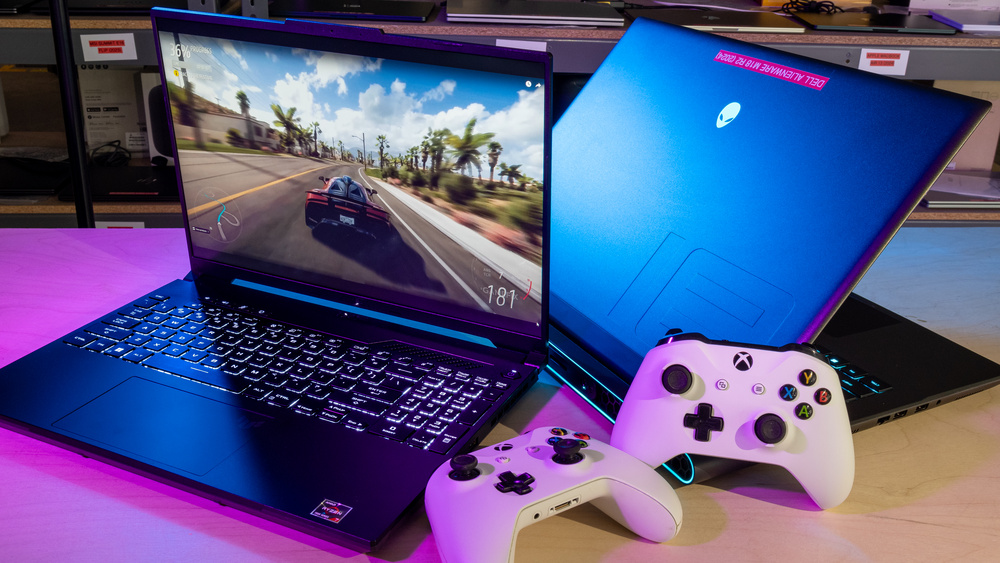
The Legion Pro 7 offers an optional OLED panel that delivers deep blacks and vibrant colors. Gamers who prioritize visual immersion will find this upgrade worthwhile, especially for single-player titles and cinematic games.
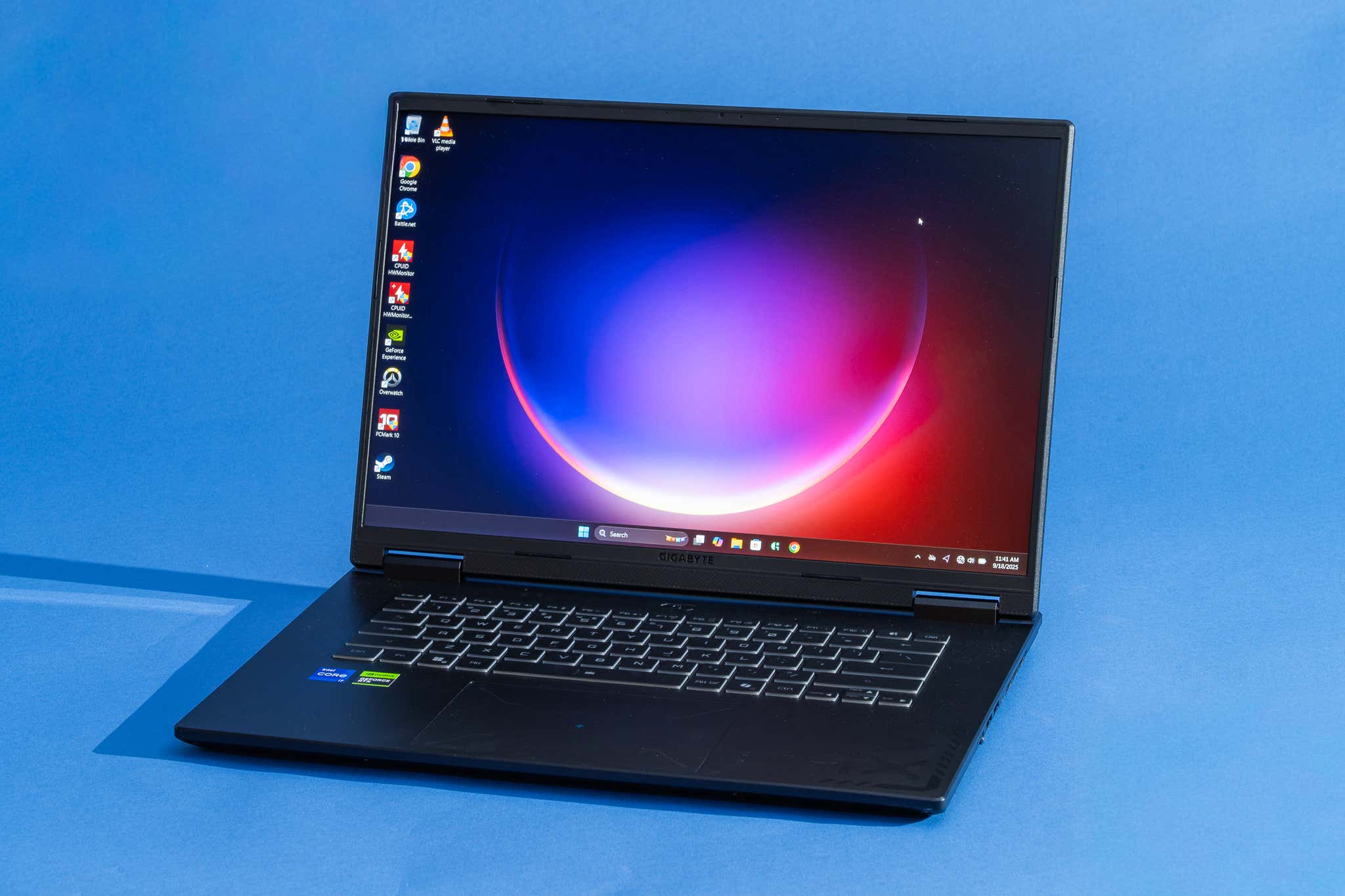
Equipped with the latest RTX 50-Series GPU, this laptop handles modern titles at high settings. The Ryzen 9 processor ensures smooth multitasking and fast load times, making it a versatile machine for both gaming and productivity.
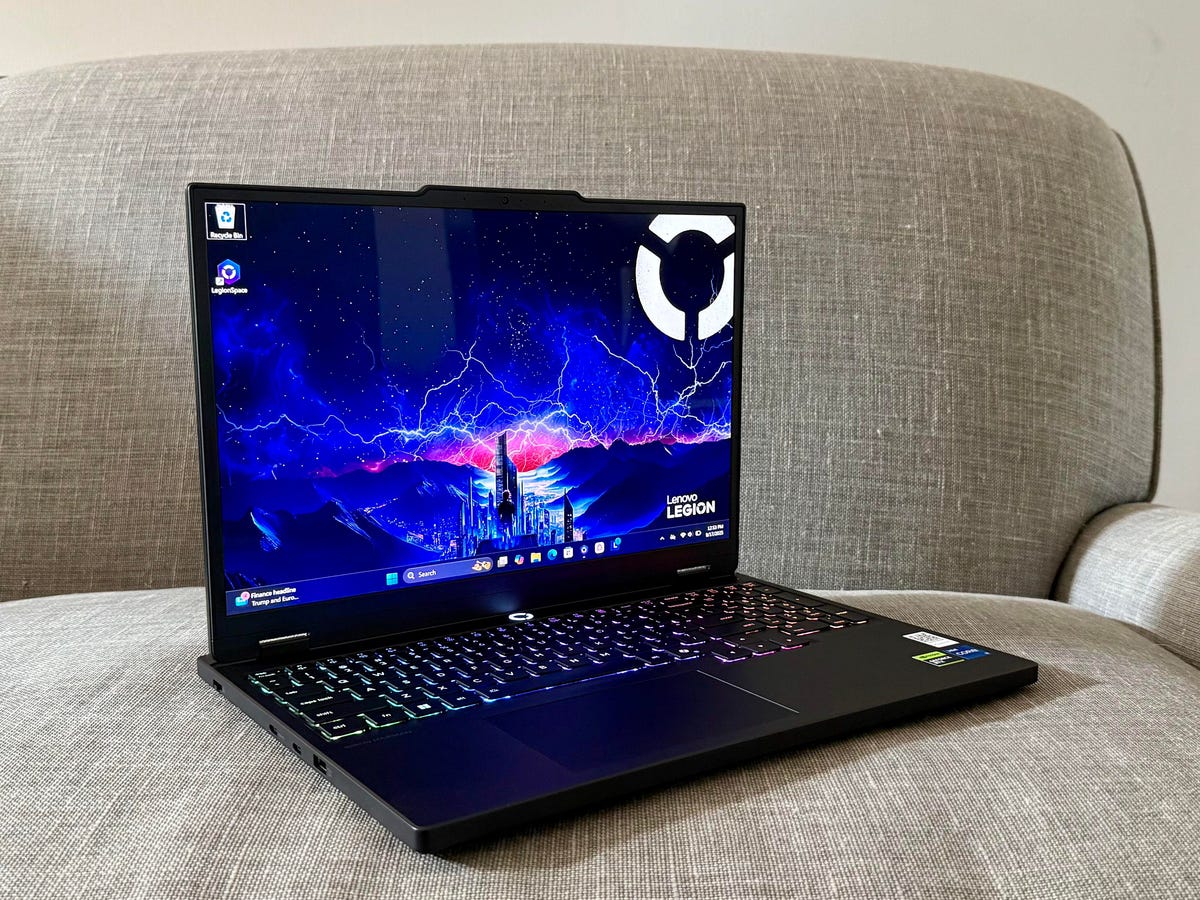
Lenovo’s Vapor Chamber cooling system keeps temperatures in check even during extended sessions. Users report that the laptop stays cool and quiet, avoiding the thermal throttling that plagues many competitors in this price range.

As an Amazon Associate, we may earn from qualifying purchases.
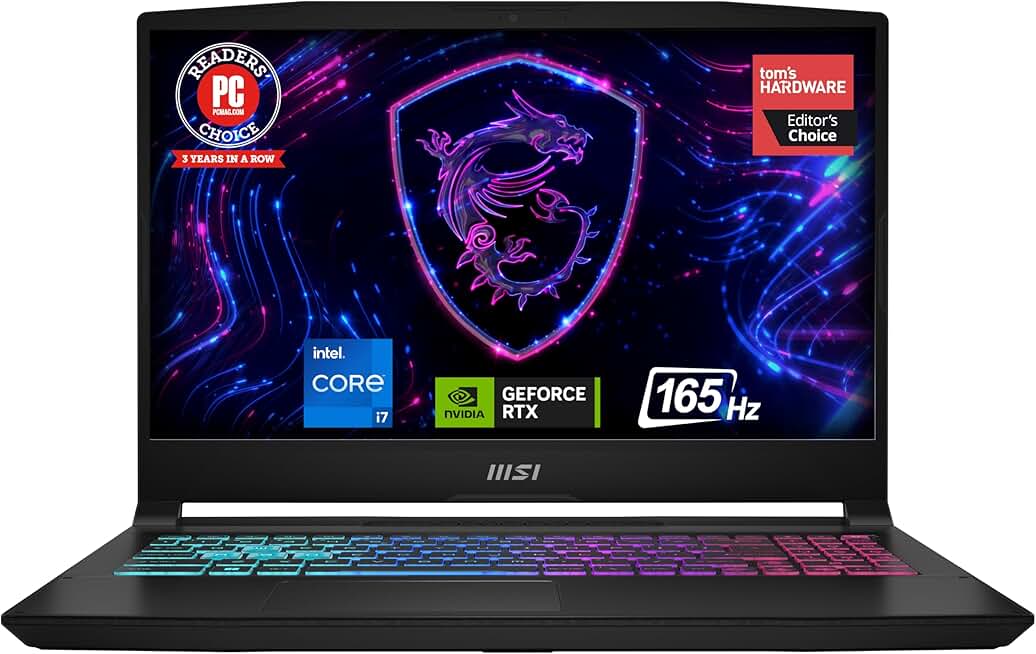
Best budget gaming laptop: MSI Katana 15 HX
The MSI Katana 15 HX represents the entry-level threshold for modern gaming performance. It delivers the raw power of the RTX 50-series graphics card without the premium price tag attached to bulkier, more feature-rich chassis. For players who prioritize frame rates over aesthetic flourishes, this machine offers a direct path to high-refresh-rate gameplay.
While the build quality relies on standard plastics, the internal components are where the value lies. The 15-inch display provides a solid canvas for 1080p gaming, and the cooling system handles sustained loads without immediate thermal throttling. It is a functional tool designed to run the latest titles smoothly, making it a practical choice for students or casual gamers with a constrained budget.
How to choose the right gaming laptop
Selecting a gaming laptop in 2026 means balancing the raw power of the new RTX 50-series GPUs against the weight you’ll carry and the budget you have. The market has split into distinct tiers: thin-and-light performers for portability and heavy desktop replacements for maximum frame rates. Your decision starts with identifying which constraint matters most.
Prioritize GPU over portability
If you plan to keep your laptop on a desk, prioritize the RTX 50-series GPU power. Models like the Razer Blade 18 or Lenovo Legion Pro 7i offer desktop-class performance but require a power brick and lack battery life. These machines are for players who want high refresh rates and ray tracing without external monitors. Check Tom's Hardware for detailed thermal benchmarks to ensure the chassis can handle sustained loads.
Balance performance and weight
For gamers who travel, the ASUS ROG Zephyrus G16 or Lenovo Legion Slim series offer a middle ground. They fit the RTX 50-series into thinner chassis, though they may throttle slightly under heavy loads compared to their bulkier counterparts. The OLED screens on models like the HP OMEN MAX 16 provide stunning visuals, but be mindful that high-brightness panels can drain battery faster.
Determine your spending limit
Gaming laptops command a premium over desktops. The MSI Katana 15 HX serves as a solid entry point for basic gaming, while premium builds like the Alienware 18 Area-51 or ASUS Scar 16 push into high-end territory. Avoid stretching your budget for features you won't use, such as excessive RGB lighting or redundant ports, and focus your spending on the GPU and RAM.
| Model | GPU | Best For |
|---|---|---|
| Lenovo Legion Pro 7i | RTX 50-Series | Raw Performance |
| ASUS ROG Zephyrus G16 | RTX 50-Series | Portability |
| MSI Katana 15 HX | RTX 50-Series | Budget Entry |
No comments yet. Be the first to share your thoughts!