

MUD Framework Tutorial: Deploying On-Chain Inventory Systems on Sepolia Testnet
In the evolving landscape of on-chain gaming, inventory systems represent a cornerstone of player agency and economic depth. Traditional games silo assets on centralized servers, but MUD flips this script by enabling fully on-chain inventory systems that persist across sessions, wallets, and even games. This tutorial dives into deploying such a system on Sepolia using the MUD framework, a tool that streamlines Ethereum’s state management through its Entity Component System (ECS) architecture. As someone who tracks macro trends in digital assets, I see MUD not just as a dev tool, but as a catalyst for scalable, autonomous worlds where player-owned inventories drive real value accrual.

MUD’s ECS model decouples data (components) from logic (systems), making inventory management modular and efficient. Items become entities with components like ownership, quantity, and metadata, updated via on-chain systems. This setup avoids bloated contracts, a chronic pain point in early on-chain experiments. Analytically, it’s a nod to data-oriented design principles from AAA engines, adapted for blockchain’s constraints. For MUD Sepolia deployment, this means lean contracts that sync seamlessly with client-side UIs, minimizing gas while maximizing reactivity.
Why Sepolia Shines for Testing Inventory Dynamics
Sepolia’s reliability as an Ethereum testnet makes it ideal for iterating on MUD framework inventory prototypes. Free Sepolia ETH from faucets covers deployments, and its Proof-of-Stake alignment mirrors mainnet behavior without real costs. In broader terms, testnets like Sepolia lower barriers for devs, accelerating ecosystem growth. I’ve watched similar setups propel Starknet’s Dojo ecosystem; MUD on Ethereum could mirror that velocity, especially as L2s mature.
Before coding, grasp the deployment flow: configure, compile, deploy, sync. This sequence ensures your inventory contracts are battle-tested before mainnet ambitions.
Bootstrapping Your MUD Project Environment
Start with prerequisites: Node. js v18 or higher and Git. Clone MUD’s official starter template via git clone https://github.com/latticexyz/mud-starter.git inventory-game, then cd inventory-game. Run npm install to pull dependencies. Globally install the MUD CLI with npm install -g @latticexyz/cli. This stack equips you for ECS contract authoring and client integration.
mud --version. Your workspace now hums with MUD’s monorepo structure: contracts in packages/contracts, client libs ready for React or vanilla JS.
Crafting mud. config. ts for Inventory Entities
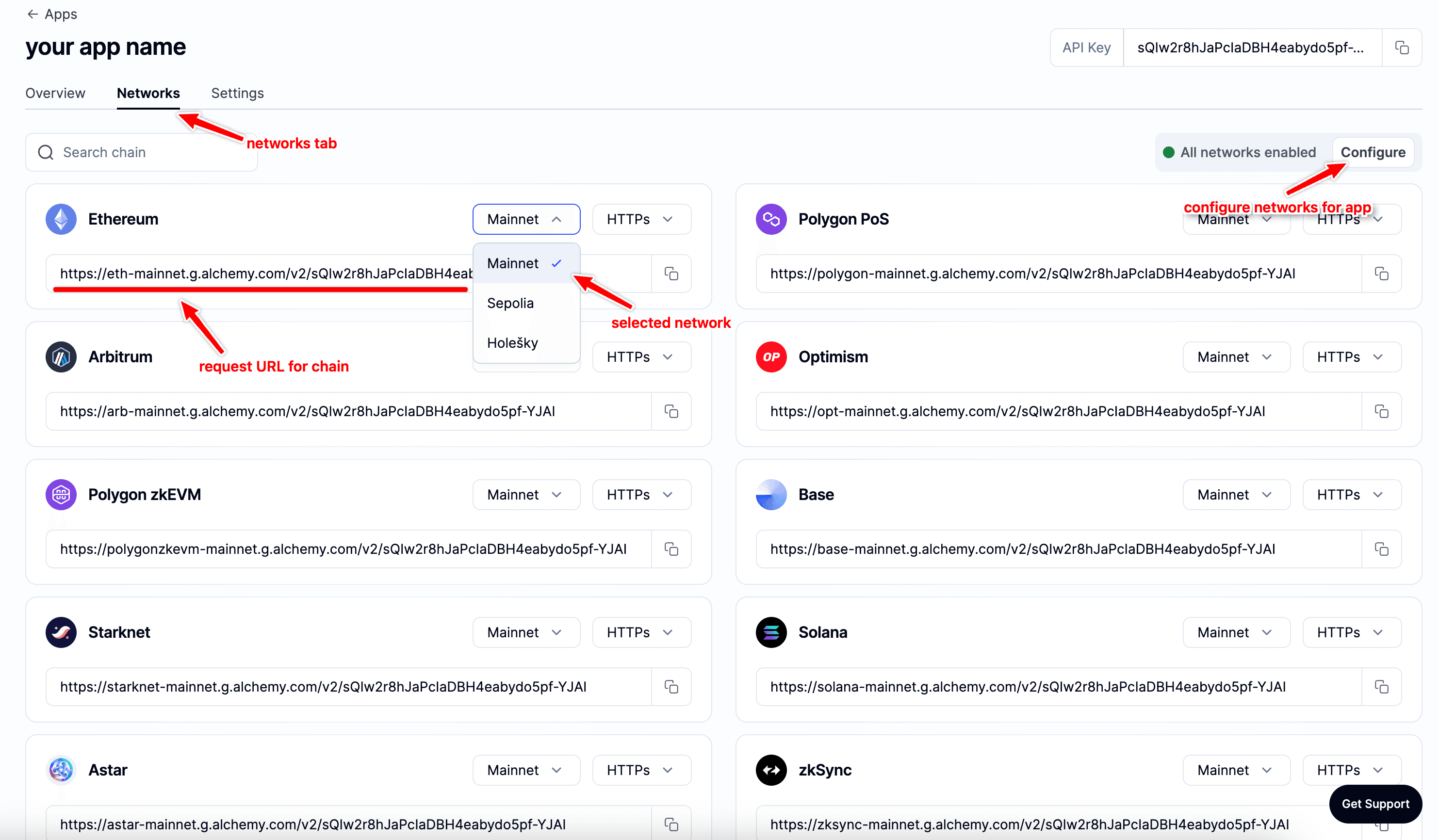
The mud. config. ts file is your blueprint. Define an InventoryComponent with fields like owner: Address, itemId: uint256, quantity: uint256. Add systems for addItem, removeItem, transferable via hooks. For Sepolia, set chain ID to 11155111 and RPC URL from Alchemy or Infura. Here’s a snippet:
Next, compile with mud compile. Watch for type errors; MUD’s TS integration catches them early. Gas estimates emerge, guiding optimizations. Secure Sepolia ETH via faucet. poo. nyc, fund your deployer wallet, and prepare for mud deploy.
Deployment Rituals: From Local to Sepolia Live
Execute mud deploy; MUD scaffolds the World contract, registers tables, and outputs addresses. Pin them in worldAddress. json for frontend hooks. Monitor via Etherscan Sepolia; verify tables for inventory data. This ritual, once arcane, is now CLI-magic, abstracting account abstraction and salt deployments.
Post-deployment, the real magic unfolds in client synchronization. MUD’s client libraries, powered by synced tables, pipe on-chain inventory changes directly into your app state. No polling; events trigger reactive updates, crafting that buttery-smooth feel AAA games envy. In macro terms, this bridges blockchain’s determinism with frontend fluidity, a prerequisite for mass adoption in on-chain inventory systems.
Syncing Frontend with On-Chain Inventory
Inside packages/nextjs or your app dir, import createClient from @latticexyz/world. Hook your world address from deployment output. Define a useInventory hook querying the Inventory table by owner address. React components then render slots: equip, drop, craft buttons dispatch systems via write functions. Gasless UX? Layer WalletKit or similar AA wallets.
Custom React Hook for Querying and Updating Inventory on Sepolia
When building reactive frontends for on-chain applications like inventory systems, MUD’s React hooks provide a powerful abstraction layer. They enable declarative queries against the world state and optimistic updates, abstracting away the complexities of RPC polling, indexing, and transaction handling. This approach not only streamlines development but also ensures the UI remains in sync with the Sepolia testnet blockchain, offering a scalable foundation for production deployments.
import { useMUD } from './MUDContext';
import { Has, HasValue, getComponentValue } from '@latticexyz/recs';
import { useEntityQuery } from '@latticexyz/react';

export function useInventory(playerEntity) {
  const {
    components: { Inventory },
    worldSend,
    singletonEntity,
  } = useMUD();

  // Query player's inventory items
  const inventoryEntities = useEntityQuery([
    Has(Inventory),
    HasValue(Inventory, { owner: playerEntity }),
  ]);

  const inventoryItems = inventoryEntities.map((entity) =>
    getComponentValue(Inventory, entity)
  );

  // Function to add item to inventory
  const addItem = (itemId, quantity) => {
    worldSend('inventory', 'addItem', {
      owner: playerEntity,
      itemId,
      quantity,
    });
  };

  return {
    items: inventoryItems,
    addItem,
  };
}

// Usage in a component:
// const { items, addItem } = useInventory(player);
// addItem(1, 5); // Add 5 swords
This custom hook exemplifies MUD’s entity-component-system paradigm applied to frontend logic: querying inventories via recs-based filters and mutating via encoded world calls. On Sepolia, transactions confirm swiftly for rapid iteration, while the hook’s caching minimizes redundant reads, optimizing both UX and gas efficiency in a broader on-chain ecosystem.
This pattern scales; imagine inventories feeding NFT marketplaces or cross-game trades. I’ve analyzed Dojo’s Starknet parallel provides Dojo on-chain games thrive on similar ECS sync, but MUD’s Ethereum roots tap deeper liquidity pools. Test locally first with mud dev, forking Sepolia for speed.
Verification and Battle-Testing Inventory Flows
Launch your app, connect MetaMask to Sepolia, mint a test sword (itemId 1, quantity 5). Watch Etherscan: entity created, component updated. Transfer to another wallet; ownership flips atomically. Edge cases? Zero-quantity burns, overflow guards in systems. Use Tenderly for forks simulating high-load raids, ensuring no reentrancy slips.
Opinion: Many devs deploy then ghost testing; that’s where exploits lurk. Rigorous flows here build antifragile systems, aligning with Web3’s adversarial reality. Gas audit: expect 200k-500k per action initially; optimize indexes for sub-100k.
Scaling to mainnet mirrors this: swap RPC/chainId in config, fund with real ETH. But Sepolia hones the craft without sunk costs. Broader lens: as L2s like Base proliferate, MUD’s ECS positions Ethereum for MUD tutorial 2026 dominance, where inventories evolve into composable economies. Players own not just items, but slices of emergent markets.
Optimizations and Pitfalls in Production Inventory
Bloat kills UX; pack metadata off-chain via IPFS URIs in components, fetch on render. Batch updates via multicalls reduce txs during loot storms. Hooks enforce invariants, like max stack sizes, preventing junk floods. Pitfall: table salts; regenerate post-deploy if tweaking schemas, or risk migration hell.
Community pulse: devs rave about MUD’s DX slashing prototype cycles from weeks to days. Pair with The Graph for historical queries, unlocking leaderboards from inventory histories. Analytically, this composability fuels flywheels: more games, richer inventories, stickier players.
Streamlined Deployment Script for Sepolia Testnet
Deploying an on-chain inventory system via the MUD framework to Sepolia represents a pivotal step in architecting decentralized applications. Thoughtfully, this process not only tests contract interactions in a production-mirroring environment but also analytically validates gas costs, indexing efficiency, and cross-client synchronization—core tenets for scalable on-chain state management.
# Ensure you have a .env file with:
# PRIVATE_KEY=0x...
# RPC_URL=https://1rpc.io/sepolia (or your preferred Sepolia RPC)

# Deploy the MUD world (including inventory tables) to Sepolia
npx @latticexyz/cli@latest deploy \
  --network sepolia

# After deployment, the output will include the World contract address
# Use this to configure your client-side indexer for live querying
Post-deployment, the emitted World address serves as the nexus for frontend integration. From a big-picture perspective, this deployment underscores MUD’s elegance in abstracting Ethereum’s complexities, empowering developers to prioritize game mechanics over infrastructural minutiae while ensuring immutable, verifiable inventory ownership on-chain.
From here, extend: fuse items into rares, auction slots, guild vaults. Each layer compounds value, turning solo inventories into networked assets. In the grand sweep, MUD isn’t building games; it’s architecting persistent worlds where every sword swing accrues to tokenomics. Prototype today on Sepolia, iterate tomorrow, conquer mainnet next. Your MUD Sepolia deployment just unlocked the future of player-owned persistence.