
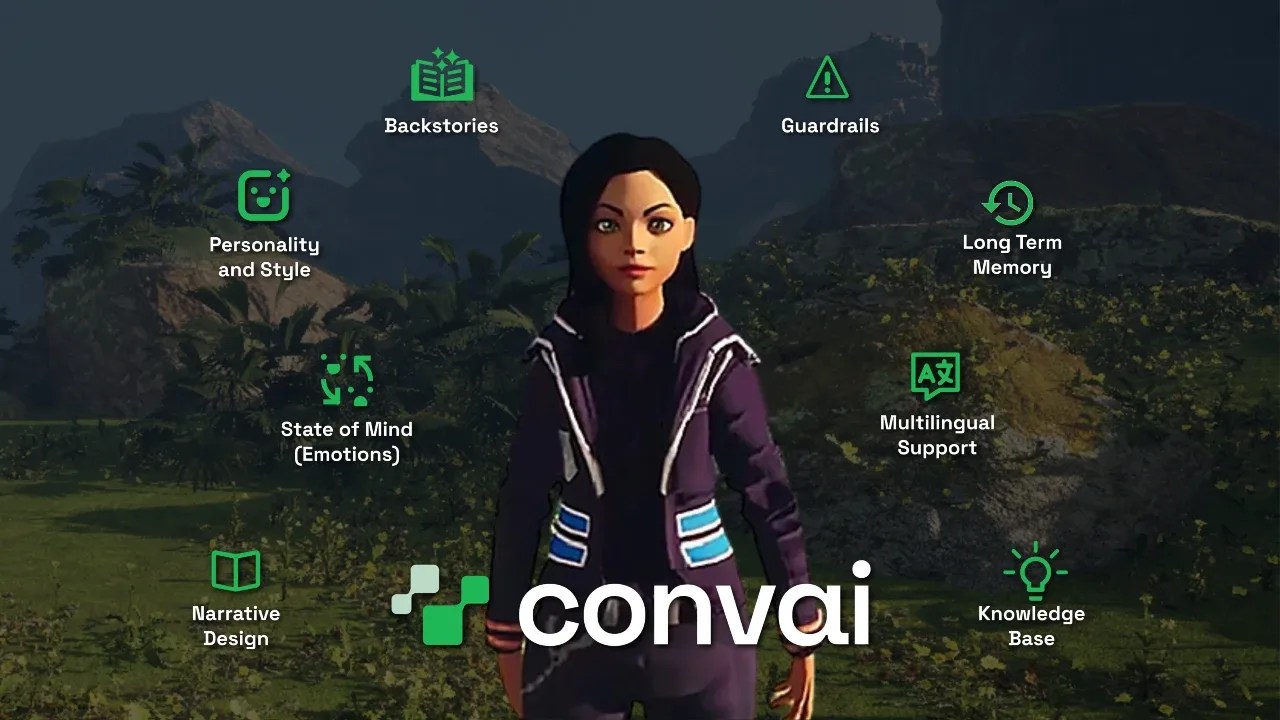
Why AI NPCs matter in 2026
In 2026, the defining shift in AI gaming is the move from scripted dialogue trees to dynamic, context-aware interactions. Players no longer just listen to pre-recorded lines; they engage with characters that remember past encounters, adapt to emotional cues, and react to the unique flow of the conversation. This transition transforms non-player characters (NPCs) from static obstacles into living participants in the game world.
The technology behind this change relies on large language models integrated directly into game engines. Instead of checking a rigid set of conditions, an AI-driven NPC evaluates the player’s history, current goals, and even tone of voice to generate a response. This creates a sense of agency that traditional scripting cannot match, making every playthrough potentially unique.
However, the industry is also grappling with the "silver bullet" myth. As noted by industry analysts, the rush to implement generative AI can sometimes obscure genuinely useful applications, leading to inconsistent or low-quality experiences. The best tools in 2026 are those that balance creative freedom with structural integrity, ensuring NPCs behave predictably enough to guide gameplay while remaining flexible enough to surprise the player.
This era marks a departure from the "choose your own adventure" books of the past. Today’s AI NPCs don’t just offer choices; they interpret intent. Whether it’s a merchant negotiating prices based on your reputation or an enemy strategist adapting to your combat style, these characters feel less like code and more like collaborators in the story.


As an Amazon Associate, we may earn from qualifying purchases.
Top AI game engines and tools
The landscape for AI gaming 2026 is defined by a split between massive, established engines and nimble, specialized middleware. Developers no longer need to build neural networks from scratch to create intelligent characters; they can integrate pre-trained models that handle dialogue, behavior, and procedural generation out of the box.
NVIDIA's Conversational AI stands out as a primary choice for high-fidelity NPC interactions. It allows developers to plug in large language models directly into Unreal Engine and Unity, enabling NPCs to respond dynamically to player speech without rigid script trees. This tool reduces the friction of implementing complex dialogue systems, making it a staple for studios aiming for next-gen immersion.
For developers focused on broader game logic and environment interaction, tools like Microsoft's AI-driven development suites and specialized middleware such as Replika's enterprise APIs offer robust alternatives. These platforms provide the "brain" for characters, handling context retention and emotional recognition, which are critical for maintaining player engagement in long-form gaming experiences.
When selecting an AI engine for your 2026 workflow, prioritize tools that offer native integration with your chosen game engine. The overhead of custom API integration can slow down production cycles, whereas plug-and-play solutions allow you to iterate on character behavior rapidly. The following products represent the current market leaders in accessible, powerful AI gaming tools.
As an Amazon Associate, we may earn from qualifying purchases.
Comparison of AI Tools
The table below highlights the core capabilities of the leading AI gaming tools available in 2026.
| Tool | Primary Focus | Engine Support |
|---|---|---|
| NVIDIA Conversational AI | NPC Dialogue & Speech | Unreal Engine, Unity |
| Microsoft AI Suite | General Game Logic & Assets | Visual Studio, Unity |
| Replika Enterprise | Emotional & Contextual AI | API-First, Unity |
| Inworld AI | Character Behavior & Dialogue | Unreal Engine, Unity, Godot |
Best AI NPCs for dynamic storytelling
The shift from scripted responses to dynamic storytelling is the defining feature of AI gaming 2026. Modern NPCs no longer repeat the same three lines when spoken to; they remember past interactions, adapt their personality based on player behavior, and generate unique dialogue on the fly. This creates a narrative experience where every conversation feels like a new scene written specifically for your playthrough.
To experience this level of immersion, look for titles that explicitly integrate large language models (LLMs) into their core gameplay loop. These games allow characters to reason, lie, or form genuine alliances with the player, turning standard quests into complex social simulations. The technology behind these interactions is becoming more accessible, with platforms like Steam now requiring "AI Disclosures" to help players identify which titles use generative AI for character interactions.
Notable AI NPC Implementations
AI Dungeon remains a pioneer in text-based AI storytelling. It allows players to interact with a world that reacts to any input, making it the gold standard for pure narrative freedom where the NPC's memory and logic are entirely driven by the AI model.
Inworld AI partners with major game engines to power NPCs in more traditional graphical environments. Their technology is used in various indie and AA titles to give characters emotional intelligence, allowing them to express fear, anger, or joy based on the immediate context of the game world.
Jenova AI offers a suite of tools that developers use to create social simulations. Games built on this framework focus heavily on relationship dynamics, where NPCs track the player's reputation and adjust their dialogue and assistance levels accordingly over long periods.
As these tools mature, the line between player and co-author is blurring. In AI gaming 2026, the best NPCs are not just obstacles or quest-givers; they are dynamic partners that make your story unique.
Hardware for AI gaming experiences
Running local AI models for real-time NPC interactions and procedural generation demands serious compute power. The gap between pre-recorded dialogue and dynamic, context-aware characters is closing, but the hardware required to run these models locally remains substantial. You need GPUs with high VRAM and CPUs capable of handling complex inference tasks without bottlenecking the game loop.
For desktop builders, the NVIDIA GeForce RTX 4090 remains the gold standard for local AI workloads. Its 24GB of VRAM allows you to run larger language models and image generators alongside your game engine. The AMD Radeon RX 7900 XTX is a viable alternative for those prioritizing raw rasterization performance, though its 24GB VRAM is paired with less mature AI software ecosystems compared to NVIDIA’s CUDA dominance.
Virtual reality adds another layer of complexity. AI-driven NPCs in VR require lower latency and higher frame rates to maintain immersion. Headsets like the Meta Quest 3 offer standalone processing, but for true high-fidelity AI interactions, a PCVR setup paired with a powerful GPU is essential. The friction of local AI means your hardware must handle both the game’s rendering and the AI’s inference simultaneously.


As an Amazon Associate, we may earn from qualifying purchases.
Frequently asked questions about AI gaming 2026
Will there be AI game engines in 2026?
Expect a surge in AI-integrated tools, with predictions suggesting at least 7,000 titles will feature AI content disclosures by 2026. As AI becomes central to development, agent-ready open-weight models will power more autonomous workflows, moving beyond simple chat to structured tool use and long-context reasoning for game characters.
Will AI be the future of gaming?
The integration of AI in gaming is rapidly evolving, with advancements in natural language processing and emotional AI making interactions feel more human-like. While perceptions vary, AI is becoming a standard tool for creating dynamic environments and responsive NPCs, fundamentally changing how players engage with virtual worlds.
What AI tools are best for creating game characters?\nDevelopers are increasingly relying on specific AI tools to generate assets and code. Popular options include Midjourney for concept art, Runway for video generation, and specialized platforms like Inworld AI for NPC behavior. These tools help streamline the creation process, allowing for more detailed and interactive character designs.
How will AI affect game quality in 2026?
While AI can accelerate development, it may also lead to a flood of low-quality games. To combat this, many platforms are implementing stricter disclosure requirements. Players should look for games that use AI as a supportive tool rather than a replacement for human creativity to ensure a polished experience.
No comments yet. Be the first to share your thoughts!