
Minecraft 1.21 base budget
A solid Minecraft 1.21 base doesn’t require a massive inventory or expensive resources. The goal is efficiency: gathering materials that are abundant in the Overworld and easy to craft. You want a structure that protects you from mobs, stores your loot, and supports farming without draining your early-game progress.
Focus on dirt, cobblestone, and wood. These materials are free and instantly available. Avoid spending time mining deep for rare blocks when simple planks and logs can create a functional, aesthetically pleasing starter home. The trade-off is durability and style, but for the first few nights, survival is the only metric that matters.
Consider your age and play style. If you’re playing casually, a small, enclosed dirt hut with a wooden door is enough. If you’re aiming for a long-term survival run, spend an extra hour gathering oak or birch logs to build a slightly larger structure with a proper roof. This small investment pays off in reduced mob spawns and better organization.
Here are some essential tools and materials you’ll need to get started:

As an Amazon Associate, we may earn from qualifying purchases.
Start small. Expand later. The best base is the one you actually finish.
Shortlist real options
The Minecraft 1.21 update introduces new decorative blocks and mob behaviors that change how players approach base construction. You can now integrate sculk sensors, copper variants, and new wood types into survival builds without relying on external resource packs. The following comparison breaks down four distinct base types that work well in the current meta.
Each option balances aesthetic appeal with practical survival utility. Some designs prioritize defense against the new Warden mechanics, while others focus on maximizing storage space or aesthetic integration with the new biomes. Choose the build that matches your playstyle, whether you prefer compact efficiency or sprawling architectural projects.
| Base Type | Key Materials | Difficulty | Best For |
|---|---|---|---|
| Sculk-Safe Hideout | Cobbled Deepslate, Amethyst, Copper | Medium | Early-game survival and Warden avoidance |
| Modern Glass Loft | White Concrete, Glass, Spruce | Easy | Aesthetic building and redstone visibility |
| Underwater Dome | Blue Stained Glass, Prismarine, Sea Lanterns | Hard | Advanced players with potion resources |
| Hanging Treehouse | Dark Oak, Vine, Cobweb | Medium | Vertical builders and forest biomes |
The Sculk-Safe Hideout uses the new warden-avoidance mechanics to your advantage. By placing amethyst blocks and copper around your perimeter, you can create a base that remains undetected by sculk sensors. This is the most practical choice for players who want to survive the first week without constant combat. The materials are easy to gather in deepslate regions or near ocean monuments.
Modern Glass Lofts leverage the clean lines of white concrete and glass to create a visually striking structure. These builds are easier to construct because they rely on simple geometric shapes. However, they offer less natural defense, so you will need to rely on iron doors, trapdoors, and lighting to keep mobs out. This is a great starting point for players who prioritize style over fortification.
Underwater Domes are visually impressive but resource-intensive. You need a steady supply of sea lanterns or glow squid ink to keep the interior lit. The dome shape provides natural defense from all sides, but the construction time is significant. This build is best suited for players who have already secured a good farm and want a long-term project.
Hanging Treehouses utilize the verticality of dark oak forests. They are relatively easy to build because they require less foundation work. The main challenge is securing the branches and preventing falls. This option is ideal for players who enjoy parkour-style movement and want a base that blends into the canopy.
Inspect the expensive parts
Your Minecraft base is only as good as its weakest link. In 1.21, a single misconfigured mod can crash your entire world or corrupt your save file. Before you commit to a full modpack or spend hours building, run this inspection checklist on the components that cost the most to fix.
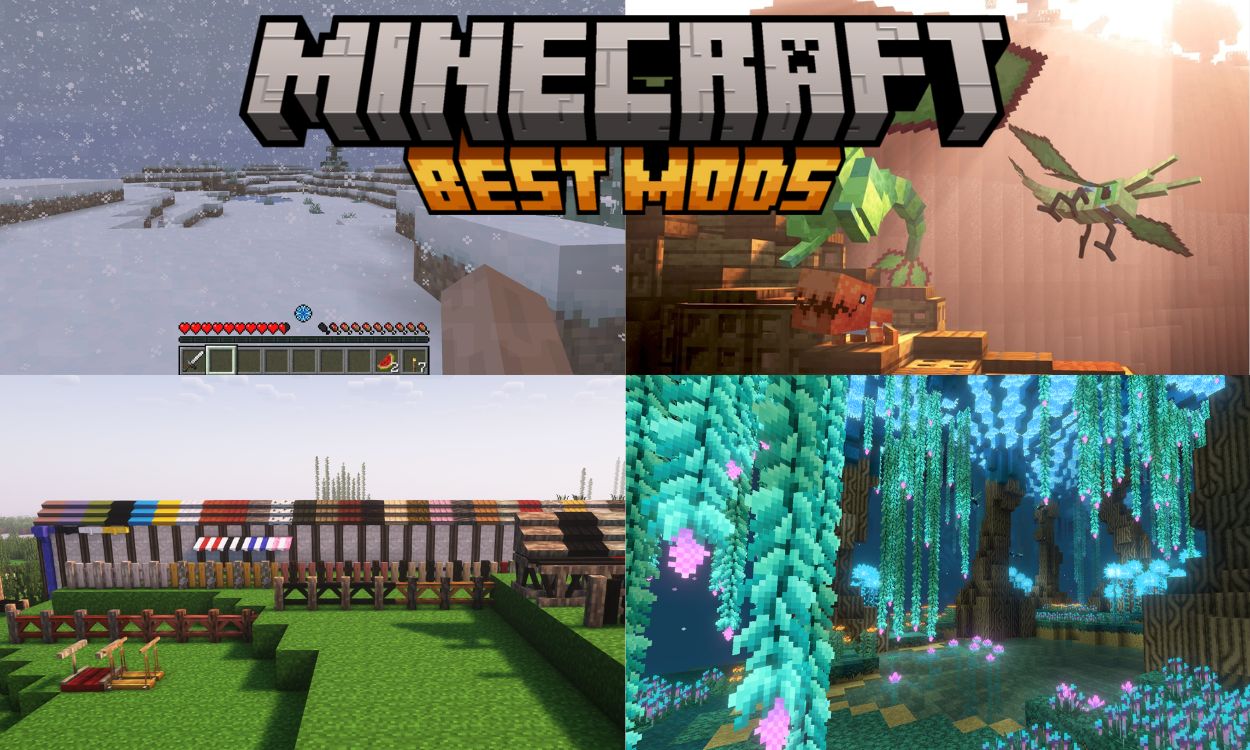
Start with the engine mods like Fabric or Forge. If the base game doesn't load, your storage and lighting mods won't matter. Run a quick boot test to ensure your Java version matches the mod loader requirements for 1.21. A failed boot here wastes more time than any other single issue.
Logistics mods like Applied Energistics or Create are where most players hit performance walls. Test a small automated storage system with 1,000 items. If your TPS (ticks per second) drops below 18, your base will lag during combat. Look for mods that offer "ME" or "fluid" network optimizations specifically for 1.21.
Shaders and lighting mods like Sodium or Embeddium can make or break your frame rate. Run a benchmark in a dense area of your base. If you lose more than 30 FPS, swap out heavy post-processing shaders for lightweight alternatives. This is the easiest tweak to make your base feel responsive.
Mobs are the silent killers of base integrity. Check if your lighting mods prevent hostile spawns correctly. If your base is still getting raided by Endermen or Creepers, your light levels are too low. Use a mod like "Mob Grinding Utils" to test spawn rates safely before building your main hub.
Finally, ensure your modpack includes a reliable backup solution. Corrupted NBT data is common with heavy mods. Test the backup feature by restoring a small section of your world. If the restore fails, you're risking your entire build on a single save file. Always keep a vanilla backup alongside your modded one.



As an Amazon Associate, we may earn from qualifying purchases.
Running these checks now saves hours of troubleshooting later. Focus on the mods that handle heavy lifting first, then fill in the cosmetic layers.
Plan for ownership costs
A cheap starter base in Minecraft 1.21+ rarely stays cheap. The initial build might cost only a few stacks of cobblestone and wood, but the real expense comes from maintaining functionality and expanding for survival needs. When you factor in the resources required to keep your base secure, automated, and habitable, the true cost of ownership becomes clear.
Maintenance surprises
The first surprise is usually food. A simple dirt hut doesn’t need much, but a proper base with farms, animal pens, and villager halls consumes resources daily. If you rely on automated farms, you need redstone components, hoppers, and water sources that require constant upkeep. Broken farms mean starvation. Broken defenses mean loss of loot. Every time a farm breaks or a mob breaches your walls, you pay back in time and materials.
When cheap stops being cheap
Consider the tradeoff between a basic wooden shack and a stone brick fortress. The shack takes hours to build and costs almost nothing. The fortress takes days and costs hundreds of blocks. But the shack will burn down in a creeper blast. The fortress will survive. Over a full playthrough, the fortress saves you from rebuilding multiple times. The initial investment pays off in stability.
Resource tracking
Track your resource usage. If you’re spending more time gathering materials than playing, your base is too expensive to maintain. Simplify. Use what’s available. Don’t over-engineer early on. A functional, modest base is better than an abandoned dream project.


As an Amazon Associate, we may earn from qualifying purchases.
Minecraft 1.21 base: what to check next
What is the best starter base design for Minecraft 1.21 survival?
The most reliable starter base is a compact, single-story structure that consolidates essential functions into a small footprint. Look for designs that include dedicated zones for storage, an enchanting setup, a mining entrance, and a nether portal. This layout maximizes efficiency in the early game, allowing you to manage resources and progress without unnecessary travel. Simple survival bases often outperform complex castles because they are faster to build and easier to defend against early mobs.
How do I upgrade my starter base to a permanent survival home?
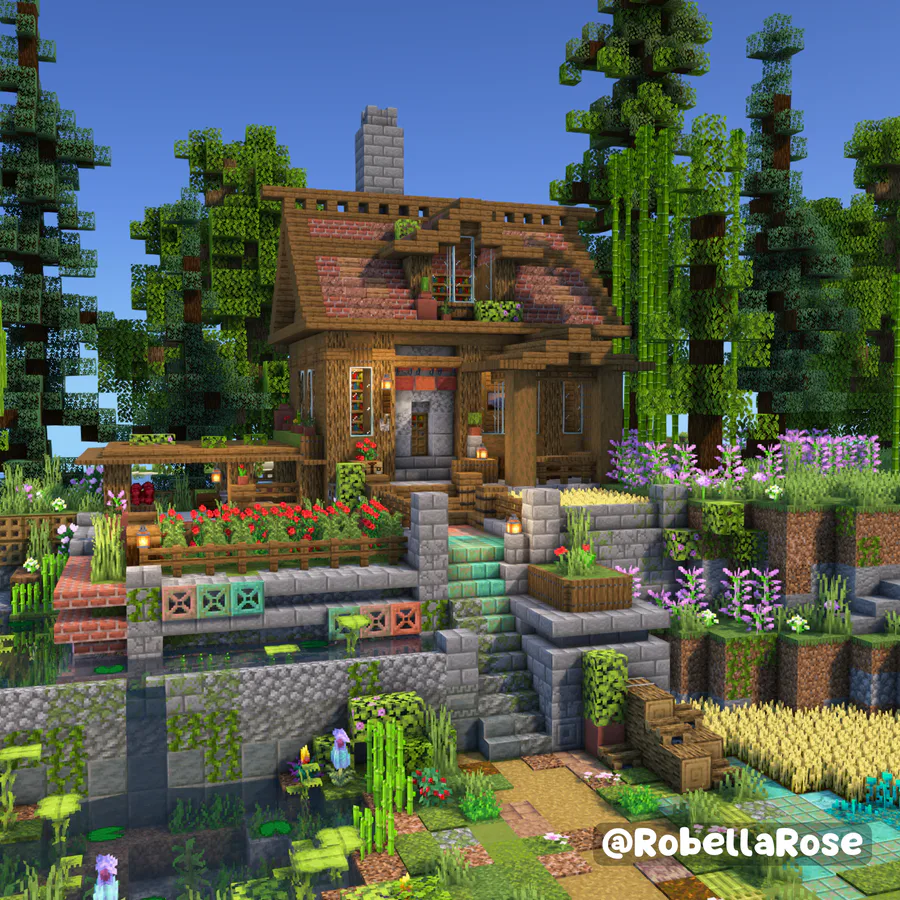
Upgrading involves expanding your existing foundation rather than starting over. Add a second floor for sleeping quarters, extend your storage rooms to handle late-game loot, and reinforce walls with blast-resistant blocks like stone bricks. Many players transition from simple cottages to fortified bunkers or floating islands as they acquire better gear. The goal is to maintain the functional layout of your starter base while increasing its durability and capacity.
What materials are best for a Minecraft 1.21 survival base?
Cobblestone and stone bricks remain the top choices for survival bases due to their availability and blast resistance. For aesthetic upgrades, consider using deepslate variants or polished diorite to give your base a modern look. Avoid wood for exterior walls if you play on harder difficulties, as it burns easily. Combine these materials with glass panes for windows and iron doors for secure entry points to create a balanced, functional home.
Where should I place my Minecraft base for optimal gameplay?
Place your base near a village, river, or mountain for easy access to resources and trade opportunities. Avoid building directly on the surface in open biomes where mobs can spawn freely; instead, use a hillside or dig into a cliff face for natural protection. Proximity to a nether portal is also crucial, as it connects you to the wider world for efficient travel and resource gathering.
No comments yet. Be the first to share your thoughts!