
What to Expect in the Budget Tier
Finding a gaming chair under $200 requires balancing materials and longevity. At this price point, you are rarely getting genuine leather or heavy-gauge steel frames. Instead, expect synthetic PU leather that may crack within two to three years of heavy use, and foam that compresses over time. The goal is to find a chair that remains comfortable for daily sessions without feeling like a temporary fix.
The tradeoff often lies in adjustability. Higher-end models offer lumbar support that moves up and down, but budget options usually lock this feature in place. You might also notice less smooth recline mechanisms and wobbly armrests. However, for casual gamers or those on a tight budget, these chairs still provide better posture support than dining room chairs or floor seating.
When shopping, prioritize the base build quality over flashy RGB lighting. A stable five-point base and decent caster wheels matter more for long-term durability than aesthetic extras. Look for brands like Razer or Secretlab that offer entry-level models; they often use slightly better materials than generic no-name brands, even if the feature set is stripped down.
Shortlist real options
The market for the best gaming chairs 2026 has consolidated around a few reliable manufacturers that balance ergonomics with durability. Rather than chasing every new release, we focus on models that consistently appear in top-tier reviews for their build quality and long-term comfort. These picks cover the spectrum from budget-friendly entry points to premium ergonomic workstations.
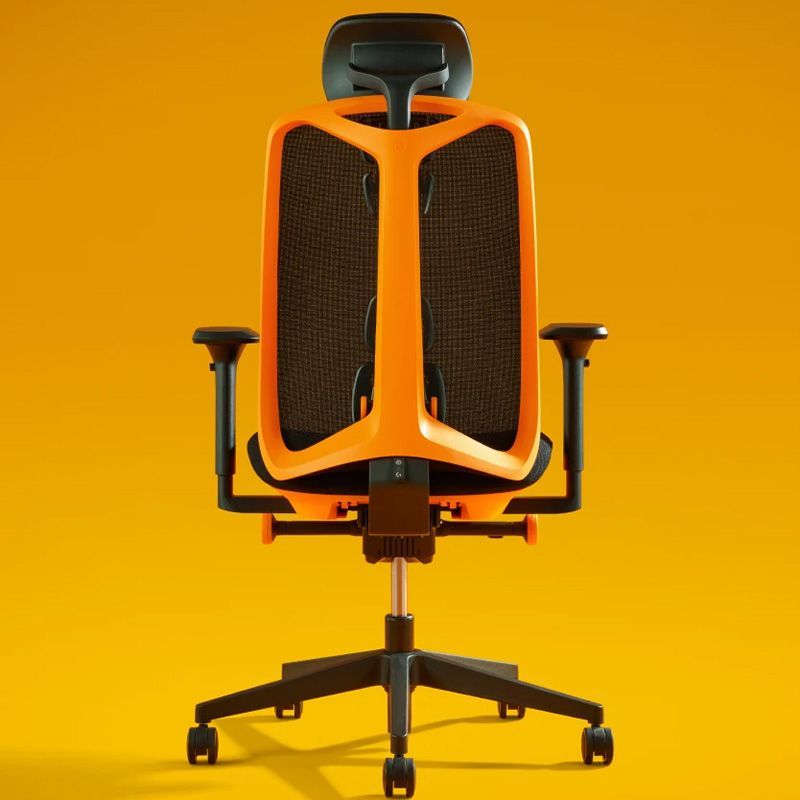
Herman Miller x Logitech G Vantum
The Vantum stands out for its unique backrest design, which uses a flexible mesh that moves with your body rather than relying on static lumbar pillows. It is lightweight and breathable, making it ideal for players who run hot or prefer a minimalist aesthetic. The build quality matches the Herman Miller name, though the lack of a headrest and limited recline may not suit everyone.
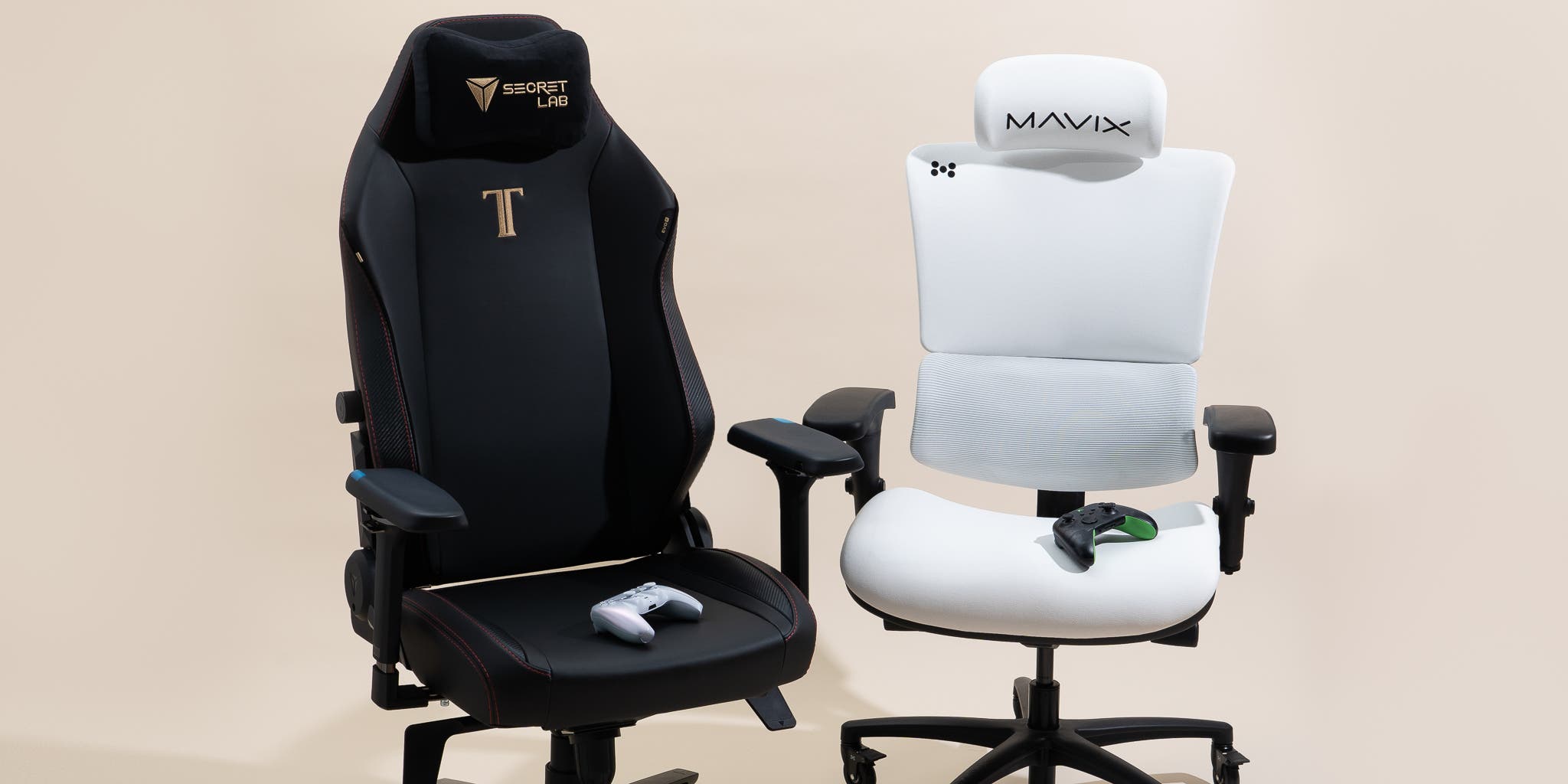
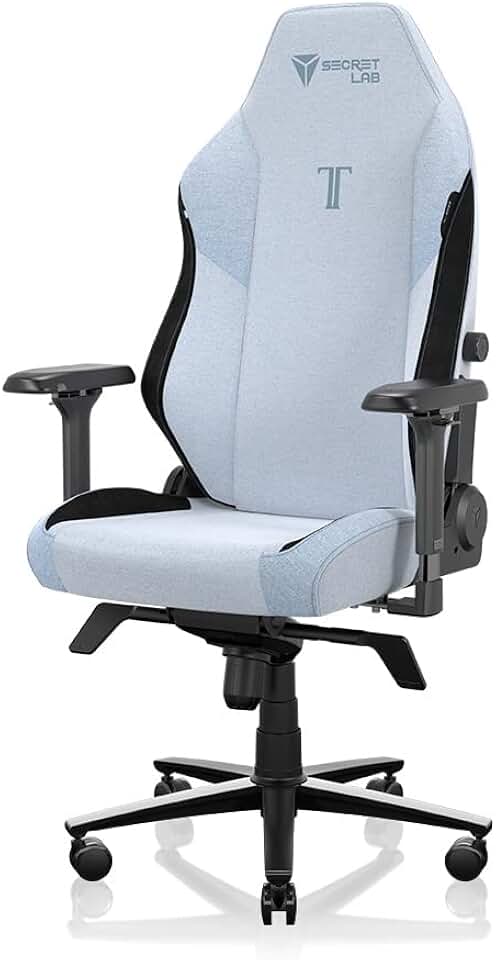
Secretlab Titan Evo
The Titan Evo remains a benchmark for customizable support. It features a cold-cure foam seat that holds its shape well over time and a magnetic memory foam head pillow. The integrated 4-way lumbar support system allows for precise adjustments, catering to different spine curvatures. It is a heavier, more substantial chair that feels built like a tank, suitable for heavy daily use.
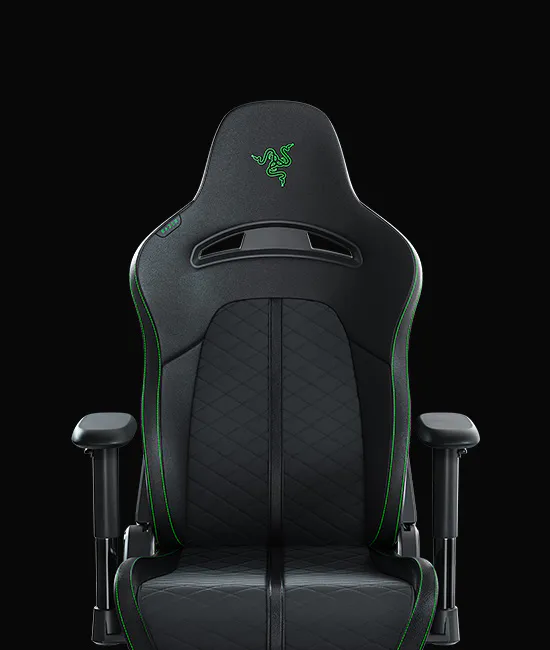
Razer Iskur V2 X
Razer’s entry point offers a solid alternative for those who want brand recognition without the premium price tag of the full Iskur line. The V2 X includes a built-in lumbar support system that is adjustable, though it lacks the magnetic features of the higher-end models. The fabric upholstery is durable and easy to clean, providing a comfortable surface for long gaming sessions.
Corsair TC100 Relaxed
For users prioritizing value, the TC100 Relaxed delivers a comfortable seating experience with a focus on affordability. It features a breathable mesh back and adjustable armrests, making it a practical choice for budget-conscious buyers. While it lacks the high-end materials of its competitors, it offers sufficient support for casual to moderate gaming sessions.
| Model | Lumbar Support | Primary Material | Best For |
|---|---|---|---|
| Herman Miller x Logitech G Vantum | Dynamic Mesh | Mesh/Aluminum | Breathability & Minimalism |
| Secretlab Titan Evo | 4-Way Adjustable | NAPA Leather/Fabric | Customization & Durability |
| Razer Iskur V2 X | Built-in Adjustable | Eco Leather | Brand & Value |
| Corsair TC100 Relaxed | Standard | Mesh | Budget & Comfort |
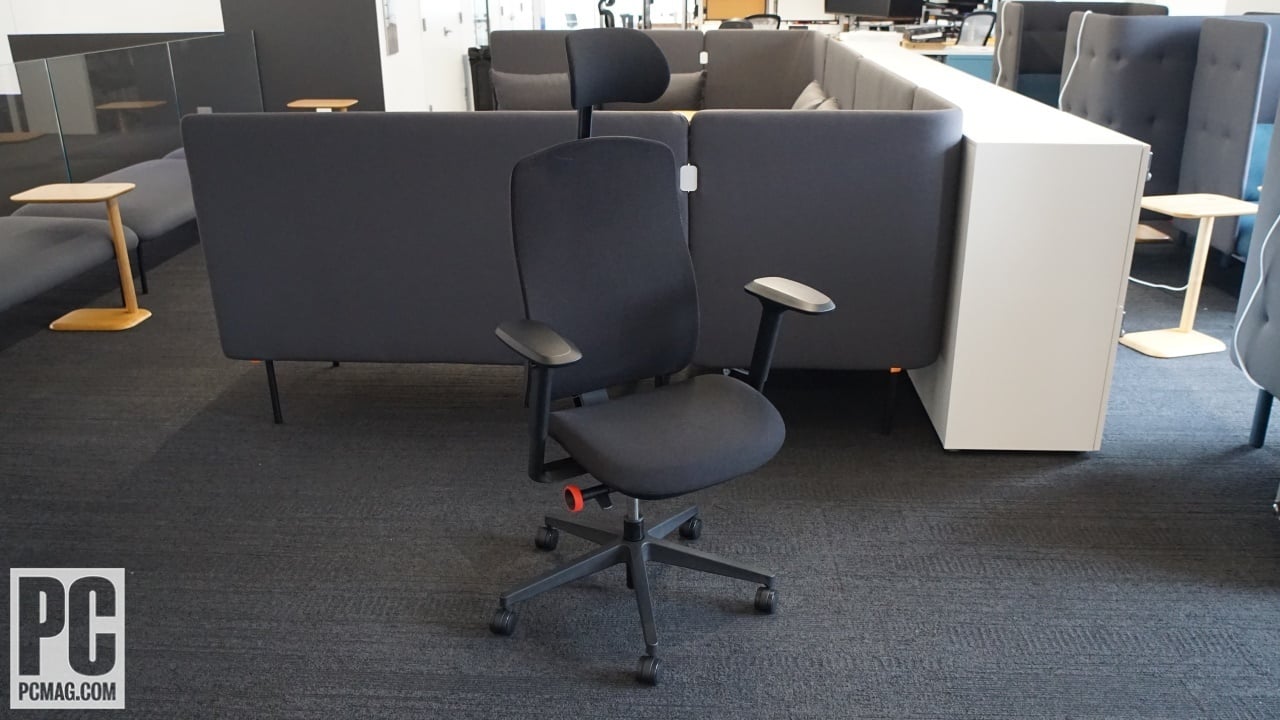
- Dynamic backrest
- Breathable mesh
- Premium build


As an Amazon Associate, we may earn from qualifying purchases.
Inspect the expensive parts
Gaming chairs fail in predictable ways, and the repair bills often exceed the cost of replacement. Before committing to a purchase or deciding whether a used model is worth the risk, check the components that drive up the price and cause the most downtime. Focus on the gas lift, the base, and the lumbar support mechanism, as these are the parts that actually break under heavy use.
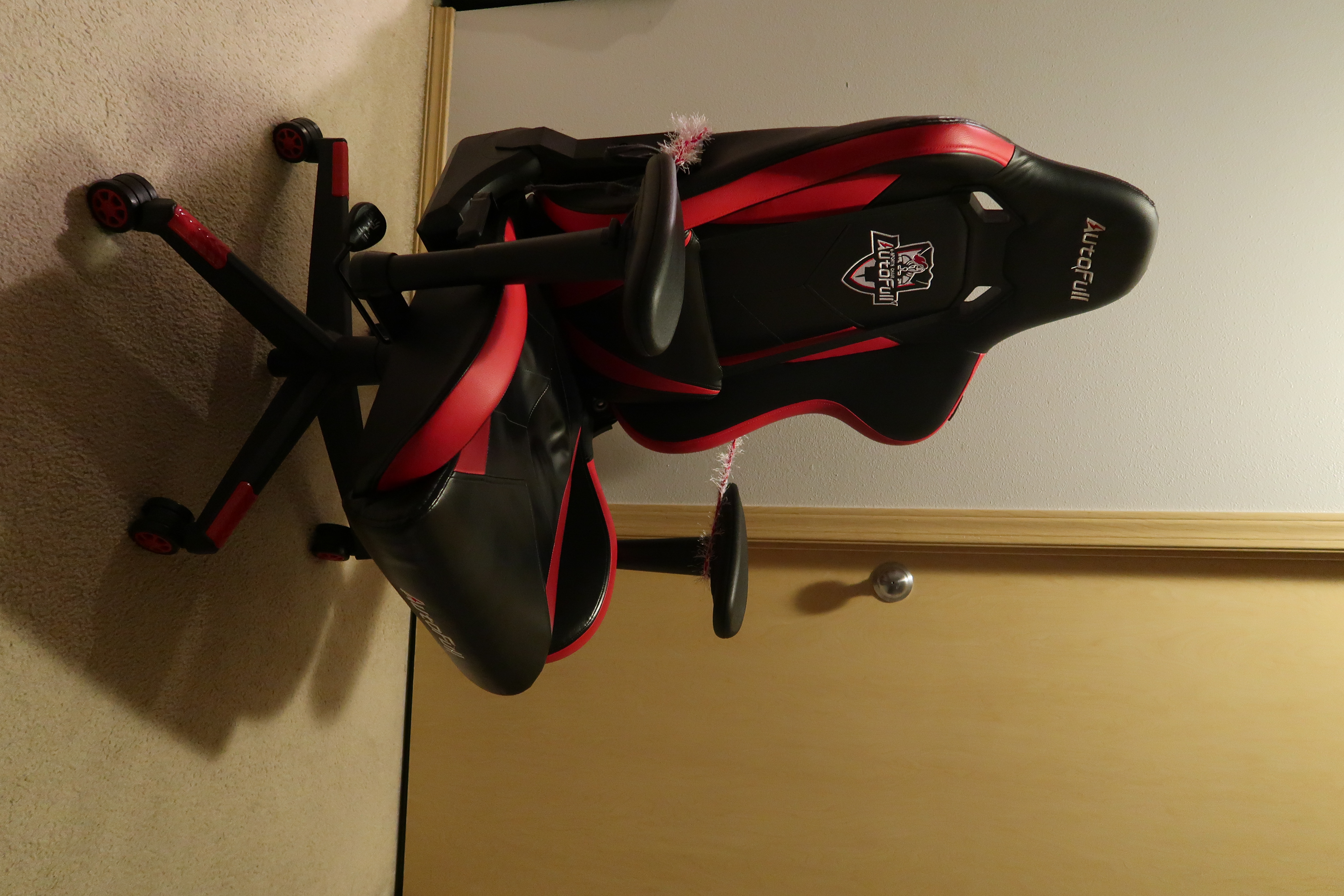
The gas lift is the most common point of failure. If the chair sinks while you are sitting in it, the cylinder has lost its seal. Look for a Class 3 or Class 4 cylinder, which are rated for higher weights and more cycles. Cheap chairs often use lower-grade steel that corrodes or leaks. If the cylinder is stuck or wobbles, walk away; it is not user-replaceable in many integrated designs.
Avoid aluminum or plastic bases if you weigh over 200 pounds. Plastic cracks under stress, and thin aluminum can bend. Look for a nylon-reinforced polyamide base or solid steel. Check the welds on the arms and base for gaps or rough edges, which indicate poor manufacturing. A solid base ensures the chair doesn’t tip or collapse during intense gaming sessions.
Cheap foam pillows detach and flatten quickly. Look for chairs with adjustable, mechanical lumbar support that can be locked into place. If the support is fixed or uses a simple strap, it will likely sag or shift out of position after a few months of daily use. Ensure the mechanism is easy to adjust with one hand, so you can change positions without breaking your flow.
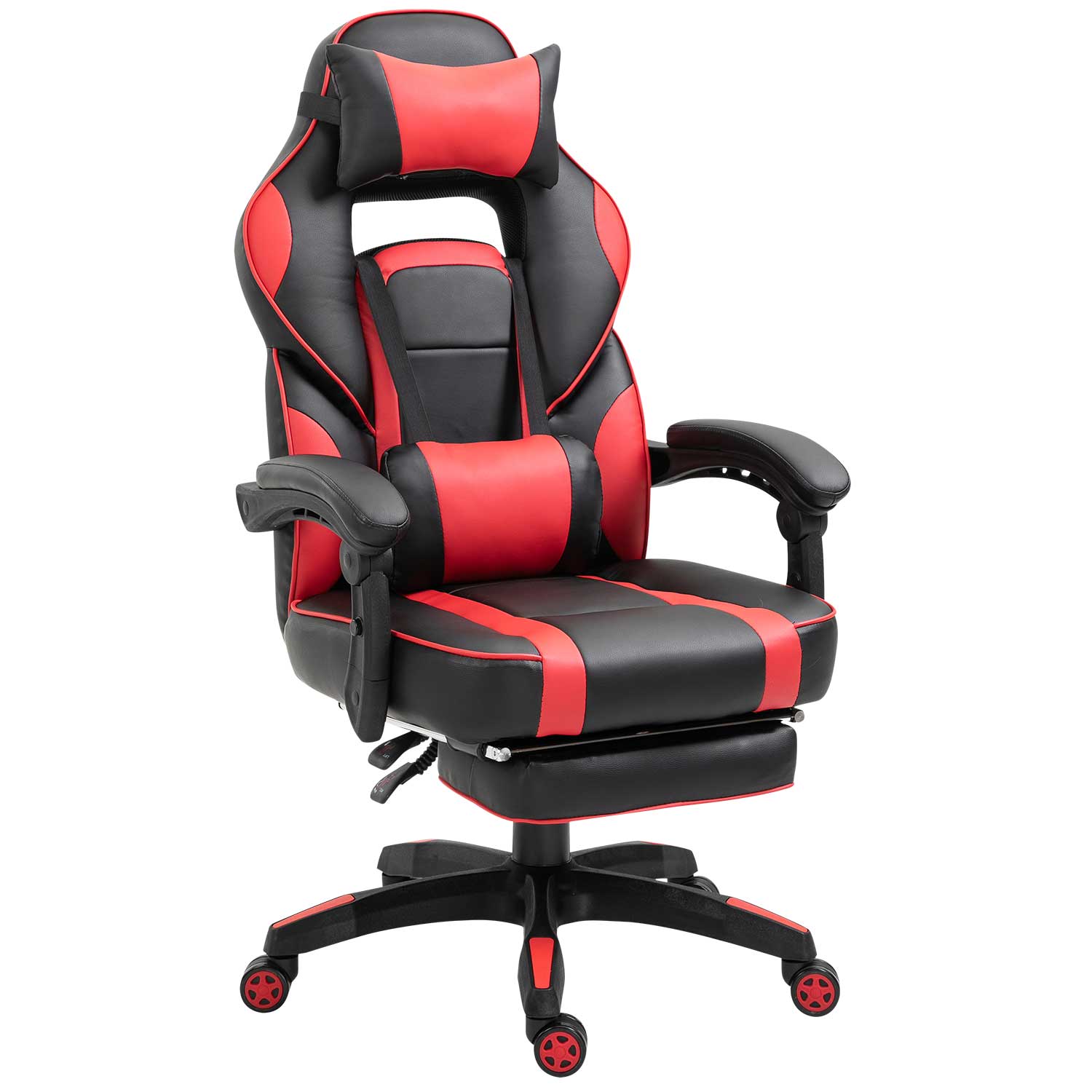
Armrests that wobble or feel loose are a sign of cheap internal hardware. Check if they are 4D adjustable (up/down, left/right, forward/back, pivot). Also, inspect the stitching on the seat and backrest. Loose threads or uneven seams suggest poor quality control. PU leather, common in mid-range chairs, will peel after 1-2 years, so look for breathable mesh or high-density foam if longevity is a priority.
Plan for ownership costs
Gaming chairs are often sold as a one-time purchase, but the real cost comes from how long the materials hold up under daily use. A $200 chair that lasts three years costs more per month than a $600 ergonomic seat that lasts ten. When evaluating a purchase, look beyond the sticker price to see what you get for that investment in terms of long-term durability.
The biggest hidden cost is maintenance and part replacement. Cheap gaming chairs often use generic foam that flattens within a year and synthetic leather that peels or cracks with sweat exposure. In contrast, professional-grade chairs like the Secretlab Titan Evo or Herman Miller x Logitech G Vantum use high-density cold cure foam and durable materials designed to withstand thousands of hours of sitting. While the upfront cost is higher, you avoid the recurring expense of replacing cushions or the entire chair.
Maintenance is another factor to consider. Some chairs require specific cleaning products to prevent material degradation, while others, like those with mesh backs, are easier to wipe down and keep fresh. If you plan to use your chair for 8+ hours a day, investing in a chair with replaceable parts—such as armrest pads or head pillows—can extend its life significantly without needing a full replacement.
- Professional ergonomics
- Mesh breathability
- 12-year warranty
As an Amazon Associate, we may earn from qualifying purchases.
When a cheap buy stops being cheap is usually when you factor in the discomfort and health impacts. Sitting in a poorly supported chair can lead to back pain, neck strain, and reduced productivity. If you find yourself needing to buy a new chair every two years, the cumulative cost and inconvenience outweigh the initial savings of a budget model.
Gaming chairs 2026: what to check next
We tested dozens of chairs to answer the practical objections readers have before making a decision. Here are the most common questions about gaming chairs in 2026.
Are gaming chairs actually better than office chairs?
Not always. If you spend more than eight hours a day sitting, an ergonomic office chair like the Herman Miller Embody or Haworth Fern often provides better long-term support. Gaming chairs excel when you want integrated features like RGB lighting, recline locks for napping, or a bucket-seat aesthetic. For pure posture health, stick with office-grade ergonomics.
What is the best budget gaming chair under $300?
The Corsair TC100 Relaxed is our top pick for value. It offers decent lumbar support and breathable mesh without the premium price tag. For those needing more customization, the Secretlab Titan Evo (base model) often drops near this price point and delivers superior build quality and adjustable armrests.
Do gaming chairs wear out faster than office chairs?
Yes, typically. Most gaming chairs use foam cushions covered in synthetic leather or faux PU leather, which tends to crack or peel after two to three years of daily use. Office chairs often use high-density foam and mesh, lasting five years or more. If longevity is your priority, avoid the "racing style" bucket seats.
Which gaming chair is best for tall people?
Standard gaming chairs often cut off support for users over 6 feet. The Secretlab Titan Evo XL and the AndaSeat Kaiser 4 XL are designed specifically for taller frames, offering wider seat bases and higher backrests. The Herman Miller x Logitech G Vantum also scales well for taller users due to its adaptive mesh design.
No comments yet. Be the first to share your thoughts!