
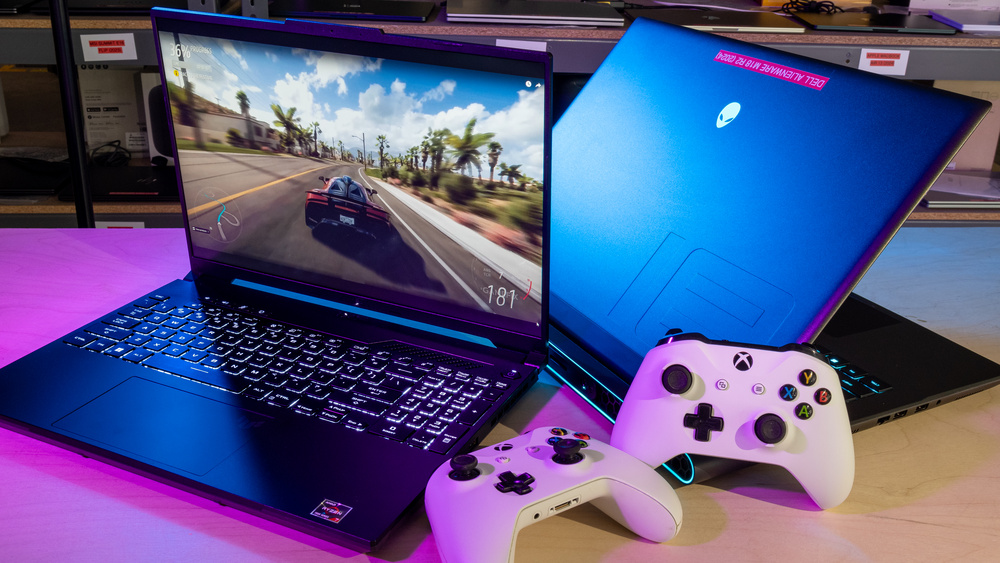
How we picked the best gaming laptops
We evaluated the top RTX 50-series gaming laptops by testing real-world performance, thermal management, and display quality. Our methodology focuses on concrete product benchmarks rather than abstract specifications, ensuring our recommendations reflect actual gaming experiences.
Testing methodology
We stress-tested each candidate using demanding titles and synthetic benchmarks to measure sustained GPU performance under load. Thermals were monitored to ensure cooling solutions could handle the heat generated by next-generation chips without throttling. Display accuracy was measured for color gamut and brightness, critical for both immersive gaming and content creation.
Key criteria: GPU, thermals, and AI
The RTX 50-series introduces significant AI-driven features like DLSS 4, which we tested for frame generation stability and image quality. Build quality and keyboard feel were assessed for durability and comfort during long sessions. We prioritized laptops that balance raw power with practical usability, avoiding models that compromise on one for the other.
Featured picks
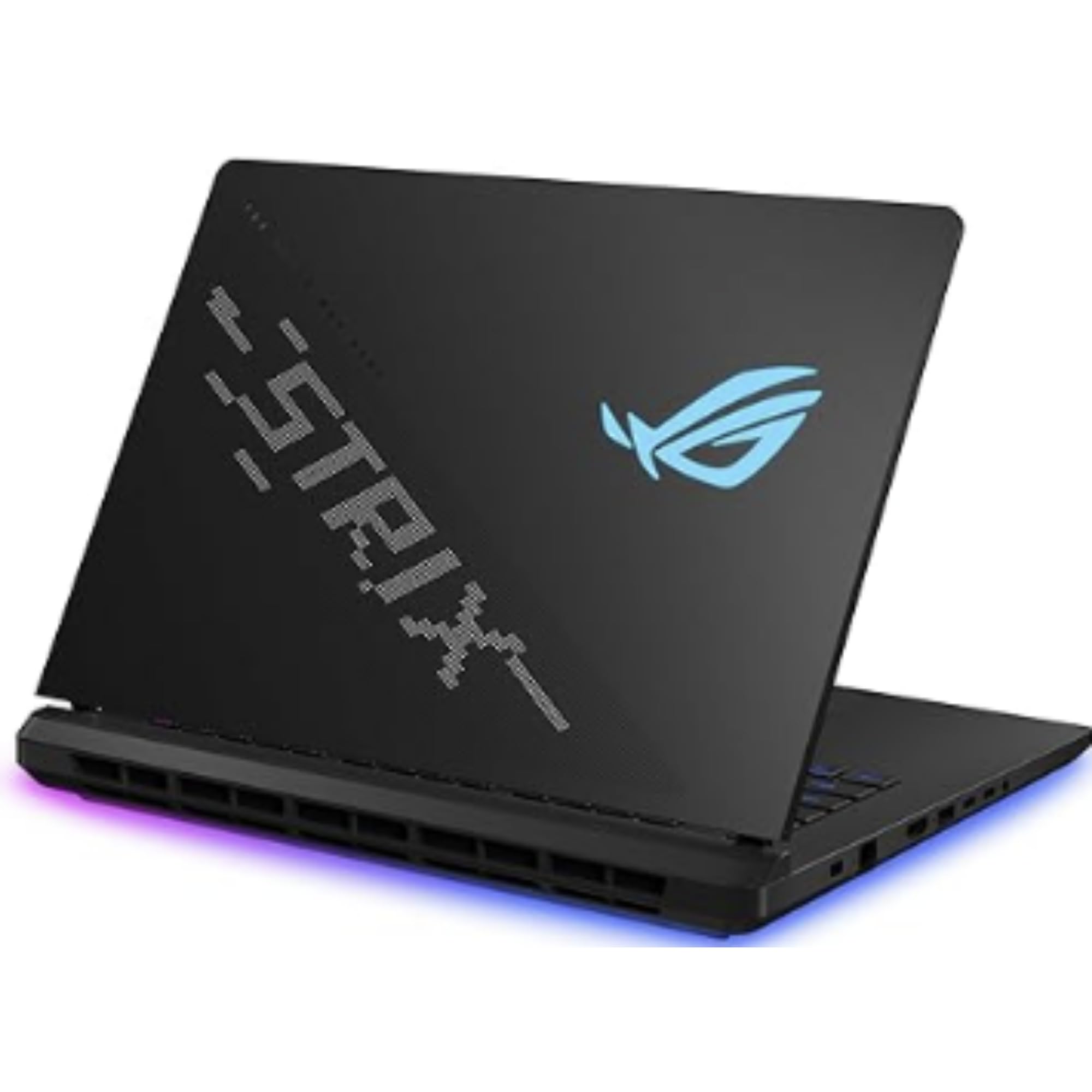
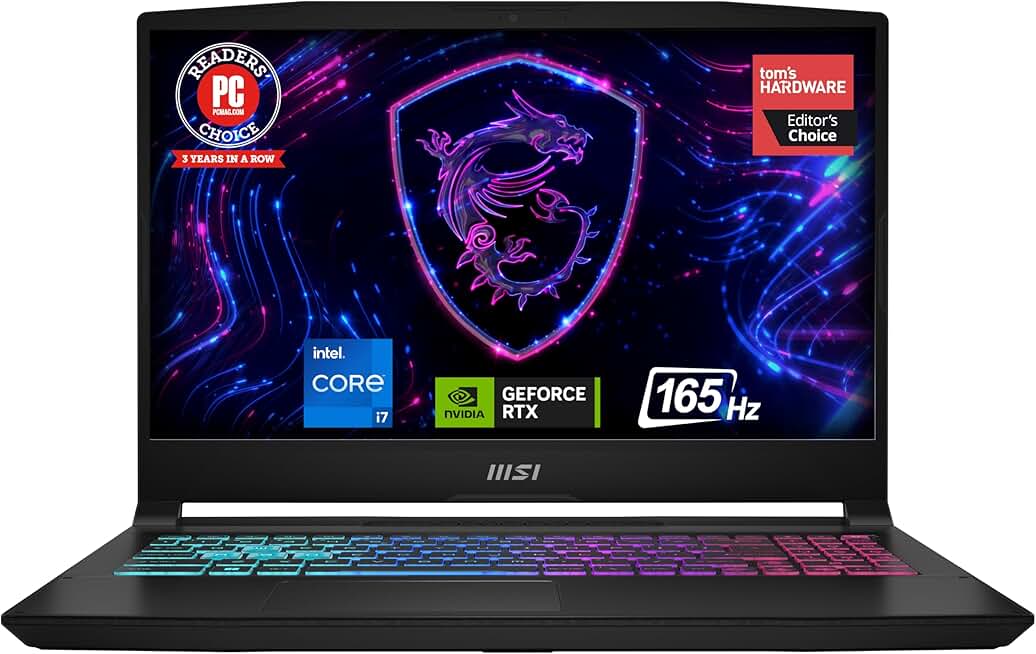
Based on our testing, here are the standout models from the 2026 lineup:



As an Amazon Associate, we may earn from qualifying purchases.
Top Overall Gaming Laptop Picks
The RTX 50-series has shifted the baseline for high-end gaming laptops. These machines prioritize raw rasterization power alongside the new Blackwell architecture's AI capabilities, such as DLSS 4 frame generation and upscaling. We focused on models that balance this heavy hardware with viable thermals and build quality.
The Lenovo Legion 9i remains a standout for those who want premium materials without sacrificing performance. Its vapor chamber cooling system handles sustained loads better than most competitors. Meanwhile, the Asus ROG Strix Scar 18 offers a wider screen and more aggressive styling for players who want maximum visual impact.
For a slightly more compact option, the Alienware 16X Aurora delivers solid 1440p performance in a chassis that doesn't dominate your desk. It serves as a strong alternative to the bulkier 18-inch flagships. These picks represent the current ceiling for gaming laptop performance.


As an Amazon Associate, we may earn from qualifying purchases.
Thin and light gaming laptops
Portable gaming has shed its bulky reputation. The best thin and light gaming laptops now pack RTX 50-series power into chassis light enough for daily commutes, balancing raw performance with portability. These machines prioritize efficient cooling systems and high-quality OLED screens to deliver immersive visuals without the bulk.
The Lenovo Legion 7i Gen 10 stands out for its elegant white chassis and glossy OLED display. It offers a premium build quality that rivals ultrabooks while delivering the graphics performance needed for modern titles. The efficient cooling keeps the device relatively quiet during extended gaming sessions.
| Model | Screen | GPU Tier |
|---|---|---|
| Lenovo Legion 7i Gen 10 | OLED | RTX 50-series |
| Razer Blade 14 | Mini-LED | RTX 50-series |
| Asus ROG Zephyrus G14 | OLED | RTX 50-series |
Razer and Asus lead the charge with the Blade 14 and Zephyrus G14. Both models utilize AI-driven performance scaling to maximize battery life when unplugged and boost clock speeds when plugged in. The OLED panels on these devices provide deep blacks and vibrant colors, essential for visual fidelity.


As an Amazon Associate, we may earn from qualifying purchases.
Best budget gaming laptops under $1,000
The RTX 5060 has become the new entry-level sweet spot for 2026, offering a balance of performance and price that makes sub-$1,000 gaming viable without severe compromises. These machines prioritize the GPU over flashy chassis designs, delivering stable frame rates in modern titles while integrating AI features like DLSS 4 to boost efficiency. You are buying raw gaming capability, not premium build materials, which keeps the cost down while maintaining solid 1080p performance.
The Acer Nitro V 16S AI stands out for its aggressive pricing and inclusion of the RTX 5060, making it a strong contender for strict budgets. It leverages AI upscaling to maintain smooth gameplay even in demanding scenarios, ensuring the hardware stretches its value further. The Gigabyte Aero X16 offers a slightly more refined display experience, though it often sits at the very top of the budget bracket, requiring careful timing on sales.
For those willing to stretch slightly or catch a deal, the Lenovo Legion 5i Gen 10 provides superior thermals and build quality compared to typical budget rivals. While it often pushes just above the $1,000 mark, its longevity and cooling efficiency make it a safer long-term investment than cheaper alternatives that might throttle under load. The Alienware 16 Aurora also appears in several top lists, offering robust connectivity and brand support for users who prioritize expandability over pure price.


As an Amazon Associate, we may earn from qualifying purchases.
What RTX 50-series and AI features mean
The RTX 50-series changes the baseline for gaming longevity. The jump to 12GB of VRAM on the RTX 5070 Ti and 16GB on the 5080 addresses the primary bottleneck of modern titles. Higher memory capacity allows for higher texture settings and future-proofing against games that increasingly demand large asset libraries.
Note: Start with at least 12GB VRAM. Lower capacities risk obsolescence faster.
This hardware shift relies heavily on DLSS 4. The new AI upscaling renders frames at a lower resolution and uses neural networks to reconstruct the image. This technique delivers higher frame rates without the visual artifacts seen in previous generations, making high-refresh-rate gaming viable on laptop screens.
These features define the value proposition of 2026 models. Buying a laptop without these capabilities means accepting a shorter usable lifespan for your hardware. The following picks showcase how manufacturers are integrating these technologies into portable chassis.

![EXCaliberPC [2025] MSI Titan 18 HX AI A2XWIG-616US (Intel Core Ultra 9 285HX, 64GB RAM, 2TB Gen5 + 2TB Gen4 SSD, NVIDIA GeForce RTX 5080, 18" UHD+ Mini LED, Windows 11 Pro) Gaming Laptop](https://m.media-amazon.com/images/I/61Zh-U-cz2L._AC_UY654_QL65_.jpg)

As an Amazon Associate, we may earn from qualifying purchases.
Frequently asked questions about gaming laptops


As an Amazon Associate, we may earn from qualifying purchases.
No comments yet. Be the first to share your thoughts!