
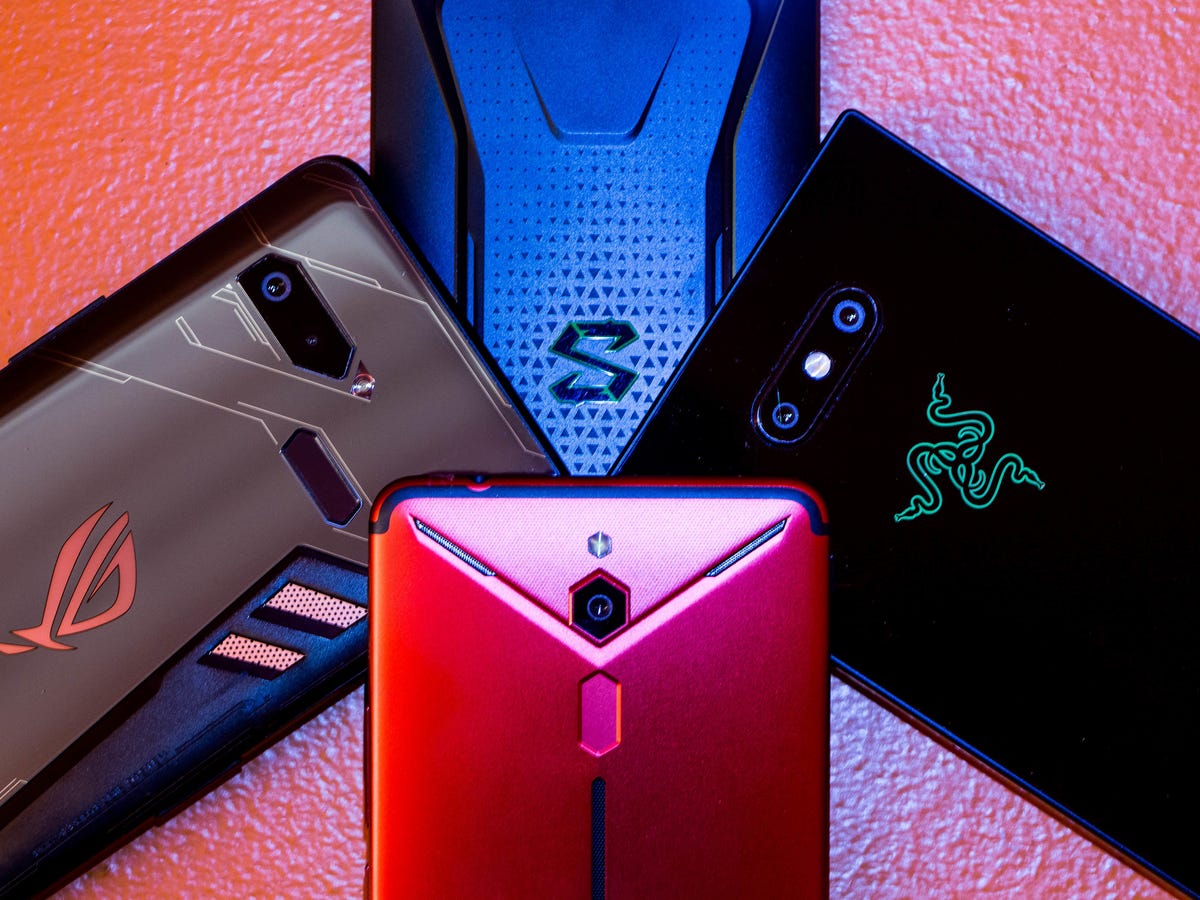
Why gaming phones still matter
Standard flagships like the iPhone 17 or OnePlus 15 are impressive devices, but they prioritize versatility over competitive performance. In 2026, dedicated gaming phones such as the RedMagic 11 Pro offer tangible advantages that general-purpose smartphones simply cannot match. These devices are engineered specifically for the demands of high-fidelity mobile gaming, providing hardware-level benefits that translate directly into better gameplay.
The primary differentiator lies in specialized input and thermal management. Gaming phones integrate shoulder triggers that function like controller bumpers, giving you precise control in shooters and racing games without obscuring the screen with virtual buttons. Built-in active cooling fans prevent thermal throttling, allowing processors like the Snapdragon 8 Elite to sustain peak performance during extended sessions without slowing down.
High refresh rate displays are also standardized on these devices. While many premium phones cap at 120Hz, gaming-focused models often push to 144Hz or higher with significantly lower touch sampling rates. This results in smoother visuals and faster response times, a critical edge in competitive titles. For serious mobile gamers, these hardware distinctions make dedicated devices a necessary tool rather than a luxury.
5 Best Gaming Phones 2026: Top 5 Picks for Mobile Gamers
Selecting the best gaming phones in 2026 requires balancing raw processing power with thermal management and display refresh rates. We evaluated the top contenders to identify the five devices that deliver the most reliable performance for serious mobile gamers.
1. RedMagic 11 Pro: The performance king
The RedMagic 11 Pro dominates benchmarks with its Snapdragon 8 Elite chipset and active cooling fan, ensuring sustained frame rates during marathon sessions. Its shoulder triggers offer tactile precision rivaling handheld consoles, while the high-refresh-rate display minimizes input lag. This device prioritizes raw computational power and thermal management above all else.

2. ROG Phone 9 Pro: The enthusiast's choice
Asus ROG Phone 9 Pro caters to hardcore enthusiasts with its AeroActive Portal and customizable Aura RGB lighting. The device features a unique side-mounted charging port that keeps cables out of your grip during intense play. Its Snapdragon 8 Elite processor paired with a 165Hz AMOLED display delivers fluid visuals, making it a top contender for competitive multiplayer titles.

3. iPhone 17 Pro: Best for console ports
The iPhone 17 Pro stands out as the premier choice for players seeking high-fidelity console ports on iOS. Its A19 Pro chip delivers desktop-class performance, enabling ray-traced graphics and complex physics simulations previously impossible on mobile. With Apple’s optimized ecosystem and extensive library of premium titles, it offers a polished, lag-free experience for casual and dedicated gamers alike.

4. OnePlus 15: The balanced flagship
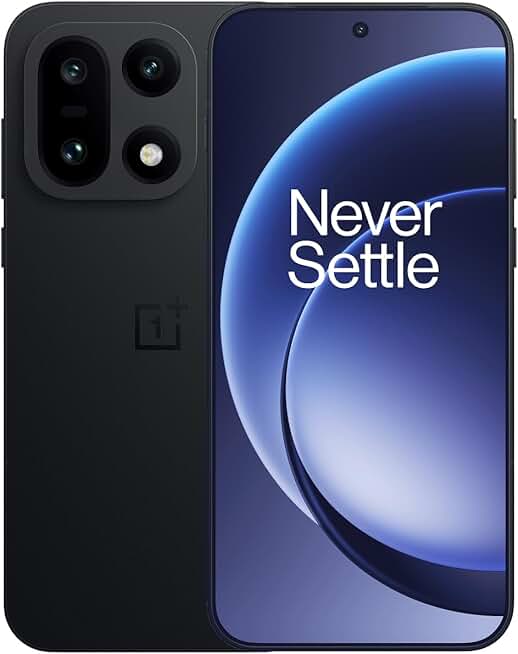
OnePlus 15 strikes an ideal balance between gaming prowess and daily usability. Powered by the Snapdragon 8 Elite, it handles demanding games effortlessly while maintaining excellent battery life and fast charging capabilities. The sleek design avoids bulky gaming aesthetics, making it a versatile flagship that performs exceptionally well in both competitive gaming scenarios and everyday multimedia consumption tasks.
5. Poco F8 Pro: Value gaming leader
The Poco F8 Pro delivers flagship-level gaming performance at a fraction of the cost, making it the ultimate value leader. It features a high-refresh-rate display and a powerful processor capable of running graphically intensive games smoothly. By prioritizing core gaming specs over premium build materials, it offers exceptional bang for your buck for budget-conscious mobile gamers seeking high FPS stability.

How we tested these phones
We evaluated the best gaming phones 2026 using a mix of synthetic benchmarks and real-world gameplay to ensure our picks perform under pressure. Our testing protocol focused on three critical areas: raw processing power, thermal management, and display responsiveness.
For performance, we ran Geekbench 6 and 3DMark Wild Life to measure CPU and GPU capabilities. We then stress-tested the devices with graphically intensive titles like Genshin Impact and Honkai: Star Rail at maximum settings for 30-minute sessions. This revealed how each phone handles sustained loads and whether it throttles performance as temperatures rise.
Thermal throttling was a major differentiator. We monitored surface temperatures using an infrared thermometer while gaming. Phones like the RedMagic 11 Pro and ASUS ROG Phone 9 Pro stood out for their active cooling solutions, maintaining stable frame rates without becoming uncomfortably hot. Passive cooling phones, such as the iPhone 17 Pro, showed more significant performance drops after extended play.
Display quality also mattered. We measured refresh rate stability, touch sampling rate, and color accuracy. A smooth 144Hz or 165Hz panel is useless if the touch response lags. We verified that the touch sampling remained consistent even during intense multi-touch inputs, ensuring that competitive gamers get the responsiveness they need.


As an Amazon Associate, we may earn from qualifying purchases.
Frequently asked: what to check next
What is the most popular mobile game in 2026?
Battle royale and hero shooter titles continue to dominate the mobile gaming landscape in 2026. Games like Brawl Stars, Call of Duty: Mobile, and PUBG Mobile maintain massive player bases due to their competitive nature and regular content updates. These titles demand high performance, making them ideal tests for the best gaming phones 2026 models.
Do I need a dedicated gaming phone for mobile gaming?
While flagship smartphones like the iPhone 16 Pro Max or Samsung Galaxy S25 Ultra handle most games well, dedicated gaming phones like the RedMagic 11 Pro offer distinct advantages. Features such as active cooling fans, shoulder triggers, and higher refresh rate displays provide a tangible edge in competitive play. If you game casually, a standard flagship is sufficient; for serious gamers, a dedicated device is worth the investment.
How long do gaming phones last?
Most gaming phones remain relevant for three to four years, depending on battery health and software support. Brands like ASUS ROG and RedMagic typically offer two to three years of major Android updates. To maximize longevity, avoid extreme heat during long sessions and use official chargers. The best gaming phones 2026 are built with durable materials to withstand intense daily use.
No comments yet. Be the first to share your thoughts!