

Esports 2026 budget
Building a setup for 2026’s major titles like Counter-Strike 2, Fortnite, and Valorant requires balancing frame rates with visual fidelity. The Esports World Cup in Paris and other 2026 tournaments push hardware limits, making component choices critical for competitive play. You don’t need a $3,000 rig to compete, but you do need specific parts that prioritize low latency over ray tracing.
Focus on a high-refresh-rate monitor (240Hz or higher) and a low-latency peripheral setup. These elements directly impact reaction time more than raw GPU power in most esports titles. We’ve curated a selection of reliable gear that fits various budget tiers, ensuring you get the performance needed without overspending on unnecessary features.


As an Amazon Associate, we may earn from qualifying purchases.
When selecting peripherals, prioritize build quality and warranty. Esports gear takes a beating, so a solid warranty and durable switches are more valuable than flashy RGB lighting. Stick to reputable brands with strong customer support to ensure your setup lasts through the season.
Shortlist real options
Choosing the best esports to watch and play in 2026 requires looking at both the competitive scene and the hardware needed to enjoy it. The landscape is dominated by major tournaments like the Esports World Cup, which recently moved to Paris, France, featuring 25 events across 24 different esports titles. Whether you are betting on Counter-Strike 2 or streaming Fortnite, the right setup makes a difference.
The table below compares the top esports categories driving viewership and gameplay this year. These titles represent the highest engagement levels and most stable competitive ecosystems available right now.
| Title | Genre | Viewership Trend | Primary Platform |
|---|---|---|---|
| Counter-Strike 2 | Tactical Shooter | High & Stable | PC |
| League of Legends | MOBA | Peak Season | PC |
| Fortnite | Battle Royale | Growing | Cross-Platform |
| Valorant | Tactical Shooter | High & Stable | PC |
Counter-Strike 2 remains the cornerstone of tactical shooter esports. Its precise mechanics and high skill ceiling keep viewers engaged for hours. League of Legends continues to dominate MOBA viewership, especially during its World Championship season. Fortnite has seen a resurgence in competitive interest due to its frequent updates and cross-platform accessibility. Valorant offers a modern alternative for shooter fans who prefer character-based abilities alongside tactical gunplay.
For those looking to join the action, having the right gear is essential. The following products are recommended for players who want to compete at a high level in these specific titles.


As an Amazon Associate, we may earn from qualifying purchases.
Investing in peripherals with low latency and high durability will improve your performance in these fast-paced environments. Always check the latest compatibility lists before purchasing, as esports titles frequently update their system requirements.
Inspect the expensive parts
Use this section to make the The Best Esports Games to Watch and Play decision easier to compare in real life, not just on paper. Start with the reader's actual constraint, then separate must-have requirements from details that are merely nice to have. A practical choice should survive normal use, maintenance, timing, and budget. If a recommendation only works in an ideal situation, call that out plainly and give the reader a fallback path.
-
Verify the basicsConfirm the core specs, condition, and fit before comparing extras.
-
Price the downsideLook for the repair, maintenance, or replacement cost that would change the decision.
-
Compare alternativesCheck at least two comparable options before treating one listing as the benchmark.
Plan for ownership costs
Buying a gaming PC or console is just the entry fee. The real expense comes from the ecosystem you join and the gear that wears out. A cheap machine can become expensive fast if you ignore the hidden costs of high-end esports titles.
The hardware refresh cycle
Esports titles like Counter-Strike 2 or Valorant demand high frame rates to remain competitive. As the game engine updates, your hardware may struggle to maintain the 144+ FPS needed for pro-level play. This isn't a one-time purchase. You will likely need to upgrade your GPU or CPU every 3–4 years to keep up with the meta. Check the recommended specs for the top 2026 titles before buying, not just the minimum requirements.
Peripherals wear out faster than you think
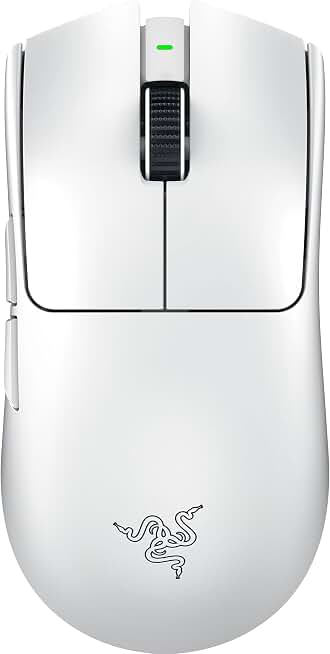
Your mouse and keyboard take a beating during long sessions. Switches fail, mouse feet wear down, and mechanical keyboards accumulate grime. Budget for a replacement mouse every 1–2 years and a new keyboard every 3–4 years. Cheap peripherals often have shorter lifespans, making them a false economy if they break mid-tournament season.
Subscription and tournament fees
Many esports titles are free to play, but the competitive ladder often requires premium passes or tournament entry fees. Some platforms charge monthly subscriptions for ad-free viewing or exclusive skins. Factor in the cost of tournament entry fees if you plan to compete locally or online. These small recurring costs add up quickly.
Essential gear upgrades
Invest in gear that directly impacts your performance and longevity. A high-refresh monitor reduces input lag, and a quality headset helps you hear directional audio cues. Below are some essential upgrades to consider as part of your total cost of ownership.


As an Amazon Associate, we may earn from qualifying purchases.
When a cheap buy stops being cheap
If you buy a budget laptop that can't run the latest esports titles at high settings, you're wasting money. The performance gap between budget and mid-range hardware is significant in competitive gaming. It's better to save up for a machine that can handle the 2026 title updates than to replace a struggling device every year. Calculate the total cost over five years, including upgrades, before making a final decision.
No comments yet. Be the first to share your thoughts!