
Free-to-Play Games Budget
Finding a game that costs nothing upfront doesn’t mean you’re stuck with low-quality assets or aggressive paywalls. The best free-to-play titles on PC and console rely on cosmetic microtransactions rather than blocking core gameplay behind a paywall. This distinction is critical for casual gamers who want to play for hours without feeling pressured to spend.
When evaluating a free game, look for the "pay-for-convenience" model. Games like Apex Legends or Fortnite offer competitive integrity where skill matters more than wallet depth. In contrast, some mobile-style gacha games on PC use energy systems or rate-limited loot boxes that can frustrate casual players. Stick to titles where the primary loop is fun without spending.
Age ratings also play a role in your budget. Most top free-to-play games are rated T for Teen or M for Mature, meaning they are accessible to a wide audience but may contain violence or online interactions. Always check the ESRB or PEGI rating before downloading to ensure the content aligns with your household’s preferences.


As an Amazon Associate, we may earn from qualifying purchases.
While the games themselves are free, your hardware investment matters. A decent mouse and keyboard can significantly improve your experience in fast-paced shooters or strategy games. You don’t need a $500 setup, but avoiding the cheapest peripherals will save you from frustration during intense matches.
Shortlist real options
Finding the best free-to-play games in 2026 means looking beyond the initial hype cycle. While many titles launch with fanfare, only a handful sustain active communities and polished mechanics over time. The current landscape favors games that respect player time, offering substantial content without demanding a credit card for basic progression.
We have filtered out titles with aggressive paywalls or outdated engines. The following selection represents the strongest options for casual gamers who want to jump in, understand the core loop, and enjoy high-quality visuals without spending money. Each entry below balances accessibility with depth, ensuring you get value for your time.
| Game | Genre | Platform | Casual Friendliness |
|---|---|---|---|
| Apex Legends | Battle Royale | PC, Console | High (Auto-aim assists) |
| Dota 2 | MOBA | PC | Low (Steep learning curve) |
| Warframe | Co-op Shooter | PC, Console | High (Flexible pacing) |
| Fall Guys | Party Platformer | PC, Console | Very High (Zero skill floor) |
These titles dominate the free-to-play space because they solve specific player needs. Apex Legends offers fast-paced combat with mechanics that help newcomers land shots, while Warframe provides a deep, grind-free experience where time is the only currency. Fall Guys strips away competitive stress entirely, focusing on chaotic fun that appeals to anyone with a controller.
Community sentiment reinforces these picks. Players consistently highlight the accessibility of party games and the fairness of battle royales that don't lock power behind microtransactions. For those looking for deeper discussion on current meta shifts or loadout tips, the following thread offers real-time player perspectives.
Inspect the expensive parts
Before you commit hours to any free-to-play title, check the underlying economy. The "free" model usually hides its true cost in microtransactions and time sinks. Use this checklist to spot the expensive failure points early.
Look for published drop rates. If a game hides these numbers or uses opaque "gacha" mechanics, you are gambling, not playing. Titles that publish odds (often linked in their store page) are safer bets for casual players who want predictable progression.
Avoid passes that require daily login streaks or force you to play against the clock. A good free-to-play pass should offer substantial rewards for casual weekly play. If the free track is empty, the game is designed to drain your wallet.
Play a few matches or missions without spending. If paid players have a massive advantage in damage, speed, or inventory, the game is pay-to-win. Stick to titles where skill matters more than your credit card.
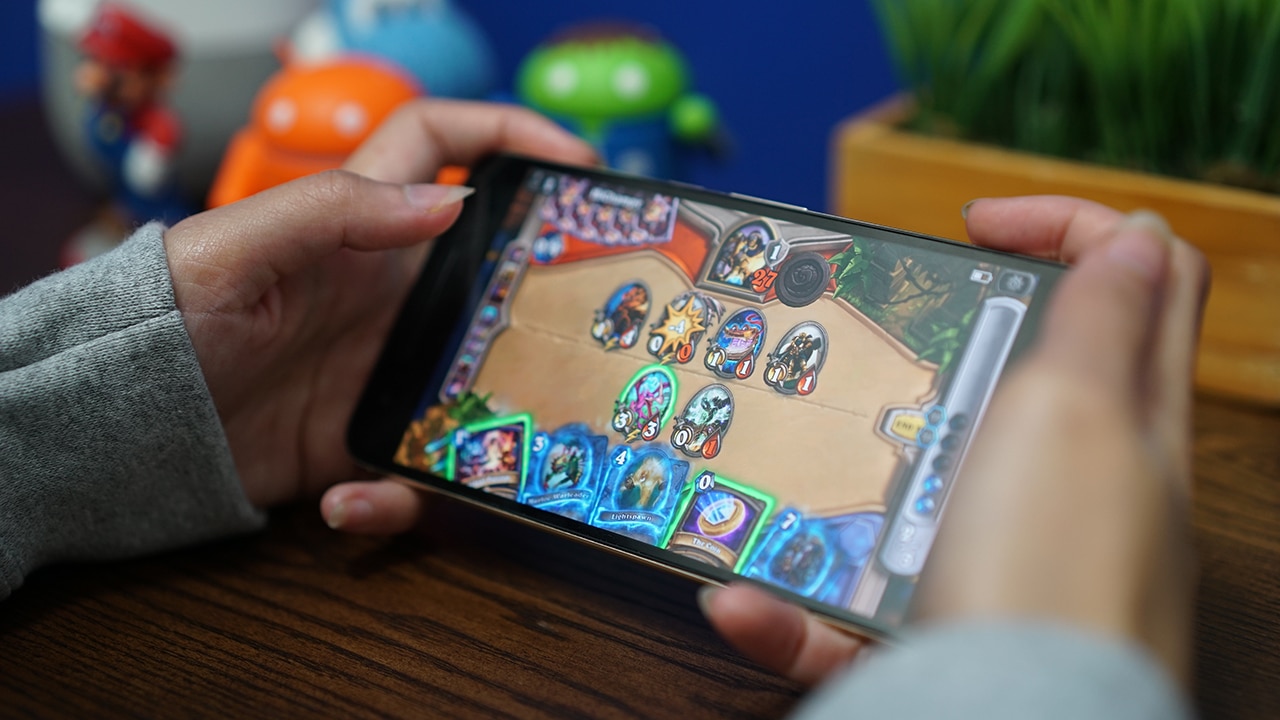
Some free games rely on aggressive video ads. Check if ads are optional or interrupt gameplay loops. A game that forces ads every two minutes will ruin your experience faster than any in-game purchase.
By filtering out these traps, you save time and money. Focus on games that respect your casual schedule and offer fair value for free players.
Ownership Costs and Hidden Fees
The label "free-to-play" only covers the initial download. Once you start playing, the real costs emerge through time investments, device requirements, and optional microtransactions. Understanding these hidden fees helps you decide if a game is truly affordable before you commit hours to it.
Time as Currency
In free-to-play models, time is often the primary cost. Games may offer cosmetic items or convenience boosts that can be earned through grinding or purchased with real money. If you have limited leisure time, spending hours farming resources might feel like a waste rather than a reward. Consider how much gameplay time you can realistically dedicate weekly.
Device and Storage Requirements
Many popular free-to-play titles require significant storage space and modern hardware to run smoothly. A game that looks simple might need 50GB of free space or a dedicated GPU to maintain stable frame rates. Check system requirements before downloading to avoid slow loading times or unexpected performance issues that can ruin the experience.
The Microtransaction Trap
Small purchases add up quickly. Cosmetics, battle passes, and loot boxes are designed to encourage frequent spending. Set a monthly budget and stick to it. Remember that paying for convenience or cosmetics does not guarantee a better experience, and many games remain fully enjoyable without any spending.


As an Amazon Associate, we may earn from qualifying purchases.
Free-to-play games 2026: what to check next
Free-to-play (F2P) games on Base and other platforms in 2026 offer a wide range of casual experiences without upfront costs. However, understanding the business model is essential before diving in. Most F2P titles use a "freemium" structure, where the core game is free, but developers earn revenue through optional microtransactions, battle passes, or cosmetic upgrades. This means you can enjoy high-quality gameplay without spending money, but be aware that some games may encourage purchases for convenience or exclusive items.
When choosing a free-to-play game, consider your hardware and internet connection. Many popular 2026 titles, especially open-world or competitive multiplayer games, require robust system specs and stable bandwidth. Check the minimum requirements on the official store page before downloading. Additionally, look for games with strong community moderation and anti-cheat systems to ensure a fair and enjoyable experience, particularly in competitive environments.
Ultimately, the best free-to-play game for you depends on your preferred genre, play style, and hardware. Take advantage of the free trials and demos many 2026 releases offer to test gameplay before committing your time. Remember to manage your in-game spending wisely, setting a budget if you choose to support developers through optional purchases. With the right expectations, F2P games in 2026 provide endless entertainment without breaking the bank.
No comments yet. Be the first to share your thoughts!