
ai gaming 2026: how we picked the best narrative tools
The shift toward AI-driven storytelling isn't just about smarter NPCs; it's about games that remember your choices and adapt the plot in real-time. In 2026, the line between scripted narrative and reactive systems has blurred. We looked for titles that use these technologies to enhance, rather than replace, human-written craft.
Our selection process focused on three concrete criteria:
- Reactive World States: Does the game world change meaningfully based on player actions, or are the changes cosmetic?
- Procedural Narrative Integration: Are AI tools used to generate dialogue, quests, or environmental storytelling that feels cohesive with the main plot?
- Player Agency: Does the technology give the player more control over the story, or does it feel like the game is playing itself?
We prioritized games that demonstrate these features in polished, playable builds. The following five titles represent the current frontier of dynamic narrative design, chosen for their technical execution and impact on player immersion.
As an Amazon Associate, we may earn from qualifying purchases.
5 Rise of AI-Driven Dynamic Storytelling: Top 5 Games Redefining Narrative in 2026
Generative narrative engines are shifting player agency from scripted choice trees to reactive, context-aware worlds. These five 2026 titles demonstrate how AI-driven storytelling adapts to player behavior in real time, offering distinct tradeoffs between immersion and computational overhead.
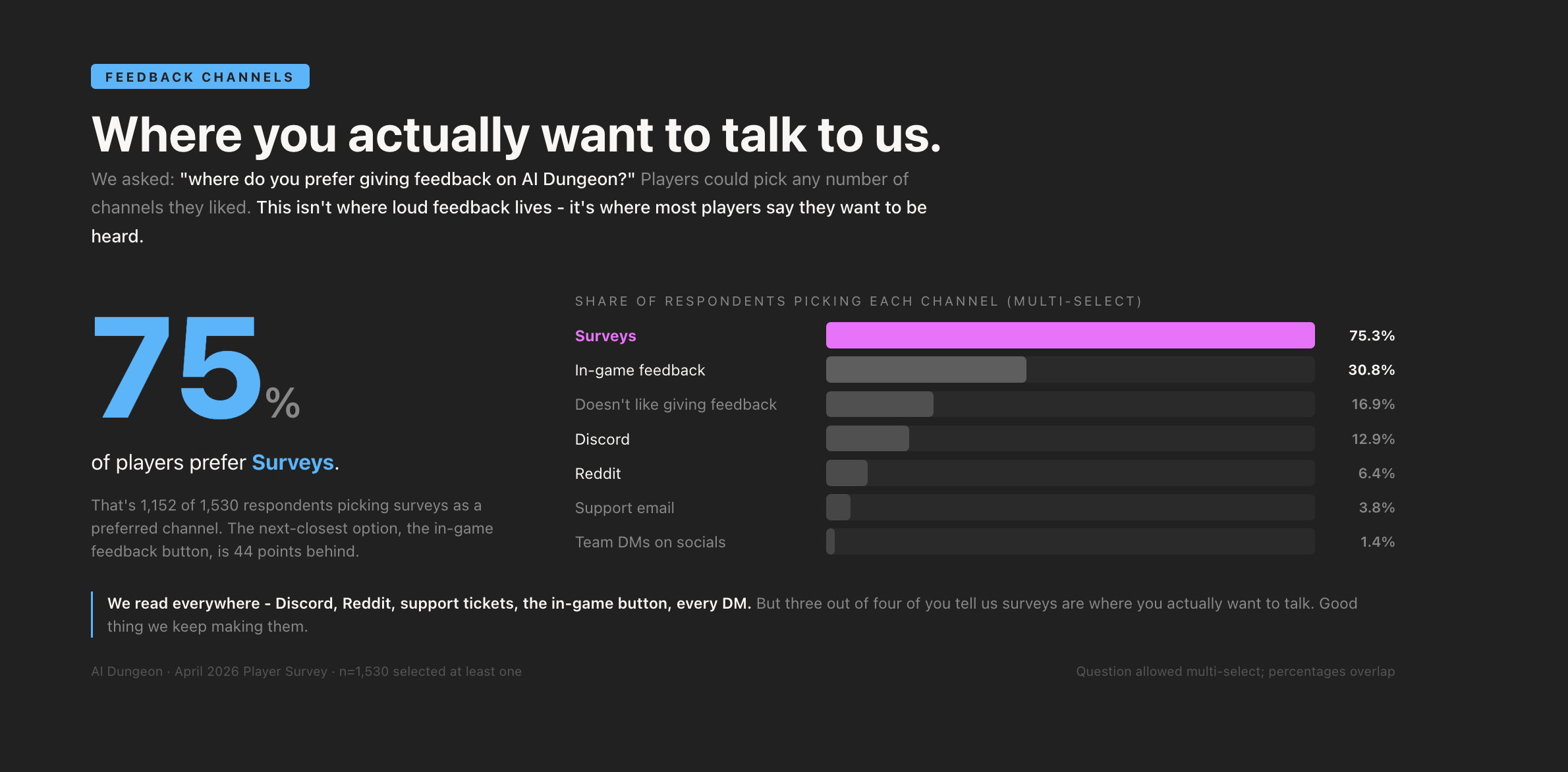
1. AI Dungeon 4: Infinite Procedural Campaigns
AI Dungeon 4 transforms text adventures into boundless, reactive worlds where every choice reshapes the narrative landscape. Unlike static scripts, its engine generates coherent plotlines on the fly, allowing players to explore endless scenarios without predefined endings. This flexibility makes it ideal for solo RPG enthusiasts seeking personalized, emergent storytelling experiences that adapt to their unique playstyle.
2. Inworld AI: NPC Behavior in Starfield
Inworld AI injects genuine personality into Starfield’s vast universe, enabling NPCs to remember past interactions and react dynamically to player actions. This technology moves beyond scripted responses, creating believable companions and adversaries who evolve based on individual player choices. The result is a richer, more immersive role-playing experience where every conversation feels unique and consequential.

3. Nvidia ACE: Real-Time Dialogue in Cyberpunk
Nvidia ACE brings Cyberpunk 2077’s world to life with real-time, voice-driven dialogue that responds naturally to player input. This technology enables NPCs to speak with facial animations and emotional nuance, creating deeply engaging interactions that feel spontaneous. Players can engage in unscripted conversations, enhancing immersion and allowing for more personalized narrative paths within the game’s dystopian setting.

4. Unity Sentis: On-Device Narrative Logic
Unity Sentis empowers developers to run complex AI models directly on devices, enabling offline narrative logic that adapts to player behavior without cloud dependency. This capability ensures consistent storytelling experiences across all platforms, reducing latency and enhancing privacy. Indie developers can now create sophisticated, responsive game worlds that react intelligently to player choices even in disconnected environments.

5. Civitai: Custom Asset Generation for Indie Devs
Civitai provides indie developers with a vast library of AI-generated assets, from character designs to environmental textures, accelerating the creative process. This platform allows creators to generate unique, high-quality visuals tailored to their specific narrative needs, reducing production time and costs. By leveraging community-driven AI models, developers can craft distinctive game worlds without extensive artistic resources.
Pick the right fit
AI-driven narrative tools vary wildly in how much control they give you over the plot. Some engines prioritize branching choices, while others focus on dynamic character reactions. To choose the right game, you need to match the technology to your preferred playstyle.

Do you want to shape a unique hero’s journey or explore a living world? If you crave agency, look for games with deep dialogue trees and persistent memory systems. If you prefer cinematic immersion, prioritize titles with reactive environments and adaptive soundtracks.
Some AI systems generate endless content, which can dilute the story’s emotional core. Check if the game balances procedural generation with hand-crafted set pieces. A good dynamic story should feel curated, not just random.
Look for games where your actions have visible, long-term consequences. The best AI narratives remember your past decisions and let characters reference them weeks later. Avoid titles where choices reset or fade quickly.



As an Amazon Associate, we may earn from qualifying purchases.
A comparison table can help you weigh these factors side-by-side before buying.
The Rise of AI-Driven Dynamic Storytelling: 5 Games Redefining Narrative in 2026
As AI-driven dynamic storytelling moves from experimental tech to a standard feature in 2026, players are asking how these systems actually change their experience. The shift isn't just about smarter non-player characters; it's about narratives that react to your specific playstyle rather than following a rigid script. Below are the most practical answers to common questions about what to expect from these games.
No comments yet. Be the first to share your thoughts!