
Ai esports coaching 2026 limits to account for
By 2026, AI-driven coaching has shifted from a novelty to a standard operational tool for professional esports teams. The primary advantage is real-time analytics that process gameplay data faster than any human coach could. These systems identify micro-mistakes in positioning, resource management, and decision-making during active matches.
Teams use these tools to augment, not replace, their human coaching staff. While AI excels at pattern recognition and statistical analysis, it lacks the emotional intelligence needed for team dynamics and morale. The most effective setups combine AI-generated insights with human-led strategy sessions.
Costs vary significantly based on the platform. Consumer-grade apps like Trophi and Omnic.AI offer subscription models for individual players, while enterprise solutions provide custom integrations for pro organizations. The investment typically pays off through reduced training time and more precise post-match reviews.
Ai esports coaching 2026 choices that change the plan
Choosing an AI coaching solution in 2026 requires balancing immediate accessibility against long-term strategic depth. The market has split into distinct categories: standalone apps for individual players, integrated platforms for professional teams, and hybrid models that attempt to serve both. Each approach carries specific tradeoffs in cost, data privacy, and analytical granularity. Understanding these differences helps teams and solo players avoid paying for features they do not need or missing critical insights due to limited scope.
The primary decision factor is the level of integration. Standalone tools like Trophi or Omnic.AI operate independently, offering quick setup and lower entry costs but limited ability to sync with team-wide communication channels. Professional-grade platforms integrate directly into game servers and team management software, providing real-time telemetry that requires higher investment but delivers actionable, synchronized data. Hybrid solutions attempt to bridge this gap but often compromise on either depth of analysis or ease of use.
Another critical tradeoff involves the type of feedback provided. Some tools focus on post-game replay analysis, allowing players to review mistakes at their own pace. Others offer real-time voice guidance during matches, which can improve immediate decision-making but may distract players if the volume or frequency is poorly calibrated. The best choice depends on whether the goal is rapid skill correction or long-term strategic planning.
Finally, consider the cost structure. Many AI coaches operate on subscription models, while others charge per match or per season. For individual players, monthly subscriptions are common and affordable. For teams, annual contracts with tiered pricing based on the number of players or games analyzed are more typical. Always verify whether the cost includes access to advanced analytics, custom drills, or direct support from human coaches who interpret the AI’s findings.
| Feature | Standalone App | Team Platform | Hybrid Model |
|---|---|---|---|
| Setup Time | Minutes | Days/Weeks | Hours |
| Real-Time Feedback | Limited | Full | Moderate |
| Cost Model | Monthly Subscription | Annual Contract | Tiered Subscription |
| Data Integration | Manual Export | Automatic Sync | Partial Sync |
| Best For | Solo Players | Pro Teams | Amateur Teams |
How to choose the right AI esports coach
Selecting an AI coaching platform requires matching specific game mechanics with data capabilities. Not all tools offer the same depth of real-time analytics or post-match breakdowns. Use this framework to evaluate options based on integration, feedback speed, and cost.
Check if the tool supports your specific title. Platforms like trophi.ai focus on analyzing gameplay data for popular competitive titles, while others like Omnic.AI use computer vision for broader applicability. Ensure the software can ingest replay files or live API data from your game client without causing latency or crashes.

For competitive play, delay matters. Look for tools that provide immediate in-game alerts for positioning errors or resource management mistakes. Post-match analysis is useful for long-term growth, but real-time correction is what separates a training tool from a competitive advantage. Test the feedback loop during a practice match to ensure it does not distract from gameplay.
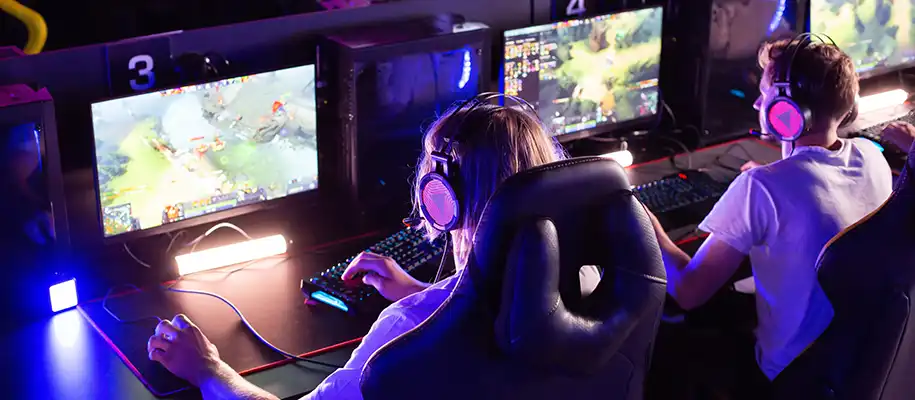
AI coaching costs vary significantly. Some platforms offer free tiers with limited replay analysis, while professional-grade subscriptions charge monthly fees for unlimited data processing. Calculate the cost per hour of coaching time. If you are a solo player, a subscription might be cheaper than a human coach, but ensure the feature set justifies the recurring expense.
Since these tools analyze your gameplay habits, they handle sensitive user data. Review the privacy policy to understand how replay data is stored and used. Reputable platforms anonymize data for model training but should not share individual performance metrics with third-party advertisers. Choose providers with clear data retention policies.
Spotting Weak AI Coaching Options
The 2026 esports market is flooded with AI tools claiming to be "pro-grade." Most rely on surface-level stats rather than deep tactical analysis. Before committing resources, teams must verify these tools against specific performance metrics. Weak options often lack transparency in their data sources or fail to provide actionable insights beyond basic kill/death ratios.
The "Instant Pro" Claim
Many apps promise immediate rank increases through generic advice. These tools typically use pre-recorded templates that do not adapt to your specific playstyle or the current meta. Real improvement requires analyzing your unique decision-making patterns, not just replaying standard strategies. If the tool cannot explain why a move was suboptimal in your specific context, it is likely a weak option.
Hidden Subscription Traps
Some platforms advertise free trials but lock essential analytics behind expensive enterprise tiers. This model frustrates players who need real-time feedback during practice sessions. Always check if the core features—like heatmaps, positioning analysis, and opponent scouting—are included in the base price. Unexpected costs can derail a team’s budget before any tangible benefit is realized.
Lack of Human Context
AI cannot replace the nuanced understanding of team dynamics that human coaches provide. The best AI tools act as assistants, highlighting data points for human review. Tools that claim to fully automate coaching often miss the psychological and strategic subtleties that decide close matches. Look for platforms that integrate smoothly into a human-led coaching workflow rather than trying to replace it entirely.
FAQ: AI esports coaching in 2026
Is AI going to replace coaches?
No. AI handles data analysis and pattern recognition, while human coaches manage team dynamics and strategy. Most pro teams use both: AI provides real-time stats, and humans interpret the context.
What is the best AI for gaming coaching?
Mobalytics leads for multi-title players ($0 base), while Trophi.ai offers detailed post-session reviews. Rala provides real-time voice guidance for specific titles.
How much does an AI coach cost?
Most AI coaching tools offer free tiers with basic stats. Premium features like real-time voice coaching or advanced analytics typically cost $10-$20/month.
How much do esports coaches get paid?
Entry-level esports coaches earn $30,000-$50,000/year. Pro league coaches can make $100,000-$500,000+, with top-tier teams paying even more.
No comments yet. Be the first to share your thoughts!