
Ai gaming accessories 2026 budget
Finding affordable AI-driven peripherals in 2026 requires balancing software maturity against hardware cost. While high-end models offer full neural network processing, budget options rely on simpler on-device algorithms or cloud-assisted inference. This tradeoff means you get responsive features like adaptive polling or noise cancellation without the premium price tag, though you may sacrifice some advanced customization.
For keyboards, look for models with dedicated AI cores that handle macro execution locally. This keeps input latency low even when you are running heavy background tasks. Wireless mice in this range often feature AI-driven sensor calibration that adjusts DPI based on surface type, ensuring precision without manual tweaking. These features are now standard in entry-level models from major brands.
Headsets with AI noise cancellation are particularly valuable for budget-conscious gamers. They filter out background chatter and mechanical keyboard clatter, improving voice clarity during team calls. The difference between a basic filter and an AI model is noticeable in noisy environments, making this a high-impact upgrade for under $100.


As an Amazon Associate, we may earn from qualifying purchases.
When evaluating these accessories, check for firmware update support. AI features improve over time as developers push new algorithms. A budget device with regular updates will outperform a more expensive, static model after a year. Prioritize brands with a track record of software support to ensure your investment remains relevant.
Shortlist real options
Finding AI-driven gaming accessories in 2026 means looking for hardware that actually learns from your habits rather than just flashing RGB lights. The market has shifted from gimmicky gimmicks to practical tools that reduce input lag, personalize audio, and automate lighting based on your playstyle.
Below, we compare four standout accessories that use AI or machine learning to enhance your setup. These picks focus on tangible benefits like adaptive polling rates, spatial audio calibration, and context-aware lighting.
| Product | AI Feature | Best For | Price Range |
|---|---|---|---|
| Logitech G Pro X Superlight 2 | LIGHTSPEED AI Polling Rate Adaptation | Competitive FPS | $150+ |
| ASUS ROG Strix Go 2.4 | AI Noise-Canceling Mic | Team Communication | $100-$150 |
| Razer BlackWidow V4 Pro | Razer Synapse AI Lighting Profiles | Immersion | $150-$200 |
| SteelSeries Arctis Nova Pro Wireless | Sonar AI Audio Engine | Audio Precision | $350+ |
The Logitech G Pro X Superlight 2 uses AI to adjust its polling rate dynamically. Instead of sending data to your PC at a fixed interval, it analyzes your mouse movements in real-time. If you are aiming down sights, it increases responsiveness. If you are moving across a map, it conserves battery. This adaptive approach means you get precision when you need it and longevity when you do not.
For audio, the SteelSeries Arctis Nova Pro Wireless features the Sonar AI Audio Engine. This software uses machine learning to isolate game sounds from background noise. It identifies footsteps, reloads, and ability cues even in chaotic team fights. The AI also calibrates your headset’s equalizer based on your ear shape, ensuring you hear directional audio accurately without manual tweaking.
Communication clarity is handled by the ASUS ROG Strix Go 2.4. Its AI noise-canceling microphone filters out mechanical keyboard clicks, fan noise, and even your own voice echoes. This is critical for competitive play where clear callouts can mean the difference between winning and losing. The AI adapts to your environment, so it works equally well in a quiet bedroom or a noisy living room.
Finally, the Razer BlackWidow V4 Pro uses AI to manage its Chroma RGB lighting. Rather than static colors, the keyboard analyzes game events and adjusts lighting patterns accordingly. If you take damage, the keys might flash red. If you are healing, they shift to green. This creates a more immersive experience without requiring you to manually change profiles.
When choosing an AI accessory, consider what aspect of your game you want to improve. Do you need better audio separation? A more responsive mouse? Or just a cooler setup? Each of these options excels in a specific area, so pick the one that solves your biggest bottleneck.
Inspect the expensive parts
AI-driven gaming accessories pack complex sensors, wireless modules, and high-refresh displays into compact chassis. When these components fail, they are rarely cheap to replace. A systematic inspection of the most vulnerable failure points can save you hundreds in repairs or premature replacements.
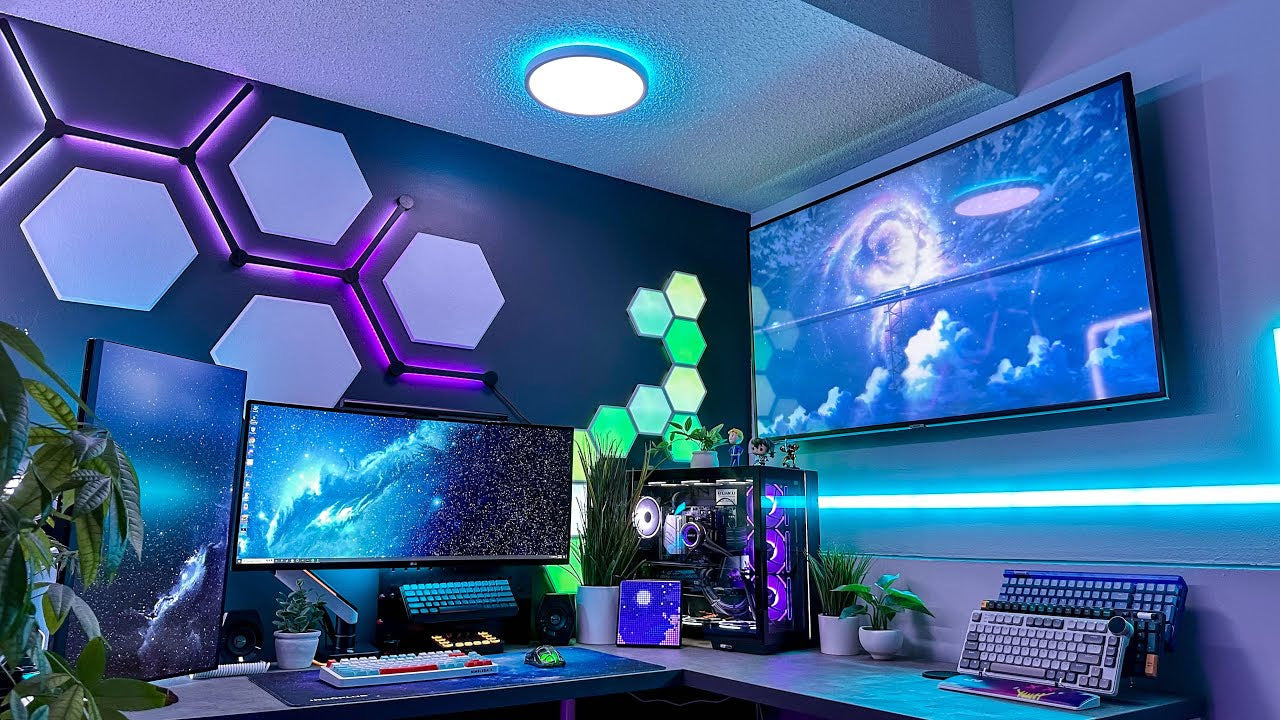
Monitors and adjustable stands take the most physical stress. For AI tracking bars or dual-monitor arms, check for wobble or grinding noises. A loose hinge can misalign eye-tracking sensors, breaking the AI calibration you paid for. Tighten screws before they strip.
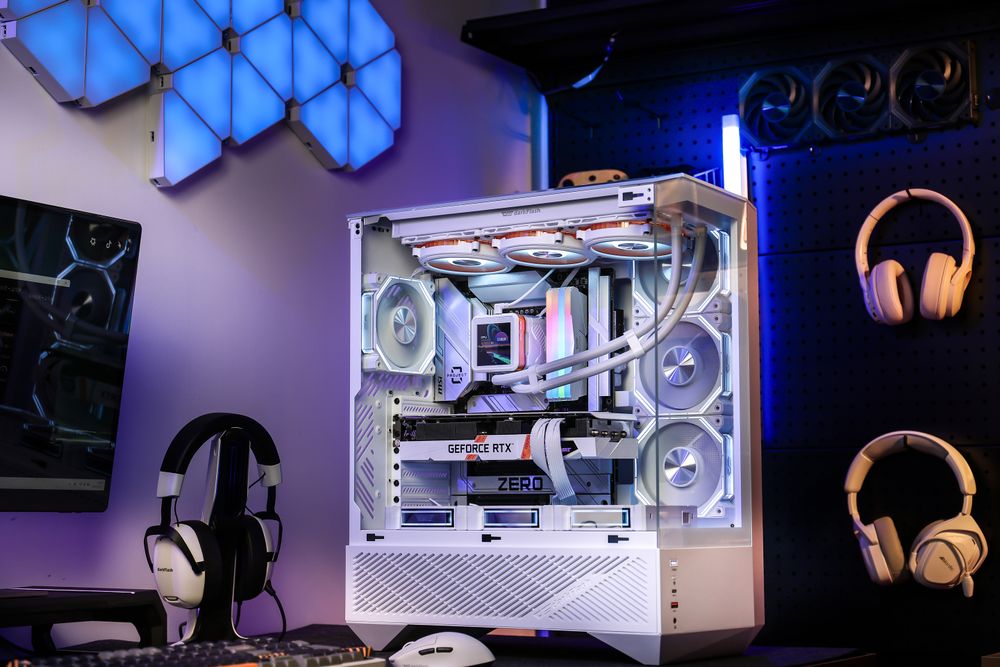
High-power accessories like AI headsets or RGB hubs often use USB-C for data and power. Look for frayed cables or bent pins inside the port. Intermittent connections here cause the AI software to drop tracking or reset, leading to inconsistent performance during gameplay.
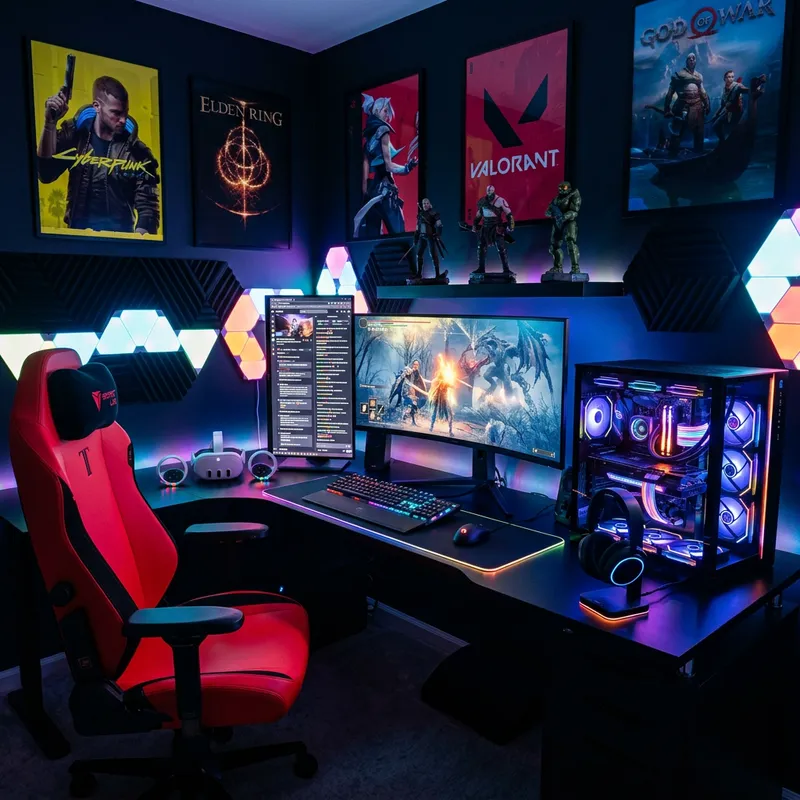
AI features rely on optical sensors for precision. Dust or oil on the lens of a mouse or camera bar degrades tracking accuracy. Clean these surfaces weekly with a microfiber cloth. Dirty sensors force the AI to guess your movements, increasing input lag.
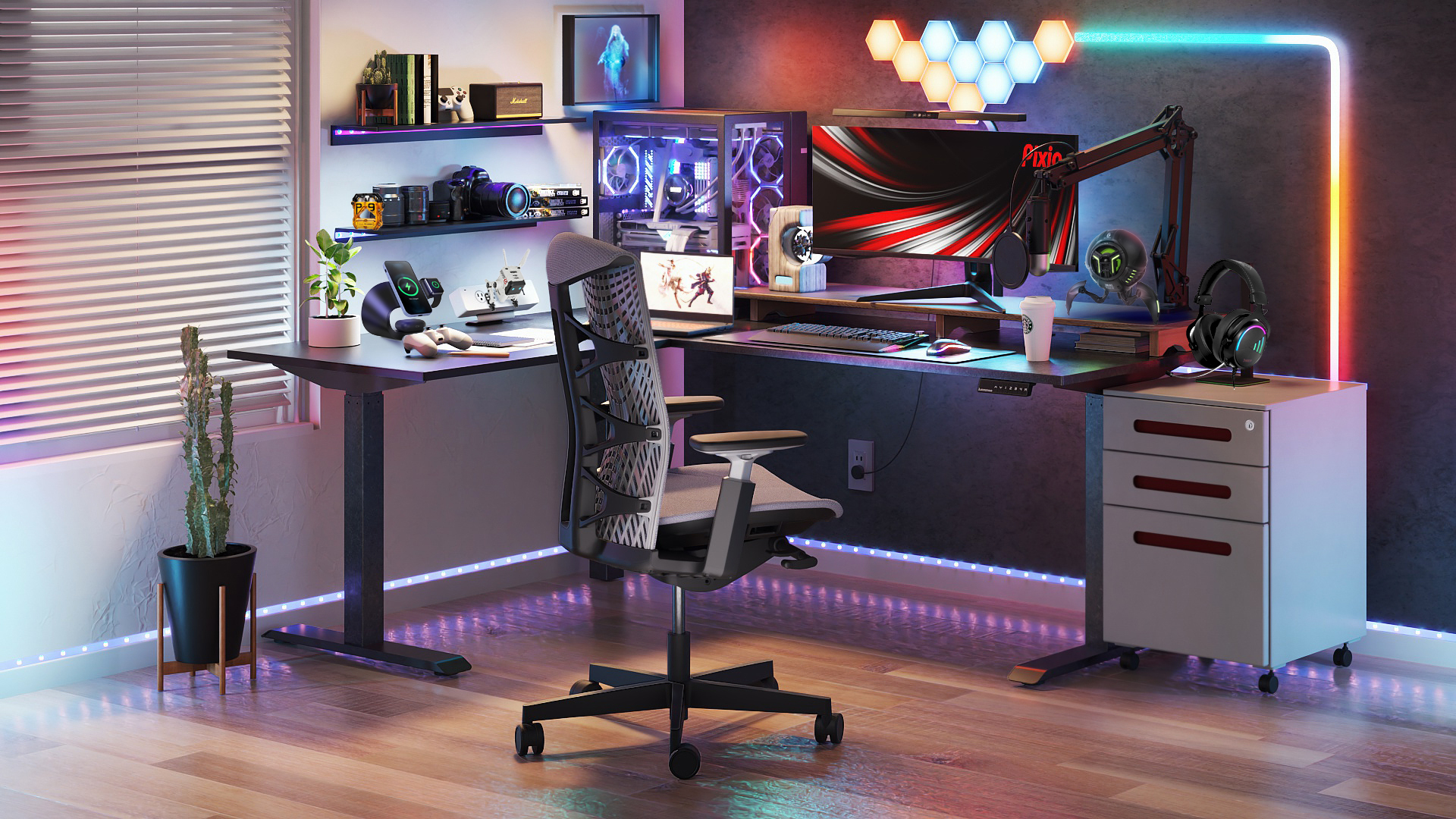
AI-driven peripherals often use low-latency wireless protocols. Metal desks or USB 3.0 ports can interfere with the signal. Use a short extension cable to keep the dongle close to the device. Poor signal forces the AI to compensate for packet loss, causing stutter.


As an Amazon Associate, we may earn from qualifying purchases.
Plan for ownership costs
The sticker price is just the entry fee. When you buy AI-driven gaming accessories, the real cost comes from the ongoing expenses required to keep them performing at their best. Cheap hardware often hides its true price in replacement parts, subscription fees, and premature failure.
The hidden cost of smart features
AI-driven gear relies on software to function. Many high-end headsets and mice now require a companion app to access features like noise cancellation, RGB synchronization, or performance tuning. While the basic driver is often free, advanced AI processing or cloud-based voice chat enhancements may come with a monthly subscription. If you stop paying, the device might revert to a basic mode, or worse, stop working entirely if it relies on server-side authentication.
Maintenance and replacement parts
Gaming peripherals take a beating. Keycaps wear down, mouse feet scratch, and ear pads crack. With cheaper or highly specialized AI devices, finding replacement parts can be difficult or expensive. For example, a custom mechanical keyboard with proprietary switches might cost more to repair than to replace. Always check the availability and cost of consumables like mouse switches, keycap sets, or ear cushions before buying.
Warranty and longevity
Invest in products with clear warranty terms. A $100 mouse with a two-year warranty is often a better buy than a $60 mouse with no coverage. AI components, such as sensors and microphones, are prone to failure over time. A solid warranty protects you if the AI features degrade or stop responding. Check if the manufacturer offers extended support or replacement programs for their smart devices.


As an Amazon Associate, we may earn from qualifying purchases.
When cheap stops being cheap
A low-priced device often lacks the build quality to withstand daily use. You might save money upfront, but if you need to replace the device every six months, you are paying more in the long run. Look for devices with metal frames, high-quality switches, and reputable brands that stand behind their products. The initial investment pays off in durability and consistent performance.
Ai gaming accessories 2026: what to check next
The rise of AI-driven peripherals in 2026 has blurred the line between standard hardware and smart devices. Before upgrading your setup, it helps to understand what these features actually do for your gameplay and how they differ from traditional gear.
No comments yet. Be the first to share your thoughts!