Free-to-play games budget
The "free" label on most 2026 titles refers only to the initial download. The real budget tradeoff happens in the microtransaction store, where cosmetic skins, battle passes, and time-saving boosters create a hidden price tag. If you are tracking your spending, treat these games like a subscription with optional add-ons rather than a one-time purchase.
Some free-to-play games, particularly mobile titles like Roblox or Free Fire, are designed for high-frequency, low-cost interactions. Others, like Counter-Strike 2 or Fortnite, rely on large-scale seasonal events that pressure players to buy limited-edition items. Understanding the monetization model helps you set a monthly cap that doesn't eat into your hardware or internet budget.
To keep costs predictable, stick to games that offer high-quality gameplay without mandatory purchases. League of Legends and Valorant remain strong examples of competitive integrity where skill, not wallet size, determines leaderboard placement. Avoid titles that gate core progression behind paywalls, as these will inevitably drain your budget faster than any subscription service.


As an Amazon Associate, we may earn from qualifying purchases.
Shortlist real options
The 2026 free-to-play landscape is crowded, but only a handful of titles consistently dominate leaderboards and maintain active player bases. Choosing the right game depends on whether you prioritize competitive ranking, casual accessibility, or deep progression systems. The following comparison highlights the strongest contenders across different genres, helping you identify which title fits your playstyle without committing to a long-term grind.
| Game | Genre | Platform | Key Strength |
|---|---|---|---|
| Fortnite | Battle Royale | All | Massive cross-platform ecosystem |
| Counter-Strike 2 | Tactical Shooter | PC | High skill ceiling and competitive integrity |
| Warframe | Looter Shooter | PC/Console | Deep progression and cooperative gameplay |
| Roblox | Platform/UGC | Mobile/PC | Unlimited user-generated content variety |
Fortnite
Fortnite remains the undisputed king of cross-platform engagement, sustaining 14.3 million peak players across all devices. Its strength lies not just in the battle royale mode, but in its ability to pivot quickly between licensed events, creative maps, and seasonal narrative updates. For players seeking a social hub that doubles as a competitive arena, Fortnite offers the most consistent traffic and matchmaking speed.
Counter-Strike 2
For PC gamers who value pure mechanical skill, Counter-Strike 2 dominates with over 935,000 concurrent players on Steam. The game’s tactical depth and unyielding competitive integrity make it the go-to choice for players who prefer structured rounds over chaotic free-for-alls. While the learning curve is steep, the reward for mastery is unmatched in the free-to-play shooter space.
Warframe
Warframe offers a unique alternative for those who prefer cooperative PvE over PvP. As a "looter shooter" with deep RPG elements, it provides hundreds of hours of content for free. The game’s strength is its respect for the player's time; grind is optional, and progression is generous. It is ideal for players who want to play at their own pace with friends without the pressure of ranked ladders.
Roblox
Roblox stands apart as a platform rather than a single game, boasting 129.7 million monthly active users on mobile alone. Its strength is variety: from obstacle courses to simulation tycoons, the content is generated by users, ensuring there is always something new. It is the best choice for casual players or younger audiences looking for endless variety without the commitment to mastering a single game mechanic.
Inspect the expensive parts
Free-to-play games often hide their true cost in unexpected places. Before you commit hours to a new title, check these failure points to avoid wasting time or money on games that don’t match your playstyle.
Look for pay-to-win mechanics. Games that sell power advantages are expensive in terms of skill progression and frustration. Stick to cosmetic-only models for fair competition.
Many titles use battle passes to lock content. Check if the free tier offers enough rewards to keep you engaged without spending. A good free pass should provide meaningful upgrades or cosmetics.
Poor matchmaking ruins free-to-play experiences. Look for reviews mentioning long queue times or unbalanced matches. Games with robust player bases, like Fortnite or Counter-Strike 2, typically offer better stability.
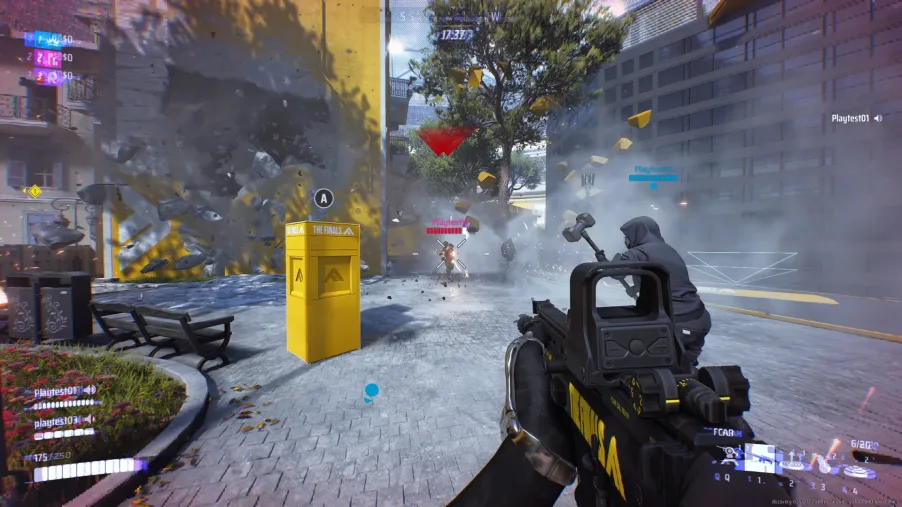
Stale games lose value quickly. Check the developer’s track record for updates. Titles with regular seasonal events and new content keep the experience fresh and justify your time investment.
Plan for Ownership Costs
Free-to-play is a misnomer if you only look at the download button. The real cost of ownership in 2026 comes from the gap between what is free to start and what is required to stay competitive. When a cheap buy stops being cheap, it is usually because the game shifts from rewarding skill to rewarding time or wallet depth.
The Subscription Trap
Many modern titles bundle the "free" client with optional subscription tiers that unlock quality-of-life features. While these subscriptions rarely lock you out of the core game, they often remove friction that serious players find tedious. A $15 monthly fee adds up to $180 a year, which is significant if you are playing several titles simultaneously. Check if the base game offers these features natively, even if it takes longer to earn them.
Time as Currency
If you cannot pay, you must pay with time. Games like Fortnite and Counter-Strike 2 are free to master, but catching up to the current meta can require dozens of hours of grinding. If you have limited gaming time, the opportunity cost is high. You might spend weekends earning battle pass progress just to unlock skins that cost $20 on the marketplace. Decide if your time is better spent grinding or paying a small one-time fee for convenience.
Hardware and Peripherals
The most overlooked ownership cost is the hardware required to run these games at a competitive level. High-fidelity free-to-play titles often demand dedicated GPUs and high-refresh-rate monitors. If your current PC struggles to hit 60 FPS, you may need to upgrade. For mobile gamers, the cost shifts to device longevity and data plans. Playing graphically intensive titles on older phones drains batteries faster and may require frequent cloud saves, which can incur storage fees.


As an Amazon Associate, we may earn from qualifying purchases.
Hidden Microtransactions
Some games use "pay-to-win" mechanics that subtly degrade the free experience. Look for items that provide statistical advantages, such as faster reload times or better accuracy. These items are often sold in limited-time bundles to create urgency. If a game consistently pushes these advantages, the free experience becomes a tutorial for the paid one. Avoid titles where the core loop is designed to frustrate you into buying power.
Community and Support
The health of the community affects your ownership experience. Dead servers or poor customer support can turn a free game into a waste of time. Check the game’s active player count and recent patch notes. A game with frequent updates and a large player base is more likely to remain free and viable. Conversely, a game with declining support may introduce aggressive monetization to survive, increasing your costs.
Free to play games 2026: what to check next
Choosing the right free-to-play title can feel overwhelming when leaderboards shift weekly. Here are the practical answers to the most common questions about the current market.
No comments yet. Be the first to share your thoughts!