
Why gaming on base matters in 2026
The landscape of home gaming has shifted. What was once a luxury reserved for high-end PC towers is now accessible through compact, purpose-built systems. In 2026, "gaming on base" refers to setting up a dedicated, high-performance station that prioritizes reliability and visual fidelity without requiring a sprawling desk setup. This approach appeals to players who want plug-and-play performance but refuse to compromise on frame rates or load times.
The market in 2026 is defined by consolidation. Hardware manufacturers have moved away from fragmented, single-purpose consoles toward hybrid systems that handle 4K gaming, streaming, and local storage seamlessly. This shift means your "base" is no longer just a game box; it is the central hub for your entertainment. Choosing the right components now future-proofs your setup against upcoming title demands, particularly those requiring higher ray-tracing capabilities and faster SSD speeds.
Value has become the primary driver for upgrades. With the cost of individual components stabilizing, building or buying a complete base system offers better long-term ROI than chasing incremental yearly releases. The focus is on sustained performance—systems that can handle multi-year software lifecycles without feeling obsolete. This section outlines the concrete products that define this new standard, balancing raw power with practical design.


As an Amazon Associate, we may earn from qualifying purchases.
Top motherboards for gaming builds
Your motherboard is the spine of your gaming PC. It connects every component, from the CPU to the GPU, and determines how much you can upgrade later. Choosing the right board means balancing chipset features, power delivery, and connectivity options that match your specific build goals. We’ve selected concrete models that offer the best foundation for a high-performance gaming setup in 2026.
When comparing options, look beyond just the brand name. The chipset dictates the number of USB ports, M.2 slots, and PCIe lanes available. High-end boards often include better VRMs (Voltage Regulator Modules) to keep your CPU cool under heavy loads, while mid-range boards focus on essential gaming features without the extra cost. The table below breaks down the key specs for our top picks to help you decide which one fits your needs.
| Model | Chipset | Form Factor | Key Connectivity | Wireless |
|---|---|---|---|---|
| ASUS ROG Strix Z790-E | Intel Z790 | ATX | USB4, 10GbE | Wi-Fi 7 |
| MSI MEG Z790 ACE | Intel Z790 | ATX | Thunderbolt 4 | Wi-Fi 7 |
| Gigabyte X870E AORUS Master | AMD X870E | ATX | USB4 | Wi-Fi 7 |
| ASRock B650E Taichi | AMD B650E | ATX | USB4 | Wi-Fi 6E |
| ASUS TUF Gaming B760-Plus | Intel B760 | ATX | USB 3.2 | Wi-Fi 6 |
For those looking to assemble their rig, here are some of the most popular motherboard options available right now. These models represent the current standard for gaming performance and reliability.


As an Amazon Associate, we may earn from qualifying purchases.
Best consoles for dedicated gaming
Choosing the right console is about matching your hardware to your playstyle. The three main options—PlayStation, Xbox, and Nintendo Switch—serve different audiences. PlayStation focuses on high-fidelity single-player narratives. Xbox emphasizes a fast, interconnected ecosystem with Game Pass. Nintendo Switch prioritizes portability and unique local multiplayer experiences.
Each system has a distinct strength. Sony’s latest hardware delivers the best graphical fidelity for immersive story-driven games. Microsoft offers the fastest load times and a massive library through subscription services. Nintendo’s hybrid design allows you to switch between a living room TV and handheld play seamlessly.
We’ve selected the current top models for each platform. These picks represent the best value and performance for dedicated gaming setups in 2026.


![FINTIE Carrying Case for Nintendo Switch OLED Model 2021/Switch 2017, [Shockproof] Hard Shell Protective Cover Travel Bag with 10 Game Card Slots & Inner Pocket](https://m.media-amazon.com/images/I/71apyk3WUvL._AC_UY654_QL65_.jpg)
As an Amazon Associate, we may earn from qualifying purchases.
Essential accessories for your setup
A gaming PC is only as good as the peripherals you plug into it. The right monitor, chair, and headset turn raw processing power into a competitive edge. Cheap input devices create lag and fatigue, no matter how fast your GPU is. We recommend investing in gear that lasts, not just gadgets that look good on a desk.
Monitors, chairs, and headsets
The monitor is your window into the game. Look for high refresh rates and low response times to keep motion smooth. A 144Hz or 240Hz panel makes a noticeable difference in fast-paced shooters. Pair this with a ergonomic chair that supports long sessions without straining your back. Finally, a good headset with clear audio cues helps you hear footsteps and directionality, giving you information your eyes might miss.
Popular picks for your rig
Finding the right balance of performance and price can be tricky. Here are some reliable options available on Amazon to complete your gaming base setup.



As an Amazon Associate, we may earn from qualifying purchases.
How to choose the right gaming base
Selecting the right gaming base depends on matching hardware capabilities to your preferred playstyle. A setup designed for fast-paced shooters requires different components than one built for slow, methodical strategy games. Consider your primary genre first, then align your budget and performance targets.
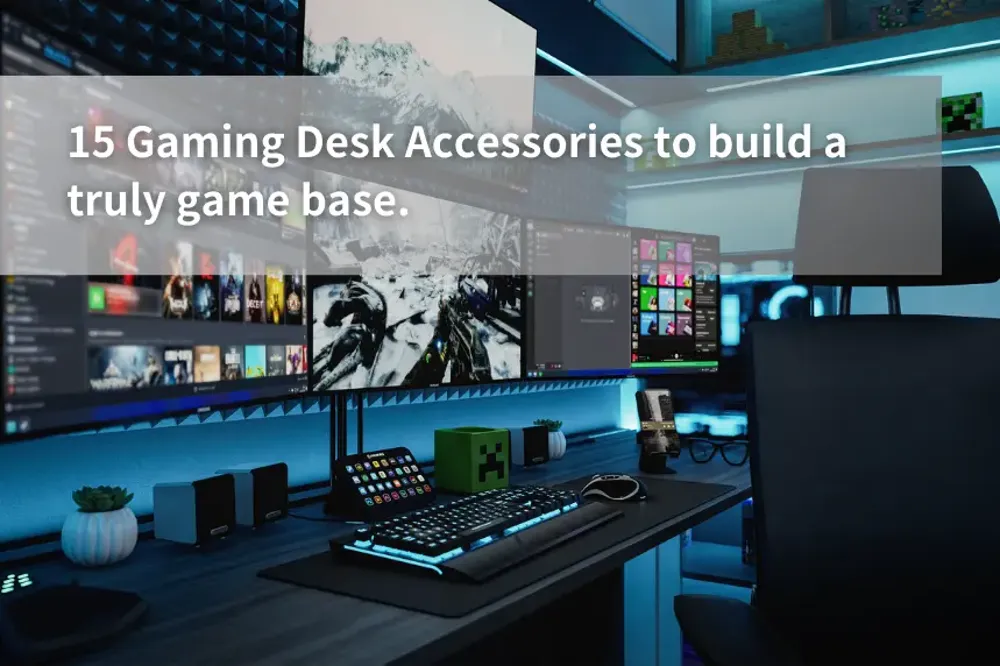
Start by identifying the games you play most often. First-person shooters and battle royales demand high frame rates and low latency, requiring a powerful GPU and a fast refresh-rate monitor. Conversely, strategy and simulation titles prioritize CPU performance and large amounts of RAM for complex calculations. Knowing your main genre prevents you from overspending on features you won't use.
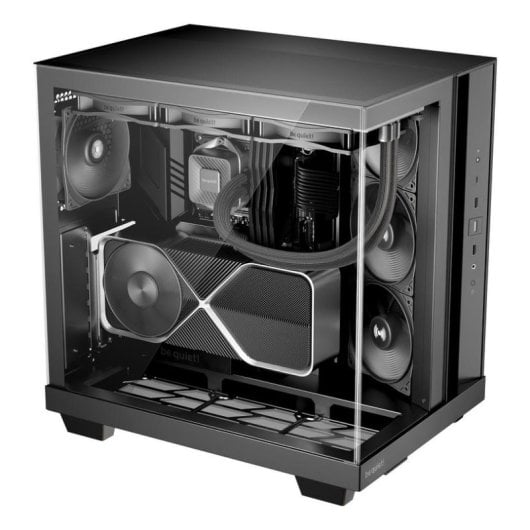
Determine how much you can spend before looking at specific products. A balanced build allocates funds across the CPU, GPU, and peripherals rather than concentrating everything in one area. For entry-level gaming, focus on a mid-range GPU and a reliable processor. High-end builds allow for premium monitors and specialized cooling, but the core performance gains diminish after a certain price point.
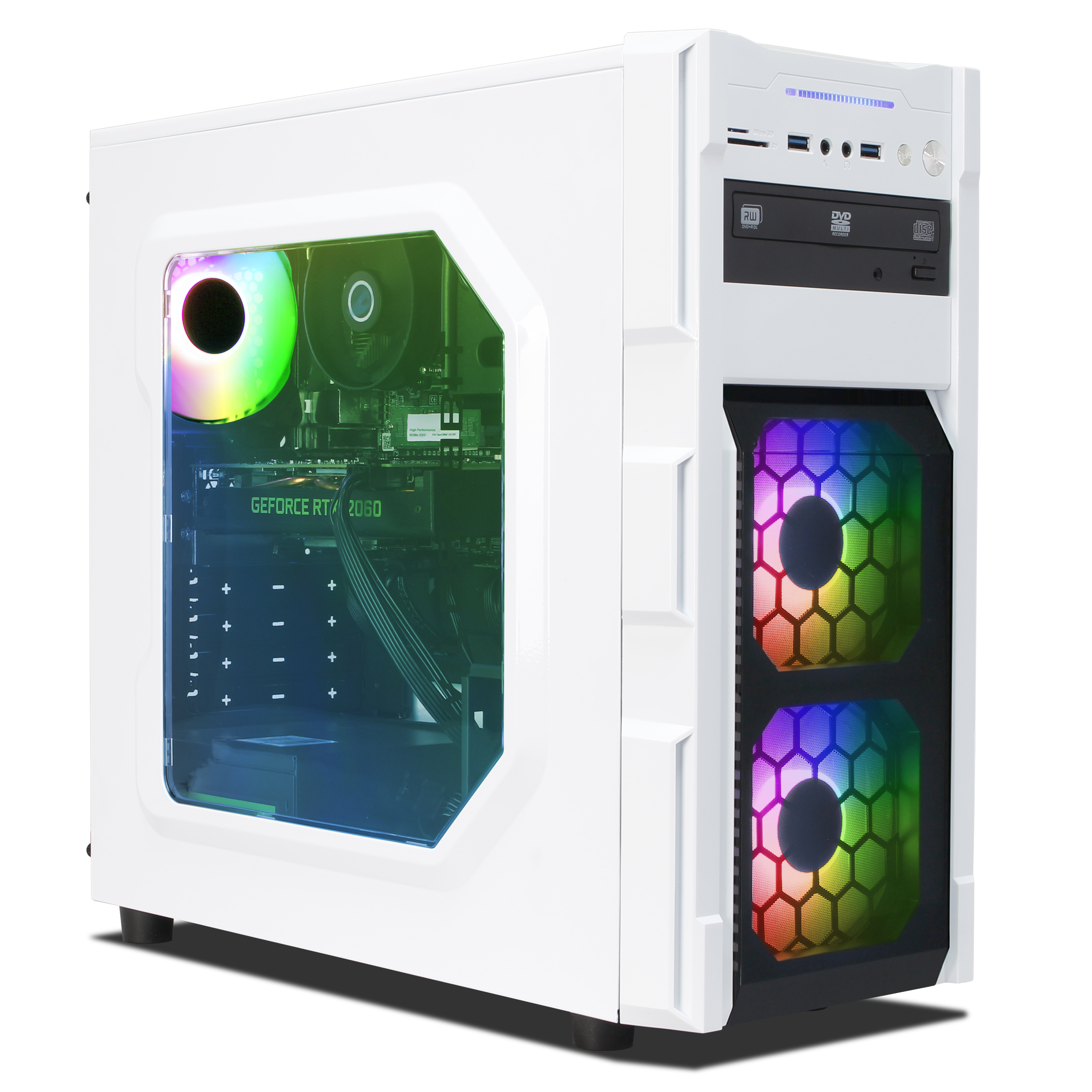
Check the recommended system requirements for your top three games. Look specifically at GPU and CPU recommendations, as these dictate the hardware you need. If you plan to stream or record gameplay, add 10-20% more headroom to your CPU and memory choices. This buffer ensures your system remains responsive during intensive sessions.



As an Amazon Associate, we may earn from qualifying purchases.
Once you have your genre, budget, and performance targets, use the checklist below to finalize your selection. Ensure every component works together without bottlenecks. A fast GPU is wasted if the CPU cannot keep up, and vice versa. Balance is the key to a stable gaming base.
-
Verify GPU matches game requirements
-
Check CPU bottleneck potential
-
Confirm monitor refresh rate compatibility
-
Ensure case fits all hardware components
Common questions about gaming on base
Is gaming on Base free? Most games on the platform operate on a free-to-play model. You can download and start playing immediately without an upfront cost. However, many titles offer in-app purchases for cosmetic items or convenience upgrades. These microtransactions are optional and do not typically block core gameplay.
Do I need special hardware to play? No specialized gear is required. Gaming on Base is accessible through standard web browsers on desktop computers and mobile devices. The platform optimizes performance for average consumer hardware, meaning you do not need a high-end gaming PC or console to enjoy the full library.
How does the upgrade system work? In-game progression is primarily driven by skill and time investment rather than spending. Players earn currency through daily challenges and matches to unlock new characters or maps. While some games offer "pay-to-skip" options, the competitive balance remains fair for free users.
Can I play with friends on different devices? Yes. The platform supports cross-platform play, allowing you to invite friends regardless of whether they are on iOS, Android, or desktop. You can join the same lobby and compete together seamlessly, ensuring your social circle can game together without device restrictions.**
No comments yet. Be the first to share your thoughts!