
The best gaming monitors of 2026
The OLED and Mini-LED wars have finally settled into a clear hierarchy for 2026. We tested dozens of panels to find the displays that deliver the best mix of response time, color accuracy, and brightness. Whether you are playing fast-paced shooters or immersive RPGs, the right screen makes a tangible difference in how you see the game.
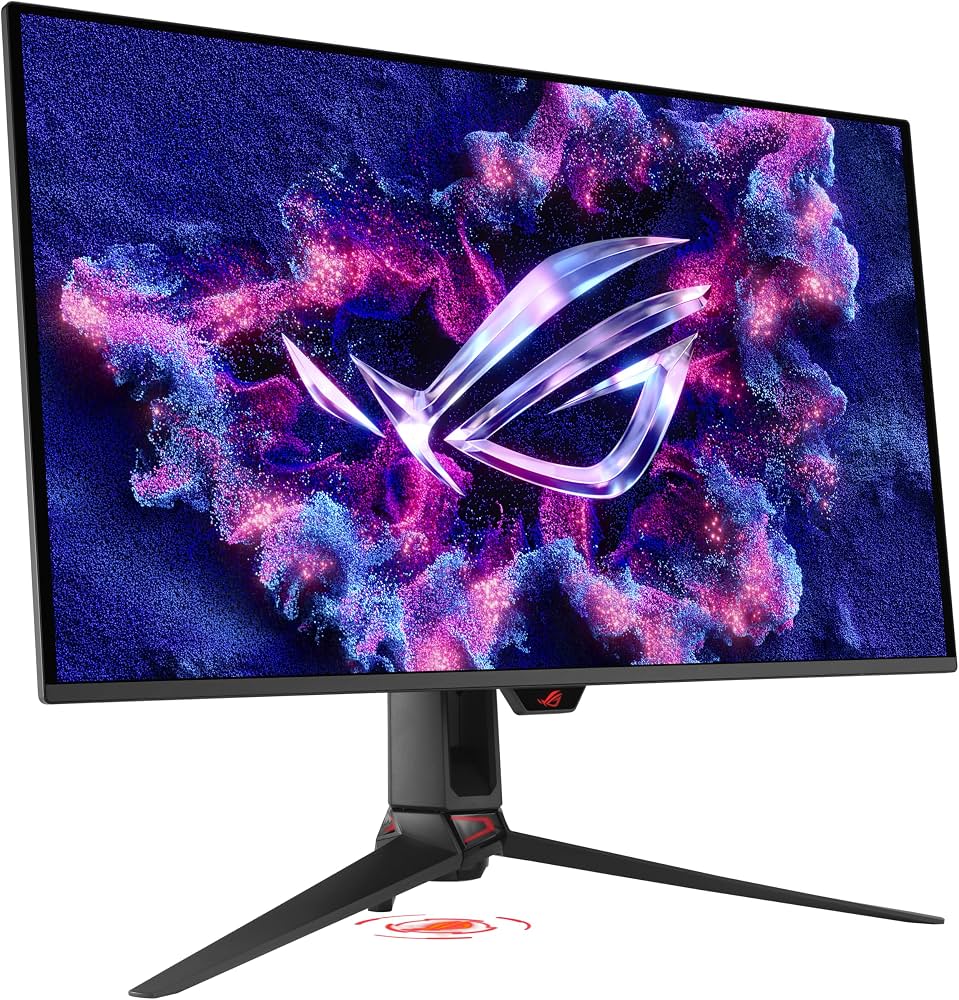
The ASUS ROG Swift OLED PG32UCDM Gen3 leads our overall rankings. It combines a 32-inch QD-OLED panel with 240Hz refresh rates, offering the speed competitive players need without sacrificing the deep blacks OLED is known for. For those who prefer ultrawide formats, the MSI MPG 322UR X24 provides a stunning 21:9 experience with near-instant pixel response times.
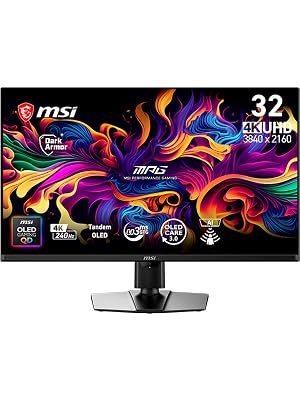
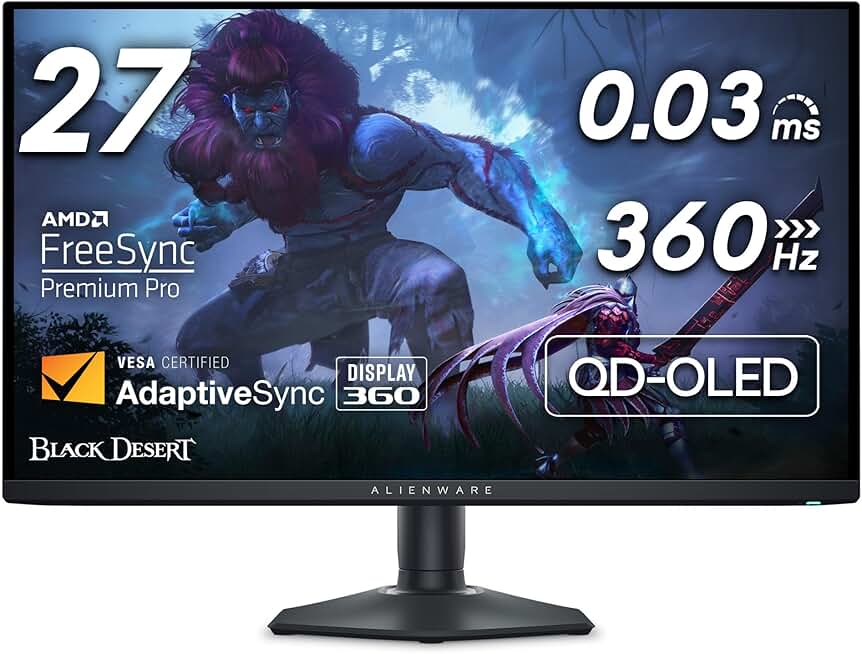
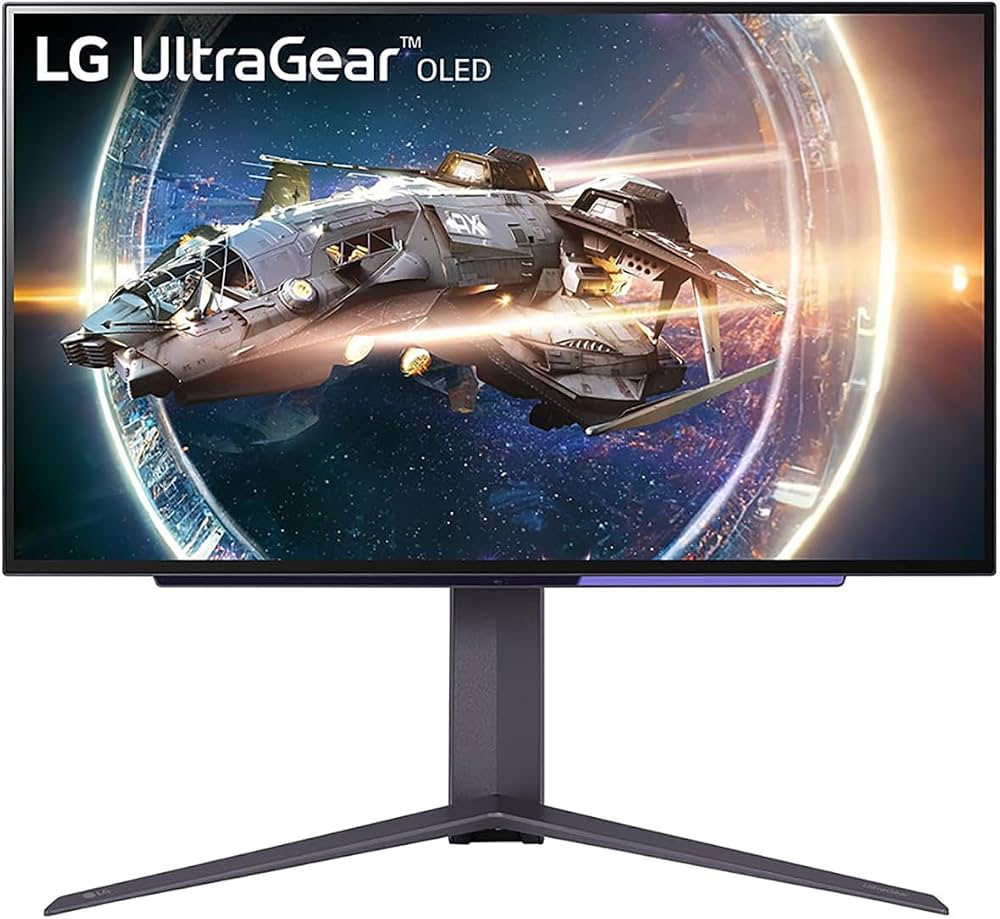
Budget options have also improved significantly. The MSI MAG 321UPX QD-OLED offers 4K resolution and 240Hz performance for a price that undercuts most competitors. If you are looking for a reliable 1440p workhorse, the Alienware AW2725DF remains a strong choice for its balanced feature set and consistent image quality.

As an Amazon Associate, we may earn from qualifying purchases.
For detailed benchmark data on contrast ratios and input lag, we rely on testing from RTINGS. Their standardized metrics help us compare panels objectively across different price points. PC Gamer’s editorial picks also provide valuable context for long-term reliability and user experience.
Quick comparison of the best gaming monitors in 2026
Choosing between OLED and Mini-LED can feel overwhelming when you look at the specs on paper. This table breaks down the core differences between the top contenders, focusing on resolution, refresh rate, panel technology, and price to help you decide what fits your setup.
| Monitor | Resolution | Refresh Rate | Panel Type | Est. Price |
|---|---|---|---|---|
| ASUS ROG Swift OLED PG32UCDM Gen3 | 4K (3840x2160) | 240Hz | QD-OLED | $999 |
| MSI MAG 321UPX QD-OLED | 4K (3840x2160) | 240Hz | QD-OLED | $715 |
| Samsung Odyssey OLED G9 | 5K2K (5120x1440) | 240Hz | QD-OLED | $1,299 |
| LG 27GR95QE-B | 4K (3840x2160) | 240Hz | QD-OLED | $799 |
| ASUS ROG Swift OLED PG27AQDM | 1440p (2560x1440) | 240Hz | OLED | $699 |
The ASUS ROG Swift OLED PG32UCDM Gen3 currently holds the top spot for many reviewers, offering a premium 4K, 240Hz experience with vibrant QD-OLED colors, as noted in recent assessments from RTINGS. However, the MSI MAG 321UPX QD-OLED provides a compelling alternative at a lower price point, balancing a large 32-inch panel with high refresh rates.
If you prefer ultrawide formats, the Samsung Odyssey OLED G9 delivers a unique 5120x1440 resolution that eliminates the need for multi-monitor setups. For those on a tighter budget or with less powerful GPUs, the 1440p ASUS ROG Swift OLED PG27AQDM remains a strong entry point into OLED gaming without breaking the bank.
OLED vs Mini-LED: Which Panel Wins
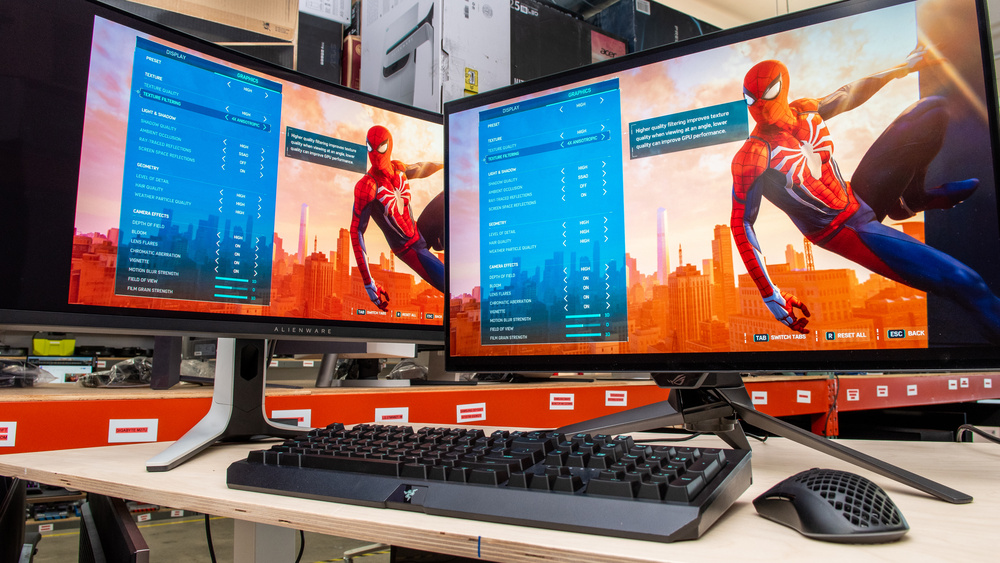
Choosing between OLED and Mini-LED for your best gaming monitors in 2026 comes down to a simple trade-off: perfect contrast or sustained brightness. OLED panels use self-emissive pixels that turn off completely for true blacks, creating an infinite contrast ratio. Mini-LED monitors use a backlight array with hundreds of zones to dim specific areas, which keeps brightness high but can lead to blooming around bright objects on dark backgrounds.
The visual difference is immediate. OLED delivers the deep, immersive blacks that make dark scenes in games like Cyberpunk 2077 or Elden Ring look stunning. Mini-LED, however, excels in bright environments. If you game in a sunlit room or prefer HDR titles with intense explosions and sunlight, Mini-LED can push significantly higher peak brightness without risking burn-in.
Burn-in and Longevity
For years, burn-in was the primary reason gamers avoided OLED. Modern panels have largely solved this with pixel shifting, logo dimming, and panel refresh cycles. Still, if you play the same static UI-heavy strategy games for ten hours a day, Mini-LED remains the safer, more durable choice. For most dynamic gaming sessions, OLED burn-in is no longer a practical concern.
The Verdict
If image quality and contrast are your top priorities, OLED is the clear winner. It offers the most cinematic experience available today. However, if you need maximum brightness for HDR games or plan to use the monitor for productivity with static taskbars, Mini-LED provides a more versatile and resilient option. Both technologies represent the current peak of display engineering, so your choice depends on your specific viewing environment.
Best 4K monitors for immersive play
For single-player titles and visually demanding games, resolution is the foundation of immersion. A 4K display delivers the sharpness and pixel density needed to make complex environments look their best. While 1440p remains popular for competitive shooters, 4K is the standard for players who prioritize visual fidelity over raw frame rates.
The MSI MAG 321UPX QD-OLED stands out as the top overall recommendation for 2026. Priced around $714.99, it balances a large 32-inch panel with 240Hz refresh rates and stellar QD-OLED image quality. This combination allows it to handle both cinematic narratives and fast-paced action without compromise. For those seeking premium performance, the ASUS ROG Swift OLED PG32UCDM Gen3 offers a 240Hz QD-OLED panel that pushes brightness and speed further, though at a higher cost.
Choosing a 4K monitor depends on your GPU and playstyle. Modern graphics cards can drive 4K at high refresh rates, but you may need to adjust settings in older titles. If you play mostly story-driven games, the visual upgrade from 1440p to 4K is immediately noticeable. For competitive play, you might prioritize higher refresh rates over resolution. The MSI model offers a sweet spot for most gamers.
Best ultrawide monitors for multitasking
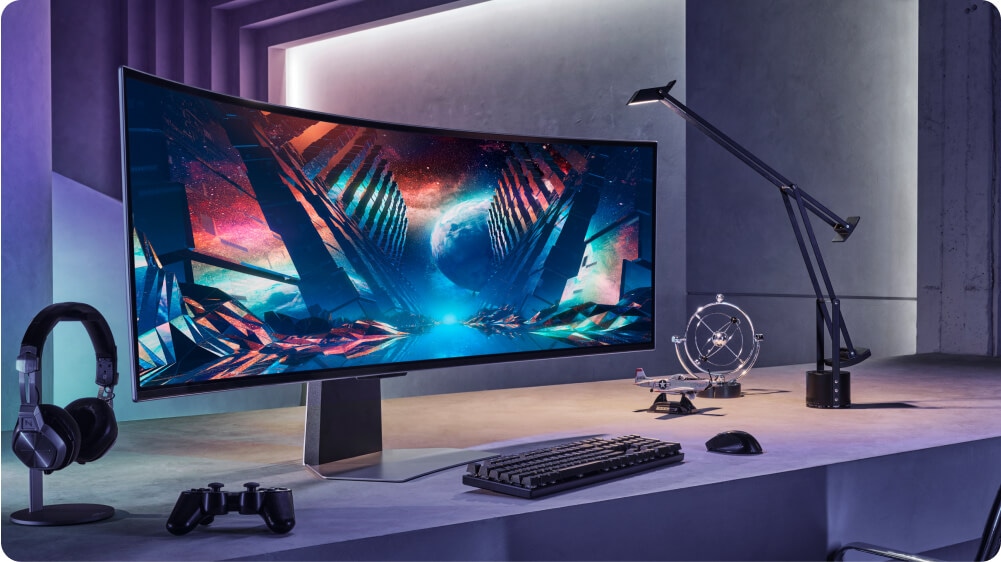
Ultrawide monitors have evolved from niche productivity tools into serious gaming displays. The 21:9 aspect ratio offers a wider field of view in racing and flight sims, while the extra horizontal space keeps your desktop organized. You can run a game in the center and have Discord, a browser, and a guide open on the sides without alt-tabbing.
For 2026, the Alienware AW3423DWF stands out as a top pick. It combines a 34-inch QD-OLED panel with a 165Hz refresh rate, delivering the deep blacks and vibrant colors that define modern OLED gaming. The curved design wraps around your peripheral vision, enhancing immersion without sacrificing clarity for text-heavy tasks. It’s a balanced choice for those who want both speed and visual fidelity.
If you prefer a larger canvas, the MSI MPG 341CQPX offers a 34-inch curved OLED display with a blistering 240Hz refresh rate. This higher refresh rate benefits competitive shooters, while the OLED technology ensures that dark scenes remain detailed. The inclusion of a USB-C port adds convenience for connecting laptops or charging devices, making it a practical hub for a clutter-free desk setup. Both monitors represent the current peak of ultrawide technology, blending gaming performance with everyday utility.
Are 4K monitors worth it in 2026?
In 2026, the answer is a definitive yes. The market has shifted from niche luxury to standard performance, with prices dropping and hardware capabilities rising. You no longer need a top-tier $3,000 PC to drive a 4K display at playable frame rates.
The sweet spot for most gamers is a 32-inch QD-OLED panel. These displays offer the perfect balance of pixel density, color accuracy, and refresh rates. For example, the MSI MAG 321UPX QD-OLED delivers 240Hz speed and stellar image quality for around $715, making high-end visuals accessible without breaking the bank.
However, hardware requirements matter. If you are still using mid-range GPUs from previous generations, you may struggle to hit high frame rates at native 4K. In those cases, a 1440p monitor might offer better value. But if you are building a new rig or upgrading your graphics card, 4K is the clear choice for the best gaming monitors of 2026.
No comments yet. Be the first to share your thoughts!