
2026 gaming trends budget
The shift to AI-driven NPCs and cloud streaming changes what you get for your money. Studios are diversifying distribution channels, meaning you can find high-quality experiences without always needing the latest hardware. Player spending is growing, but that doesn't mean you have to overspend. The key is matching your budget to the specific tradeoffs of condition, age, and platform.
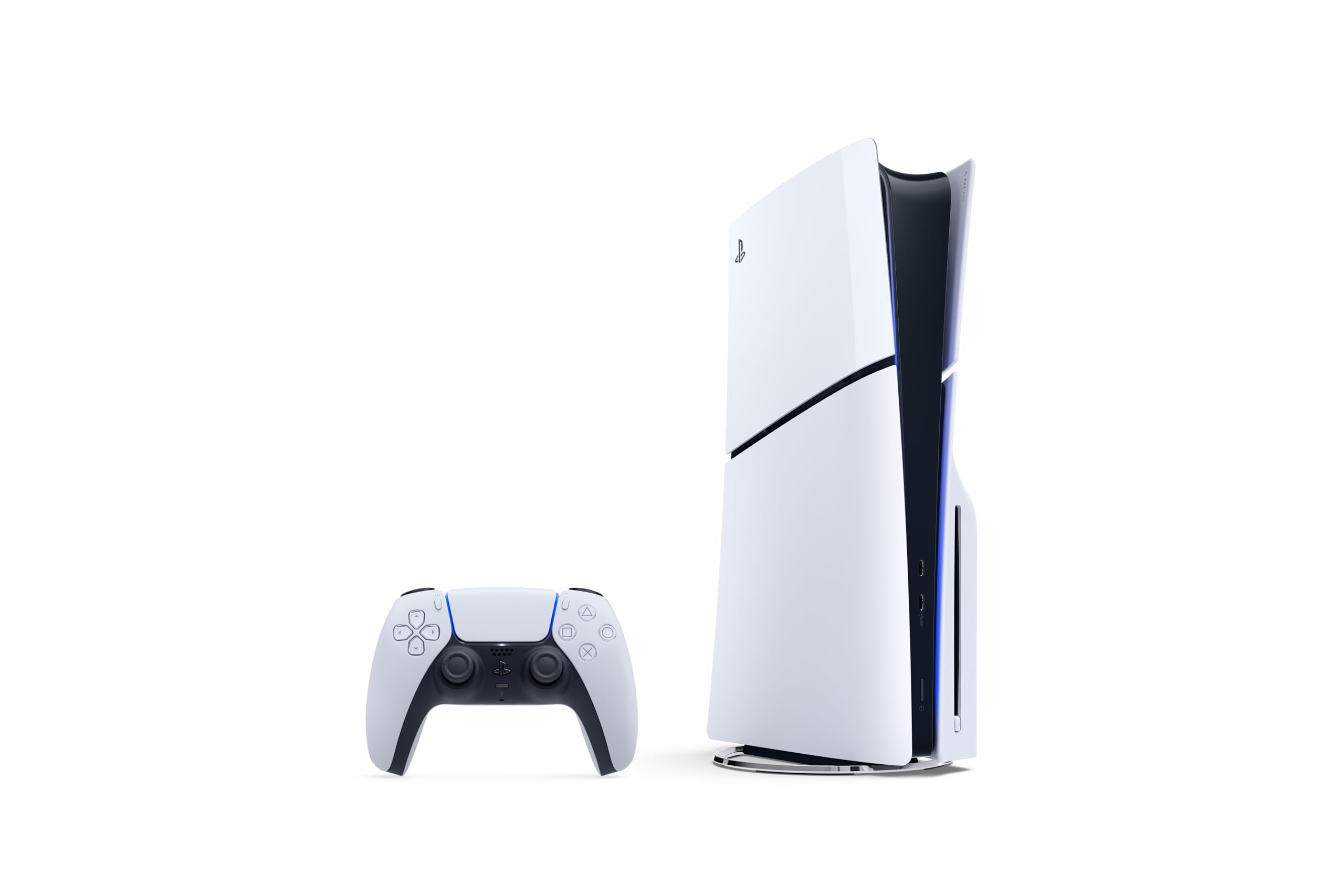
When building a 2026 gaming setup, prioritize components that support cloud streaming and AI-enhanced titles. A mid-range console or PC can handle most current releases, especially if you lean on subscription services. However, if you want local AI NPCs with rich lore, you’ll need more processing power. Here are concrete options that balance cost and performance.


As an Amazon Associate, we may earn from qualifying purchases.
Consider buying last-generation hardware if you’re on a tight budget. The PS4 and Xbox One still run many popular titles, and their prices have dropped significantly. For PC gamers, a used RTX 3060 or RX 6600 offers great value for 1080p gaming. Avoid paying premium prices for "new" 2026 models unless you specifically need the latest AI upscaling features. Most of the revolution is software-based, not hardware-bound.
Compare the strongest 2026 gaming trends options
The 2026 gaming landscape is shifting from static experiences to dynamic, cloud-connected ecosystems. Studios are diversifying distribution channels while AI reshapes development economics, creating distinct paths for players depending on their hardware and preferences. Rather than chasing every novelty, it helps to compare the core options that are actually delivering value today.
The primary divide lies between local processing power and cloud-based accessibility. On one side, high-end PC and console setups offer raw performance for AI-driven NPCs and complex physics. On the other, cloud streaming services provide instant access to heavy titles without hardware upgrades. Understanding these tradeoffs helps you choose the right setup for your gaming style.
The table below breaks down the key differences between the leading approaches for 2026 gaming.
| Option | Performance | Accessibility | Best For |
|---|---|---|---|
| High-End PC/Console | Maximum local power, 4K+ gaming | Requires expensive hardware, setup | Competitive play, modding |
| Cloud Streaming | Dependent on internet speed | Instant play on any screen | Casual gamers, multiple devices |
| AI-Enhanced Mobile | Optimized for efficiency | Highest portability | On-the-go sessions, quick play |
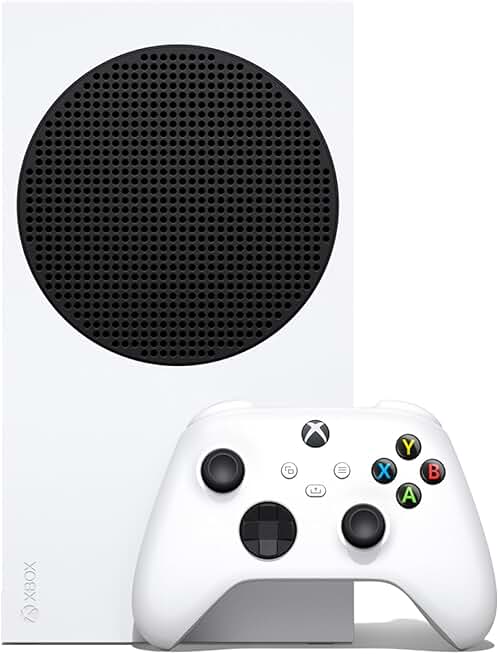
For those prioritizing local performance, investing in the right hardware is essential. The following products represent some of the strongest options available for 2026 gaming setups.


As an Amazon Associate, we may earn from qualifying purchases.
Choosing your path
Your choice depends on where you spend most of your time. If you want the deepest immersion and control, a high-end PC or console is the way to go. If you value flexibility and instant access, cloud streaming services are catching up fast. The best 2026 gaming trend is the one that fits your lifestyle.
Inspect the expensive parts
AI-driven NPCs and cloud streaming add processing layers that stress specific hardware components. If you are upgrading or troubleshooting a setup for 2026 titles, focus your inspection on these failure points before buying new gear.
AI NPCs generate dynamic textures and complex geometry on the fly. Monitor your VRAM usage in tools like MSI Afterburner. If you hit 90%+ usage, the system will stutter as it swaps data to slower system RAM. For cloud streaming, VRAM matters less, but local AI upscaling (like DLSS/FSR) still requires headroom.

Cloud streaming fails silently before it drops frames. Run a speed test, but also check latency (ping) and packet loss. A stable 15 Mbps connection with 20ms ping is better than 50 Mbps with 100ms jitter. Use an Ethernet cable; Wi-Fi adds variable latency that ruins cloud input responsiveness.
AI logic runs on the CPU. Even with cloud rendering, the host CPU must process game state, physics, and AI decisions. Look for high CPU usage on a single core in Task Manager during gameplay. Bottlenecks here cause frame pacing issues that no GPU upgrade can fix.


As an Amazon Associate, we may earn from qualifying purchases.
The cost of failure isn't just a broken part; it's the wasted time debugging. By isolating these three areas, you avoid replacing the whole system when only one component was the bottleneck.
Planning for true ownership costs
Buying a console or building a PC is just the entry fee. The real financial test comes from the recurring costs that quietly drain your budget over time. In 2026, AI-driven features and cloud streaming subscriptions add new layers to this expense. Studios are diversifying distribution channels, meaning your wallet now supports not just hardware, but a continuous stream of services.
Cloud gaming is the biggest hidden cost for many players. Services like Xbox Cloud Gaming or GeForce Now require a stable internet connection and often a premium subscription tier to unlock high-fidelity streaming. If you already pay for high-speed broadband, this is an added monthly bill. If your internet is capped or slow, you might face throttling or additional data overage fees, turning a "free" game library into an expensive utility.
Hardware maintenance is another area where cheap upfront prices can be misleading. Older consoles or budget PCs often struggle with heat, leading to fan noise and potential hardware degradation. You may need to invest in cooling pads, compressed air, or even replacement thermal paste every few years. High-end PCs require more frequent driver updates and potential component upgrades to keep up with AI-enhanced graphics.
When a cheap buy stops being cheap is often a question of longevity. A budget console might cost less initially, but if it cannot run the latest AI-driven titles or stream efficiently, you may need to upgrade sooner than planned. Conversely, a higher-end PC or current-gen console can serve you longer, reducing the annual cost of ownership. Calculate the total cost over three to five years, including subscriptions, maintenance, and potential upgrades, before making your final decision.
![Next Gen Console Bundle - Xbox Series X 1TB + 8K Premium HDMI Cable - 4 feet- 48Gbps Hight Speed HDR for Gaming Console (Renewed) [video game]](https://m.media-amazon.com/images/I/21FQ6LU2BOL._AC_UY500_QL65_.jpg)


As an Amazon Associate, we may earn from qualifying purchases.
2026 gaming trends: what to check next
The shift toward AI-driven NPCs and cloud streaming isn’t just about novelty; it changes how you spend money and what hardware you actually need. Understanding these mechanics helps you avoid buying gear that becomes obsolete in six months or getting locked into subscriptions that don’t deliver.
Here are the practical answers to the most common questions about the 2026 gaming landscape.
No comments yet. Be the first to share your thoughts!