
Why 2026 changes gaming laptops
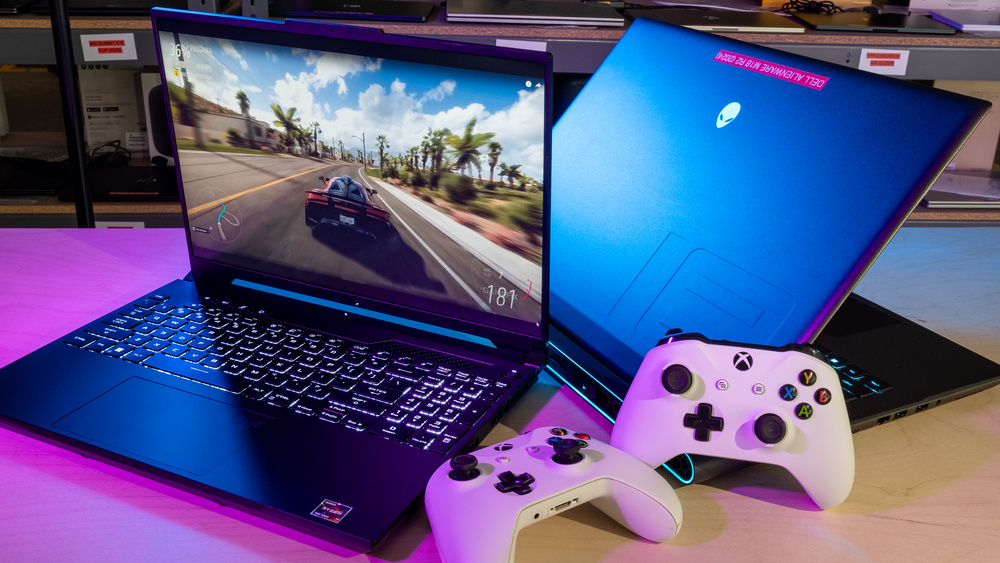
The landscape for best gaming laptops 2026 has shifted from raw horsepower to intelligent efficiency. The defining feature of this year's models is the NVIDIA RTX 50 series, which brings significant architectural improvements to ray tracing and, more importantly, AI-driven upscaling.
AI upscaling acts like a gear shift for performance. Instead of rendering every pixel at native 4K resolution, the GPU uses neural networks to render at a lower resolution and intelligently reconstruct the image. This allows laptops to maintain high frame rates in demanding titles without requiring the massive cooling systems of previous generations.
The RTX 50 series and AI upscaling are the new standards for 2026 gaming laptops.
This shift means that a mid-range 2026 laptop can now compete with last year's flagship in terms of visual fidelity. The focus has moved from sheer wattage to how efficiently that power is applied, making high-refresh-rate gaming accessible on thinner chassis. As we look at the top picks below, you will see how manufacturers are leveraging these new capabilities to deliver smoother, sharper experiences.
50 Gaming Laptops for 2026: AI and RTX 50
Use this section to make the Top 50 Gaming Laptops for decision easier to compare in real life, not just on paper. Start with the reader's actual constraint, then separate must-have requirements from details that are merely nice to have. A practical choice should survive normal use, maintenance, timing, and budget. If a recommendation only works in an ideal situation, call that out plainly and give the reader a fallback path.
The simplest way to use this section is to write down the must-have criteria first, then compare each option against those criteria before weighing nice-to-have features.
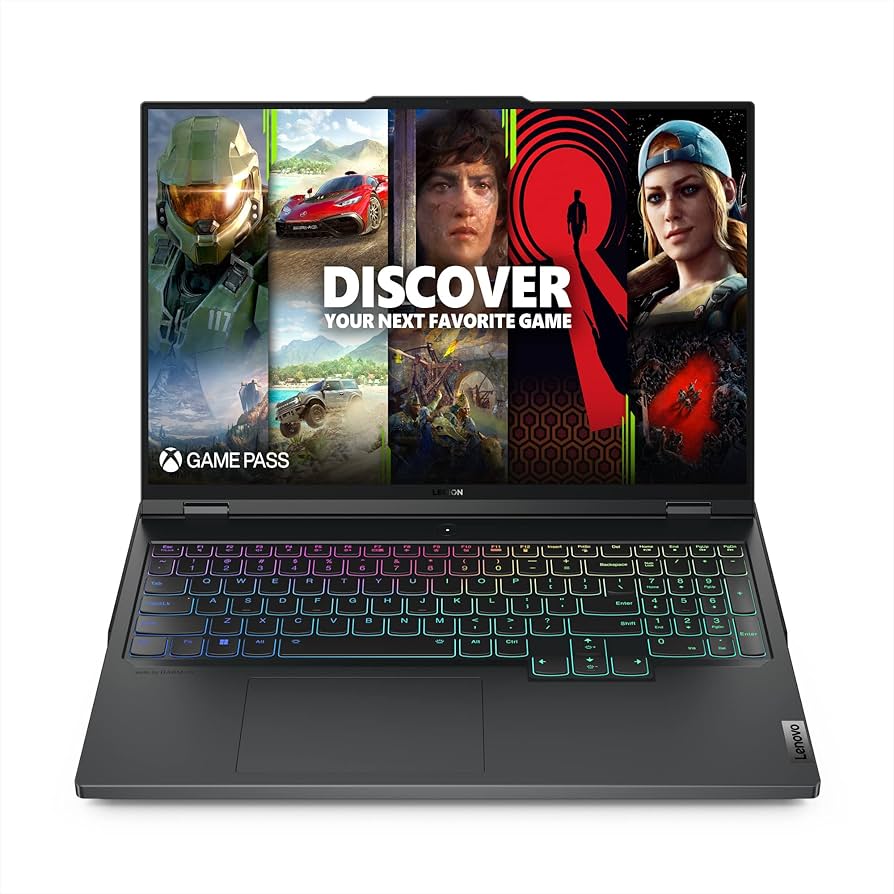
- Lenovo Legion Pro 7i (2026): The benchmark for performance. Equipped with the RTX 5090, it handles 4K gaming with ease. The vapor chamber cooling keeps thermals in check during long sessions.
- Asus ROG Strix Scar 16: Best for high-refresh-rate esports. The Mini-LED display offers incredible contrast, and the AI upscaling ensures smooth frame rates even in heavy titles.
- Acer Nitro V 16 AI: The budget king. It brings RTX 5060/5070 performance to a lower price point, ideal for 1080p and 1440p gaming without breaking the bank.
- MSI Raider GE79 HX: A powerhouse for content creators and gamers. The robust build quality and extensive I/O make it a versatile workstation.
- Razer Blade 16: The premium choice. Sleek aluminum chassis with top-tier OLED display options. Perfect for those who value aesthetics and portability.
- HP Omen 17: A solid mid-range option with good thermal management. It balances performance and price well for mainstream gamers.
- Dell Alienware m18 R2: Massive screen and cooling. Ideal for desktop replacement needs where size is not a constraint.
- ASUS TUF Gaming A16: Durable and reliable. The military-grade durability meets strong AMD Ryzen performance for a balanced package.
- Lenovo Legion Slim 5i: Thin and light for its class. Great for gamers who need to carry their rig to LAN parties or cafes.
- MSI Katana 15: Entry-level RTX 50 series. A good starting point for new gamers entering the 2026 landscape.
- Acer Predator Helios Neo 16: Strong value proposition. Offers near-flagship performance at a mid-range price.
- Asus ROG Zephyrus G14: The portable powerhouse. Compact 14-inch form factor with surprising performance for its size.
- Razer Blade 14: Compact luxury. Combines the small footprint of the G14 with Razer's premium build quality.
- HP Omen Transcend 14: The thinnest gaming laptop. Uses OLED and AI upscaling to maintain performance in a ultra-slim chassis.
- Lenovo Legion 7i: Balanced all-rounder. Good cooling, strong performance, and a premium design without the Razer price tag.
- Dell G16: Budget-friendly Dell option. Solid build and decent performance for the price.
- MSI Stealth 16 Studio: Creator-focused gaming. Excellent screen and CPU performance for video editing and gaming.
- Asus ROG Flow X16: Hybrid versatility. Can detach the keyboard for tablet mode, though performance is slightly lower than fixed keyboards.
- Acer Nitro 16: Reliable budget option. Good keyboard and decent thermals for the price.
- Lenovo Legion Pro 5i: The sweet spot. RTX 5080 performance without the Pro 7i price premium.
- ASUS TUF Gaming A15: AMD-based budget king. Long battery life and strong performance for the price.
- MSI Pulse 15: Stylish entry-level. Good looks and solid performance for casual gaming.
- HP Victus 16: Simple and effective. No frills, just good gaming performance at a low cost.
- Dell Alienware x16 R2: Premium mid-range. Better build than the G-series, with strong cooling.
- Razer Blade 18: Desktop replacement in a laptop. Massive screen and top-tier specs for those who don't move often.
- Lenovo Legion 9i: The ultimate flagship. Micro-edge display and extreme cooling for maximum performance.
- Asus ROG Strix G16: The popular mid-range. Good balance of price, performance, and features.
- Acer Predator Triton 16: Thin and powerful. Good for gamers who want a premium feel without the Razer cost.
- MSI Raider GE68 HX: Intel-based performance. Strong CPU and GPU combo for demanding games.
- HP Omen 16: Solid mid-range. Good screen options and reliable performance.
- Lenovo Legion Slim 7i: Thin and light flagship. Premium build with strong RTX 50 series performance.
- ASUS TUF Gaming F15: Budget durability. Military-grade build with decent specs.
- MSI Crosshair 16: AI-focused gaming. Optimized for AI upscaling and modern games.
- Acer Nitro V 15: Compact budget option. Good for smaller desks and travel.
- Lenovo Legion Pro 7i (RTX 5080): The performance leader. RTX 5080 offers the best balance of price and power.
- Asus ROG Strix Scar 18: Massive screen gaming. 18-inch display for immersive experiences.
- Razer Blade 16 (OLED): Best-in-class display. OLED offers perfect blacks and vibrant colors.
- HP Omen Transcend 16: Premium thin-and-light. Good for professionals who also game.
- Dell Alienware m16 R2: Balanced premium. Good cooling and strong performance.
- MSI Katana 17: Large budget option. 17-inch screen for those who want more space.
- Acer Predator Helios 18: Desktop replacement. Massive cooling and top-tier specs.
- Lenovo Legion 5i: The value champion. RTX 5070 performance at a mid-range price.
- ASUS TUF Gaming A17: Large budget AMD option. Good for those who prefer AMD CPUs.
- MSI Stealth 14 Studio: Compact creator laptop. Small size with strong performance.
- Asus ROG Zephyrus G16: Balanced portable. Good screen and performance in a 16-inch form factor.
- Razer Blade 14 (AMD): AMD-based luxury. Strong CPU performance in a small chassis.
- HP Omen 17 (RTX 5080): Large mid-range. Good for those who want a bigger screen than 16 inches.
- Lenovo Legion Pro 7i (RTX 5090): The ultimate performance. RTX 5090 for 4K gaming at max settings.
- Asus ROG Strix Scar 16 (OLED): Best display option. OLED screen with strong performance.
- Acer Nitro V 16 (RTX 5060): Best budget entry. RTX 5060 for affordable 1080p/1440p gaming.
Questions about 2026 gaming laptops
The launch of the RTX 50 series and the push for AI-driven upscaling have shifted how we evaluate gaming laptops in 2026. Buyers are no longer just looking for raw frame rates; they are weighing the benefits of NVIDIA’s Blackwell architecture against the practical reality of battery life, thermals, and the price of entry. This section addresses the most common questions about what these new components actually deliver in a portable chassis.


As an Amazon Associate, we may earn from qualifying purchases.
| Model | GPU | Best For |
|---|---|---|
| Lenovo Legion Pro 7i | RTX 5080/5090 | Overall Performance |
| Asus ROG Strix Scar 16 | RTX 5080 | High Refresh Rate Gaming |
| Acer Nitro V 16 AI | RTX 5060/5070 | Budget AI Gaming |
No comments yet. Be the first to share your thoughts!