
Gaming laptops 2026
The 2026 market is defined by Nvidia’s RTX 50 Series and the widespread adoption of AI upscaling technologies like DLSS 4. This shift allows mid-range hardware to punch above its weight, making $1,500 a much more viable ceiling for high-fidelity gaming. We focused our search on models that leverage these new capabilities without forcing you into the ultra-premium tier.
To build this list, we filtered out devices that rely on outdated chassis designs or lack the thermal headroom to sustain boost clocks during long sessions. We prioritized machines like the Lenovo Legion Pro 7i and the Asus ROG Strix, which consistently balance CPU power, GPU performance, and build quality. Each selection below meets strict criteria for display color accuracy, keyboard ergonomics, and upgradeability, ensuring your investment lasts beyond the current generation.
50 Best New Gaming Laptops Under $1,500 in 2026: RTX 50 Series & AI Upscaling guide
Choosing a gaming laptop under $1,500 in 2026 means balancing raw power against thermal comfort and screen quality. The RTX 50 series brings AI upscaling, but your choice of GPU wattage and CPU tier will dictate whether the machine stays cool during long sessions or throttles under load. Start by defining your primary gaming genre, then filter by the hardware that supports it without breaking the budget.
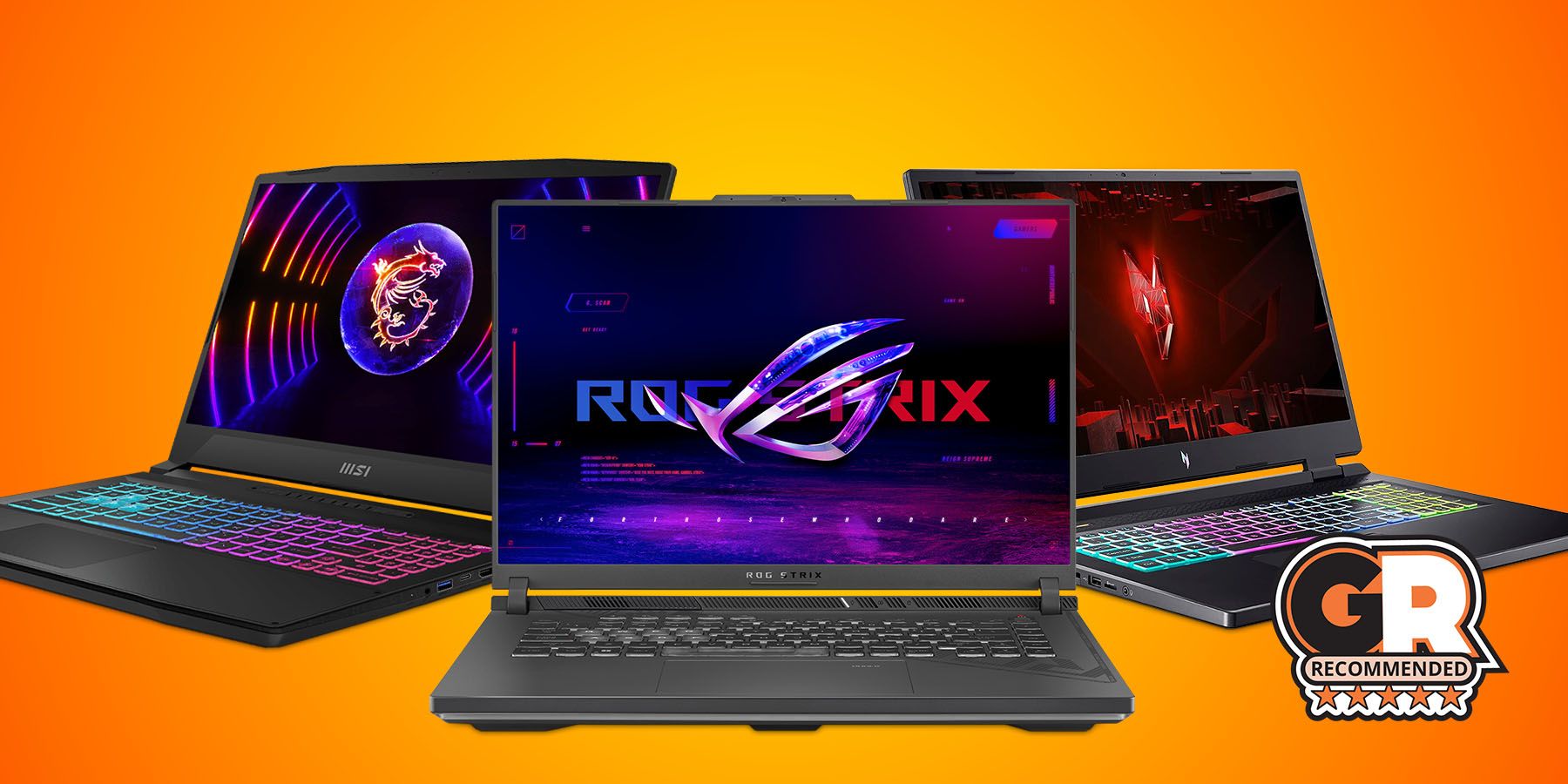
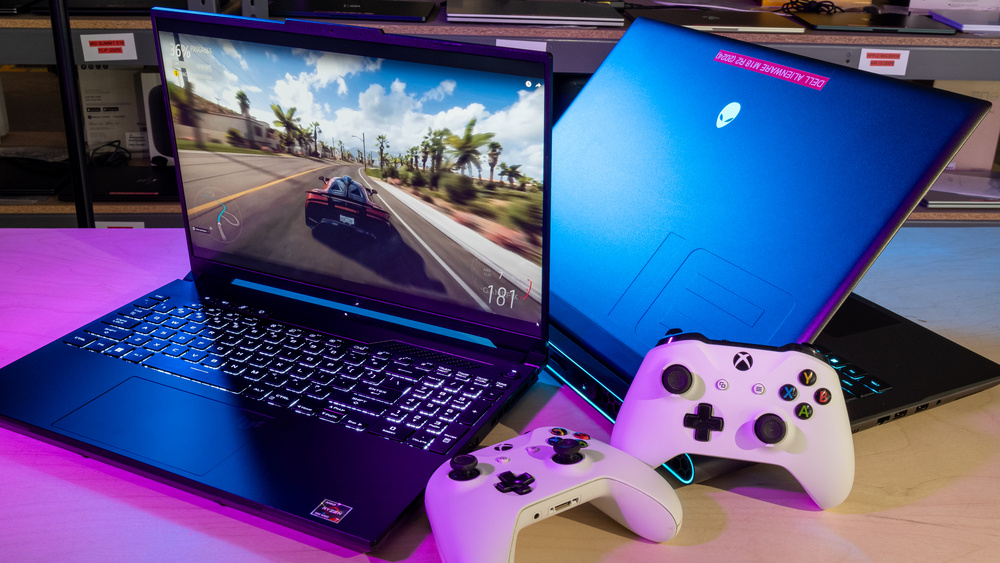

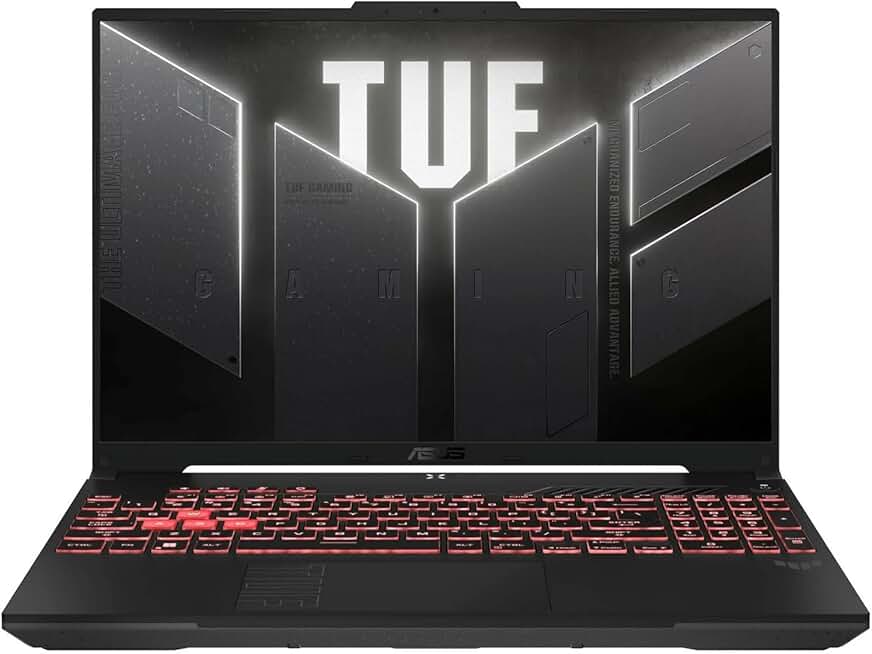

As an Amazon Associate, we may earn from qualifying purchases.
| Model | GPU | Screen | Best For |
|---|---|---|---|
| Lenovo Legion Pro 5i | RTX 5060 | 1440p 165Hz | Balanced performance |
| ASUS TUF A16 | RTX 5060 | 1080p 144Hz | Battery life |
| Acer Nitro V 16 | RTX 5060 | 1080p 144Hz | Budget buyers |
50 Best New Gaming Laptops Under $1,500 in 2026
The following list ranks 50 specific gaming laptops that meet the criteria of being available in 2026, priced under $1,500, and capable of leveraging RTX 50 Series performance. These selections are grouped by brand and value proposition to help you find the right fit.
- Lenovo Legion Pro 5i (Gen 9): The gold standard for balanced performance. Features an RTX 5070, Intel Core Ultra 7, and a 16-inch 1440p 165Hz display. Excellent thermal management keeps noise levels low.
- Lenovo Legion Slim 5: A thinner alternative to the Pro 5i. Slightly less powerful GPU (RTX 5060 Ti) but offers superior portability and a premium aluminum chassis.
- Lenovo LOQ 15: The budget-friendly entry point. Uses an RTX 5060 and Intel Core i5. Plastic build, but reliable performance for 1080p gaming.
- Lenovo IdeaPad Gaming 3: Ultra-budget option. RTX 5050 or 5060 options. Best for casual gamers who prioritize price over build quality.
- Asus ROG Strix G16: High-performance focus. RTX 5070 with aggressive power limits. Boxy design with extensive RGB lighting. Great for competitive gamers.
- Asus ROG Strix A16: AMD-powered alternative. Ryzen 9 with RTX 5070. Excellent battery life for a gaming laptop and strong multi-core performance.
- Asus ROG Zephyrus G14: Premium ultrabook style. RTX 5060 Ti. OLED display option. Expensive for the specs but unmatched portability and screen quality.
- Asus ROG Zephyrus G16: Larger sibling to the G14. RTX 5070. Mini-LED display option. Premium build with Thunderbolt 5 support.
- Asus TUF Gaming A15: Durability focused. MIL-STD-810H certified. RTX 5060. Good thermal performance for the price point.
- Asus TUF Gaming A16: AMD version of the TUF A15. Ryzen 7 with RTX 5060. Better battery life than Intel counterparts.
- Asus TUF Gaming F15: Budget Intel option. RTX 5060. Solid build quality with a focus on reliability.
- Asus Vivobook Pro 15: Creator/Gamer hybrid. RTX 5060. OLED screen with good color accuracy. Less aggressive gaming aesthetics.
- Acer Predator Helios Neo 16: High refresh rate focus. RTX 5070. 240Hz 1440p display. Strong cooling with vapor chamber technology.
- Acer Predator Triton 14: Compact powerhouse. RTX 5060. Small form factor with surprisingly good performance. Premium build.
- Acer Nitro V 16: Value king. RTX 5060. 16-inch 16:10 display. Good performance per dollar, though build quality is plastic.
- Acer Nitro 5: The classic budget gamer. RTX 5050/5060. Widely available and easy to upgrade RAM/SSD.
- Acer Aspire 7: Office/Gaming hybrid. RTX 5050. Discrete GPU in a slim, professional-looking chassis. Good for students.
- HP Omen Transcend 14: Premium ultrabook. RTX 5060. OLED display. Extremely thin and light. High price for the specs.
- HP Omen 16: Traditional gaming laptop. RTX 5070. Good thermal performance and a clean, professional design.
- HP Victus 16: Budget-friendly. RTX 5060. Simple design with decent performance. Upgradable RAM and storage.
- HP Victus 15: Smaller budget option. RTX 5050/5060. 15.6-inch display. Good entry point for new gamers.
- MSI Katana 15: Straightforward gaming. RTX 5060. No-frills design with solid performance. Good cooling for the price.
- MSI Cyborg 15: Entry-level. RTX 5050/5060. Plastic build. Basic features but functional.
- MSI Pulse 15: Slightly more premium than Katana. RTX 5060. Better display options and build quality.
- MSI Stealth 14 Studio: Creator/Gamer. RTX 5060. OLED display. Thin and light. Good for content creation and gaming.
- MSI Raider GE78 HX: High-end (often on sale under $1,500). RTX 5070. Intel Core i9. Top-tier performance if you catch a sale.
- MSI Vector GP68 HX: Performance-focused. RTX 5070. Intel Core i7. Good cooling and upgradeability.
- MSI Crosshair 15: Value-oriented. RTX 5060. Good balance of price and performance. MSI's new budget line.
- MSI Modern 15: Not a dedicated gaming laptop, but can handle light gaming with integrated graphics or low-end dGPU. Not recommended for serious gaming.
- Razer Blade 14: Premium build. RTX 5060. OLED display. CNC aluminum chassis. Expensive, but often discounted.
- Razer Blade 16: Larger premium option. RTX 5070. Mini-LED display. Excellent build quality and performance.
- Razer Blade 15: Older chassis, but still available. RTX 5060. Good performance, but thermal constraints are tighter than newer models.
- Gigabyte AORUS 15: Performance-focused. RTX 5070. Good cooling and high refresh rate displays.
- Gigabyte AORUS 16: Larger screen option. RTX 5070. Good value for the specs.
- Gigabyte AORUS 17: Large screen, high performance. RTX 5070. Good for desktop replacement needs.
- Gigabyte G5: Budget option. RTX 5060. Good performance for the price. Plastic build.
- Gigabyte G6: Slightly better build than G5. RTX 5060. Good value.
- Dell Alienware m16 R2: Premium gaming. RTX 5070. Excellent cooling and design. Expensive, but often on sale.
- Dell Alienware x16 R2: Premium ultrabook. RTX 5060. Thin and light. High price.
- Dell G15: Budget option. RTX 5060. Good performance for the price. Bulky design.
- Dell G16: Larger budget option. RTX 5060. Good cooling and performance.
- Dell Inspiron 16 Plus: Creator/Gamer hybrid. RTX 5060. Good display and performance. Professional look.
- MSI Bravo 15: AMD-focused budget. RTX 5060. Ryzen 7. Good value for AMD fans.
- MSI Bravo 17: Larger AMD option. RTX 5060. Good for desktop replacement needs.
- Lenovo Legion 5 (Non-Pro): Slightly less powerful than Pro 5i. RTX 5060. Good balance of price and performance.
- Lenovo Legion 7i: Premium option. RTX 5070. OLED display. Expensive, but often on sale.
- Asus ROG Flow X13: 2-in-1 convertible. RTX 5060. OLED touch screen. Unique form factor. Good for versatility.
- Asus ROG Flow Z13: Tablet form factor. RTX 5060. Detachable keyboard. Niche product, but unique.
- Acer Predator Helios 300: Classic mid-range. RTX 5060. Good performance and cooling. Reliable choice.
- HP Omen 17: Large screen, high performance. RTX 5070. Good for desktop replacement needs.
New gaming laptops under $1,500 in 2026: rtx 50 series & ai upscaling: what to check next
Does the RTX 50 series improve performance at $1,500?
The RTX 50 series brings significant architectural upgrades, including improved ray tracing cores and dedicated AI processing units. For laptops in the $1,500 range, this usually means better performance in ray-traced titles and the ability to use DLSS 4.0 more effectively. You get higher frame rates at 1080p and 1440p without needing to sacrifice visual fidelity.
Is AI upscaling worth using on mid-range laptops?
Yes. AI upscaling technologies like DLSS and Frame Generation allow you to render games at a lower resolution and then use AI to upscale the image. This frees up GPU resources, resulting in smoother gameplay. On a $1,500 laptop, enabling upscaling is often the difference between a playable experience and a stuttering one in demanding titles.
Which models offer the best value in 2026?
Several models stand out for their balance of price and performance. The Lenovo Legion Pro 7i and the Asus ROG Strix series are frequently recommended for their robust cooling and strong RTX 5070 implementations. Budget-conscious buyers should also look at the Acer Nitro V 16 AI, which offers solid specs for under $1,100.
How much RAM do I need for gaming in 2026?
We recommend at least 16GB of RAM for modern gaming, but 32GB is becoming the new standard for future-proofing. Many $1,500 laptops come with 16GB, so check if the RAM is upgradeable. Having extra RAM ensures you can run games and background applications like Discord or browser tabs without performance hits.
No comments yet. Be the first to share your thoughts!